¶ Berberine
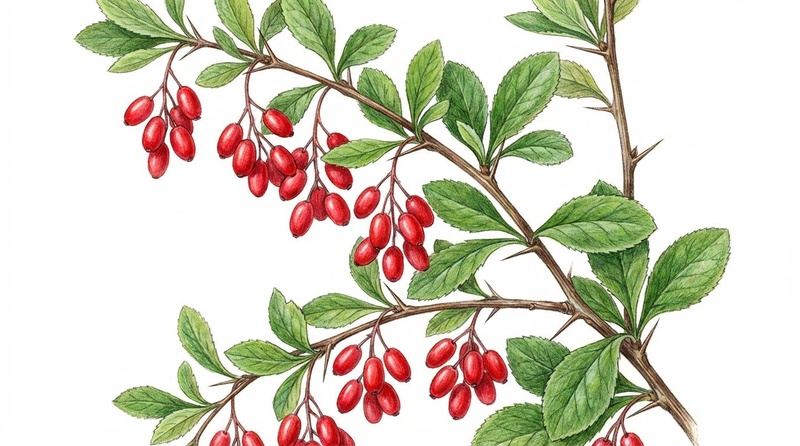
| Type | Botanical alkaloid |
| Active Cmpd | Berberine (commonly as berberine HCl) |
| Source | Barberry, goldenseal, Oregon grape, tree turmeric |
| Dose Range | 900-2,000 mg/day (divided doses) |
| Half-life | Variable; often dosed 2-3x/day |
| Main Benefit | Improved glycemic and lipid markers in metabolic disorders |
| Absorption | Low for standard berberine; improved with enhanced formulations |
Berberine is a plant-derived alkaloid used mainly for metabolic health, especially blood glucose and lipid control. Human evidence is strongest in type 2 diabetes and dyslipidemia, with additional but less consistent evidence in other domains.
¶ At a glance
Aliases
- Also known as: Berberine hydrochloride, berberine HCl
- Chemical / botanical name: Berberine (isoquinoline alkaloid from Berberis species)
- Category: Botanical alkaloid
Key points (high-level summary)
- In adults with metabolic disorders, berberine often lowers fasting glucose and HbA1c, with some trials showing effects comparable to metformin.
- Berberine can improve LDL-C, triglycerides, and total cholesterol in many RCTs and meta-analyses.
- Standard berberine has low oral bioavailability, so dose splitting and formulation choice matter.
- Main safety concerns are GI side effects and clinically relevant drug interaction risk (notably CYP3A4/CYP2D6/CYP2C9 substrate pathways).
What people use it for
- Main goals: blood glucose control, insulin sensitivity, lipid management, cardiometabolic support
- Evidence quality (overall): Moderate
¶ What is berberine?
Berberine is a yellow plant alkaloid found in barberry and related plants. It has been used historically in traditional systems as an antimicrobial and gastrointestinal remedy, and is now studied primarily for metabolic outcomes.
- Definition: A bioactive isoquinoline alkaloid used as a dietary supplement.
- Natural sources: Berberis vulgaris (barberry), Hydrastis canadensis (goldenseal), Oregon grape, tree turmeric.
- Traditional / historical use: Traditionally used for digestive and infectious complaints.
- Current regulatory status: Sold as a dietary supplement in many regions.
- Key pharmacological property in one line: Multi-target metabolic modulator often linked to AMPK signaling.
¶ What are berberine's main benefits?
Across human studies, the most consistent benefits are in glycemic and lipid markers, especially in people with type 2 diabetes, dyslipidemia, or related metabolic disorders.
-
Outcome: Fasting glucose / HbA1c in type 2 diabetes
-
Direction of effect: Decrease
-
Magnitude: Small-to-moderate (clinically meaningful in some trials)
-
Population studied: Adults with type 2 diabetes / insulin resistance
-
Evidence quality: Moderate to high
-
Summary sentence: Multiple RCTs and meta-analyses suggest berberine can improve glycemic parameters, sometimes approaching metformin-like effects in selected cohorts.
-
Outcome: LDL-C, triglycerides, total cholesterol
-
Direction of effect: Decrease
-
Magnitude: Small-to-moderate
-
Population studied: Adults with dyslipidemia and broader metabolic risk
-
Evidence quality: Moderate
-
Summary sentence: Lipid improvements are frequently reported, though trial quality and heterogeneity vary.
-
Outcome: Body weight / BMI
-
Direction of effect: Decrease
-
Magnitude: Small
-
Population studied: Overweight and metabolic-risk populations
-
Evidence quality: Low to moderate
-
Summary sentence: Weight-related effects are generally modest and not comparable to modern anti-obesity pharmacotherapy.
¶ Evidence summary table (human outcomes)
| Outcome / Goal | Effect* | Consistency** | Evidence quality | Trials*** | Notes (population, duration, dose) |
|---|---|---|---|---|---|
| HbA1c / glycemic control | Moderate-High | Moderate-High | 10+ RCTs/meta-analyses | T2D and insulin-resistant populations; often ~8-24 weeks | |
| Fasting blood glucose | Moderate | Moderate | 10+ RCTs/meta-analyses | Typically 900-1,500 mg/day split with meals | |
| LDL cholesterol | Moderate | Moderate | ~20 RCTs/meta-analyses | Dyslipidemia/T2D cohorts | |
| Triglycerides | Moderate | Moderate | ~20+ RCTs/meta-analyses | Similar dosing ranges; mixed formulation quality | |
| Body weight / BMI | Low-Moderate | Low-Moderate | 5-7 trials/meta-analyses | Usually modest reductions | |
| Inflammation markers (e.g., CRP) | Low-Moderate | Low-Moderate | Multiple small RCTs | Direction often favorable, precision limited |
- *Effect: Number of arrows (1-3) indicates magnitude. Direction: ↑ (increase), ↓ (decrease), ↔ (no clear effect), ? (unclear). Health impact: (p) = positive for health, (n) = negative for health.
- **Consistency: Low (results conflict), Moderate (mixed but leaning one way), High (most trials agree)
- ***Trials: Number of RCTs or total trials informing this outcome
LongeviData outcomes widget (required)
¶ How does berberine work?
- Primary targets: AMPK-related metabolic signaling, glucose/lipid handling pathways; reported effects involving PCSK9-related lipid biology.
- Core mechanisms:
- Reduced hepatic glucose output and improved insulin-related signaling in metabolic tissues.
- Improvements in lipid handling that may support LDL and triglyceride reductions.
- Evidence source:
- Human data: metabolic biomarkers (glucose, HbA1c, lipids, inflammatory markers).
- Animal / in vitro data: broader mechanistic support, but not directly equivalent to clinical outcomes.
- Pharmacokinetics basics: oral absorption of standard berberine is low; dose splitting and enhanced formulations are commonly used.
¶ Effects on different systems
¶ Metabolic health (glucose, insulin, lipids)
Most robust human evidence sits here. Trials generally show favorable direction for glucose and lipid outcomes, though magnitude varies by baseline risk, dose, and formulation.
¶ Cardiovascular health (blood pressure, vascular markers)
Blood pressure and related markers may improve modestly in some cohorts, but findings are less consistent than glycemic/lipid endpoints.
¶ Body weight and composition
Weight and BMI effects are usually modest and should be framed as adjunctive, not primary obesity treatment.
¶ Brain & mental health (cognition, mood, sleep)
Human clinical evidence is limited and not currently a core indication.
¶ Gut & digestion
GI tolerability issues are common (especially with standard berberine), and antimicrobial effects may alter gut ecology.
¶ Other domains (liver, reproductive, inflammation)
Signals exist in NAFLD-related biomarkers, PCOS-related hormonal outcomes, and inflammatory markers, but evidence quality is mixed.
¶ Dosage and how to take it
¶ Standard dosing in studies
- Typical daily dose range: 900-2,000 mg/day
- Common dosing schedules: 2-3 divided doses, usually with meals
- Study durations: often 8-24 weeks
¶ Forms and bioavailability
- Common forms: berberine HCl; enhanced-absorption forms (e.g., phytosome, dihydroberberine products)
- Relative differences, if known: enhanced formulations may increase systemic exposure versus standard berberine
- With or without food: commonly used with meals in trials and in practice-oriented protocols
¶ Special populations
- Kidney or liver impairment: insufficient direct dosing evidence for firm recommendations
- Older adults: data exists but remains limited for long-term personalized dosing
- Children and adolescents: limited evidence base
- Pregnancy and breastfeeding: avoid due to safety concerns
¶ Safety and side effects
¶ Common side effects
- GI upset (abdominal pain, cramping, diarrhea, constipation, flatulence, nausea)
- Frequency appears higher at larger single doses and with standard low-bioavailability forms
¶ Less common / serious concerns
- Hypoglycemia risk may rise when combined with other glucose-lowering interventions
- Significant interaction potential through CYP-related metabolism pathways
- Product quality/adulteration variability can affect both efficacy and safety
¶ Who should be especially cautious or avoid it
- People using medications with narrow therapeutic windows metabolized through CYP pathways
- People on glucose-lowering medications (monitoring needed)
- Pregnant or breastfeeding individuals (avoid)
LongeviData safety
¶ Drug and supplement interactions
¶ Pharmacokinetic interactions (how drugs are processed)
- Major enzymes or transporters affected: commonly cited interactions include CYP3A4, CYP2D6, and CYP2C9 substrate pathways.
- Drugs likely impacted: selected statins, antidepressants, beta-blockers, and other CYP-metabolized therapies.
- Direction of interaction: potential increase in exposure for affected co-medications.
¶ Pharmacodynamic interactions (additive / opposing effects)
- Additive effects with drugs that lower blood glucose (greater glucose-lowering response).
- Potential additive GI adverse effects with other poorly tolerated metabolic agents.
- Interaction risk should be interpreted case-by-case, especially in polypharmacy.
¶ Combining berberine with other supplements (stacks)
- Common combos: metabolic stacks with cinnamon, alpha-lipoic acid, inositol, or red yeast rice.
- Rationale: complementary support for glycemic and lipid markers.
- Evidence level: varies from combination RCTs to mechanistic/theoretical rationale; quality is mixed.
¶ Practical questions (FAQ)
-
How long does berberine take to work?
Many studies report measurable biomarker changes within 8-12 weeks. -
Can I take berberine long term?
Human long-term safety data is less robust than short-term metabolic studies, so periodic reassessment is reasonable. -
Can I take berberine with metformin or other glucose-lowering agents?
It can have additive glucose-lowering effects; monitoring for low glucose symptoms and clinician oversight is important. -
Do I need to split the dose?
Most trial protocols use divided doses across meals, which may help both exposure and tolerability. -
Is standard berberine HCl enough, or do formulations matter?
Standard berberine can work, but absorption is low; formulation differences can materially affect tolerated dose and effect.
¶ How we evaluated the evidence
- Study types prioritized: randomized controlled trials, meta-analyses, and large systematic reviews in humans.
- How we graded evidence quality:
- High: Multiple high-quality RCTs/meta-analyses with consistent effects and acceptable precision.
- Moderate: Reasonable RCT evidence but with heterogeneity, imprecision, or methodological limitations.
- Low: Smaller studies, inconsistent findings, or substantial risk-of-bias concerns.
- Very low: Predominantly observational, preclinical, or otherwise indirect evidence.
- Inputs considered: sample size, risk of bias, consistency, directness, and likely clinical relevance of effect size.
- Magnitude interpretation: arrows in the evidence table represent approximate size and direction, not a single universal effect.
- Update cadence: this model page should be refreshed when major new meta-analyses or large RCTs are added to LongeviData.
¶ References
- Yin J, Xing H, Ye J. (2008). Efficacy of berberine in patients with type 2 diabetes mellitus. Metabolism. https://pmc.ncbi.nlm.nih.gov/articles/PMC2410097/
- Chaudhary PS, et al. (2025). Comparative study of efficacy and safety of berberine hydrochloride versus metformin in newly diagnosed prediabetic patients. International Journal of Basic & Clinical Pharmacology. https://www.ijbcp.com/index.php/ijbcp/article/download/6037/3887/26133
- Dong H, Wang N, Zhao L, Lu F. (2012). Berberine in the treatment of type 2 diabetes mellitus: a systematic review and meta-analysis. Evidence-Based Complementary and Alternative Medicine. https://doi.org/10.1155/2012/591654
- Xie W, et al. (2022). Glucose-lowering effect of berberine on type 2 diabetes: a systematic review and meta-analysis. Frontiers in Pharmacology. https://doi.org/10.3389/fphar.2022.1002071
- Zamani M, et al. (2022). The effects of berberine supplementation on cardiovascular risk factors in adults: a systematic review and dose-response meta-analysis. Frontiers in Nutrition. https://doi.org/10.3389/fnut.2022.1013055
- Ruiq JF, Huang H, Zhang W. (2021). Overall and sex-specific effect of berberine for the treatment of dyslipidemia in adults: a systematic review and meta-analysis of randomized placebo-controlled trials. Drugs. https://doi.org/10.1007/s40265-021-01482-3
- Amini MR, et al. (2020). Effects of berberine and barberry on anthropometric measures: a systematic review and meta-analysis of randomized controlled trials. Complementary Therapies in Medicine. https://doi.org/10.1016/j.ctim.2020.102361
- Dang Y, et al. (2020). Berberine ameliorates cellular senescence and extends the lifespan of mice. Aging Cell. https://pmc.ncbi.nlm.nih.gov/articles/PMC6974710/
test update
force new workflow