¶ Practical Diet Architecture
Dietary pattern architecture represents the macro-level structure of a patient's nutritional habits. Rather than focusing on isolated nutrients, practical diet architecture models eating patterns—such as the Mediterranean or DASH templates—combined with chrononutrition (the precise timing of meals in accordance with circadian biology). This guide details the biochemical rationale, clinical evidence, age- and sex-specific adaptations, and concrete protocols for building a robust metabolic diet structure.
| Metric | Target Specification |
|---|---|
| Core Templates | Mediterranean Diet, DASH Diet, and Plant-Rich Whole Food Dietary Patterns |
| Macronutrient Balance | Protein: 20–30%, Complex Carbohydrates: 40–50%, Healthy Fats: 30–40% |
| Chrononutrition Window | 8 to 10 hours daily eating window (concluding ≥3 hours before bedtime) |
| Primary Clinical Targets | Blood Pressure (<120/80 mmHg), HbA1c (<5.3%), Fasting Insulin (<5 µIU/mL), ApoB (<70 mg/dL) |
| GRADE Evidence Certainty | High for cardiovascular risk reduction and glycemic control in adult cohorts |
The Bottom Line: Structuring dietary intake around an intact, whole-food plant-rich matrix with a consistent 10-hour daytime eating window reduces major adverse cardiovascular events (MACE) by approximately 30% and significantly enhances systemic insulin sensitivity.
¶ 1. Defining the Core Templates
Clinical nutrition has shifted from single-nutrient supplementation to dietary pattern analysis. The most robustly validated patterns in human clinical literature are:
¶ The Mediterranean Dietary Pattern
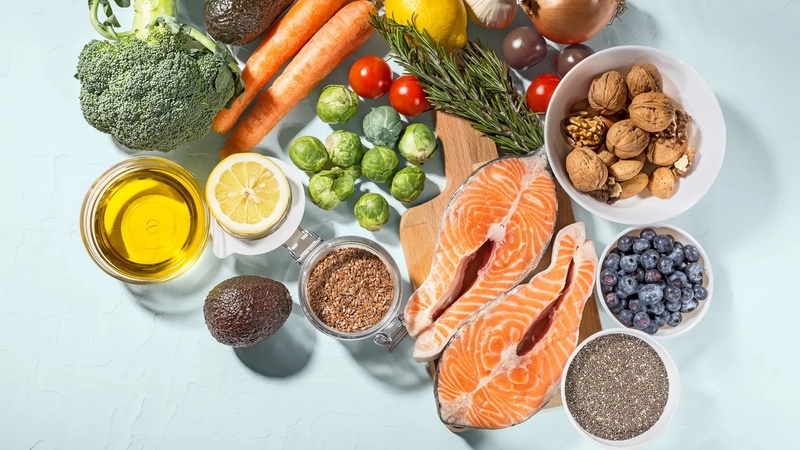
Characterized by a high intake of monounsaturated fatty acids (primarily from extra-virgin olive oil), vegetables, fruits, legumes, whole grains, nuts, and seeds; moderate intake of fish, poultry, and dairy; and low intake of red meat, processed meats, and refined sugars [1].
- Active Biomolecules: Oleic acid, polyphenols (e.g., oleocanthal, hydroxytyrosol), and carotenoids.
- Clinical Targets: Downregulation of systemic inflammatory cascades (IL-6, TNF-alpha) and optimization of HDL-subfraction efflux capacity [2].
¶ The DASH (Dietary Approaches to Stop Hypertension) Pattern
Emphasizes fruits, vegetables, whole grains, lean proteins (fish, poultry), and low-fat dairy, while strictly limiting sodium, saturated fat, and added sugars.
- Active Biomolecules: High potassium-to-sodium ratio, magnesium, and calcium.
- Clinical Targets: Reduction of systolic and diastolic blood pressure, comparable in magnitude to single-drug pharmacotherapy in hypertensive patients [3].
¶ Plant-Rich Whole Food (PRWF) Patterns
Focuses on minimally processed, cellular plant structures while allowing for flexible, moderate inclusion of high-quality animal proteins.
- Active Biomolecules: Soluble and insoluble dietary fibers, phytosterols, and prebiotics.
- Clinical Targets: Maintenance of diverse gut microbiomes, synthesis of short-chain fatty acids (SCFAs), and optimization of LDL clearance via upregulation of hepatic LDL receptors.
¶ 2. Chrononutrition & Meal Timing: The Circadian Scaffold
Chrononutrition is the strategic alignment of food intake with the body's internal 24-hour clock. The master clock in the suprachiasmatic nucleus (SCN) coordinates peripheral clocks in metabolic organs (liver, pancreas, skeletal muscle, adipose tissue) via hormonal and neural signaling [4].
[Suprachiasmatic Nucleus (SCN)]  ---> Coordinated by Light/Dark Cycle
         |
         v (Hormonal / Neural Signaling)
[Peripheral Clocks] (Liver, Pancreas, Skeletal Muscle)
         |
         +<--- Synchronized by Meal Timing (Chrononutrition)
         |
         v
[Optimized Insulin Sensitivity, Lipid Clearance & Autophagy]
¶ The Circadian Glycemic Curve
In humans, glucose tolerance and insulin sensitivity follow a distinct circadian rhythm, peaking in the morning and early afternoon, and reaching nadir during the biological night [4:1][5]. This is driven by several mechanisms:
- Beta-Cell Responsiveness: Glucagon-like peptide-1 (GLP-1) and insulin secretory responses to oral carbohydrate loads are significantly higher in the morning compared to the evening.
- Peripheral Insulin Sensitivity: Skeletal muscle GLUT4 transporter translocation in response to insulin is structurally upregulated during daytime hours.
- Nocturnal Melatonin-Insulin Crosstalk: Melatonin, secreted by the pineal gland to initiate sleep, binds to MT1/MT2 receptors on pancreatic beta-cells, acutely suppressing insulin secretion to prevent nocturnal hypoglycemia. Consuming carbohydrates late at night, when melatonin is elevated, results in exaggerated, prolonged postprandial glycemic excursions [5:1].
¶ Early vs. Late Time-Restricted Feeding (TRF)
Limiting food intake to a consistent, consolidated window of 8–10 hours during daylight hours forces a metabolic switch from glucose oxidation to fatty acid and ketone oxidation, while aligning metabolic activity with evolutionary circadian expectations [6][2:1].
- Early TRF (e.g., 8:00 AM – 4:00 PM / 10:00 AM – 6:00 PM): Demonstrates superior clinical outcomes, including larger drops in blood pressure, significant reductions in fasting insulin, and improved pancreatic beta-cell responsiveness compared to late eating windows [2:2].
- Late TRF (e.g., 12:00 PM – 8:00 PM): While more socially compliant, it can overlap with nocturnal melatonin secretion, slightly blunting the metabolic advantages of fasting.
- The Sleep-Food Gap: Crucially, the final meal of the day must be completed at least 3 hours prior to bedtime to prevent nocturnal blood glucose elevation, gastric acid reflux, and disruption of deep-sleep architecture [5:2].
¶ 3. Evidence & Human Effect Matrix
The clinical utility of diet architecture is supported by large-scale randomized controlled trials and prospective cohorts.
| Dietary Pattern / Timing | Clinical Population | Observed Effect Size | Certainty (GRADE) | Key Trials & Citations |
|---|---|---|---|---|
| Mediterranean Diet | High-risk primary prevention, secondary prevention | ↓ 30% Major Adverse Cardiovascular Events (MACE), ↓ 25% All-Cause Mortality | High | PREDIMED Study, Lyon Diet Heart Study [1:1] |
| DASH Diet Pattern | Adults with prehypertension or stage 1 hypertension | SBP: ↓ 5.5 to 11.5 mmHg, DBP: ↓ 3.0 to 5.5 mmHg within 8 weeks | High | DASH-Sodium Trial [3:1] |
| Time-Restricted Feeding (TRF - 16:8) | Overweight / Obese adults, metabolic syndrome | Fasting Insulin: ↓ 15–20%, Systolic Blood Pressure: ↓ 4–8 mmHg | Moderate | TREx Study, Cochrane Reviews [6:1][7] |
| Chrononutrition (Nocturnal Fasting) | Healthy adults, night shift workers | Fasting Glucose: ↓ 5–10 mg/dL, Glycemic Excursions: ↓ 15% | Moderate | Pilot Controlled Feeding Trials [8][9] |
| Plant-Rich Whole Foods | Adults with elevated LDL-C / ApoB | ApoB: ↓ 15–22%, LDL-C: ↓ 20–28% within 12 weeks (comparable to low-dose statins) | High | Portfolio Diet Trials [10] |
¶ 4. Age- and Sex-Specific Modifications
Dietary architecture is not a one-size-fits-all template. Biological sex and life stage dictate specific structural requirements.
¶ Biological Sex Considerations
- Women (Pre-menopausal): Nutritional architecture must support cyclic hormonal fluctuations. Prolonged, highly restrictive fasting windows (e.g., >16 hours daily) can activate the hypothalamic-pituitary-adrenal (HPA) axis, elevating cortisol and potentially suppressing gonadotropin-releasing hormone (GnRH), which manifests as menstrual irregularity. A gentler 12-to-14-hour fasting window is often recommended [5:3].
- Women (Post-menopausal): Estrogen decline accelerates muscle loss and shifts fat distribution to visceral depots. The architecture must aggressively prioritize protein intake (1.8–2.2 g/kg/day) combined with calcium-magnesium-potassium-dense DASH templates to preserve skeletal muscle and bone mineral density [11].
- Men (Young and Middle-Aged): Frequently exhibit higher visceral adiposity and elevated ApoB. The architecture should emphasize plant-derived sterols, soluble fibers, and high-polyphenol MUFAs (olive oil) to optimize lipid profiles and vascular endothelial health [10:1].
¶ Life Stage Variations
- Young Adults (Ages 18–35): Primary focus is metabolic flexibility, baseline lean mass accumulation, and establishing healthy behavioral design. Flexible TRF (10-hour window) and Mediterranean patterns support active lifestyle adaptations.
- Middle-Aged Adults (Ages 35–65): Transition state where subclinical metabolic dysregulation (insulin resistance, arterial stiffening) often emerges. Architecture should focus on glycemic control, sodium-to-potassium ratios, and minimizing processing-induced acellular structures.
- Older Adults (Ages 65+): Dominated by the clinical risk of sarcopenia, cognitive decline, and dehydration. Fasting windows should be relaxed (e.g., 12-hour overnight fast) to ensure sufficient eating windows for high-protein meals (30–45g protein per meal, 3–4 times daily) [7:1][11:1]. Hydration must be actively programmed due to diminished thirst perception [11:2].
¶ 5. Practical Implementation Protocols
To translate these principles into clinical practice, use the following tiered templates.
¶ The Starter Protocol (The 12:12 Base)
For patients transitioning from a standard western diet with unstructured eating habits.
- Establish the Window: Fast for 12 hours overnight (e.g., finish eating by 7:00 PM, eat breakfast at 7:00 AM).
- Hydration Anchor: Consume 500 mL of water upon waking.
- Meal Blueprint: Build each meal using the Healthy Eating Plate model [12]:
- 50% non-starchy vegetables (leafy greens, broccoli, peppers).
- 25% high-quality lean protein (salmon, chicken breast, tofu, eggs).
- 25% whole, intact carbohydrates (quinoa, wild rice, sweet potato).
- Fat Replacement: Swap butter, margarine, and refined vegetable oils for extra-virgin olive oil (2–3 tablespoons daily) [2:3].
¶ The Standard Longevity Protocol (The 14:10 Early-TRF)
For optimized metabolic switching, lipid clearance, and circadian alignment.
- Compress the Window: Eat between 9:00 AM and 7:00 PM (10-hour eating window, 14-hour fast).
- Morning Protein Anchor: Break the fast with a high-protein meal containing ≥35g of protein (e.g., whey isolate, Greek yogurt, or eggs) to trigger muscle protein synthesis [7:2].
- Nocturnal Gap: Conclude all calorie and beverage intake (excluding water or herbal tea) by 7:00 PM, ensuring a strict 3-to-4-hour window before sleep (assuming 10:00 PM or 11:00 PM bedtime) [5:4].
- Salt and Potassium: Limit sodium to <2300 mg/day while targeting >4000 mg/day of potassium from whole food sources (spinach, avocados, white beans, salmon) [3:2].
¶ The Advanced Precision Protocol (N-of-1 Driven)
Using continuous glucose monitoring (CGM) and biomarker data to dynamically refine the architecture [13][14].
- Biomarker Mapping: Establish baseline HbA1c, fasting insulin, fasting lipids (ApoB, LDL-C, Triglycerides), and hs-CRP.
- CGM Calibration: Wear a CGM for 14 days to calculate baseline mean glucose, time-in-range (TIR), and glycemic variability (standard deviation) [12:1].
- Carbohydrate Tolerance Test: Challenge the system with specific carb matrices (e.g., 50g of carbs from oats vs. white rice vs. sweet potato) at a consistent time of day. Document peak glucose and 2-hour clearance rate [14:1].
- Iterative Architecture:
- If glycemic excursion >140 mg/dL or glycemic variability is high, swap to lower-glycemic, higher-fiber plant structures.
- If ApoB is elevated (>80 mg/dL), reduce saturated fat sources (coconut oil, heavy dairy, fatty red meats) and increase soluble fiber (+10g/day) and extra-virgin olive oil [10:2].
¶ 6. Safety, Pitfalls, and Clinical Contraindications
While highly therapeutic, aggressive dietary restructuring carries distinct risks:
¶ Clinical Contraindications
- History of Eating Disorders: Restrictive eating windows or rigid meal tracking can trigger or exacerbate orthorexia, anorexia nervosa, or bulimia.
- Type 1 Diabetes and Insulin-Dependent Type 2 Diabetes: Fasting windows can induce severe hypoglycemia if exogenous insulin doses are not carefully adjusted under medical supervision.
- Advanced Chronic Kidney Disease (CKD): High-protein targets (e.g., >1.2 g/kg) and high-potassium DASH recommendations must be restricted to prevent hyperkalemia and uremic toxin accumulation [15].
¶ Common Pitfalls and Mitigation
- The "Compensatory Overeating" Trap: Restricting the eating window can lead to consuming highly processed, hyper-palatable foods during the eating phase due to extreme hunger. Mitigation: Ensure the first meal of the day is dense in protein, fiber, and healthy fats to stabilize appetite signaling.
- Dehydration and Electrolyte Depletion: During fasting, hepatic glycogen stores are depleted, leading to the excretion of water and bound sodium. Mitigation: Actively consume water and mineral-rich broths or non-caloric fluids during the fasting window.
- Social Isolation: Strict timing windows can impair social interaction and quality of life. Mitigation: Adopt a "flexible architecture" framework, allowing for 1–2 days per week of relaxed timing (e.g., on weekends) without clinical regression.
¶ 7. Decision Tree: Dietary Personalization
                          Are you over 65 years old?
                                  /       \
                             YES /         \ NO
                                /           \
       Target Sarcopenia Prevention:         Do you have a history of HPA
       - Relax fasting to 12:12               axis dysregulation or hypothalamic
       - Target 1.8-2.2 g/kg protein          amenorrhea?
       - High potassium/calcium /           /               \
                                       YES /                 \ NO
                                          /                   \
                        Target Cortisol Control:             Is your primary goal
                        - Relax fasting to 12:12             glycemic control or lipid
                        - Moderate complex carbs             optimization?
                        - Emphasize Mediterranean             /               \
                                                  Glycemia   /                 \ Lipid
                                                            /                   \
                                            Prioritize Early-TRF (14:10)      Prioritize Whole Plant Matrix
                                            - High soluble fiber              - Low saturated fat
                                            - Target HbA1c <5.3%              - EVOO & high sterols
¶ Frequently Asked Questions
Can I drink black coffee or tea during the fasting window?
Yes. Pure black coffee, green tea, or herbal teas without added sugar, milk, or cream do not significantly disrupt metabolic fasting. In fact, polyphenols in coffee and tea may synergistically enhance autophagy pathways.
How does the DASH diet reduce blood pressure so quickly?
The DASH diet's efficacy is driven by its high potassium, magnesium, and calcium content, coupled with low sodium. This mineral balance enhances endothelial nitric oxide synthase (eNOS) activity, promoting vasodilation, and improves renal sodium excretion, directly lowering arterial peripheral resistance.
What should I eat as my first meal to break a fast?
The first meal should break fasting cleanly and avoid a rapid insulin spike. Prioritize high-quality protein (such as eggs or a whey isolate shake) paired with healthy fats (such as avocado) and soluble fiber. Avoid consuming refined carbohydrates or simple sugars on an empty stomach.
Why is eating late at night associated with fat gain and metabolic dysfunction?
Late-night eating aligns food intake with the nocturnal phase of circadian rhythm when insulin sensitivity is at its lowest and melatonin is elevated. This causes prolonged postprandial blood sugar and lipid levels, promoting fat storage in visceral and ectopic tissues (such as the liver), rather than skeletal muscle utilization.
¶ Methods (Transparency)
This monograph was created by evaluating clinical consensus guidelines and meta-analyses.
Search Strategy: PubMed and the Cochrane Database of Systematic Reviews were searched for clinical guidelines, randomized controlled trials, and meta-analyses published up to 2026. Keywords: "Mediterranean diet cardiovascular prevention meta-analysis", "DASH diet blood pressure RCT", "time restricted feeding circadian human metabolic health", "chrononutrition insulin sensitivity melatonin human trials".
Evidence Grading: High-quality meta-analyses of RCTs (e.g., Cochrane reviews) and multi-center clinical trials (e.g., PREDIMED) were prioritized.
¶ References
¶ Update Log
- 2026-07-07: Initial creation of the Practical Diet Architecture monograph. Synthesized cardiovascular outcome data from major dietary templates with circadian chrononutrition timing models. Outlined age- and sex-specific parameters.
Martínez-González MA, Gea A, Ruiz-Canela M. The Mediterranean Diet and Cardiovascular Health. Circulation Research. 2019;124(5):779-798. https://pubmed.ncbi.nlm.nih.gov/30817261/ ↩︎ ↩︎
Alum EU, et al. Circadian nutrition and obesity: timing as a nutritional strategy. Journal of Health, Population, and Nutrition. 2025;44(1):41107910. https://pubmed.ncbi.nlm.nih.gov/41107910/ ↩︎ ↩︎ ↩︎ ↩︎
De Pergola G, D'Alessandro A. Influence of Mediterranean Diet on Blood Pressure. Nutrients. 2018;10(11):30405063. https://pubmed.ncbi.nlm.nih.gov/30405063/ ↩︎ ↩︎ ↩︎
Alotaibi W, et al. Chrononutrition and cardiometabolic health: circadian timing as a dimension of precision nutrition. Frontiers in Nutrition. 2026;13:42317866. https://pubmed.ncbi.nlm.nih.gov/42317866/ ↩︎ ↩︎
Reutrakul S, Simon SL, Wang Q, et al. Relationship Between Sleep and Meal Timing with Glycemia Parameters in Individuals with Obesity Participating in a Randomized Time-Restricted Eating Study. Nutrients. 2026;18(12):42280467. https://pubmed.ncbi.nlm.nih.gov/42280467/ ↩︎ ↩︎ ↩︎ ↩︎ ↩︎
Petridi F, Geurts JMW, Nyakayiru J, et al. Effects of Early and Late Time-Restricted Feeding on Parameters of Metabolic Health: An Explorative Literature Assessment. Nutrients. 2024;16(11):38892654. https://pubmed.ncbi.nlm.nih.gov/38892654/ ↩︎ ↩︎
Garegnani LI, Oltra G, Ivaldi D, et al. Intermittent fasting for adults with overweight or obesity. Cochrane Database of Systematic Reviews. 2026;2(2):CD015509. https://pubmed.ncbi.nlm.nih.gov/41692034/ ↩︎ ↩︎ ↩︎
Bohmke NJ, Barton B, Wiecek P, et al. Chronobiology of meal timing in early-stage hypertension: a controlled feeding pilot study investigating the effects on renal and vascular function. Journal of Applied Physiology. 2026;140(1):112-121. https://pubmed.ncbi.nlm.nih.gov/41379631/ ↩︎
Hamaya R, Li S, Lau J, et al. Long-Term Effect of Multivitamin Supplementation on Incident Self-Reported Hypertension and BP Changes in COSMOS. American Journal of Hypertension. 2026;39(4):307-316. https://pubmed.ncbi.nlm.nih.gov/41264477/ ↩︎
Thompson AS, Jennings A, Bondonno NP, et al. Plant-Based Diets, Ultra-Processed Foods, and Risks of Mortality and Major Chronic Diseases: A Prospective Cohort Study. The Lancet Regional Health - Europe. 2026;43:10294356. https://pubmed.ncbi.nlm.nih.gov/42294356/ ↩︎ ↩︎ ↩︎
ESPEN Guideline. Clinical nutrition and hydration in geriatrics. Clinical Nutrition. 2019;38(1):10-47. https://pubmed.ncbi.nlm.nih.gov/30005900/ ↩︎ ↩︎ ↩︎
Harvard T.H. Chan School of Public Health. The Nutrition Source – Healthy Eating Plate. https://www.hsph.harvard.edu/nutritionsource/healthy-eating-plate/ ↩︎ ↩︎
Potter TIT, Pepping F, Wanders AJ, et al. A series of N-of-1 dietary intervention studies with whole-grain foods and nuts reveals individual predictors of blood pressure and heart rate. European Journal of Clinical Nutrition. 2026;79(4):112-120. https://pubmed.ncbi.nlm.nih.gov/42049896/ ↩︎
Zhang K, Fu Y, Gou W, et al. Quantification of personalized glycemic sensitivity to food and its potential for precision nutrition in a series of n-of-1 trials. The American Journal of Clinical Nutrition. 2025;122(2):331-341. https://pubmed.ncbi.nlm.nih.gov/40754388/ ↩︎ ↩︎
Palmer SC, Maggo JK, Campbell KL, et al. Dietary interventions for adults with chronic kidney disease. Cochrane Database of Systematic Reviews. 2017;4(4):CD008182. https://pubmed.ncbi.nlm.nih.gov/28434208/ ↩︎