¶ Wearables (Biohacking)
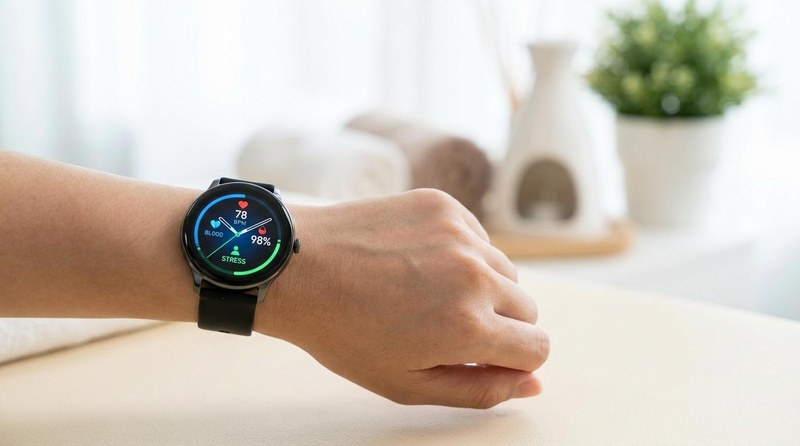
Wearable devices, including smartwatches, biometric rings, and chest patches, serve as non-invasive tools for continuous, remote physiological tracking in biohacking and clinical health research. By providing real-time data on sleep architecture, cardiovascular dynamics, and physical activity, these technologies enable personalized, data-driven wellness optimizations and clinical monitoring.
| Mechanism | Photoplethysmography (PPG), Accelerometry, Electrocardiography (ECG) |
| Key Metrics | Heart Rate (HR), Heart Rate Variability (HRV), Sleep Stages, Step Count |
| Protocol | Continuous, passive 24-hour longitudinal wear |
| Efficacy | High for HR/HRV trends; Moderate for Sleep Staging; Poor for Caloric Expenditure |
| FDA Class | Class II (for specific ECG/Afib/SpO2 algorithms), mostly unregulated consumer tech |
| Entry Cost | $100 - $500 (plus recurring subscription models) |
Consumer-grade wearables have shifted from basic step counters to sophisticated multi-sensor platforms capable of tracking autonomic nervous system tone, cardiac rhythms, and sleep architecture. While these devices provide valuable longitudinal data, understanding their underlying physiological models, technical parameters, and clinical limitations is critical for avoiding measurement artifacts and data overfitting.
¶ At a glance
Key points
- Ecological Baselines: Wearables excel at establishing individualized physiological baselines (such as nocturnal resting heart rate and heart rate variability) in a user's natural, free-living environment over months or years.
- Trend-Based Efficacy: Absolute values for metrics like sleep stages or daily energy expenditure vary significantly across devices. Clinicians and researchers should prioritize longitudinal trends and relative changes rather than point-in-time measurements.
- Algorithm Transparency and Validation: Many consumer devices rely on proprietary, closed-source algorithms that update without notice. Relying on independently validated devices and standardized protocols ensures clinical utility and replicability.
¶ Mechanism of Action
The clinical utility of consumer and research wearables depends on several core sensor modalities that translate physical phenomena into digital biomarkers:
¶ Photoplethysmography (PPG)
Photoplethysmography utilizes light-emitting diodes (LEDs)—typically green, red, or infrared—and photodetectors to measure volumetric changes in blood circulation within the microvascular tissue bed. As the heart beats, the pressure wave distends the local arteries and arterioles, altering the light absorption and reflection path.
Standard wrist-worn photoplethysmography-derived interbeat intervals show strong, validated correlations with standard ECG-derived R-R intervals for resting heart rate and heart rate variability (HRV) metrics [1]. Green light (approx. 525 nm) is widely used during waking hours because its shorter wavelength provides superior resistance to motion artifacts, whereas infrared light is preferred during sleep to minimize user disturbance and capture resting cardiac autonomic function [2].
¶ Accelerometry and Inertial Measurement Units (IMUs)
Micro-electromechanical systems (MEMS) accelerometers and gyroscopes track multi-axial movement, rotational velocity, and tilt. On-device processors apply digital filters and frequency analysis to distinguish stepping movement from idle gestures. However, step-counting accuracy is highly dependent on algorithm design. Periodicity detectors (such as windowed autocorrelation models) provide superior precision during walking compared to simple peak-detection algorithms, which are highly prone to false positives from non-ambulatory arm gestures [3].
¶ Single-Lead Electrocardiography (ECG)
Advanced smartwatches feature dry metallic electrodes integrated into the back crystal and bezel or crown, completing a Lead I circuit across the chest when the user touches the electrode with the opposite hand [4]. This allows for the recording of a 30-second single-lead tracing. Automated on-device algorithms classify these tracings into sinus rhythm, atrial fibrillation, or inconclusive states. While highly sensitive for arrhythmia screening in low-risk populations, these automated classifiers are susceptible to signal noise and pre-existing electrical anomalies.
¶ Cardiorespiratory Coupling and Machine Learning Sleep Staging
Modern sleep-tracking devices combine accelerometry with continuous PPG-derived autonomic markers. Because heart rate variability, respiratory rate, and vagal tone shift predictably across sleep stages—characterized by respiratory sinus arrhythmia during non-rapid eye movement (NREM) sleep—wearables use deep learning networks to infer sleep architecture. Continuous cardiorespiratory monitoring via a wearable chest patch has demonstrated the clinical feasibility of four-class sleep staging in home environments compared to reference electroencephalogram [5].
¶ Key Specifications and Parameters
When evaluating wearable devices for clinical research or personalized health protocols, several key technical and methodology parameters dictate their precision and reliability:
¶ Sensor Modality & Spectral Bands
- Green LED (525 nm): Optimal for active heart rate and heart rate recovery tracking; highly resistant to vascular depth variations.
- Red LED (660 nm) & Infrared LED (940 nm): Used for pulse oximetry (SpO2) using the ratiometric model of oxygenated and deoxygenated hemoglobin absorption.
- Electrodermal Activity (EDA): Measures transient changes in skin conductance induced by sympathetic nervous system-mediated sweat gland activation.
- Skin Temperature Sensors: Utilize thermistors to track distal peripheral temperature variations, serving as a surrogate for circadian rhythm shifts and ovulation windows [6].
¶ Sampling Frequency & Duty Cycle
Device battery constraints require a trade-off between sampling frequency and battery life. While research-grade accelerometers capture raw movement data at 30–100 Hz, consumer devices often downsample or employ duty-cycling (e.g., measuring HRV only during the first 5 minutes of every sleep hour or during deep sleep phases) to preserve power, which can obscure transient autonomic fluctuations.
¶ Validation Frameworks
To ensure methodological consistency, independent research networks have established standardized validation criteria. The INTERLIVE network has proposed standard validation checklists and methodological recommendations across key reporting domains to determine the validity of step counts in consumer wearables [7]. These frameworks guide researchers and consumers in evaluating target populations, criterion reference standards (such as manual step counts or research-grade actigraphy), data processing windows, and appropriate statistical analyses [7:1].
¶ Protocols and Integration
To transition wearable data from noise-heavy consumer logs to clinically actionable insights, users and clinicians should implement standardized measurement and behavior-change protocols:
¶ Wear Frequency and Behavioral Compliance
The behavioral benefit of wearables is closely tied to consistent device usage. Longitudinal cohort data from large subscriber databases indicates that wearing biometric monitors more frequently and maintaining week-to-week consistency is associated with progressive improvements in physiological baselines, including lower resting heart rate, higher heart rate variability, and increased sleep consistency, partially mediated by stabilized sleep patterns [8].
¶ Seated Frailty and Functional Screening
In outpatient geriatric or vascular surgery settings, wearables can provide rapid, objective functional assessments. A brief, seated 20-second upper-extremity function (UEF) protocol involving rapid elbow flexion, tracked by smartwatch-derived accelerometry and PPG sensors, can accurately assess motor metrics (such as angular speed and range of motion) and heart rate dynamics [9]. This seated smartwatch-based test demonstrates excellent test-retest reliability and strong agreement with medical-grade motion and ECG sensors, providing a scalable screening tool for frailty and postoperative risk stratification without requiring walking-based trials [9:1].
¶ Cardiovascular Rehabilitation Integration
Wrist-worn wearables have shown significant clinical utility when integrated into home-based cardiovascular rehabilitation programs. Randomized controlled trials have evaluated nurse-led, mobile health (mHealth)-based interventions that pair continuous activity tracking with structured behavioral coaching [10]. These programs have demonstrated clinical efficacy in chronic heart failure and congenital heart disease populations, leading to significant increases in daily step counts, 6-minute walk distances, and improvements in left ventricular ejection fraction and peak oxygen uptake (VO2 peak) [10:1][11].
¶ Data Protection and Compliance
Deploying wearables in clinical research or remote patient monitoring requires strict adherence to data protection regulations, such as GDPR and local privacy laws. Scalable telemonitoring systems must implement anonymous Internet of Things (IoT) data pipelines, transmitting biometric streams with unique, randomized hashes that are only re-identified behind secure, hospital-level firewalls [12]. This ensures patient privacy while maintaining continuous synchronization rates above 90% over extended clinical follow-up periods [12:1].
¶ Evidence Summary
The clinical and epidemiological evidence supporting the use of consumer wearables has expanded through massive longitudinal datasets and prospective validation trials:
¶ Large-Scale Epidemiological Insights
Analysis of massive datasets, such as Fitbit records from the All of Us Research Program spanning millions of days of tracking, has demonstrated the power of wearable-derived digital phenotyping [13]. These studies reveal that longer measurement windows (e.g., 6 months to 1 year) produce highly stable, robust disease-association models. Specifically, long-term step volume assessments show robust associations with a wide range of prevalent and incident chronic health conditions, including chronic pain and autoimmune disorders [13:1].
Furthermore, device-measured step volume and walking cadence demonstrate strong predictive power for primary hard outcomes. In older adult populations, daily step counts and walking cadence modestly improve 5-year all-cause mortality prediction models beyond traditional risk factors [14]. In clinical cohorts, step-based metrics measured near diagnosis can predict future health-related fitness and patient-reported quality of life, allowing clinicians to risk-stratify patients and tailor survivorship care plans [15].
¶ Cardiovascular Risk and Arrhythmia Screening
The dose-response relationship between daily physical activity and cardiovascular risk has been extensively quantified using wrist-worn accelerometers. In patients with pre-existing hypertension, longitudinal tracking demonstrates non-linear inverse dose-response associations, where incremental 1000-step increases in daily volume (up to a plateau near 10,000 steps/day) are associated with substantial reductions in major adverse cardiovascular events (MACE), including significant risk reductions for heart failure and stroke [16].
For arrhythmia screening, the landmark Apple Heart Study (enrolling over 419,000 participants) demonstrated that passive PPG-based irregular pulse notification algorithms could identify undiagnosed atrial fibrillation at scale [17][18]. Among participants who received irregular rhythm notifications, subsequent ambulatory ECG patch monitoring confirmed the presence of atrial fibrillation in 34% of cases, with a positive predictive value of 84% for simultaneous smartwatch notifications and ECG recordings [17:1]. However, automated smartwatch algorithms can generate inconclusive results, and manual review of single-lead ECG tracings by trained clinicians remains essential, resolving up to 99% of inconclusive files in clinical validation studies [19].
¶ Metabolic and Sleep Architecture Limitations
While wearables demonstrate high accuracy for resting heart rate and step counting under controlled conditions, their performance in tracking metabolic demands and complex sleep stages is more variable. During exercise, commercial smartwatches accurately track heart rate during both endurance and resistance training, but they consistently exhibit poor accuracy and significant under- or overestimation of energy expenditure (calories burned), particularly during resistance exercises [20][21].
For sleep tracking, consumer sleep wearables track total sleep duration and sleep-wake patterns with moderate consistency, though they demonstrate parameter-specific biases and limited agreement in multi-class sleep staging compared to home polysomnography [22]. Validation studies against gold-standard PSG show that devices like the Apple Watch may underestimate light sleep and overestimate REM sleep, while Fitbit devices tend to overestimate light sleep and underestimate deep sleep [22:1]. Thus, sleep-stage charts should be interpreted as approximate indicators of relative sleep architecture shifts rather than precise, clinical-grade assessments [22:2][23].
¶ Evidence summary table (human outcomes)
| Outcome / Goal | Effect* | Consistency** | Evidence quality | Trials*** | Notes (population, duration, dose) |
|---|---|---|---|---|---|
| Cardiorespiratory Sleep Staging | Moderate | Moderate | 1 Clinical Trial | Continuous cardiorespiratory monitoring via a wearable chest patch has demonstrated the clinical feasibility of four-class sleep staging in home environments compared to reference electroencephalogram [5:1]. | |
| Obstructive Sleep Apnea Prediction | Moderate | Moderate | 2 Cohort Studies | Algorithms processing consumer-wearable sleep characteristics (such as stage percentages and sleep duration) demonstrate the feasibility of predicting moderate-to-severe obstructive sleep apnea (OSA) for screening purposes [24][25]. | |
| Resting HRV & HR Agreement | High | High | 3 Validation Studies | Standard wrist-worn photoplethysmography-derived interbeat intervals show strong, validated correlations with standard ECG-derived R-R intervals for resting heart rate and heart rate variability (HRV) metrics [1:1][26]. | |
| Cardiovascular Event (MACE) Risk | High | High | Large Cohort (36,192 pts) | Every 1000-step increase up to 10,000 steps/day associated with 17.1% lower MACE risk, 22.4% lower HF risk, and 24.5% lower stroke risk in hypertensive adults [16:1]. | |
| All-Cause Mortality Prediction | Moderate | Moderate | 2 Cohort Studies | In older adult populations, daily step counts and walking cadence modestly improve 5-year all-cause mortality prediction models beyond traditional risk factors [14:1][27]. | |
| Atrial Fibrillation Detection | High | Moderate | Large Clinical Trials | Apple Heart Study (419,000+ subjects) validated passive PPG-based irregular pulse notification algorithms for atrial fibrillation screening [17:2][18:1]. | |
| Acute Hyperglycemia Detection | Moderate | Low | 1 Cohort Study | Research has explored using machine learning models on wearable ECG waveforms and heart rate variability features to non-invasively detect acute hyperglycemic trends by aligning data to individual physiological response delays [28]. | |
| Step Count Validation | High | High | Systematic Review (85 studies) | The INTERLIVE network has proposed standard validation checklists and methodological recommendations across key reporting domains to determine the validity of step counts in consumer wearables [7:2]. |
- *Effect: Number of arrows (1-3) indicates magnitude. Direction: ↑ (increase), ↓ (decrease), = (no effect), ? (unclear). Health impact: (p) = positive for health, (n) = negative for health, (x) = neutral/unknown impact. Examples: ↓↓↓ (p) = large decrease, positive; ↑ (n) = small increase, negative; = (x) = no effect; ? = unclear.
- *Compact renderer encoding:
e="[dir][mag][impact]"wheredir=u|d|e|q,mag=0|1|2|3,impact=p|n|x. Examples:↓↓ (p)->e="d2p",= (x)->e="e0x",?->e="q0x". - IMPORTANT: If using the compact renderer encoding, do NOT include the text arrows or parentheses next to it. Just use the tag.
- **Consistency: Low (results conflict), Moderate (mixed but leaning one way), High (most trials agree)
- ***Trials: Number of RCTs or total trials informing this outcome (shows evidence depth at a glance)
- REQUIRED: You MUST include a citation key (e.g.
[^1]) in the "Notes" column for every single row. If you claim a result, you must link the specific Meta-Analysis or Key RCT that proves it.
¶ Safety and Biocompatibility
Ensuring the functional safety and biocompatibility of wearable devices is crucial for long-term on-body application:
¶ Skin Receptivity and Sensor Biocompatibility
The continuous contact of smart device sensors with human skin can induce irritation, contact dermatitis, or localized inflammation, especially in the presence of sweat or moisture. Advanced electrochemical and biophysical sensors often utilize screen-printed metallic conductive inks (such as silver/silver chloride or carbon) on flexible substrates to read electrical potentials or analyze dermal biomarkers.
Mechanistic studies reveal that the material composition of these sensors significantly impacts biocompatibility. Non-encapsulated printed silver ink-based sensors exhibit significant silver ion (Ag+) leaching that can reduce cell viability, whereas implementing physical encapsulation barriers substantially improves sensor biocompatibility and reduces leaching [29]. Carbon-based inks, conversely, show negligible effects on cell viability, underscoring the importance of protective physical encapsulation layers in wearable sensor fabrication to prevent cellular inflammatory responses during extended wear [29:1].
¶ ECG Algorithms and Baseline Cardiac Anomalies
Automated single-lead ECG rhythm classifiers on smart devices are designed to detect atrial fibrillation by evaluating R-R interval irregularity. However, these automated algorithms are highly susceptible to pre-existing baseline ECG anomalies. Clinical trials in tertiary centers show that conduction delays (such as bundle branch blocks), low voltage, premature atrial or ventricular complexes, and ventricular pacing significantly increase the odds of a device returning an "inconclusive" result [30].
Among patient populations with cardiac implantable electronic devices (CIEDs), unipolar pacing modes bear a high risk of false triggering in the detection algorithms of wearable cardioverter-defibrillators (WCDs), as the unipolar pacing spikes can mimic ventricular tachyarrhythmias and lead to inappropriate shock warnings [31]. Bipolar pacing modes, conversely, do not carry this risk and do not mislead WCD detection algorithms, highlighting the critical need to reprogram CIEDs to bipolar configurations before initiating WCD therapy [31:1].
¶ Psychological Overfitting and Anxiety
Continuous exposure to real-time physiological alerts can induce a negative psychological feedback loop. Users can develop sleep-related anxiety ("orthosomnia") by obsessing over imperfect deep-sleep or REM-sleep stage durations reported by their device, despite maintaining normal daytime cognitive function. Similarly, acute changes in resting HRV can trigger unnecessary stress, which in turn suppresses parasympathetic activity, exacerbating the physiological decline. Users should evaluate weekly or monthly rolling averages to contextualize baseline variations [32].
¶ Privacy, Data Ownership & Security
Consumer wearables generate massive quantities of high-frequency, longitudinal health data. However, because these devices are classed as consumer electronics rather than medical devices, they operate outside the regulatory protections of standard clinical data-privacy frameworks (such as HIPAA). This creates significant privacy and data-security challenges:
¶ Data Ownership & Governance
In most consumer wearable ecosystems, the user does not have absolute ownership of the raw biometric data. Under standard terms of service, users typically grant manufacturers a perpetual, royalty-free license to aggregate, de-identify, and utilize their physiological data for algorithm training and commercial research. While users can often download a summarized export (e.g., CSV or JSON), accessing the high-resolution raw sensor data (such as raw photoplethysmography or accelerometer waveforms) is frequently restricted or monetized via proprietary APIs.
¶ Cloud Synchronization Requirements & Local Storage
The vast majority of modern wearables cannot function in a standalone, localized environment.
- Continuous Syncing: Devices require continuous or periodic bluetooth synchronization with a companion smartphone application. These applications, in turn, mandate active internet connections to transmit raw data packets to proprietary cloud servers where the primary algorithmic processing (e.g., sleep staging, readiness scoring, HRV extraction) occurs.
- Offline Limitations: If operated entirely offline, these devices suffer from limited on-board storage capacity (typically ranging from 3 to 14 days of raw data), after which older data is permanently overwritten. Further, because the primary machine learning models reside on cloud servers rather than on-device, offline status prevents the generation of sleep, recovery, or strain metrics.
¶ Subscription Lock-Ins and Paywalled Biometrics
The business models of several prominent wearable manufacturers have shifted toward hardware-as-a-service (HaaS), introducing substantial ongoing subscription lock-ins:
- Whoop: Requires a continuous subscription ($16 to $30/month) to access the application and any biometric data; if the subscription lapses, the hardware becomes entirely non-functional.
- Oura Ring: Locks advanced features—including sleep staging details, daily readiness scores, and long-term trend analysis—behind a monthly subscription paywall ($5.99/month), restricting non-subscribers to basic daily scores.
- Fitbit Premium: Restricts detailed sleep profile analytics, historical HRV trends, and advanced stress scores to a premium tier ($9.99/month), demonstrating how fundamental physiological tracking has been increasingly financialized.
¶ Third-Party Data Sharing & Commercial Exploitation
Because consumer wearables are not bound by clinical data-privacy regulations, data security relies entirely on the manufacturer's privacy policy.
- Commercial Aggregation: Consumer health insights represent highly valuable assets for third-party brokers, including health insurance providers, pharmaceutical companies, and data-marketing firms. If a user connects their wearable to corporate wellness programs or opt-in research portals, their de-identified or aggregated physiological markers may be shared or sold.
- Data Breaches & Legal Access: Cloud-synchronized health databases are lucrative targets for cyberattacks. Furthermore, wearable data (such as GPS tracks, heart rate logs, and sleep timestamps) can be subpoenaed and used in legal proceedings, demonstrating that personal biometric history is not legally privileged.
¶ FAQ
¶ Can consumer wearables diagnose sleep disorders like sleep apnea?
No. While consumer sleep devices are helpful for longitudinal screening, they cannot replace clinical polysomnography (PSG). However, machine learning algorithms processing wearable-derived sleep characteristics show high accuracy in predicting moderate-to-severe obstructive sleep apnea (OSA), serving as an effective clinical triage tool to prioritize high-risk patients for diagnostic sleep studies [24:1][25:1].
¶ How accurate are wearables for tracking calories burned (energy expenditure)?
Generally very poor. Across all major commercial brands, validation studies against gold-standard indirect calorimetry demonstrate that wearables consistently fail to provide accurate energy expenditure estimates during both resting states and active exercise protocols [21:1]. Estimates are particularly inaccurate during resistance training and variable-intensity workouts, where error rates can exceed 20% to 40% [20:1]. Calories burned should not be used as a primary guide for nutritional or metabolic programming.
¶ Is the ECG feature on my smartwatch as reliable as a clinical ECG?
For atrial fibrillation screening, yes. Automated smartwatch algorithms have demonstrated high specificity and sensitivity in large-scale validation studies [17:3]. However, these classifiers cannot detect complex abnormalities such as myocardial ischemia, QT prolongation, or heart blocks. Additionally, any baseline anomalies (such as conduction delays or low voltage) significantly increase the rate of inconclusive tracings, necessitating a manual cardiologist review of the raw single-lead strip [30:1][19:1].
¶ References
Zuern CS, Felkel M, Tilquin F. Validation of photoplethysmography-derived short-term heart rate variability using a wearable device. Scientific reports. 2026 May 18;16:42151374. https://pubmed.ncbi.nlm.nih.gov/42151374/ ↩︎ ↩︎
Gupta S, Mahmoud A, Massoomi MR. A Clinician's Guide to Smartwatch "Interrogation". Current cardiology reports. 2022 May 30;24(8):995-1009. https://pubmed.ncbi.nlm.nih.gov/35635678/ ↩︎
Salvi D, Caramaschi S, Sarmiento CA, Sekules V, Olsson CM, Angelucci A. Benchmarking open-source step counting algorithms for wrist-worn devices. Annual International Conference of the IEEE Engineering in Medicine and Biology Society. 2025 Jul. https://pubmed.ncbi.nlm.nih.gov/41335822/ ↩︎
Isakadze N, Martin SS. How useful is the smartwatch ECG? Trends in cardiovascular medicine. 2020 Oct;30(7):442-448. https://pubmed.ncbi.nlm.nih.gov/31706789/ ↩︎
Davidson S, Carter JF, Stanyer EC. Longitudinal cardiorespiratory wearable sleep staging in the home. Frontiers in neuroscience. 2026;19:1693860. https://pubmed.ncbi.nlm.nih.gov/41782921/ ↩︎ ↩︎
Thigpen N, Patel S, Zhang X. Oura Ring as a Tool for Ovulation Detection: Validation Analysis. Journal of medical Internet research. 2025 Jan 31;13(1):39889300. https://pubmed.ncbi.nlm.nih.gov/39889300/ ↩︎
Johnston W, Judice PB, Molina García P. Recommendations for determining the validity of consumer wearable and smartphone step count: expert statement and checklist of the INTERLIVE network. British journal of sports medicine. 2021 Jul;55(13):33361276. https://pubmed.ncbi.nlm.nih.gov/33361276/ ↩︎ ↩︎ ↩︎
Grosicki GJ, Fielding F, Kim J. Wearing WHOOP More Frequently Is Associated with Better Biometrics and Healthier Sleep and Activity Patterns. Sensors (Basel, Switzerland). 2025 Apr 12;25(8):40285124. https://pubmed.ncbi.nlm.nih.gov/40285124/ ↩︎
Hosseinalizadeh M, Asghari M, Ehsani H, Chaudhary A, Nikolich J, Toosizadeh N. Validity and reliability of smartwatch-based upper-extremity function and heart rate assessment in outpatient older adults. Archives of gerontology and geriatrics. 2026 Oct;149:106306. https://pubmed.ncbi.nlm.nih.gov/42190356/ ↩︎ ↩︎
Chang FL, Liu TJ, Cheng YT, Lo C, Lin YP, Lu LH. Nurse-Led Home-Based Mobile Health Cardiac Rehabilitation Program for Patients With Chronic Heart Failure: A Randomized Controlled Trial. ANS. Advances in nursing science. 2026 Jul 7. https://pubmed.ncbi.nlm.nih.gov/42406604/ ↩︎ ↩︎
Li Y, Zhou Y, Zhang Y. Effectiveness of a nurse-led, mHealth-based cardiac rehabilitation program on cardiorespiratory fitness and physical activity in youth with congenital heart disease: A randomized controlled trial. International journal of nursing studies. 2026 May;152:41690191. https://pubmed.ncbi.nlm.nih.gov/41690191/ ↩︎
Bin KJ, De Pretto LR, Sanchez FB. Digital Platform for Continuous Monitoring of Patients Using a Smartwatch: Longitudinal Prospective Cohort Study. JMIR formative research. 2023 Sep 12;7:37698916. https://pubmed.ncbi.nlm.nih.gov/37698916/ ↩︎ ↩︎
Fulda ES, Waxse BJ, Goleva SB. 11 million days of longitudinal wearable data reveal novel future health insights. medRxiv : the preprint server for health sciences. 2026 Jan 30. https://pubmed.ncbi.nlm.nih.gov/41646750/ ↩︎ ↩︎
Harper C, Sturge AD, Chan S. Predictive performance of wearable sensors for mortality risk in older adults: a model development and validation study. medRxiv : the preprint server for health sciences. 2025 Apr 4. https://pubmed.ncbi.nlm.nih.gov/40568664/ ↩︎ ↩︎
Matthews CE, Vallance J, McNeil J. Can Step-Based Metrics Predict Current and Future Health-Related Fitness and Patient-Reported Outcomes among Women Diagnosed with Breast Cancer? Medicine and science in sports and exercise. 2026 Jan 1. https://pubmed.ncbi.nlm.nih.gov/40903012/ ↩︎
Cheng SWM, Raaj KB, Koemel NA, O'Sullivan JF, Sabag A, Ahmadi MN, Stamatakis E. Prospective associations of daily step count and stepping intensity with overall and type-specific major adverse cardiovascular events in people with hypertension. European journal of preventive cardiology. 2025 Aug 6. https://pubmed.ncbi.nlm.nih.gov/40795029/ ↩︎ ↩︎
Perez MV, Mahaffey KW, Hedlin H, Rumsfeld JS, Garcia A, Ferris T, Balasubramanian V, Russo AM, Rajmane A, Cheung L, Hung G, Lee J, Kowey P, Talati N, Nag D, Gummidipundi SE, Bullme A, Lee J, Albert C, Granger CB, Turakhia MP. Large-Scale Assessment of a Smartwatch to Identify Atrial Fibrillation. The New England journal of medicine. 2019 Nov 14;381(20):31722151. https://pubmed.ncbi.nlm.nih.gov/31722151/ ↩︎ ↩︎ ↩︎ ↩︎
Turakhia MP, Desai M, Hedlin H. Rationale and design of a large-scale, app-based study to identify cardiac arrhythmias using a smartwatch: The Apple Heart Study. American heart journal. 2019 Jan;207:30392584. https://pubmed.ncbi.nlm.nih.gov/30392584/ ↩︎ ↩︎
Mannhart D, Lischer M, Knecht S. Clinical Validation of 5 Direct-to-Consumer Wearable Smart Devices to Detect Atrial Fibrillation: BASEL Wearable Study. JACC. Clinical electrophysiology. 2023 Feb;9(2):36858690. https://pubmed.ncbi.nlm.nih.gov/36858690/ ↩︎ ↩︎
Lee TH, Jun DU, Bae JY. Comparative Validity of Smartwatch-Derived Heart Rate and Energy Expenditure During Endurance and Resistance Exercise. Sensors (Basel, Switzerland). 2026 Apr 19;26(8):42076635. https://pubmed.ncbi.nlm.nih.gov/42076635/ ↩︎ ↩︎
Shcherbina A, Mattsson CM, Waggott D. Accuracy in Wrist-Worn, Sensor-Based Measurements of Heart Rate and Energy Expenditure in a Diverse Cohort. Journal of personalized medicine. 2017 May 24;7(2):28538708. https://pubmed.ncbi.nlm.nih.gov/28538708/ ↩︎ ↩︎
Alhejaili F, Alshumrani R, Alamoudi W, Wali S, Bamagoos A, Wazira L, Ahmad H, Azab E, Banjer H, Alzahrani A, Baghdadi E, Gozal D. Performance of three consumer sleep-tracking devices compared with Actigraphy and Polysomnography. Sleep medicine. 2026 Jun 4;146:109059. https://pubmed.ncbi.nlm.nih.gov/42258963/ ↩︎ ↩︎ ↩︎
Miller DJ, Sargent C, Roach GD. A Validation of Six Wearable Devices for Estimating Sleep, Heart Rate and Heart Rate Variability in Healthy Adults. Sensors (Basel, Switzerland). 2022 Aug 22;22(16):36016077. https://pubmed.ncbi.nlm.nih.gov/36016077/ ↩︎
Ng HKT, Nguyen U, Akbulut Y. Predicting the Apnea-Hypopnea index for the diagnosis of obstructive sleep apnea with cardiovascular and cancer comorbidity using wearable sleep-tracking devices. Sleep & breathing = Schlaf & Atmung. 2026 Feb 7. https://pubmed.ncbi.nlm.nih.gov/41653357/ ↩︎ ↩︎
Kim D, Han JY, Jung H. AI‑Enhanced Smartwatch AHI Estimation and AI‑Scored Polysomnography for Obstructive Sleep Apnea: Real‑World Validation. Nature and science of sleep. 2025;17:41018852. https://pubmed.ncbi.nlm.nih.gov/41018852/ ↩︎ ↩︎
Nuuttila OP, Korhonen E, Laukkanen J. Validity of the Wrist-Worn Polar Vantage V2 to Measure Heart Rate and Heart Rate Variability at Rest. Sensors (Basel, Switzerland). 2021 Dec 26;21(24):35009680. https://pubmed.ncbi.nlm.nih.gov/35009680/ ↩︎
Tabacu L, Ledbetter M, Leroux A. Quantifying the Varying Predictive Value of Physical Activity Measures Obtained from Wearable Accelerometers on All-Cause Mortality over Short to Medium Time Horizons in NHANES 2003-2006. Sensors (Basel, Switzerland). 2020 Dec 22;20(24):33374911. https://pubmed.ncbi.nlm.nih.gov/33374911/ ↩︎
Ha J, Hwang HB, Kim H. Noninvasive Detection of Acute Hyperglycemia Using Signal from Wearable ECG Sensors Considering Individual HRV Response Delays to Glucose. Biosensors. 2026 Apr 29;16(5):42187447. https://pubmed.ncbi.nlm.nih.gov/42187447/ ↩︎
Bhushan P, Kamat V, Abrol I. Bio-acceptability of wearable sensors: a mechanistic study towards evaluating ionic leaching induced cellular inflammation. Scientific reports. 2022 Jun 24;12:35750697. https://pubmed.ncbi.nlm.nih.gov/35750697/ ↩︎ ↩︎
Isenegger C, Mannhart D, Weidlich S, Brügger J, Serban T, Jordan F, Krisai P, Knecht S, Schaerli N, Subin B, Mosher L, du Fay de Lavallaz J, Schaer B, Mahfoud F, Kühne M, Sticherling C, Badertscher P. Inconclusive Single-Lead ECGs From Smart-Devices: Impact of Baseline ECG Anomalies. JACC. Clinical electrophysiology. 2025 Sep;11(9):10.1016/j.jacep.2025.04.027. https://pubmed.ncbi.nlm.nih.gov/40536450/ ↩︎ ↩︎
Schmitt J, Abaci G, Johnson V. Safety of the Wearable Cardioverter Defibrillator (WCD) in Patients with Implanted Pacemakers. Pacing and clinical electrophysiology : PACE. 2017 Mar;40(3):27943296. https://pubmed.ncbi.nlm.nih.gov/27943296/ ↩︎ ↩︎
Shei RJ, Holder IG, Oumsang AS. Wearable activity trackers-advanced technology or advanced marketing? European journal of applied physiology. 2022 Sep;122:35445837. https://pubmed.ncbi.nlm.nih.gov/35445837/ ↩︎