¶ Bloating
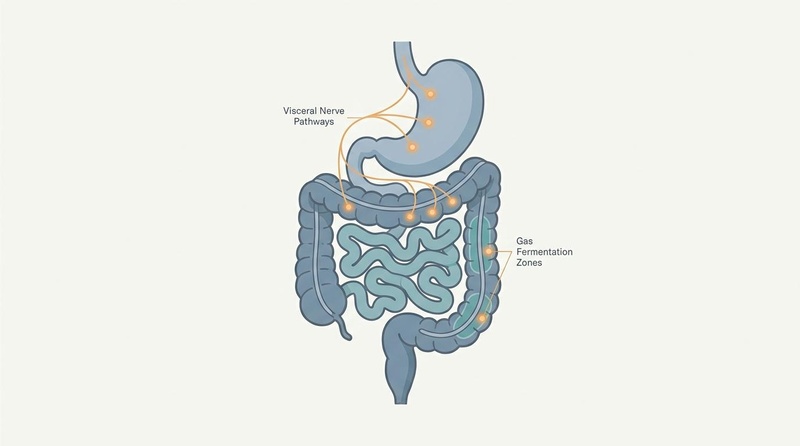
| Condition Class | Functional Bowel Disorder (FBD) |
| Primary Types | Bloating (Subjective) vs Distension (Objective) |
| Diagnostic Criteria | Rome IV (Functional Bloating/Distension) |
| Key Bio-Mechanisms | Abdominophrenic Dyssynergia, Visceral Sensation |
| First-Line Therapy | Low-FODMAP Diet, Biofeedback, Motility Agents |
| Prevalence | 15–30% of the general population |
Abdominal bloating (the subjective sensation of increased intra-abdominal pressure, gas, or fullness) and abdominal distension (the objective, visible increase in abdominal girth) are exceptionally common gastrointestinal complaints [1]. Rather than being merely a consequence of "excess gas," functional bloating and distension are complex clinical entities driven by visceral hypersensitivity, impaired intestinal gas transit, dysbiosis, and neuromuscular dysregulation of the abdominal wall [1:1][2].
¶ TL;DR
- Bloating vs. Distension: Bloating is a subjective sensory symptom of pressure; distension is an objective, visible expansion of the abdomen [1:2]. They often overlap but have distinct pathophysiological mechanisms [2:1][3].
- Neuromuscular Dysregulation is Key: Chronic visible distension is frequently mediated by abdominophrenic dyssynergia (paradoxical descent of the diaphragm and relaxation of the anterior abdominal wall in response to normal gas volumes) [4][5].
- Dietary FODMAP Restriction is First-Line: Restricting fermentable oligosaccharides, disaccharides, monosaccharides, and polyols (FODMAPs) highly effectively reduces gas production and osmotic water retention in the lumen [6][7].
- Biofeedback Targets the Core Muscle Defect: Diaphragmatic breathing and wall-motion-guided biofeedback are highly effective clinical therapies for restoring correct abdominophrenic coordination and reducing girth [4:1].
- Look for Under-recognized Organic Causes: Rule out small intestinal bacterial overgrowth (SIBO), celiac disease, exocrine pancreatic insufficiency, and pelvic floor dyssynergia before diagnosing functional bloating [2:2][8][9].
¶ Quick Answer
The clinical management of functional abdominal bloating and distension requires differentiating between a subjective excess of gas (bloating) and a muscular coordination failure (distension) [1:3][3:1]. While bloating is primarily addressed by limiting dietary fermentation (the Low-FODMAP diet) and managing visceral hypersensitivity (low-dose tricyclic antidepressants), visible abdominal distension requires retraining the somatic abdominal musculature [6:1][10]. The principal mechanism behind functional distension is abdominophrenic dyssynergia: when a normal volume of gas enters the gut, the patient’s diaphragm paradoxically contracts and descends, while the anterior abdominal wall muscles relax and protrude [5:1][11]. Effective therapy for this muscular coordination failure utilizes thoracoabdominal biofeedback and diaphragmatic breathing to retrain somatic muscle patterns [4:2].
¶ Layer 1: The Executive Dashboard
¶ At a Glance
Functional Abdominal Bloating and Distension (FABD) represents a spectrum of functional bowel disorders characterized by recurrent pressure sensations or abdominal expansion [1:4]. It is highly prevalent, affecting up to 30% of adults globally [1:5]. For patients seeking relief, the primary clinical focus must shift from simple gas absorption to a multi-modal paradigm addressing dietary fermentation, gut motility, pelvic floor mechanics, and somatic abdominal reflexes [2:3][3:2].
¶ Safety "Traffic Light"
- GREEN (Go): Safe to initiate first-line dietary modifications (Low-FODMAP elimination), gentle soluble fiber supplementation (PHGG), and daily diaphragmatic breathing for patients presenting with classic diurnal bloating (morning flatness, evening distension) without alarm symptoms [4:3][12][6:2].
- YELLOW (Caution): Conduct a targeted medical evaluation prior to starting intensive antimicrobial therapy, high-dose prokinetics, or biofeedback if the patient has a history of chronic constipation, suspected pelvic floor dyssynergia, or mild-to-moderate IBS symptoms [13][14][15].
- RED (Contraindication): Do NOT pursue simple functional management; immediately refer for advanced diagnostic imaging, pelvic ultrasound, or endoscopy if "Red Flag" symptoms are present (new-onset progressive postmenopausal bloating, unexplained weight loss, night sweats, positive fecal occult blood, or persistent vomiting) [1:6][2:4][16].
¶ Protocol Card: Diagnostic and Therapeutic Escalation
+-----------------------------------------------------------------------------------------+
| CLINICAL INTERVENTION PROTOCOL: RECURRENT BLOATING & DISTENSION                        |
+-----------------------------------------------------------------------------------------+
| PHASE 1: DIETARY & MOTILITY BASELINE (Weeks 1-4)                                        |
| • Low-FODMAP Elimination: Strictly restrict high-fermentation carbs [^10][^11].         |
| • Soluble Fiber: Partially Hydrolyzed Guar Gum (PHGG) @ 5 g/day in water [^8].          |
| • Posture & Pacing: Ingest meals sitting upright; chew slowly (reduce aerophagia).       |
|                                                                                         |
| PHASE 2: SOMATOSENSORY RETRAINING (Weeks 5-8)                                           |
| • Diaphragmatic Breathing: 10-15 mins twice daily (post-meals) to reverse dyssynergia [^4].|
| • Pelvic Floor Biofeedback: Retrain puborectalis coordination if constipated [^23][^24].|
|                                                                                         |
| PHASE 3: CLINICAL ESCALATION (Refractory Cases)                                         |
| • Hydrogen/Methane SIBO Treatment: Rifaximin 550 mg TID for 14 days [^12].              |
| • Motility Support: Prucalopride 1-2 mg orally once daily at bedtime [^13].             |
| • Visceral Neuromodulation: Amitriptyline 10-25 mg orally at bedtime [^14].             |
+-----------------------------------------------------------------------------------------+
¶ Bottom Line
Chronic bloating and visible distension are not caused by an absolute excess of gas, but by a combination of visceral hypersensitivity (perceiving normal gas volumes as painful pressure) and abdominophrenic dyssynergia (a coordination failure of the diaphragm and abdominal wall) [1:7][5:2]. Effective clinical recovery requires restricting fermentable substrates, optimizing intestinal transit, and utilizing biofeedback or neuromodulators to retrain the gut-brain-somatic axis [4:4][10:1][3:3].
¶ Layer 2: The Contextual Narrative
¶ The "Why" (Symptom Burden & Impact)
The burden of functional bloating and distension extends far beyond physical discomfort. Patients suffer from impaired quality of life, restricted clothing choices, body dysmorphia, and avoidance of social settings. Clinically, the first and most critical step is distinguishing between subjective bloating (a sensory phenomenon of pressure) and objective distension (a physical increase in abdominal girth) [1:8][3:4]. While subjective bloating represents a sensory processing error of the enteric nervous system (visceral hypersensitivity), visible distension represents a somatic muscular coordination failure that can be physically demonstrated and retrained [4:5][5:3].
¶ Pathophysiological Phenotypes & Drivers
Understanding the specific biological drivers of bloating is essential for designing targeted therapeutic strategies. Rather than treating bloating as a single condition, clinicians must identify which of the following seven overlapping pathophysiological phenotypes predominate in each patient:
                  +----------------------------------------------+
                  |  Gastrointestinal Gas and Fluid Equilibrium  |
                  +----------------------------------------------+
                                         |
         +-------------------------------+-------------------------------+
         |                                                               |
+--------v------------------------+                             +--------v------------------------+
|      Primary Inflow Sources     |                             |     Primary Outflow Pathways    |
+---------------------------------+                             +---------------------------------+
| 1. Aerophagia (Swallowed Air)   |                             | 1. Eructation (Belching)        |
| 2. Intestinal Fermentation      |                             | 2. Pulmonary Absorption/Exhalation|
| 3. Gastric Acid/HCO3 Reaction   |                             | 3. Colonic Consumption          |
| 4. Osmotic Fluid Draw           |                             | 4. Flatus Elimination           |
+---------------------------------+                             +---------------------------------+
¶ 1. Microbiome Fermentation Mechanics
In healthy individuals, colonic bacteria digest complex fibers, producing short-chain fatty acids (SCFAs) and gases such as hydrogen (), carbon dioxide (), and methane () [9:1]. In patients with altered gut ecology or high-FODMAP diets, rapid fermentation occurs [6:3][17].
- Gas Speciation:
- Hydrogen (): Produced by rapid bacterial fermentation of simple and complex carbohydrates. Associated with osmotic water draw, loose stools, and urgent bloating [18].
- Methane (): Synthesized by archaea (Methanobrevibacter smithii) using hydrogen and carbon dioxide as substrates. Methane acts as a neuromuscular inhibitor in the gut, directly slowing down peristalsis and exacerbating constipation [19][20].
- Hydrogen Sulfide (): Produced by sulfate-reducing bacteria. Highly toxic to colonic epithelial cells, often driving visceral hypersensitivity and painful gas even at very low volumes [20:1].
- Osmotic Shift: Unabsorbed carbohydrates draw water into the small bowel lumen via osmosis, leading to a physical volume increase (liquid and gas mix) that stretches the intestinal wall and triggers bloating sensations prior to colonic fermentation [6:4][7:1].
¶ 2. Constipation and Transit Slowdown
Slowed colonic transit is a major contributor to bloating [14:1]. When stool remains stagnant in the large intestine (retrograde fecal loading), it undergoes prolonged bacterial fermentation. This continuous fermentation in a closed compartment produces pockets of trapped gas that cannot easily bypass fecal masses. Additionally, the chronic presence of stool in the rectum triggers a reflex that slows down proximal small bowel motility, leading to secondary gas pooling in the upper digestive tract [1:9][3:5].
¶ 3. Pelvic Floor Dyssynergia
Also known as dyssynergic defecation, this condition is characterized by a lack of coordination between the pelvic floor muscles (such as the puborectalis) and the external anal sphincter during evacuation [15:1][21].
- The Mechanism: Instead of relaxing to open the anorectal angle and allow stool to pass, these muscles paradoxically contract or fail to relax.
- The Consequence: This coordination failure causes chronic fecal retention, rectal loading, and retrograde colonic pressure. The resulting buildup of fecal matter and trapped gas leads to persistent, lower-abdominal bloating and distension that is entirely unresponsive to standard dietary or gas-reducing therapies [14:2][15:2].
¶ 4. Aerophagia and Esophageal Gas Dynamics
Aerophagia is the involuntary swallowing of air, distinct from standard swallowing of food and liquid [22][2:5].
- Pathophysiology: Swallowed air is composed primarily of nitrogen and oxygen. Unlike carbon dioxide, nitrogen is poorly absorbed across the intestinal mucosa and must travel the entire length of the gastrointestinal tract to be eliminated, or be belched out [2:6].
- Supragastric Belching (SGB): This is a behavioral disorder where air is rapidly drawn into the esophagus and then expelled immediately, without ever reaching the stomach [22:1]. It is often triggered by an unpleasant abdominal sensation (like bloating) as a voluntary but dysfunctional attempt to relieve pressure. SGB actually worsens bloating by repeatedly stretching the esophageal-gastric junction and introducing small pockets of air into the proximal stomach.
¶ 5. Visceral Hypersensitivity
Visceral hypersensitivity is a key mechanism of functional bowel disorders [1:10].
- Sensitization Pathways: It involves both peripheral sensitization (hyper-reactive gut nociceptors due to local inflammation, mast cell degranulation, or mucosal barrier breakdown) and central sensitization (altered central nervous system processing, where the brain amplifies normal sensory signals from the gut) [10:2].
- TRPV1 & Mast Cells: Increased expression of Transient Receptor Potential Vanilloid 1 (TRPV1) receptors on enteric nerve fibers and their proximity to degranulating mast cells leads to a state where normal physiological events—such as a small bubble of gas passing through a loop of bowel—are perceived as severe pressure, stretching, or pain [10:3][9:2].
¶ 6. Food Intolerances
Carbohydrate malabsorption is highly prevalent and directly drives bloating [7:2][17:1].
- Lactose Malabsorption: Due to genetically determined or acquired lactase deficiency, unabsorbed lactose enters the colon, drawing water osmotically and undergoing rapid fermentation [7:3].
- Fructose and Sorbitol Malabsorption: Limited transport capacity of GLUT5 transporters in the small bowel causes fructose malabsorption, which is worsened by the co-ingestion of sorbitol (which competes for transport and slows bowel motility) [7:4][17:2].
- Non-Celiac Wheat Sensitivity (NCWS): While many patients blame gluten, clinical trials show that the bloating associated with wheat consumption is primarily triggered by fructans (a highly fermentable oligosaccharide) rather than the gluten protein itself [7:5]. NCWS patients show no markers of celiac disease but experience rapid gas production and visceral hypersensitivity upon fructan ingestion.
¶ 7. Small Intestinal Bacterial Overgrowth (SIBO)
SIBO occurs when colonic-type bacteria colonize the small intestine, exceeding or [9:3][23].
- Eco-Disruption: Because the small intestine is narrow, highly vascularized, and rich in easily fermentable simple sugars, the presence of bacteria here leads to rapid, premature fermentation. This gas production occurs within 30–90 minutes of eating, causing severe bloating, pain, and visible distension [9:4][20:2].
- Types of SIBO:
- Hydrogen-predominant (SIBO): Driven by classical bacteria (Escherichia coli, Klebsiella), producing high levels of hydrogen gas, often presenting with diarrhea [23:1][19:1].
- Intestinal Methanogen Overgrowth (IMO): Driven by methanogenic archaea (M. smithii), which can colonize both the small and large intestines. Methane slows transit, strongly correlating with constipation and hard stools [23:2][19:2].
- Hydrogen Sulfide-predominant SIBO: Associated with desulfovibrionales, presenting with sulfur-smelling gas and severe visceral pain [20:3].
¶ Age and Sex-Specific Differences
Clinical presentation, underlying etiologies, and diagnostic priorities for functional bloating vary significantly across different patient populations:
¶ Women's Health & Cyclical Changes
Females represent the majority of FABD cases [1:11]. This is driven by sex hormones and anatomical considerations:
- The Progesterone Effect: Progesterone, which peaks during the luteal phase of the menstrual cycle, acts as a smooth muscle relaxant. This directly delays gastric emptying and colonic transit times, allowing more time for gas fermentation and pooling [1:12][24]. Simultaneously, progesterone fluctuations alter central pain processing, lowering the threshold for visceral sensation and making normal gas volumes feel highly uncomfortable [1:13].
- Perimenopause and Menopause: During the menopausal transition, declining estrogen levels alter bile acid composition and gut microbiome diversity. This often leads to a sudden onset of slow-transit constipation and associated bloating.
- Gynecologic Red Flags: It is clinically critical to distinguish functional bloating from structural or malignant gynecological processes. Ovarian cancer often presents subtly with progressive, new-onset bloating, pelvic pain, and early satiety [16:1]. Similarly, endometriosis (especially deep infiltrating endometriosis involving the bowel wall) and uterine fibroids can cause localized inflammation, adhesions, and mechanical compression, mimicking functional distension.
¶ Men's Health
While less frequently diagnosed, men presenting with chronic bloating often have unique drivers:
- Prostatic Obstruction & Pelvic Strain: In middle-aged and older men, benign prostatic hyperplasia (BPH) leads to chronic straining during urination. This repetitive straining can cause hypertonicity and dyssynergia of the pelvic floor muscles, indirectly causing slow-transit constipation and retrograde gas trapping [15:3].
- Androgen-Microbiome Interactions: Emerging data indicates that circulating testosterone levels influence the abundance of specific gut bacteria that process bile acids. Lower testosterone levels in aging men are associated with reduced microbial diversity and an increase in methane-producing archaea, leading to slow transit and bloating [25].
¶ Young Adults
In adults aged 18–35, bloating is highly associated with:
- Functional Dyspepsia (FD) and Aerophagia: Often triggered by rapid eating, carbonated beverage consumption, and behavioral air-swallowing under academic or professional stress [22:2][7:6].
- Stress-Induced Gut-Brain Axis Disruption: High sympathetic nervous system activity directly inhibits gastric and small bowel motility, causing postprandial food stagnation and rapid upper gut fermentation [9:5].
¶ Middle-Aged Adults
In patients aged 36–65, bloating presentations typically shift toward:
- Transit Alterations: Early structural pelvic floor changes (especially postpartum in females) and early metabolic changes that slow systemic transit.
- First-Time Food Intolerances: Progressive loss of mucosal lactase enzymes or changes in mucosal permeability, requiring targeted elimination diets rather than general gut therapies [7:7].
¶ Older Adults
In patients aged 65 and older, bloating must be approached with high clinical caution:
- Hypochlorhydria: Age-related gastric atrophy or the long-term use of proton pump inhibitors (PPIs) reduces stomach acid. This loss of the acid barrier allows oral bacteria to survive upper GI transit, directly promoting SIBO [9:6][19:3].
- Atrophic Gastritis & Nutrient Cleavage: Reduced pepsin and acid secretion prevent proper cleavage of Vitamin B12 and protein, leading to malabsorption, altered colonic fermentation, and mucosal thinning [8:1].
- Polypharmacy and Autonomic Slowing: The cumulative effect of medications (calcium channel blockers, anticholinergics, NSAIDs) combined with age-related decline in enteric nervous system neurons significantly slows gastrointestinal transit, making older adults highly susceptible to severe, chronic gas pooling and impaction [14:3].
¶ Practical Integration & Lifestyle Co-factors
Optimizing the physical mechanics of eating and daily movement can significantly reduce the intake of exogenous gas and support natural intestinal transit:
- Meal Pacing & Air Ingestion: Patients should chew food thoroughly and eat slowly (taking at least 20 minutes per meal) to minimize swallowed air (aerophagia) [22:3]. Drinking through straws, chewing gum, and talking while chewing should be avoided, as these behaviors increase intragastric nitrogen volume.
- Post-Meal Posture: Remaining upright for at least 30 minutes after meals allows gravity to assist in keeping gastric gas near the lower esophageal sphincter, facilitating controlled belching and preventing rapid passage of large gas bubbles into the small intestine [2:7].
- Postprandial Physical Activity: A light 10–15 minute walk immediately after main meals significantly accelerates gastric emptying and colonic gas transit [14:4]. The mechanical movement of walking stimulates the gut's migrating motor complex (MMC), preventing gas from pooling in localized loops of the small bowel.
- Anxiety & Diaphragmatic Regulation: Emotional stress triggers a sympathetic reflex that tenses the abdominal wall and descends the diaphragm, exacerbating functional distension. Incorporating short mindfulness sessions or deep diaphragmatic breathing before meals helps maintain parasympathetic tone, supporting coordinated digestion and muscle relaxation.
:::fold "Click to view physiological gas inflow and outflow pathways"
To maintain abdominal comfort, the gastrointestinal tract must balance gas inflow and outflow. On average, the gut contains about 100–200 mL of gas at any given time, but processes several liters daily:
- Gas Inflow:
- Aerophagia: Swallowing air during eating, drinking, or talking. This introduces nitrogen () and oxygen () [22:4].
- Chemical Reactions: Gastric acid reacting with bicarbonate in pancreatic secretions, generating carbon dioxide () in the duodenum.
- Bacterial Fermentation: Colonic bacteria digesting dietary fiber, generating hydrogen (), carbon dioxide (), and methane () [9:7].
- Gas Outflow:
- Eructation: Expelling gas from the stomach via belching.
- Pulmonary Absorption: Gases like and diffuse across the intestinal mucosa into the bloodstream, where they travel to the lungs and are exhaled [19:4].
- Bacterial Consumption: Specific microbes (such as methanogens and sulfate-reducers) consume hydrogen to produce methane or hydrogen sulfide, reducing total gas volume [20:4].
- Flatus: Expelling remaining gas through the rectum.
:::
¶ Layer 3: The Evidence Room
¶ Deep Mechanisms of Action
¶ Somatosensory & Somatomotor Coordination (The Abdominophrenic Reflex)
The physical mechanism of functional abdominal distension is primarily a somatomotor coordination failure rather than a gas volume issue [1:14][5:4].
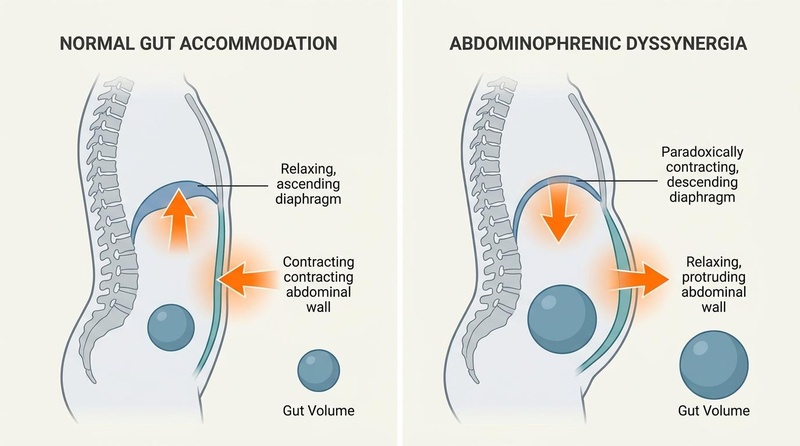
In healthy individuals, when gut volume increases (due to food, fluid, or gas), the nervous system coordinates a protective reflex: the diaphragm relaxes and moves upward (into the thoracic cavity), while the anterior abdominal wall muscles contract and pull inward. This accommodates the volume vertically without outward protrusion [5:5].
In patients with abdominophrenic dyssynergia, this reflex is reversed:
- Paradoxical Diaphragmatic Contraction: In response to normal gut volume, the diaphragm paradoxically contracts and descends, pushing the abdominal contents downward and forward [4:6][11:1].
- Abdominal Wall Relaxation: Simultaneously, the anterior abdominal wall muscles (especially the internal oblique and transversus abdominis) relax and stretch outward [5:6].
- Physical Protrusion: This combination causes physical, visible protrusion of the abdomen (distension), even when the actual volume of gas inside the gut is completely normal [4:7][11:2].
Retraining this reflex is achieved through thoracoabdominal biofeedback [4:8]. By placing visual or electromyographic (EMG) sensors on the chest wall, diaphragm, and rectus abdominis, patients learn to consciously inhibit diaphragmatic descent and contract their abdominal wall muscles in response to feelings of fullness. This restores normal somatic muscle coordination and reduces visible distension [4:9].
¶ Neuromodulation of Gut Sensory Afferents
To address visceral hypersensitivity, clinicians utilize low-dose gut-brain neuromodulators [10:4].
- Peripheral Action: Tricyclic antidepressants (TCAs) like amitriptyline, when used at low, non-psychiatric doses (10–25 mg), down-regulate the sensitivity of mechanoreceptors on enteric sensory nerves [10:5].
- Central Action: TCAs modulate serotonin and norepinephrine reuptake in the spinal cord and brain, dampening pain signals before they reach conscious perception. This reduces the subjective feeling of severe pressure and bloating [10:6].
¶ Diagnostic Pathway & Clinical Evaluation Flow
A systematic, evidence-based diagnostic process is essential to differentiate functional bloating from organic pathologies:
                              [Patient Presents with Chronic Abdominal Bloating / Distension]
                                                             |
                                            Assess for "Red Flags" & Organic Mimics
                                            (Postmenopausal female, weight loss, fever)
                                                             |
                                     +-----------------------+-----------------------+
                                     |                                               |
                              [Red Flags Present]                           [No Red Flags Present]
                                     |                                               |
                        Pursue Pelvic Ultrasound,                      Determine Primary Phenotype
                        CA-125, CT Abdomen/Pelvis                                    |
                                                                                     |
                                                     +-------------------------------+-------------------------------+
                                                     |                                                               |
                                            [Subjective Bloating]                                           [Visible Distension]
                                       (Feeling of pressure, normal girth)                           (Visible protrusion, diurnal fluctuation)
                                                     |                                                               |
                                           1. Low-FODMAP Diet                                              1. Diaphragmatic Breathing
                                           2. Partially Hydrolyzed Guar Gum                                2. Thoracoabdominal Biofeedback
                                           3. Test for SIBO / Treat if positive                            3. Optimize bowel transit (Prucalopride)
                                                     |                                                               |
                                                     +-------------------------------+-------------------------------+
                                                                                     |
                                                                     [Persistent / Refractory Symptoms]
                                                                                     |
                                                                    Initiate Visceral Neuromodulation
                                                                       (Low-Dose TCA: Amitriptyline)
¶ Diagnostic Criteria (Rome IV)
To diagnose Functional Abdominal Bloating and/or Distension, a patient must meet the following criteria:
- Recurrent Bloating/Distension: Episodes must occur at least one day per week on average [1:15].
- Symptom Dominance: Bloating or distension must be the predominant symptom, and the patient must not meet diagnostic criteria for IBS, functional constipation, functional diarrhea, or functional dyspepsia (though they may coexist) [1:16].
- Timeline: Symptoms must have started at least 6 months prior to diagnosis and been active for the last 3 months [1:17].
¶ Initial Laboratory and Clinical Screening
Before establishing a functional diagnosis, clinicians should perform targeted screening to rule out organic diseases:
- Celiac Disease: Check tissue transglutaminase IgA (tTG-IgA) and total serum IgA to rule out celiac-mediated mucosal inflammation and malabsorption.
- Exocrine Pancreatic Insufficiency (EPI): Measure fecal elastase-1. Values indicate pancreatic enzyme deficiency, which leads to fat malabsorption, colonic fermentation of undigested proteins/fats, and severe bloating [8:2].
- Inflammatory Bowel Disease (IBD): Check fecal calprotectin. A value effectively excludes active gut inflammation.
- Thyroid Function: Check TSH to rule out hypothyroidism, a common cause of systemic transit slowing.
¶ Advanced Physiological Testing
- SIBO Breath Testing: Perform a lactulose or glucose hydrogen-methane breath test [9:8][19:5]. A rise in hydrogen of within 90 minutes, or any methane reading of at any point in the test, indicates a positive result (SIBO or IMO) [23:3][19:6].
- Anorectal Manometry & Balloon Expulsion Test: Essential for patients with chronic constipation and bloating [14:5]. This test measures rectal pressures and evaluates the patient's ability to expel a water-filled balloon, confirming pelvic floor dyssynergia [14:6][15:4].
¶ Gynecologic Screening and Red Flags
Because ovarian cancer can present with progressive bloating, postmenopausal women must undergo a thorough gynecological evaluation [16:2].
- The ROCkeTS Protocol: If a female presents with new-onset, progressive bloating occurring times per month, obtain a pelvic ultrasound and a serum CA-125 level [26].
- Endometriosis & Fibroids: Transvaginal ultrasound or pelvic MRI should be utilized if pelvic pain, deep dyspareunia, or menorrhagia are present, ensuring structural gynecological diseases are treated appropriately.
¶ Evidence Summary Table (Human Outcomes)
The clinical efficacy of major interventions for bloating and distension is summarized below based on high-impact clinical trials and consensus guidelines:
| Intervention | Pathophysiological Target | Clinical Outcome | Efficacy Rating (Symptom Reduction) | Evidence Quality (GRADE) | Supported Study Count | Key References |
|---|---|---|---|---|---|---|
| Low-FODMAP Diet | Intestinal fermentation & Osmotic fluid draw | Reduced subjective bloating, gas, and abdominal pain | 50–70% response rate [6:5][7:8] | High | >30 RCTs | Yang 2026, Shiha 2026 |
| Thoracoabdominal Biofeedback | Abdominophrenic dyssynergia & somatic reflex | Restored muscle coordination, decreased girth | reduction in visible abdominal girth [4:10] | Moderate-High | Multiple RCTs | Barba 2024, Villoria 2011 |
| Rifaximin | Small bowel bacterial fermentation (SIBO) | Suppressed gas-producing bacteria, reduced bloating | 40% response rate (sustained benefit up to 10 weeks) [13:1] | Moderate-High | 3 Phase-III RCTs | Lacy 2021, Iftequar 2026 |
| Prucalopride | Colonic transit delay & retrograde gas trapping | Accelerated transit, reduced colonic gas pooling | Significant decrease in daily bloating severity [14:7] | Moderate | >5 RCTs | Goyal 2026, Cangemi 2022 |
| Pelvic Floor Biofeedback | Paradoxical puborectalis contraction | Improved defecation dynamics, reduced retrograde gas | 70-80% success in restoring bowel evacuation [15:5][21:1] | Moderate-High | Multiple RCTs | Kochhar 2026, Mobing 2026 |
| Low-Dose TCAs (Amitriptyline) | Visceral hypersensitivity & nerve signaling | Dampened gut pain and pressure perception | Significant reduction in subjective bloating scores [10:7] | Moderate | >10 RCTs | Khasawneh 2026 |
| Partially Hydrolyzed Guar Gum (PHGG) | Slow transit & microbiome dysbiosis | Optimized stool consistency, mild prebiotic support | Improved bowel movements, minimal gas generation [12:1] | Moderate | >5 RCTs | Scarpellini 2026 |
| Enteric-Coated Peppermint Oil | Visceral smooth muscle spasm | Mild muscle relaxation, transient bloating relief | Modest reduction in overall bloating scores [13:2] | Moderate | >10 RCTs | Lacy 2021 |
¶ Comprehensive Therapeutics & Step-by-Step Management Protocols
¶ Step 1: Dietary & Botanical Phase (4–6 Weeks)
This phase focuses on reducing the volume of fermentable substrates in the GI tract [6:6].
- Low-FODMAP Elimination Phase:
- Restrict all high-FODMAP foods (fructans, GOS, lactose, excess fructose, sorbitol, and mannitol) for 2 to 6 weeks under clinical guidance [6:7][7:9].
- If clinical improvement is achieved ( reduction in bloating), systematically reintroduce one FODMAP group at a time over 3–4 weeks to identify specific triggers and maintain long-term microbiome diversity [6:8].
- Soluble Fiber Support:
- Targeted Botanical & Enzyme Assistance:
- Administer enteric-coated peppermint oil (containing L-menthol) 30–60 minutes before main meals to relax intestinal smooth muscle and reduce postprandial cramping [13:3].
- Use alpha-galactosidase (300–600 units with the first bite) when consuming meals containing complex legumes or cruciferous vegetables to facilitate carbohydrate breakdown in the small bowel.
¶ Step 2: Somatosensory & Biofeedback Retraining (6–8 Weeks)
This phase addresses muscular coordination and physical distension [4:11][15:6].
- Thoracoabdominal Coordination (Diaphragmatic Breathing):
- The Exercise: Position the patient supine with one hand on the chest and one on the upper abdomen.
- Inhalation: Inhale slowly through the nose for 4 seconds, ensuring only the abdominal hand rises while the chest hand remains completely still (indicating diaphragmatic control).
- Exhalation: Exhale slowly through pursed lips for 6 seconds, gently pulling the abdominal wall inward.
- Frequency: Perform for 10–15 minutes twice daily, particularly 20 minutes after meals, to prevent the paradoxical diaphragmatic descent associated with abdominophrenic dyssynergia [4:12].
- Pelvic Floor Physical Therapy:
- For patients with confirmed pelvic floor dyssynergia, initiate EMG-guided biofeedback physical therapy [15:7][21:2]. This teaches the patient to relax the puborectalis muscle and external anal sphincter while maintaining appropriate intra-abdominal pushing pressure, resolving fecal loading and secondary bloating [15:8].
¶ Step 3: Pharmacological & Antimicrobial Interventions (Refractory Cases)
For patients who remain symptomatic after dietary and biofeedback interventions:
- Antimicrobial Therapy for SIBO/IMO:
- Motility Optimization:
- For constipation-predominant phenotypes, prescribe Prucalopride (5-HT4 agonist) at orally once daily at bedtime [14:8]. This stimulates the migrating motor complex, clearing colonic gas pockets [14:9].
- Alternatively, utilize a natural prokinetic containing a standardized combination of ginger (which accelerates gastric emptying) and artichoke extract (which supports gallbladder and small bowel motility) before main meals.
- Visceral Neuromodulation:
¶ Safety, Side Effects, and Contraindications
¶ Pharmacological Safety Profiles
- Prucalopride:
- Contraindications: Mechanical intestinal obstruction, bowel perforation, severe inflammatory bowel disease (Crohn's or Ulcerative Colitis) [14:10].
- Side Effects: Transient headache, nausea, and abdominal cramping may occur during the first 1–3 days of therapy. These can be mitigated by starting at a lower dose () for the first week.
- Tricyclic Antidepressants (TCAs - Amitriptyline):
- Contraindications: History of prolonged QT interval, recent myocardial infarction, narrow-angle glaucoma, or severe urinary retention [10:10].
- Side Effects: Anticholinergic effects such as dry mouth, drowsiness, and constipation. Constipation can worsen functional bloating; therefore, TCAs should be avoided in patients with severe slow-transit constipation unless bowel motility is optimized concurrently.
- Rifaximin & Antimicrobials:
- Contraindications: Hypersensitivity to rifamycin derivatives.
- Side Effects: Low risk of systemic side effects due to poor oral absorption (). However, repeated, unguided courses can alter colonic microbiome diversity.
¶ Monitoring & What "Good" Looks Like
To ensure treatment efficacy and guide therapy adjustments, clinicians should implement objective and subjective monitoring protocols:
- Objective Girth Fluctuation: Instruct the patient to measure abdominal girth using a flexible tape measure placed horizontally at the level of the umbilicus. Measurements should be taken at three key times: immediately upon waking (baseline), 1 hour after lunch, and immediately before bedtime. Success is defined as maintaining a flat abdominal profile with of fluctuation throughout the day [25:1].
- Visual Analogue Scale (VAS) for Bloating: A daily 0–10 scale where 0 represents no bloating and 10 represents maximum bloating pressure. A successful clinical outcome is defined as a -point reduction in average weekly scores.
- Bowel Transit Consistency: Tracking transit using stool consistency charts (Bristol Stool Scale target of 3 or 4) and ensuring a transit time of 12–36 hours.
- Expected Timelines for Recovery:
- Dietary FODMAP restriction: Reduction in gas and osmotic bloating should be visible within 7 to 14 days [6:9].
- Biofeedback for Distension: Significant reduction in physical abdominal protrusion and restored muscle coordination is typically achieved within 3 to 6 clinical sessions of guided biofeedback combined with daily home practice [4:13].
- SIBO Antimicrobial Therapy: Improvement in postprandial fermentation bloating occurs within 10 to 14 days of completing therapy [13:6].
¶ Compare With
The primary therapeutic options for bloating and distension are compared below to assist in clinical decision-making:
| Modality | Best Suited For | Key Advantages | Major Limitations | Clinical Success Rate |
|---|---|---|---|---|
| Dietary Restriction (Low-FODMAP) | Patients with postprandial gas, loose stools, and SIBO [6:10] | Non-pharmacological; rapid onset of action (1–2 weeks) [6:11] | Difficult to maintain; risks reducing gut microbiome diversity if continued long-term [7:10] | 50–70% [6:12] |
| Somatic Biofeedback / Breathing | Patients with visible abdominal distension & dyssynergia [4:14] | Direct targeting of neuromuscular coordination; no drug side effects [4:15] | Requires specialized therapists; high patient commitment for daily practice [5:7] | 60–80% [4:16] |
| Prokinetics (Prucalopride) | Patients with slow colonic transit and chronic constipation [14:11] | Directly accelerates transit, resolving fecal loading and gas traps [14:12] | Potential for transient headaches/cramping; high cost [14:13] | 50–60% [14:14] |
| Visceral Neuromodulators (TCAs) | Patients with severe subjective bloating and hypersensitivity [10:11] | Highly effective for nerve-gut pain; improves sleep and anxiety [10:12] | Anticholinergic side effects; can worsen constipation if unmanaged [10:13] | 55–65% [10:14] |
¶ Glossary
- Abdominophrenic Dyssynergia: A functional neuromuscular coordination failure where the diaphragm paradoxically contracts (descends) and the anterior abdominal wall muscles relax (protrude) in response to increased gut volume, leading to physical abdominal distension [5:8].
- Visceral Hypersensitivity: Increased sensitivity of the enteric nervous system, where normal physiological pressures or movements of gas and fluid within the gastrointestinal tract are perceived as painful or bloating [10:15].
- Fructans: Polymers of fructose molecules found in wheat, garlic, onions, and artichokes. They cannot be digested by human enzymes and undergo rapid fermentation by colonic bacteria [7:11].
- Small Intestinal Bacterial Overgrowth (SIBO): A clinical condition characterized by the presence of excessive numbers of colonic-type bacteria in the small intestine, leading to premature fermentation of dietary carbohydrates [9:9].
- Intestinal Methanogen Overgrowth (IMO): An overgrowth of methanogenic archaea (primarily M. smithii) in the small or large intestine, which consume hydrogen gas to produce methane, directly slowing gastrointestinal transit [23:5][19:7].
- Pelvic Floor Dyssynergia: Defecatory dysfunction characterized by the paradoxical contraction or failure to relax the pelvic floor muscles (such as the puborectalis) and external anal sphincter during bowel movements, leading to chronic constipation and secondary gas trapping [15:9].
¶ Methods (Transparency)
This clinical guide is based on consensus recommendations, systematic reviews, and randomized controlled trials evaluating functional bloating and distension up to June 2026.
- Search Strategy: We searched PubMed, the Cochrane Library, and Embase. Key search terms included: "functional bloating", "abdominal distension", "abdominophrenic dyssynergia", "pelvic floor dyssynergia bloating", "Low-FODMAP bloating", and "visceral hypersensitivity amitriptyline".
- Inclusion Criteria: Consensus guidelines from major societies (ESNM, UEG, AGA, ACG); systematic reviews and meta-analyses; randomized clinical trials with sample sizes patients.
- Evidence Grading: Efficacy and recommendations are graded using the standard GRADE framework.
¶ References
¶ Update Log
- July 2026: Comprehensively expanded to cover deep pathophysiology (constipation, pelvic floor dyssynergia, aerophagia, visceral hypersensitivity, SIBO/IMO mechanics, food intolerances, gynecologic red flags) and systematic diagnostic/therapeutic protocols. Integrated ESNM/UEG and AGA consensus recommendations.
- September 2023: Updated to include the AGA Clinical Practice Update recommendations for functional bloating.
Melchior C, Hammer H, Bor S, et al. European Consensus on Functional Bloating and Abdominal Distension-An ESNM/UEG Recommendations for Clinical Management. United European Gastroenterology Journal. 2025;13(9):810-825. https://pubmed.ncbi.nlm.nih.gov/40844856/ ↩︎ ↩︎ ↩︎ ↩︎ ↩︎ ↩︎ ↩︎ ↩︎ ↩︎ ↩︎ ↩︎ ↩︎ ↩︎ ↩︎ ↩︎ ↩︎ ↩︎ ↩︎
Moshiree B, Drossman D, Shaukat A, et al. AGA Clinical Practice Update on Evaluation and Management of Belching, Abdominal Bloating, and Distention: Expert Review. Gastroenterology. 2023;165(3):791-800. https://pubmed.ncbi.nlm.nih.gov/37452811/ ↩︎ ↩︎ ↩︎ ↩︎ ↩︎ ↩︎ ↩︎ ↩︎
Cangemi DJ, Lacy BE. A Practical Approach to the Diagnosis and Treatment of Abdominal Bloating and Distension. Gastroenterology & Hepatology. 2022;18(2):75-84. https://pubmed.ncbi.nlm.nih.gov/35505814/ ↩︎ ↩︎ ↩︎ ↩︎ ↩︎ ↩︎
Barba E, Livovsky DM, Accarino A, et al. Thoracoabdominal Wall Motion-Guided Biofeedback Treatment of Abdominal Distention: A Randomized Placebo-Controlled Trial. Gastroenterology. 2024;167(2):295-305. https://pubmed.ncbi.nlm.nih.gov/38467383/ ↩︎ ↩︎ ↩︎ ↩︎ ↩︎ ↩︎ ↩︎ ↩︎ ↩︎ ↩︎ ↩︎ ↩︎ ↩︎ ↩︎ ↩︎ ↩︎ ↩︎
Damianos JA, Tomar SK, Azpiroz F. Abdominophrenic Dyssynergia: A Narrative Review. The American Journal of Gastroenterology. 2023;118(1):34-42. https://pubmed.ncbi.nlm.nih.gov/36191283/ ↩︎ ↩︎ ↩︎ ↩︎ ↩︎ ↩︎ ↩︎ ↩︎ ↩︎
Yang X, Shui X. Characteristics and clinical applicability of four dietary interventions for irritable bowel syndrome: A systematic review and meta-analysis. Clinical Nutrition. 2026;45(7):110-124. https://pubmed.ncbi.nlm.nih.gov/42160924/ ↩︎ ↩︎ ↩︎ ↩︎ ↩︎ ↩︎ ↩︎ ↩︎ ↩︎ ↩︎ ↩︎ ↩︎ ↩︎
Shiha MG, Buckle RL, Shaw CC, et al. Low FODMAP Diet versus Traditional Dietary Advice in Postprandial Functional Dyspepsia: A Randomized Clinical Trial. Clinical Gastroenterology and Hepatology. 2026;24(6):1220-1231. https://pubmed.ncbi.nlm.nih.gov/42297316/ ↩︎ ↩︎ ↩︎ ↩︎ ↩︎ ↩︎ ↩︎ ↩︎ ↩︎ ↩︎ ↩︎ ↩︎
Williams V, Funk S. Unique causes of exocrine pancreatic insufficiency: When to consider pancreatic enzyme supplementation: A narrative review. Nutrition in Clinical Practice. 2026;41(3):210-221. https://pubmed.ncbi.nlm.nih.gov/42319011/ ↩︎ ↩︎ ↩︎
Furqan A, Sultan MT, Khalid MU, et al. Small Intestinal Bacterial Overgrowth: Microbiome Dysregulation, Gut-Brain Axis Disruption, and Systemic Consequences. Molecular Nutrition & Food Research. 2026;70(7):e2500120. https://pubmed.ncbi.nlm.nih.gov/42378001/ ↩︎ ↩︎ ↩︎ ↩︎ ↩︎ ↩︎ ↩︎ ↩︎ ↩︎ ↩︎
Khasawneh M, Thakur ER, Goodoory VC, et al. Efficacy of gut-brain neuromodulators and brain-gut behaviour therapies for irritable bowel syndrome: systematic review and network meta-analysis. Gut. 2026;75(6):1122-1135. https://pubmed.ncbi.nlm.nih.gov/42362221/ ↩︎ ↩︎ ↩︎ ↩︎ ↩︎ ↩︎ ↩︎ ↩︎ ↩︎ ↩︎ ↩︎ ↩︎ ↩︎ ↩︎ ↩︎ ↩︎
Villoria A, Azpiroz F, Burri E, et al. Abdomino-phrenic dyssynergia in patients with abdominal bloating and distension. The American Journal of Gastroenterology. 2011;106(5):915-919. https://pubmed.ncbi.nlm.nih.gov/21540894/ ↩︎ ↩︎ ↩︎
Scarpellini E, Roselli F, Scarcella M, et al. Guar Gum, Partially Hydrolyzed Guar Gum, and Human Gut Health: A Narrative Review. Reviews on Recent Clinical Trials. 2026;21(2):98-107. https://pubmed.ncbi.nlm.nih.gov/42304914/ ↩︎ ↩︎ ↩︎ ↩︎
Lacy BE, Pimentel M, Brenner DM, et al. ACG Clinical Guideline: Management of Irritable Bowel Syndrome. The American Journal of Gastroenterology. 2021;116(1):17-44. https://pubmed.ncbi.nlm.nih.gov/33315591/ ↩︎ ↩︎ ↩︎ ↩︎ ↩︎ ↩︎ ↩︎
Goyal O, Chowdhary R, Sehgal T, et al. Evolving prokinetic therapy: New targets and therapeutic opportunities in gastrointestinal motility disorders. World Journal of Gastrointestinal Pharmacology and Therapeutics. 2026;17(2):45-58. https://pubmed.ncbi.nlm.nih.gov/42273241/ ↩︎ ↩︎ ↩︎ ↩︎ ↩︎ ↩︎ ↩︎ ↩︎ ↩︎ ↩︎ ↩︎ ↩︎ ↩︎ ↩︎ ↩︎
Kochhar S, Channapragada T, Shenoy V, et al. Clinical Outcome of EMG-Based Pelvic Floor Biofeedback in Patients With Constipation-Impact of Prior Anorectal Manometry/Balloon Expulsion Test for Patient Selection. A Retrospective Study. Neurogastroenterology and Motility. 2026;38(6):e14782. https://pubmed.ncbi.nlm.nih.gov/42231599/ ↩︎ ↩︎ ↩︎ ↩︎ ↩︎ ↩︎ ↩︎ ↩︎ ↩︎ ↩︎
Caruso G, Weroha SJ, Cliby W. Ovarian Cancer: A Review. JAMA. 2025;334(14):1420-1432. https://pubmed.ncbi.nlm.nih.gov/40690248/ ↩︎ ↩︎ ↩︎
Hosseinian SZ, Haghighatdoost F, Hajihashemi P, et al. The Effects of Fermentable Oligo-, Di-, and Monosaccharides and Polyols on Dyspeptic Symptoms: A Systematic Review and Meta-Analysis of Clinical Trials. Health Science Reports. 2026;9(6):e2654. https://pubmed.ncbi.nlm.nih.gov/42327454/ ↩︎ ↩︎ ↩︎
Iftequar Y, Bajpai P, Dav R, et al. Targeted antibiotic and dietary approaches in managing small intestinal bacterial overgrowth across irritable bowel syndrome subtypes. Internal and Emergency Medicine. 2026;51(5):1005-1015. https://pubmed.ncbi.nlm.nih.gov/42310284/ ↩︎
Xiao Y, Siah KTH, Zhang M, et al. Hydrogen and Methane Breath Test: The Asian Neurogastroenterology and Motility Association Monograph. Journal of Neurogastroenterology and Motility. 2026;32(2):180-195. https://pubmed.ncbi.nlm.nih.gov/41952402/ ↩︎ ↩︎ ↩︎ ↩︎ ↩︎ ↩︎ ↩︎ ↩︎
Pimentel M, Leite G, Joo L, et al. Real-world Study of Three-gas Breath Testing Nationwide and the Association With Symptoms. Journal of Clinical Gastroenterology. 2026;60(2):142-150. https://pubmed.ncbi.nlm.nih.gov/41671534/ ↩︎ ↩︎ ↩︎ ↩︎ ↩︎
Mobing H, Sethy P, Nania M, et al. Efficacy of Biofeedback Therapy in Patients With Dyssynergic Defecation: A Hospital-Based Study in Eastern India. Cureus. 2026;18(5):e61205. https://pubmed.ncbi.nlm.nih.gov/42359187/ ↩︎ ↩︎ ↩︎
Pomenti S, Katzka DA. Rumination Syndrome, Supragastric Belching, and Abdominophrenic Dyssynergia: How to Diagnose and Treat? Current Gastroenterology Reports. 2025;27(3):102-111. https://pubmed.ncbi.nlm.nih.gov/40072645/ ↩︎ ↩︎ ↩︎ ↩︎ ↩︎
Shah A, Holtmann G, Gibson PR, et al. Critical Review: The Past, Present, and Future of Small Intestinal Bacterial Overgrowth (SIBO). JGH Open. 2026;10(2):65-78. https://pubmed.ncbi.nlm.nih.gov/42146105/ ↩︎ ↩︎ ↩︎ ↩︎ ↩︎ ↩︎
Zadeh RGB, Roghani T, Gladin A, et al. Spinal-Related Musculoskeletal Determinants of Functional Abdominal Bloating and Distension: A Narrative Review. Health Science Reports. 2025;8(7):e2402. https://pubmed.ncbi.nlm.nih.gov/40636528/ ↩︎
Barba E, Burri E, Quiroga S, et al. Visible abdominal distension in functional gut disorders: Objective evaluation. Neurogastroenterology and Motility. 2023;35(2):e14498. https://pubmed.ncbi.nlm.nih.gov/36153798/ ↩︎ ↩︎
Sundar S, Agarwal R, Scandrett K, et al. Identifying the best diagnostic test for ovarian cancer - synopsis of Refining Ovarian Cancer Test accuracy Scores (ROCkeTS) research. Health Technology Assessment. 2026;30(8):1-85. https://pubmed.ncbi.nlm.nih.gov/41797598/ ↩︎