¶ Hyperbaric Oxygen Therapy (HBOT)
| Mechanism | Plasma Oxygen Dissolution |
| Key Spec | 1.5 – 3.0 ATA (Atmospheres Absolute) |
| Protocol | 60–90 min, Indication-dependent |
| Chamber Type | Clinical Hard-Sided |
| Entry Cost | Variable (Coverage-dependent) |
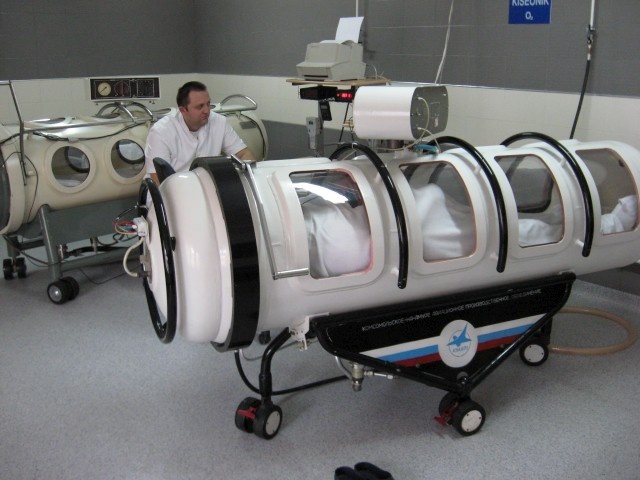
Hyperbaric Oxygen Therapy (HBOT) is a medical treatment where an individual breathes 100% oxygen while inside a treatment chamber at an atmospheric pressure greater than sea level (defined as greater than 1.0 Atmosphere Absolute, or ATA). This intervention increases the amount of oxygen dissolved in the blood plasma, allowing for enhanced oxygenation of tissues even when regional blood flow is compromised [1]. Traditionally utilized for acute emergency conditions such as decompression sickness and carbon monoxide poisoning, clinical interest has expanded to investigate its role as an adjunctive therapy in chronic wound care, cognitive preservation research, and athletic recovery protocols [2][3][4].
¶ At a glance
¶ Key points
- Surgical and Necrotizing Infections: Meta-analyses of observational studies demonstrate positive clinical associations between adjunctive HBOT and reduced mortality in necrotizing infections like Fournier's gangrene [5], as well as improved tissue salvage in compromised reconstructive wounds [6][7]. However, because these studies are observational, they are subject to residual confounding (such as patient selection bias and variations in standard surgical care), and the certainty of the efficacy evidence is graded as low [5:1][6:1][7:1].
- Chronic Wound Management: Investigated as an adjunctive treatment for selected diabetic lower-extremity wounds [8]. Medicare coverage is limited to Wagner grade III or worse diabetic wounds that have not improved after at least 30 days of standard care; cutaneous, decubitus, and stasis ulcers are nationally noncovered under CMS NCD 20.29.
- Investigational Cognitive Applications: Clinical research explores HBOT's potential to support cognitive recovery in post-stroke patients, though its role as an established therapeutic standard is not yet proven [3:1][9].
- Unproven Athletic Recovery Claims: While some studies evaluate changes in physiological biomarkers after high-intensity exercise, these biomarker changes have not established a meaningful clinical recovery benefit [2:1].
- No Anti-Aging Efficacy: There is currently no credible scientific evidence demonstrating that hyperbaric oxygen therapy extends human lifespan, slows biological aging, or offers durable systemic rejuvenation.
- Strict Safety and Supervision Standards: HBOT must be administered under professional medical supervision due to potential risks, including middle ear barotrauma, transient myopia, pulmonary precautions, rare central nervous system oxygen toxicity seizures, and fire hazards in pressurized, oxygen-rich environments [10][11].
¶ Safety "Traffic Light"
- RED (Absolute Contraindication): Untreated pneumothorax is the core absolute contraindication, as chamber decompression poses an immediate risk of a life-threatening tension pneumothorax [10:1].
- YELLOW (Clinician-Assessed Precautions and Relative Contraindications):
- Medications: Prior or active use of Bleomycin (due to risks of severe pulmonary toxicity under hyperoxia) and active treatment with Doxorubicin (potential cardiotoxicity risk) require careful clinical timing and physician assessment [10:2].
- Pulmonary Conditions: Active asthma, severe chronic obstructive pulmonary disease (COPD), or pulmonary lesions with bullae require clinician evaluation to manage the elevated risk of pulmonary barotrauma [10:3].
- Seizure Risk: A history of epilepsy or seizure disorders is a relative precaution, as hyperoxia can lower the seizure threshold [10:4].
- Ocular Factors: An active intraocular gas bubble (e.g., from a recent vitrectomy) requires timing and avoidance of hyperbaric therapy until the gas bubble is completely resorbed [10:5].
- Other precautions: Severe claustrophobia or difficulty equalizing middle ear pressure [10:6].
- Pre-Treatment Clinical Screening: Before initiating hyperbaric therapy, all patients must undergo a standardized clinical evaluation to verify normal middle ear pressure equalization, assess pulmonary function, and rule out absolute or relative contraindications [10:7].
The Bottom Line
Clinical-grade HBOT (typically administered at 1.5 to 3.0 ATA in hard-sided chambers) is an established adjunctive treatment for specific indications, including severe carbon monoxide poisoning, decompression sickness, and non-healing diabetic wounds. Its application for cognitive preservation, athletic performance, and longevity remains highly investigational, and no credible clinical evidence supports its use for slowing biological aging or extending human life.
¶ Mechanism
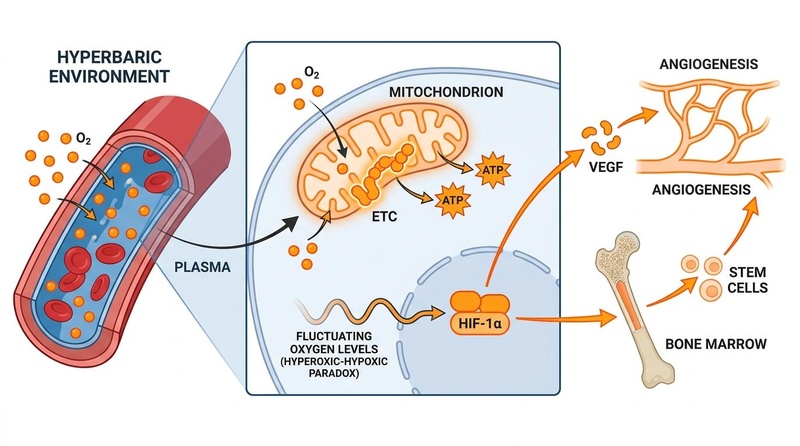
The physiological effects of HBOT are driven by two physical factors: Hyperoxia (elevated oxygen concentration) and Hyperbaric Pressure (elevated atmospheric weight). These factors influence cellular and molecular pathways through the following mechanisms:
¶ 1. Plasma Oxygen Dissolution (Henry’s Law)
At sea level (1.0 ATA), oxygen is carried almost exclusively by hemoglobin within red blood cells (RBCs), which are typically 97–99% saturated in healthy individuals. This limits the extra oxygen that can be transported under normal atmospheric conditions. HBOT bypasses hemoglobin saturation limits by increasing the partial pressure of oxygen (). According to Henry's Law, the amount of a gas dissolved in a liquid is directly proportional to its partial pressure. At 2.0 to 2.5 ATA of 100% oxygen, arterial can rise to over 1,500 mmHg, causing a substantial increase in dissolved oxygen in the blood plasma [1:1]. This dissolved oxygen can diffuse into tissues even when RBC flow is physically obstructed by capillary narrowing, localized swelling, or arterial insufficiency [1:2].
¶ 2. Mitochondrial Respiration
The increased delivery of dissolved oxygen is designed to reverse localized tissue hypoxia. Oxygen enters the mitochondria, where it serves as the terminal electron acceptor in the electron transport chain (ETC), supporting ATP synthesis and cellular repair processes in hypoxic tissue beds [1:3].
¶ 3. Cellular Signaling Hypotheses
Intermittent changes in oxygen exposure have been proposed to influence hypoxia-responsive signaling, oxidative-stress responses, and angiogenesis-related pathways. These are mechanistic hypotheses, not proof that a protocol slows aging or improves a clinical outcome. Pressure, oxygen concentration, exposure time, and air breaks all affect dose; results from one protocol or chamber type should not be assumed to apply to another.
¶ 4. Endothelial Research
Investigational studies have explored whether HBOT influences endothelial and metabolic pathways in patients recovering from inflammatory insults, such as COVID-19, though these mechanisms remain a subject of active scientific debate and are not clinically established [12].
¶ Key Specs
Evaluating hyperbaric oxygen therapy systems requires understanding the physical, physiological, and safety parameters that dictate tissue-level oxygenation:
- Atmospheric Pressure Range: Clinical-grade hard-sided chambers operate within 1.5 to 3.0 ATA (Atmospheres Absolute) [10:8]. Portable soft-sided chambers are structurally limited by their fabric construction to a maximum of 1.3 ATA.
- Oxygen Concentration (): Validated clinical protocols require 100% medical-grade oxygen delivered under pressure [1:4]. Portable soft-sided chambers typically utilize ambient air or home oxygen concentrators, which deliver lower fractional oxygen concentrations (typically generating 24% to 40% ).
- Partial Pressure of Inspired Oxygen (): Under clinical protocols of 100% oxygen at 2.0 to 2.5 ATA, the partial pressure of inspired oxygen is approximately 1,500 to 1,900 mmHg (compared to ~159 mmHg in ambient air at sea level), causing a substantial rise in plasma-dissolved oxygen [1:5]. In contrast, soft chambers operating at 1.3 ATA pressurized with ambient air or lower-flow oxygen concentrators generate significantly lower values, which are generally insufficient to achieve the high plasma-dissolved oxygen concentrations evaluated in clinical trials.
- Chamber Construction & Safety Compliance: Clinical chambers are constructed of heavy steel or high-grade acrylic [10:9]. Portable soft chambers are flexible zippered units; they are not designed or certified to deliver high-pressure 100% oxygen therapy.
¶ Protocols
¶ Clinical Protocol Administration
Because HBOT is a medical intervention, protocols are prescribed based on specific clinical goals and individualized assessments rather than universal session counts:
- Pressure Ranges: Clinical treatments are typically administered between 2.0 and 2.5 ATA to balance therapeutic tissue oxygenation with safety margins [10:10].
- Session Duration: Treatments generally consist of 60 to 90 minutes of continuous "bottom time" (at full treatment pressure), excluding the compression and decompression phases [10:11].
- Frequency: Protocols are typically administered once daily, five days per week [10:12].
- Physician-Prescribed Length: The total number of sessions is highly variable and depends entirely on the specific clinical indication, patient response, and the protocol prescribed by the supervising physician. While acute carbon monoxide poisoning may require only 1 to 3 sessions [10:13], chronic wounds or late radiation tissue injuries often require a course of 30 to 40 sessions to support tissue remodeling [8:1][13][14].
- Air Breaks: Some protocols include periods of breathing air to manage oxygen exposure. Their timing is indication- and protocol-specific and should be prescribed by the treating hyperbaric team [1:6].
¶ Hard-Sided vs. Soft-Sided Chambers
The distinction between clinical hard-sided chambers and portable soft-sided chambers is critical for evaluating therapeutic validity:
- Clinical Hard-Sided Chambers: Constructed of steel or acrylic and capable of withstanding pressures of 2.0 ATA or higher while delivering 100% medical-grade oxygen. These devices are required to achieve the tissue-level oxygenation levels necessary for all established clinical and adjunctive indications [10:14].
- Portable Soft-Sided Chambers (mHBOT): Fabric zippered units that operate at a maximum of 1.3 ATA, typically using ambient air or low-flow oxygen concentrators. Due to safety and structural limitations, they cannot deliver high-pressure 100% oxygen therapy. There is a lack of high-quality clinical evidence demonstrating therapeutic benefits for conditions other than acute mountain sickness.
¶ Access and Cost Uncertainty
Navigating hyperbaric oxygen therapy involves significant financial, administrative, and clinical considerations:
- Variable Pricing and Financial Burden: The cost of clinical hyperbaric therapy is highly variable, depending on whether it is administered in a hospital outpatient department or a private clinic, the geographical region, and the specific indication. Out-of-pocket costs vary widely. Because chronic indications often require a course of 30 to 40 sessions, patients may face significant financial uncertainty, with potential out-of-pocket costs running into thousands of dollars if the treatment is not covered by insurance.
- Insurance Coverage and Policy Barriers: Coverage depends on the diagnosis, severity criteria, prior standard care, facility, and insurance plan. Off-label or investigational uses such as athletic recovery, cognitive enhancement, and longevity protocols are commonly self-pay.
- Clinical Supervision and Staffing Requirements: Safe administration of clinical hyperbaric therapy requires a specialized environment under the guidance of trained physicians and clinical staff who manage pressurization profiles, monitor for barotrauma or hypoglycemia, and maintain strict fire safety standards [10:15].
¶ Clinical and Regulatory Status
To evaluate the clinical role of HBOT, it is necessary to distinguish between the regulatory status of individual chamber devices and clinical recommendations from professional medical guidelines.
¶ FDA Device Clearance vs. Therapy Indications
Hyperbaric chambers are medical devices. In the United States, individual chambers may receive FDA clearance for specified uses; clearance of a device is distinct from evidence that HBOT benefits every condition advertised by a clinic. The FDA advises patients to use appropriately inspected and accredited facilities and warns that HBOT has not been cleared for many promoted conditions; see FDA: Hyperbaric Oxygen Therapy—Get the Facts.
¶ Established and specialist medical uses
HBOT is used as a primary or adjunctive treatment for a limited set of emergency, ischemic, infectious, wound, and radiation-injury indications. Recommendations and insurance coverage are not identical and vary by jurisdiction. Examples include:
- Decompression Sickness and Gas Embolism: Administered as an immediate medical necessity to reduce intravascular gas bubble volume and accelerate inert gas wash-out [15].
- Acute Carbon Monoxide and Cyanide Poisoning: Prescribed to facilitate rapid dissociation of carbon monoxide from hemoglobin and cytochrome c oxidase [10:16].
- Severe Necrotizing Soft-Tissue Infections: Including gas gangrene (clostridial myonecrosis) and progressive necrotizing infections (such as Fournier's gangrene), where hyperoxia inhibits anaerobic bacterial toxins and supports host immune defense [5:2][10:17].
- Compromised Skin Grafts and Flaps: Utilized to support cell survival in highly ischemic fields, such as immediate reconstructive plastic surgery [6:2][7:2][16].
- Selected Diabetic Lower-Extremity Wounds: Used only as an adjunct to standard wound care when severity and prior-treatment criteria are met [8:2].
- Late Radiation Tissue Injury: Such as osteoradionecrosis and soft-tissue radionecrosis, where HBOT stimulates capillary neovascularization in irradiated, hypoxic tissue beds [13:1][14:1].
- Refractory Osteomyelitis: Used as an adjunct when conventional medical and surgical management has failed [10:18].
Other uses, including thermal burns and avascular necrosis, may appear in specialist recommendations or research but should not be assumed to be nationally covered or supported by the same level of evidence [17][18].
¶ Medicare and CMS National Coverage Determination (NCD 20.29)
CMS NCD 20.29 is the authoritative US national Medicare coverage policy. It is a reimbursement policy, not a complete statement of FDA device clearance or all professional-society recommendations.
¶ Covered Indications
The nationally covered conditions are:
- Acute carbon monoxide intoxication.
- Decompression illness.
- Gas embolism.
- Gas gangrene.
- Acute traumatic peripheral ischemia, as an adjunct to standard treatment.
- Crush injuries and suturing of severed limbs, as an adjunct to standard treatment.
- Progressive necrotizing infections.
- Acute peripheral arterial insufficiency.
- Preparation and preservation of compromised skin grafts.
- Chronic refractory osteomyelitis unresponsive to conventional management.
- Osteoradionecrosis, as an adjunct to conventional treatment.
- Soft-tissue radionecrosis, as an adjunct to conventional treatment.
- Cyanide poisoning.
- Actinomycosis refractory to antibiotics and surgery, as an adjunct to conventional treatment.
- Diabetic lower-extremity wounds that are Wagner grade III or worse and have shown no measurable healing after at least 30 days of standard wound therapy.
¶ Nationally Noncovered Indications
CMS states that indications outside its covered list are nationally noncovered. The policy specifically lists cutaneous, decubitus, and stasis ulcers; chronic peripheral vascular insufficiency; and several other conditions as noncovered. This means that a promising trial, professional recommendation, or clinician's off-label use does not by itself establish Medicare coverage.
- Acute or chronic arthralgia or arthritis.
¶ Investigational and Off-Label Uses
There is growing public and research interest in utilizing hyperbaric oxygen therapy for conditions outside of established medical indications. However, clinicians and patients must recognize that these applications are considered off-label and investigational. For these indications, the clinical evidence is characterized by small sample sizes, high risk of bias, or reliance on observational meta-analyses, which do not constitute high-quality efficacy evidence.
¶ Longevity, Telomeres, and Anti-Aging Claims
Promotional claims often suggest that HBOT can slow aging, reduce cellular senescence, or lengthen telomeres. These claims are largely based on short-term surrogate markers measured in small, uncontrolled studies. At present, there is no credible scientific evidence demonstrating that hyperbaric oxygen therapy extends human lifespan, slows biological aging, or reverses systemic age-related physiological decline.
¶ Investigational Neurological and Psychiatric Applications
- Post-Stroke Cognitive Impairment: While some clinical protocols and trials have evaluated HBOT for post-stroke rehabilitation, the evidence is insufficient to establish HBOT as a clinical standard of care, and larger confirmatory trials are required [3:2][9:1].
- Post-Traumatic Stress Disorder (PTSD): Early-stage trials have explored whether HBOT can reduce PTSD symptom severity, but systematic reviews highlight significant knowledge gaps, high risk of bias, and a lack of standardized treatment protocols [19][20].
- Autism Spectrum Disorder (ASD): Systematic reviews, including those from the Cochrane Database, indicate that there is no high-quality clinical evidence to support the efficacy of HBOT in individuals with autism. Studies are often small and show high risk of bias [21].
- Cerebral Palsy: Systematic reviews of HBOT in children with cerebral palsy demonstrate high uncertainty and find no consistent evidence of superior therapeutic benefit over standard rehabilitation programs [22].
¶ Investigational Pain and Systemic Applications
- Fibromyalgia: The HOTFy randomized trial and other small clinical evaluations have investigated HBOT for fibromyalgia pain management [23]. While some patients report short-term improvements in pain and quality of life, the evidence is considered moderate-to-low quality, and long-term efficacy remains unproven [23:1].
- Athletic Performance and Recovery: While some research evaluates changes in physiological biomarkers following high-intensity exercise, these biomarker changes have not been shown to translate to meaningful clinical recovery benefits [2:2]. Systematic reviews indicate that HBOT does not provide clinically significant benefits for delayed-onset muscle soreness (DOMS) [2:3].
- Long-COVID and Chronic Fatigue: Some research has evaluated whether HBOT can mitigate fatigue and cognitive symptoms associated with Long-COVID, possibly through endothelial or metabolic pathways [12:1][24]. However, these studies are preliminary, often lack robust sham controls, and the clinical utility of HBOT for post-viral syndromes is not established.
- Central Retinal Artery Occlusion (CRAO): Meta-analyses have evaluated HBOT as a potential emergency intervention for CRAO [25][26]. While some data suggest possible benefit if administered very early, high-quality randomized controlled evidence is limited, and its therapeutic role remains investigational.
¶ Evidence
¶ Evidence summary table (human outcomes)
| Outcome / Goal | Effect* | Consistency** | Evidence quality | Trials*** | Notes (population, duration, dose) |
|---|---|---|---|---|---|
| Mortality (Fournier's Gangrene) | High | Low | Observational Meta-analyses | Associated with lower mortality in observational data; subject to residual confounding [5:3] | |
| Ischemic Complications (Breast Recon) | High | Low | Observational Meta-analyses | Associated with reduced tissue loss; subject to residual confounding [6:3][7:3] | |
| Neuropathic Foot Ulcer Healing | Low | Low | Combined RCT | Combined with polarized light; cannot isolate independent effect of HBOT [8:3] | |
| Chronic Venous Leg Ulcers (Stasis) | Low | Very Low | RCT | Nationally noncovered by CMS NCD 20.29; insufficient clinical evidence [4:1] | |
| Athletic Recovery | Low | Very Low | Mixed | Investigational; biomarker changes have not established clinical recovery benefit [2:4] | |
| Global Cognition (Post-Stroke) | Low | Low | Small RCTs | Investigational; insufficient evidence to establish clinical standard [3:3] | |
| Fibromyalgia Symptoms | Low | Low | Small RCTs | Investigational; short-term pain relief in small clinical trials [23:2] | |
| Long-COVID Symptoms | Low | Very Low | Preliminary | Investigational; lack of robust sham-controlled trials [12:2][24:1] | |
| PTSD Symptom Severity | Low | Very Low | Preliminary | Investigational; clinical trials show high risk of bias [19:1][20:1] | |
| Central Retinal Artery Occlusion | Mixed | Low | Observational | Investigational; potential benefit only if initiated immediately [25:1][26:1] | |
| Delayed-Onset Muscle Soreness (DOMS) | High | High | Meta-analysis | No clinically significant benefit over passive rest [2:5] | |
| Cerebral Palsy Symptoms | Low | Low | Systematic Review | High uncertainty; lacks high-quality evidence of superior efficacy [22:1] | |
| Autism Spectrum Disorder Symptoms | Low | Very Low | Systematic Review | Insufficient clinical evidence to support efficacy [21:1] | |
| Lifespan Extension / Anti-Aging | Low | Insufficient | None | No credible clinical evidence of efficacy or lifespan extension [10:19][20:2][13:2] |
- *Effect: Number of arrows (1-3) indicates magnitude. Direction: ↑ (increase), ↓ (decrease), = (no effect), ? (unclear). Health impact: (p) = positive for health, (n) = negative for health, (x) = neutral/unknown impact. Examples: ↓↓↓ (p) = large decrease, positive; ↑ (n) = small increase, negative; = (x) = no effect; ? = unclear. Compact renderer encoding:
<effect e="[dir][mag][impact]"></effect>wheredir=u|d|e|q,mag=0|1|2|3,impact=p|n|x. - **Consistency: Low (results conflict), Moderate (mixed but leaning one way), High (most trials agree)
- ***Trials: Number of RCTs or total trials informing this outcome.
¶ 1. Acute Tissue Salvage and Wound Healing
Clinical evidence evaluated in systematic reviews and meta-analyses shows a positive association between adjunctive HBOT and survival outcomes in severe necrotizing soft-tissue infections such as Fournier's gangrene [5:4]. In reconstructive plastic surgery, HBOT has been utilized to support the salvage of ischemic tissues and skin flaps following immediate breast reconstruction, with meta-analyses of observational studies reporting lower rates of tissue loss and complication-related surgical revisions [6:4][7:4][16:1]. However, clinicians must recognize that this body of evidence consists primarily of observational cohorts rather than large-scale, placebo-controlled randomized trials. Consequently, these findings are susceptible to significant residual confounding—including patient selection criteria, baseline microvascular disease severity, and concurrent surgical techniques—and are graded as low certainty of evidence [5:5][6:5][7:5][16:2]. Systematic reviews of skin flap and graft success rates similarly report positive associations but emphasize that high-quality, controlled human trials are required to establish definitive efficacy [27][16:3].
For diabetic neuropathic foot ulcers, a randomized controlled trial evaluated the efficacy of combining HBOT with polarized light therapy (PLT) [8:4]. While the combined protocol demonstrated improvements in local transcutaneous oxygen tension () and clinical neuropathy scores, the study design did not include an arm to isolate the independent therapeutic effect of HBOT from that of the polarized light therapy. Due to this co-intervention, the evidence for independent HBOT efficacy in diabetic neuropathic ulcers is graded conservatively as low certainty [8:5]. Although some preliminary trials have investigated HBOT for chronic venous leg ulcers [4:2], there is insufficient high-quality evidence to support this application. Under Medicare National Coverage Determination (NCD 20.29), the Centers for Medicare & Medicaid Services (CMS) explicitly noncovers cutaneous, decubitus, and stasis ulcers (including venous stasis ulcers), designating them as unproven and not medically necessary.
Additionally, clinical studies support the role of HBOT in salvaging tissues affected by late radiation injury (such as osteoradionecrosis, radiation cystitis, and proctitis following pelvic malignancies), where it stimulates neovascularization in irradiated, hypoxic post-radiation tissue beds [13:3][14:2].
¶ 2. Neurological and Cognitive Recovery
In central nervous system research, HBOT is evaluated for its potential to support tissue survival. In clinical post-stroke rehabilitation, small randomized controlled trials have shown that HBOT combined with computerized cognitive training leads to improvements in global cognition and functional independence, although it is not yet established as a routine standard of care [3:4]. This is supported by systematic reviews of animal models of Alzheimer's and Parkinson's diseases, which show that hyperbaric hyperoxia mitigates neuroinflammation, enhances synaptic plasticity, and stimulates neurogenesis in laboratory settings [28].
For traumatic brain injury (TBI) and coma, HBOT is investigated as a potential recovery aid [29][30][31]. In acute craniocerebral injuries, small clinical studies of comatose patients suggest that combining HBOT with systematic auditory stimulation may support emergence and lower serum neurodegenerative biomarkers [29:1]. To address remaining clinical questions, randomized trials are actively evaluating therapeutic protocols in veterans and service members with TBI [30:1], alongside sub-studies employing electroencephalography (EEG) as a diagnostic and monitoring tool [31:1].
For chronic pain and neuropsychiatric conditions, clinical trials have evaluated HBOT's effect on central pain pathways. The HOTFy randomized clinical trial for fibromyalgia demonstrated short-term improvements in pain scores, sleep quality, and overall quality of life in a small cohort [23:3]. In post-traumatic stress disorder (PTSD), systematic reviews indicate some reductions in symptom severity and neurobiological markers, although researchers emphasize that further standardized, high-quality clinical trials are needed to bridge remaining knowledge gaps and establish efficacy [19:2][20:3].
¶ 3. Human Performance and Emerging Indications
In athletic performance, while some research evaluates changes in physiological biomarkers following high-intensity exercise, these biomarker changes have not been shown to translate to meaningful clinical recovery benefits [2:6]. Systematic reviews indicate that HBOT does not provide clinically significant benefits for delayed-onset muscle soreness (DOMS) [2:7].
HBOT is also under investigation for other cardiovascular and systemic applications:
- Central Retinal Artery Occlusion (CRAO): Systematic reviews show that emergency HBOT is evaluated as a potential primary or adjunctive therapy for CRAO, but clinical evidence is limited and requires very early administration before retinal damage is irreversible [25:2][26:2].
- Cardiovascular Biomarkers: Systematic reviews of myocardial injury indicate that HBOT can influence systemic inflammatory cytokines (such as TNF-α, IL-6, and C-reactive protein) in animal and small human trials, but its role in protecting against ischemia-reperfusion injury in clinical cardiovascular practice is not established [32].
- Long-COVID and Metabolic Health: Clinical trials of Long-COVID patients treated with HBOT demonstrate short-term improvements in fatigue and cognitive function, but these findings are preliminary, often lack robust sham controls, and require larger-scale verification [12:3][24:2].
- Severe Decompression and Sepsis: In severe decompression illness (DCI) complicated by profound shock and multiple organ dysfunction syndrome, standard hyperbaric protocols (such as US Navy Treatment Table 6A) are utilized as a primary medical necessity, sometimes combined with low-dose corticosteroids to support clinical recovery [15:1].
- Bone Necrosis: In orthopedic medicine, clinical reviews evaluate the use of HBOT for treating femoral head necrosis (avascular necrosis), where it may relieve bone marrow edema and support bone remodeling [17:1].
¶ 4. Endothelial and Metabolic Rejuvenation
Recent clinical research has focused on the metabolic and molecular effects of HBOT on vascular endothelial function and cellular metabolism:
- Endothelial Research: Clinical trial data demonstrates that HBOT can induce metabolic changes in endothelial-related pathways, but its clinical utility in reversing chronic vascular inflammation or treating systemic disease is unproven [12:4].
- Mitochondrial Research: Higher oxygen partial pressure changes oxygen delivery and cellular respiration, but molecular changes or surrogate biomarkers should not be interpreted as durable clinical benefit without outcome-focused trials [1:7].
¶ Safety
HBOT is a prescription-grade medical intervention and carries inherent risks that must be managed by qualified baromedical staff.
¶ Common Side Effects
- Barotrauma: Middle ear barotrauma is the most frequent complication, caused by the inability to equalize pressure. Sinus barotrauma and, rarely, lung barotrauma can also occur during decompression [10:20].
- Transient Myopia: Prolonged courses (typically >20 sessions) often cause temporary nearsightedness due to oxygen-induced changes in the lens's refractive index. This typically reverses within weeks of stopping treatment [10:21][8:6].
- Claustrophobia: Common but manageable subjective side effect [10:22].
¶ Oxygen Toxicity
Supraphysiological oxygen levels can lead to oxidative damage in the lungs or central nervous system (CNS):
- CNS Oxygen Toxicity: Rare in standard protocols but can manifest as a tonic-clonic seizure, particularly at elevated pressures or prolonged exposures [10:23].
- Pulmonary Oxygen Toxicity: Characterized by chest tightness and cough; managed by limiting total exposure time and using air breaks [10:24].
¶ Fire Risk & Safety Regulations
Oxygen-enriched, pressurized environments present significant fire risks. Clinical facilities strictly prohibit electronics, oils, matches, and synthetic fabrics inside the chamber to prevent static electricity or material ignition in the oxygen-rich environment [11:1]. Titanium materials or equipment within the chamber require careful monitoring and must meet hyperbaric facility standards to mitigate risks associated with high oxygen reactivity [11:2].
¶ Contraindications
- Absolute: Untreated pneumothorax is the core absolute contraindication, as chamber decompression poses an immediate risk of a life-threatening tension pneumothorax [10:25].
- Relative (Clinician-Assessed Precautions):
- Medications: Prior treatment with Bleomycin (risk of severe pulmonary toxicity under hyperoxia) and active treatment with Doxorubicin (potential cardiotoxicity) require careful clinical timing and assessment [10:26].
- Pulmonary Disease: Patients with active asthma, chronic obstructive pulmonary disease (COPD), or pulmonary lesions with bullae require detailed clinician assessment [10:27].
- Seizure Risk: A history of epilepsy or seizure disorders is a relative precaution, as hyperoxia can lower the seizure threshold [10:28].
- Ocular Factors: An active intraocular gas bubble (e.g., from a recent vitrectomy) requires timing and avoidance of hyperbaric therapy until the gas bubble is completely resorbed [10:29].
¶ FAQ
How many sessions do I need?
The total number of sessions is highly variable and must be prescribed by a supervising physician based on the specific clinical indication. While acute emergency indications (such as carbon monoxide poisoning) may require only 1 to 3 sessions [10:30], chronic wound healing or late radiation tissue injury protocols typically require 30 to 40 sessions [8:7][13:4][14:3].
Can I do HBOT at home with a soft chamber?
Soft chambers (mHBOT) operate at much lower pressures (maximum 1.3 ATA) and utilize ambient air or low-flow oxygen concentrators. They cannot deliver high-pressure 100% oxygen therapy and are unable to generate the high tissue-level oxygenation or reliably trigger the cellular signaling pathways achieved in clinical hard-sided chambers. Soft-sided chambers are cleared by regulatory bodies specifically for treating acute mountain sickness and are not established to provide therapeutic benefit for other medical conditions.
Can I undergo HBOT if I have medical implants or jewelry?
The compatibility of internal medical devices and implants (such as pacemakers, joint replacements, and surgical screws) is highly device-specific and requires formal pre-treatment review by the hyperbaric facility. While many passive implants do not pose a hazard, active electronic devices require specific manufacturer clearance for high-pressure environments. All external personal items, unapproved medical devices, and jewelry must be removed prior to entering the chamber to comply with clinical fire safety regulations [11:3].
¶ References
Jones MW, Brett K, Han N, Cooper JS, Wyatt HA. Hyperbaric Physics. StatPearls. 2026. https://pubmed.ncbi.nlm.nih.gov/28846268/ ↩︎ ↩︎ ↩︎ ↩︎ ↩︎ ↩︎ ↩︎ ↩︎
Babel S, et al. Hyperbaric Oxygen Treatment for Enhancing Athletic Recovery: A Systematic Review and Meta-Analysis. Undersea & Hyperbaric Medicine. 2026. https://pubmed.ncbi.nlm.nih.gov/42365952/ ↩︎ ↩︎ ↩︎ ↩︎ ↩︎ ↩︎ ↩︎ ↩︎
Liu J, et al. Hyperbaric oxygen therapy combined with computerized cognitive training improves global cognition post-stroke. Journal of Neuroengineering and Rehabilitation. 2026. https://pubmed.ncbi.nlm.nih.gov/42050669/ ↩︎ ↩︎ ↩︎ ↩︎ ↩︎
Nikolić D, et al. Hyperbaric Oxygen Therapy for Chronic Venous Leg Ulcers: A Prospective Randomised Controlled Trial. International Wound Journal. 2026. https://pubmed.ncbi.nlm.nih.gov/41734913/ ↩︎ ↩︎ ↩︎
Huang C, et al. Hyperbaric Oxygen Therapy Is Associated with Lower Mortality in Patients with Fournier's Gangrene: A Meta-Analysis. Medicina (Kaunas). 2026. https://pubmed.ncbi.nlm.nih.gov/42356211/ ↩︎ ↩︎ ↩︎ ↩︎ ↩︎ ↩︎
Machado GF, et al. Hyperbaric Oxygen Therapy for Ischemic Complications and Salvage Following Breast Reconstruction: A Systematic Review and Meta-Analysis. Aesthetic Plastic Surgery. 2026. https://pubmed.ncbi.nlm.nih.gov/42310081/ ↩︎ ↩︎ ↩︎ ↩︎ ↩︎ ↩︎
González-Flores JE, et al. Hyperbaric Oxygen Therapy for Ischemic Complications After Immediate Breast Reconstruction: A Systematic Review and Meta-Analysis. Aesthetic Plastic Surgery. 2026. https://pubmed.ncbi.nlm.nih.gov/42270974/ ↩︎ ↩︎ ↩︎ ↩︎ ↩︎ ↩︎
Fahmy S, et al. Hyperbaric Oxygen Therapy Combined with Polarized Light Therapy on Neuropathic Foot Ulcer: A Randomized Controlled Study. American Journal of Physical Medicine & Rehabilitation. 2026. https://pubmed.ncbi.nlm.nih.gov/42405939/ ↩︎ ↩︎ ↩︎ ↩︎ ↩︎ ↩︎ ↩︎ ↩︎
Satyarthee GD. Hyperbaric oxygen therapy in ischemic stroke management: Standardized consensus-based therapeutic protocol. Neurology India. 2019. https://pubmed.ncbi.nlm.nih.gov/31347525/ ↩︎ ↩︎
Gottlieb J, et al. German S3 Guideline: Oxygen Therapy in the Acute Care of Adult Patients. Respiration. 2022. https://pubmed.ncbi.nlm.nih.gov/34933311/ ↩︎ ↩︎ ↩︎ ↩︎ ↩︎ ↩︎ ↩︎ ↩︎ ↩︎ ↩︎ ↩︎ ↩︎ ↩︎ ↩︎ ↩︎ ↩︎ ↩︎ ↩︎ ↩︎ ↩︎ ↩︎ ↩︎ ↩︎ ↩︎ ↩︎ ↩︎ ↩︎ ↩︎ ↩︎ ↩︎ ↩︎
Hink J, & Jansen E. Titanium in a hyperbaric oxygen environment may pose a fire risk. Aviation, Space, and Environmental Medicine. 2003. https://pubmed.ncbi.nlm.nih.gov/14692477/ ↩︎ ↩︎ ↩︎ ↩︎
Jermakow N, et al. Metabolic reprogramming of endothelial-related pathways in COVID-19 patients treated with hyperbaric oxygen therapy. Scientific Reports. 2026. https://pubmed.ncbi.nlm.nih.gov/41851311/ ↩︎ ↩︎ ↩︎ ↩︎ ↩︎
Cuccia F, et al. Between hope and uncertainty: the elusive evidence on hyperbaric oxygen therapy and radiotherapy. Supportive Care in Cancer. 2026. https://pubmed.ncbi.nlm.nih.gov/41627499/ ↩︎ ↩︎ ↩︎ ↩︎ ↩︎
Craighead P, et al. Hyperbaric oxygen therapy for late radiation tissue injury in gynecologic malignancies. Current Oncology. 2011. https://pubmed.ncbi.nlm.nih.gov/21980249/ ↩︎ ↩︎ ↩︎ ↩︎
Lee CH, et al. Surviving Sepsis Campaign guidelines for a diver with DCI: case report. Undersea & Hyperbaric Medicine. 2018. https://pubmed.ncbi.nlm.nih.gov/30241128/ ↩︎ ↩︎
He Z, et al. Hyperbaric oxygen therapy for skin flap transplantation: a meta-analysis. Journal of Wound Care. 2026. https://pubmed.ncbi.nlm.nih.gov/41649920/ ↩︎ ↩︎ ↩︎ ↩︎
Camporesi E, et al. Review on hyperbaric oxygen treatment in femoral head necrosis. Undersea & Hyperbaric Medicine. 2017. https://pubmed.ncbi.nlm.nih.gov/29281187/ ↩︎ ↩︎
Molina-Vega J, et al. Hyperbaric Oxygen Therapy in Burn Care: A Systematic Review of Current Evidence. Journal of Burn Care & Research. 2026. https://pubmed.ncbi.nlm.nih.gov/41700783/ ↩︎
Al-Shamali HF, et al. Effectiveness and safety of hyperbaric oxygen therapy for psychiatric disorders: A systematic review and meta-analysis. Psychiatry and Clinical Neurosciences. 2026. https://pubmed.ncbi.nlm.nih.gov/42169234/ ↩︎ ↩︎ ↩︎
Gur I, et al. Knowledge Gaps in Our Understanding of Hyperbaric Oxygen Therapy in Post-traumatic Stress Disorder: Current Evidence, Proposed Solutions, and Preliminary Results. The Israel Medical Association Journal. 2026. https://pubmed.ncbi.nlm.nih.gov/42345229/ ↩︎ ↩︎ ↩︎ ↩︎
Hyperbaric oxygen therapy for people with autism spectrum disorder (ASD). The Cochrane Database of Systematic Reviews. 2016. https://pubmed.ncbi.nlm.nih.gov/27737490/ ↩︎ ↩︎
Hyperbaric oxygen in children with cerebral palsy: A systematic review of effectiveness and safety. PloS One. 2022. https://pubmed.ncbi.nlm.nih.gov/36240157/ ↩︎ ↩︎
da Mota Neto J, et al. HOTFy: randomised clinical trial for hyperbaric oxygen therapy in fibromyalgia. BMJ Open. 2026. https://pubmed.ncbi.nlm.nih.gov/42225366/ ↩︎ ↩︎ ↩︎ ↩︎
Zoccali F, et al. Hyperbaric Oxygen Therapy on Long COVID Symptoms: A Breath of Fresh Air. Diseases. 2026. https://pubmed.ncbi.nlm.nih.gov/41745098/ ↩︎ ↩︎ ↩︎
ALBalawi HB, et al. Therapeutic Efficacy of Hyperbaric Oxygen in Central Retinal Artery Occlusion: A Systematic Review and Meta-Analysis. Journal of Clinical Medicine. 2026. https://pubmed.ncbi.nlm.nih.gov/42123263/ ↩︎ ↩︎ ↩︎
Bakdalieh A, et al. Hyperbaric Oxygen Therapy Versus Intravenous Thrombolysis in the Treatment of Central Retinal Artery Occlusion. Journal of Clinical Medicine. 2026. https://pubmed.ncbi.nlm.nih.gov/41976928/ ↩︎ ↩︎ ↩︎
Carter MJ, et al. Systematic Review of Comparative Studies Evaluating Hyperbaric Oxygen Therapy on Skin Flap and Graft Surgical Indications. Plastic and Reconstructive Surgery - Global Open. 2026. https://pubmed.ncbi.nlm.nih.gov/42199243/ ↩︎
Radhakrishnan A, et al. Neuro-reparative potential of hyperbaric oxygen therapy in animal models of Alzheimer's and Parkinson's diseases. Neurodegenerative Disease Management. 2026. https://pubmed.ncbi.nlm.nih.gov/42057743/ ↩︎
Rong JL, et al. The awakening effect of hyperbaric oxygen therapy combined with systematic auditory stimulation in comatose patients. Frontiers in Neurology. 2026. https://pubmed.ncbi.nlm.nih.gov/42256554/ ↩︎ ↩︎
Neumann D, et al. Efficacy of hyperbaric oxygen treatment in veterans and service members with traumatic brain injury. Trials. 2026. https://pubmed.ncbi.nlm.nih.gov/41882764/ ↩︎ ↩︎
Walters KF, et al. EEG as a diagnostic tool and therapeutic monitor in traumatic brain injury. Trials. 2026. https://pubmed.ncbi.nlm.nih.gov/41692764/ ↩︎ ↩︎
Almomany M, et al. Effects of Hyperbaric Oxygen Therapy on Myocardial Injury and Inflammatory Biomarkers: A Systematic Review. Cureus. 2026. https://pubmed.ncbi.nlm.nih.gov/42093774/ ↩︎