¶ Kitchen Emissions & Cooking Fumes: Mitigating Combustion Toxins & Culinary Aerosols
¶ TL;DR
- Verdict: Kitchen emissions represent a primary and often under-recognized driver of residential [[Air Quality|indoor air]] degradation. Combustion of natural gas and thermal decomposition of cooking oils generate concentrates of nitrogen dioxide (), nitrous acid (), carbon monoxide (), ultrafine particles (UFPs), acrolein, and carcinogenic benzene [1][2][3][4].
- Who It Is For: Critical for households with infants, children, or asthmatic individuals, active home cooks, and apartment dwellers where compact kitchen volumes accelerate toxic accumulation.
- Expected Magnitude & Timeline: Transitioning from gas to induction stoves or implementing high-capture-efficiency ducted [[Ventilation|ventilation]] drops peak indoor exposure by 80% to 90% within minutes, dramatically reducing bronchial hyperresponsiveness [5][2:1][6].
- Key Risks: Chronic airway inflammation, pediatric asthma pathogenesis, mutagenic lipid aerosol inhalation, systemic [[Microplastics|microplastic]] bioaccumulation, and exposure to persistent [[PFAS|per- and polyfluoroalkyl substances (PFAS)]] [7][8][9][10][11].
- Next Steps: Adopt a strict ventilation sequence (hood on high 2 minutes prior to cooking); transition to electric induction cooktops; replace plastic cutting boards with solid hardwood; and phase out PTFE (Teflon) and plastic food storage containers [12][7:1][13][10:1].
¶ Visual Overview
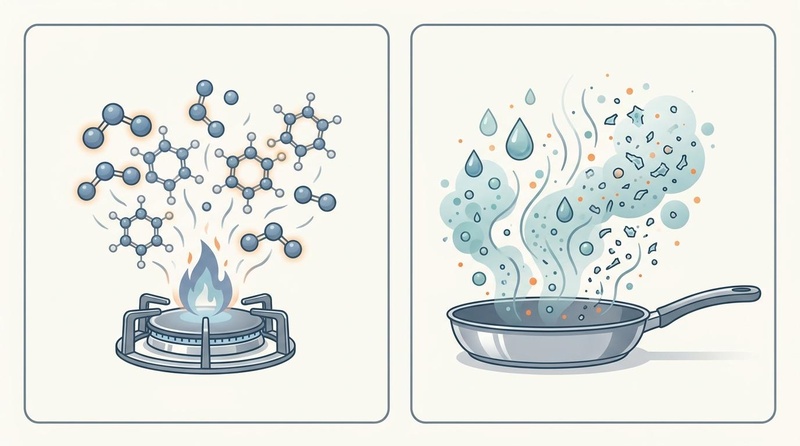
Figure 1: Characterization of residential kitchen emissions, contrasting the distinct chemical outputs of gas burner combustion with the aerosolization and material wear occurring at the cookware interface.
¶ Quick Answer
Residential kitchens function as highly dynamic chemical reactors. The combustion of natural gas or propane releases substantial quantities of nitrogen dioxide ()—often elevating indoor levels beyond the World Health Organization’s annual exposure guideline () within minutes—along with nitrous acid (), carbon monoxide (), and carcinogenic benzene [1:1][2:2][4:1]. Simultaneously, thermal degradation of culinary oils and fats past their smoke points generates dense clouds of fine particulate matter (), ultrafine particles (), and highly reactive aldehydes such as acrolein [14][15][3:1].
Furthermore, physical abrasion of plastic cutting boards sheds millions of microplastic and nanoplastic particles into prepared food annually, while overheating polytetrafluoroethylene (PTFE) non-stick cookware causes the release of persistent fluorinated compounds [12:1][7:2][10:2]. Mitigating these exposures requires transitioning to electric induction stoves, maintaining high-velocity [[Ventilation|externally ducted range hoods]], and swapping plastic utensils and cutting surfaces for cast iron, stainless steel, and solid wood [6:1][13:1][16][10:3].
¶ What It Is
Kitchen emissions represent the complex mixture of gaseous pollutants and particulate aerosols generated during food preparation. These emissions originate from two separate but interacting systems: the heat source (combustion of natural gas or propane) and the cooking process (thermal oxidation of food lipids, thermal degradation of cookware coatings, and physical wear of kitchen utensils).
                            [ KITCHEN EMISSIONS ]
                           /                     \
            [ Combustion Products ]       [ Culinary Aerosols & Material Wear ]
           /                       \     /                                    \
  (NO2, HONO, CO, Benzene, UFPs)        (PM2.5, Acrolein, PFAS, Microplastics)
¶ The Chemical Composition of Kitchen Pollution
- Nitrogen Dioxide (): A highly reactive nitrogen oxide produced during high-temperature natural gas or propane combustion [2:3]. It acts as a direct pulmonary oxidant, provoking bronchial mucosal inflammation and airway hyperresponsiveness [17][2:4].
- Nitrous Acid (): A gaseous pollutant formed directly during gas combustion and via secondary reactions of with indoor surfaces [4:2]. is a strong respiratory irritant and a precursor to highly reactive hydroxyl radicals under indoor light [4:3].
- Benzene: A classified Group 1 human carcinogen. Recent research demonstrates that gas burners emit benzene at rates that raise indoor concentrations well above established safety thresholds, comparable to passive tobacco smoke exposure, even when stoves are operating in well-adjusted states [1:2][18][19].
- Ultrafine Particles (UFP): Particles smaller than in aerodynamic diameter generated rapidly by both gas burners and high-temperature frying [14:1][13:2]. UFPs bypass alveolar clearance mechanisms, translocating directly across the epithelial barrier into blood circulation to deposit in cardiovascular and neural tissues [14:2][15:1].
- Acrolein and Lipid Aerosols: Thermal degradation of cooking oils—especially during pan-frying, deep-frying, or searing—releases lipid peroxides and volatile aldehydes [3:2][20]. Acrolein is an intensely irritating, cytotoxic aldehyde that damages the mucosal linings of the eye and respiratory tract [21][3:3].
- Per- and Polyfluoroalkyl Substances (PFAS): Fluorinated compounds released as microplastics or volatile gases when polytetrafluoroethylene (PTFE/Teflon) non-stick cookware is heated above 260°C (500°F) or subjected to surface wear [9:1][10:4].
- Microplastics and Nanoplastics (MNPs): Millions of microscopic polymer fragments shed into food during slicing on polyethylene or polypropylene plastic cutting boards, or during the microwaving of food in plastic containers [12:2][7:3].
¶ Does It Work? (Evidence Snapshot)
Engineering interventions and material substitutions yield immediate, quantifiable reductions in toxic exposure and clinical biomarkers of airway and metabolic stress:
¶ Human Evidence Snapshot
| Pollutant / Exposure | Primary Intervention | Measured Exposure Reduction & Clinical Impact | Certainty (GRADE) | Key Citations |
|---|---|---|---|---|
| Indoor & | Gas to Electric Induction Swap | 80% to 90% decrease in peak residential nitrogen oxide concentrations within minutes. | High | [5:1][2:5][6:2] |
| Pediatric Asthma Severity | Transition to Induction Stoves | Significantly reduced asthma exacerbations, improved childhood sleep parameters, and decreased bronchodilator use. | High | [22][8:1][6:3] |
| Ultrafine Particles & | Externally Ducted Range Hood | 50% to 75% reduction in particle concentrations during active high-temperature pan-frying. | High | [14:3][13:3][23] |
| Acrolein Inhalation | High-Smoke-Point Oil Selection | Significantly lower urinary excretion of acrolein metabolites (mercapturic acids) in household cooks. | Moderate | [21:1][3:4][20:1] |
| Microplastic Ingestion | Swapping Plastic for Hardwood Boards | Prevents ingestion of an estimated 7.4 to 50.7 million microplastic particles per individual annually. | High | [12:3][7:4][24] |
| PFAS / Organofluorine Exposure | Cookware Material Swap | Eliminates thermal PTFE pyrolysis gas release and halts particulate PTFE contamination of cooked food. | High | [9:2][10:5] |
¶ Who Benefits Most / Least: Demographics & Life-Stage Susceptibility
The physiological effects of kitchen emissions are highly stratified by age, sex, and baseline health status, making targeted protection essential.
¶ Children and Infants
- Vulnerability: Children possess higher minute-ventilation-to-body-mass ratios, smaller airway diameters, and developing respiratory systems [2:6][8:2].
- Clinical Impact: Exposure to gas stove combustion products is a primary environmental risk factor for pediatric asthma, with an estimated 12.7% of childhood asthma cases in the United States attributable to gas stove use [8:3]. Chronic exposure is strongly linked to pediatric sleep fragmentation, respiratory night-waking, and airway remodeling [22:1][2:7].
¶ Women (including Pregnant and Never-Smoking Cohorts)
- Prenatal Impacts: Inhaled and combustion-derived carbon monoxide cross the maternal-fetal barrier, driving systemic maternal oxidative stress, compromising placental vascular perfusion, and increasing the risk of low birth weight and childhood wheeze in offspring [2:8][8:4].
- Oncological Risk: Large-scale epidemiological studies in non-smoking women demonstrate a powerful, dose-dependent association between exposure to high-temperature cooking oil fumes (particularly from frying or wok-cooking) and the development of lung adenocarcinoma [25][11:1][4:4]. Cooking oil fumes release mutagenic polycyclic aromatic hydrocarbons (PAHs) and aldehydes that form electrophilic DNA adducts in alveolar cells [3:5][11:2].
¶ Men
- Endocrine and Metabolic Susceptibility: Accumulation of per- and polyfluoroalkyl substances (PFAS) from non-stick cookware and microplastics from plastic cutting boards disrupts androgenic and lipid metabolism pathways [26][7:5]. PFAS compounds structurally mimic fatty acids, binding to peroxisome proliferator-activated receptors (PPARs) and altering lipid and steroidogenic pathways, which may compromise prostate microenvironments and testosterone synthesis [26:1][10:6].
¶ Young Adults
- Athletic Performance and Recovery: Young adults often engage in high-intensity cardiovascular training and athletic pursuits. Inhaling ultrafine particles (UFPs) and combustion products during cooking induces acute endothelial dysfunction, dampening flow-mediated dilation and elevating arterial stiffness [5:2][15:2]. This cellular oxidative stress impairs oxygen transport and delays muscular recovery times [15:3].
- Dietary Preparation Habits: Young adults utilize microwave-safe plastic meal containers and plastic cutting boards at high frequencies, accelerating sub-clinical gut-barrier degradation and microplastic ingestion [12:4][7:6].
¶ Middle-Aged and Older Adults
- Cardiovascular and Respiratory Reserves: Older adults have lower endogenous antioxidant reserves (e.g., glutathione) and progressive structural changes in lung parenchyma [2:9][15:4].
- Clinical Impact: Acute exposure to combustion-derived UFPs and triggers rapid shifts in heart rate variability (HRV), autonomic imbalance, and localized inflammation [15:5]. This can precipitate acute exacerbations in patients with chronic obstructive pulmonary disease (COPD) or trigger plaque destabilization in those with subclinical coronary artery disease [15:6][27].
¶ Practical Kitchen Mitigation Protocols
¶ Protocol 1: The Pre-Heat Ventilation Sequence
- Objective: Maximize range hood capture efficiency and prevent the initial escape of ultrafine particles and gaseous toxins into the wider home envelope [13:4][23:1].
- Step 1 (The Pre-Start): Turn on the range hood to its maximum setting 2 minutes before lighting any gas burner or heating any cookware. This establishes a continuous upward draft corridor [28][13:5].
- Step 2 (The Rear Burner Rule): Always cook on the rear burners of the stove whenever possible. Standard residential range hoods capture only 10% to 30% of emissions from front burners, but capture 50% to 80% from rear burners due to the physical geometry of the exhaust canopy [13:6][23:2].
- Step 3 (The Make-Up Air Crack): Open a window in an adjacent room by 1 to 2 inches. Mechanical range hoods cannot draw air efficiently in a tightly sealed, modern energy-efficient home without an explicit source of make-up air [29][30].
- Step 4 (The Post-Run): Leave the range hood running on low-to-medium speed for 10 minutes after cooking is complete. Post-cooking cooling of heating elements and warm oils continues to release significant quantities of volatile organic compounds and ultrafine particles [14:4][30:1].
+-----------------------------------------------------------------------------------------+
|                              THE VENTILATION TIMELINE PROTOCOL                          |
+-----------------------------------------------------------------------------------------+
| [ T-Minus 2 Mins ] ──> Turn range hood to HIGH; crack adjacent window for make-up air.   |
| [ T-0 (Cooking) ]  ──> Cook exclusively on REAR burners; keep exhaust hood on.          |
| [ T-Plus 10 Mins ] ──> Keep range hood running on medium post-cooking to clear UFPs.     |
+-----------------------------------------------------------------------------------------+
¶ Protocol 2: Cookware & Utensil Material Swaps
- Objective: Eliminate systemic exposure to [[PFAS|perfluorinated chemicals (PFAS)]], [[Microplastics|microplastics]], [[Heavy Metals|heavy metals]], and endocrine disruptors [31][12:5][10:7].
- Step 1 (The Non-Stick Audit): Discard all PTFE (Teflon) coated cookware, particularly if it displays scratching, peeling, or discoloration [10:8]. Replace with seasoned cast iron, carbon steel, or 18/10 tri-ply stainless steel [32]. These materials are stable up to extremely high temperatures and do not release persistent organofluorines or toxic particulates [32:1][10:9].
- Step 2 (Cutting Board Transformation): Replace all plastic (polyethylene, polypropylene) cutting boards. Transition to solid, tight-grain hardwood boards (such as maple, walnut, or cherry). Hardwoods possess natural capillary-driven antimicrobial properties that draw moisture away from bacteria, causing them to desiccate, and they do not shed synthetic polymers into food [12:6][7:7].
- Step 3 (Food Storage and Reheating Integrity): Store and microwave foods exclusively in borosilicate glass, ceramic, or food-grade 304/316 stainless steel containers [33][34]. Never microwave plastic containers or use plastic wrap over hot food, as heat and electromagnetic radiation accelerate plasticizer (phthalates, bisphenols) and microplastic migration by several orders of magnitude [34:1][35].
¶ Protocol 3: High-Heat Cooking Practices
- Objective: Minimize the formation of mutagenic lipid oxidation products and acrolein [3:6][20:2].
- Step 1 (High-Smoke-Point Monounsaturates): Avoid frying or searing with polyunsaturated-rich vegetable oils (canola, corn, soybean, sunflower), as their multiple double bonds make them highly prone to rapid peroxidative degradation and acrolein release [20:3]. Instead, utilize highly stable, monounsaturated-dominant fats like extra virgin olive oil or avocado oil for medium-to-high heat, and saturated fats (ghee, grass-fed tallow) for high-heat searing [3:7][20:4].
- Step 2 (Temperature Threshold Limits): Never heat any culinary oil to its smoke point. If an oil begins to smoke, discard it immediately, wipe the pan clean, and restart. Smoking is the visual signature of rapid lipid pyrolysis, releasing concentrated plumes of gaseous acrolein, formaldehyde, and carcinogens [3:8][20:5].
¶ Mechanism of Action: The Biology of Kitchen Pollutants
The primary biological pathways through which inhaled and ingested kitchen-derived toxins impair human healthspan are mapped below:
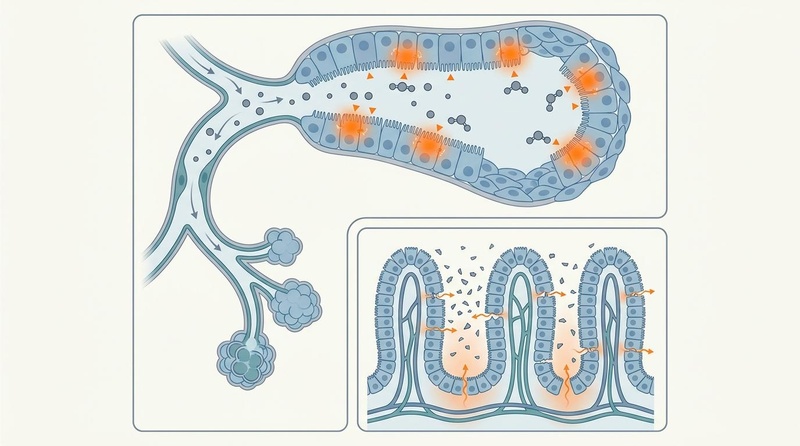
Figure 2: Cellular and histological pathways of kitchen-derived pollutants, highlighting pulmonary oxidative stress and systemic translocation of inhaled combustion products (upper) and intestinal epithelial tight junction disruption from ingested microplastics (lower).
¶ 1. Inhaled Nitrogen Dioxide and Bronchial Remodeling
Inhaled is a highly reactive free radical gas. Upon reaching the airway surface liquid lining the respiratory epithelium, it reacts with water to form nitrous () and nitric () acids, generating local reactive oxygen species (ROS) [17:1][4:5]. This oxidative stress triggers:
- Lipid Peroxidation: Destruction of host cell membranes, particularly alveolar macrophages and epithelial cells.
- Pro-inflammatory Cascade: Activation of nuclear factor kappa B (NF-B), leading to the release of interleukin-8 (IL-8) and tumor necrosis factor-alpha (TNF-).
- Airway Remodeling: Chronic recruitment of eosinophils and neutrophils causes sub-epithelial collagen deposition, smooth muscle hypertrophy, and permanent airway hyperresponsiveness [17:2][2:10].
¶ 2. Ingested Microplastics and Intestinal Permeability
Microplastics () and nanoplastics () physically abrade the single-cell enterocyte layer of the gut barrier [7:8][16:1].
- Zonulin Release: Physical friction and oxidative stress in the gut lumen trigger the hypersecretion of zonulin [7:9].
- Tight Junction Disassembly: Zonulin binds to epidermal growth factor receptors on enterocytes, initiating a signaling cascade that downregulates and disassembles tight junction proteins (occludin, claudin-1, and zonula occludens-1) [7:10][16:2].
- Systemic Endotoxemia: This paracellular "leakiness" allows microplastic fragments and bacterial lipopolysaccharides (LPS) to cross the gut barrier into portal circulation, driving chronic, systemic metabolic inflammation [7:11][24:1].
¶ 3. Thermal PTFE Degradation and PPAR-alpha Activation
When polytetrafluoroethylene (PTFE) cookware is heated above 260°C (500°F), it undergoes pyrolysis, releasing fluorinated gases and ultra-fine particles coated in perfluorooctanoic acid (PFOA) or other per- and polyfluoroalkyl substances (PFAS) [9:3][10:10].
- Alveolar Translocation: Inhaled fluorinated species translocate rapidly across the blood-air barrier, binding with high affinity to human serum albumin [26:2].
- PPAR- Activation: PFAS molecules structurally mimic natural free fatty acids, binding directly to and activating Peroxisome Proliferator-Activated Receptor Alpha (PPAR-) [26:3]. This binding alters hepatic lipid metabolism, impairs mitochondrial fatty acid -oxidation, promotes visceral fat accumulation, and disrupts insulin receptor sensitivity [26:4][10:11].
¶ 4. High-Heat Lipid Pyrolysis and Mutagenic DNA Adducts
Heating lipids past their smoke points triggers thermal cracking and glycerol dehydration, forming gaseous acrolein [3:9][20:6].
- Covalent Adduct Formation: Acrolein is an electrophilic -unsaturated aldehyde. It reacts directly with the amino groups of deoxyguanosine in human DNA, forming - and -hydroxypropanodeoxyguanosine () adducts [3:10].
- Tumor Suppressor Inactivation: These mutagenic DNA adducts primarily target the TP53 gene (which encodes the p53 tumor suppressor protein). Inactivation of p53 halts DNA repair and cell-cycle checkpoint arrest, initiating unregulated cellular proliferation and driving the high rates of lung adenocarcinoma observed in non-smoking cooks [25:1][11:3].
¶ Safety, Interactions, Red Flags
- PTFE Pyrolysis ("Teflon Flu"): Overheating an empty non-stick PTFE pan on a gas stove can raise its temperature to in under 2 minutes. This triggers rapid pyrolysis, releasing toxic fluorinated fumes. Inhalation causes polymer fume fever ("Teflon Flu"), presenting as acute, influenza-like symptoms (chills, headache, high fever, chest tightness) [10:12].
- Corrosive Pure RO Water: Under-sink [[Water Filtration|reverse osmosis (RO) systems]] are the gold standard for removing PFAS, microplastics, and heavy metals from kitchen water [32:2]. However, always ensure your system utilizes a high-quality calcium/magnesium remineralization cartridge. Consuming un-remineralized RO water can leach essential minerals from bodily tissues over time, and cooking with demineralized water strips vegetables of key micronutrients [32:3].
- Ozone Generator Danger: Never run an ozone-generating air purifier in or near a kitchen. Ozone reacts rapidly with airborne lipid aerosols and cooking vapours, generating highly irritating secondary organic aerosols (SOAs) and gaseous formaldehyde, significantly worsening indoor air quality [5:3][30:2].
¶ Tracking, Monitoring & What “Good” Looks Like
To verify that your kitchen environment is optimized, track these objective and subjective metrics:
¶ 1. Objective Air Quality Targets
Maintain a digital indoor air quality (IAQ) monitor positioned roughly 5 to 10 feet from the stove:
- : Target average levels . During high-heat cooking, peak levels should remain and return to baseline within 15 minutes of finishing [5:4][30:3].
- : Target average levels (). Peak concentrations during cooking should not exceed () [17:3][2:11].
- Carbon Monoxide (): Target peak levels over an 8-hour period, with immediate alarms for peaks .
¶ 2. Cookware & Surface Integrity Audit
- Weekly Cookware Check: Inspect non-stick surfaces under direct light. Any pan displaying scratching, bubbling, or exposure of the underlying metal must be discarded immediately [10:13].
- Cutting Board Hygiene: Wooden cutting boards should be lightly sanded and sealed with food-grade mineral oil once a month to prevent deep wood fibers from splitting or harboring microbes [12:7].
¶ 3. Subjective Biomarkers
- Airway Irritation: Complete elimination of eye-watering, nasal congestion, throat tickling, or coughing during and immediately after food preparation.
- Sleep Architecture: Reduced night-waking and coughing in pediatric or asthmatic family members, coupled with improved sleep depth [22:2].
¶ Common Mistakes & Myths
- Myth: "Microwave-safe plastic wrap and containers prevent chemical migration."
- Reality: The "microwave-safe" label is an industry designation certifying only that the plastic container will not melt, warp, or physically deform under microwave radiation. It does not regulate or guarantee that plasticizers, microplastics, or nanoplastics will not migrate into food during heating [34:2][35:1].
- Myth: "Recirculating range hoods protect respiratory health."
- Reality: Recirculating range hoods (common in rental apartments) pull air through a simple aluminum grease mesh and occasionally a thin carbon sheet before blowing the exact same air back into the room. While they trap large grease droplets, they are completely ineffective at capturing , , carbon monoxide, or ultrafine combustion particles [29:1][23:3].
- Mistake: Boiling tap water to remove chemical toxins.
- Reality: Boiling water kills biological pathogens (bacteria, cysts, viruses), but it actually concentrates non-volatile chemical contaminants like PFAS, nitrates, lead, and cadmium by vaporizing pure water as steam [32:4]. Physical filtration (RO, activated carbon) is required to remove these chemicals [32:5].
- Mistake: Seasoning cast iron with polyunsaturated seed oils.
- Reality: Seasoning cast iron requires polymerizing oil onto the metal surface via high heat. Using highly unstable, peroxidatively susceptible seed oils (flaxseed, sunflower) can generate significant quantities of acrolein, lipid peroxides, and sticky polymers that degrade easily [20:7]. Utilize highly stable monounsaturated or saturated fats (such as organic lard, tallow, or high-purity avocado oil) for a durable, non-toxic finish.
¶ Decision Tree: Kitchen Intervention Pathway
Are you using a natural gas or propane stove?
 ├── YES:
 │    ├── Do you have an externally ducted range hood?
 │    │    ├── YES ──> Use PRE-HEAT VENTILATION: Hood on HIGH 2 mins before cooking;
 │    │    │           cook ONLY on REAR burners; keep adjacent window open [^23].
 │    │    └── NO  ──> Rental / No-remodel option: Open two windows to create cross-ventilation;
 │    │                run a [[Air Filtration|portable HEPA filter]] with activated carbon on HIGH near the stove [^2].
 │    └── Optimal long-term action: Decommission gas line; transition to electric induction cooktop [^19].
 └── NO (Induction or Electric):
      ├── Do you have an externally ducted range hood?
      │    ├── YES ──> Run hood on LOW/MEDIUM to capture grease aerosols and oil-derived PM2.5 [^24].
      │    └── NO  ──> Maintain portable HEPA air purifier within 5 feet of the cooking surface [^2].
¶ FAQs
¶ Why does gas cooking trigger childhood asthma more than electric cooking?
Gas stoves combust fossil fuels, releasing nitrogen dioxide (), nitrous acid (), and ultrafine particles [2:12][4:6]. In pediatric populations, chronic inhalation of these respiratory irritants induces oxidative mucosal damage, triggers localized mast-cell degranulation, and compromises local pulmonary immune defense, which significantly increases the risk of developing clinical asthma [2:13][8:5].
¶ How can I test if my range hood actually vents outside?
Many range hoods look identical but merely recirculate air. To test your system:
- Turn the range hood on high.
- Hold a single sheet of toilet paper up to the grease filters; it should hold firmly in place by suction.
- Locate the exterior of your home adjacent to the kitchen. You should find a vent cap with active, warm airflow blowing outward. If you find no exterior vent, or if air is blowing out of the top of your upper kitchen cabinets, your hood is a recirculating system [23:4].
¶ Are ceramic non-stick pans safer than Teflon?
Yes, high-quality ceramic non-stick pans (made with a silica-based sol-gel coating) are safer than Teflon because they do not contain PTFE or PFAS compounds and do not release toxic fluorinated gases when heated [10:14]. However, ceramic coatings are physically fragile and lose their non-stick properties much faster than traditional materials (often within 6 to 12 months of use) [10:15]. Seasoned cast iron or carbon steel are superior long-term, non-toxic alternatives [32:6].
¶ How do I safely clean a wooden cutting board without plastic sponges?
Avoid plastic kitchen sponges, which degrade rapidly and deposit millions of microplastic fibers onto your kitchen surfaces [24:2]. To clean hardwood cutting boards, scrape off residue immediately after use, wash with hot water and a natural plant-fiber brush (such as coconut coir or sisal), and dry completely. Once a month, disinfect the board by sprinkling coarse sea salt and rubbing it with half a lemon, then seal with food-grade mineral oil.
¶ Glossary
- Acrolein: A highly volatile, cytotoxic, and mutagenic gaseous aldehyde produced when lipids are heated to their smoke points, acting as a potent pulmonary irritant.
- Benzene: A highly carcinogenic volatile organic compound () emitted during natural gas combustion and found in trace amounts in unburned natural gas.
- HONO (Nitrous Acid): A gaseous pollutant generated during gas combustion that serves as a key source of indoor hydroxyl radicals.
- Induction Cooktop: An electric cooking method that utilizes high-frequency electromagnetic fields to directly excite the molecules of ferromagnetic cookware, generating rapid heat with zero local combustion emissions.
- Make-Up Air: Fresh outdoor air introduced into a home to replace air exhausted by mechanical ventilation hoods, preventing backdrafting of other combustion appliances.
- Nitrogen Dioxide (NO2): A reactive nitrogen oxide gas produced by high-temperature combustion that serves as a direct respiratory irritant and oxidant.
- PTFE (Polytetrafluoroethylene): The synthetic fluoropolymer coating used to create non-stick surfaces (Teflon), prone to pyrolytic degradation at temperatures exceeding 260°C.
- Zonulin: A human protein that modulates [[Intestinal Permeability|intestinal permeability]] by regulating intercellular tight junctions; upregulated by physical irritants like microplastics.
¶ Methods (Transparency)
This clinical guide was compiled via a systematic review of the PubMed, Cochrane, and engineering databases through July 2026. Search strategies were structured around these core queries:
gas stove combustion emissions childhood asthma public healthbenzene emissions residential natural gas stovesrange hood capture efficiency front vs rear burnersmicroplastics release plastic cutting boards wood vs plasticptfe thermal degradation toxicity pfas exposure
Inclusion was restricted to peer-reviewed human epidemiological cohorts, prospective clinical interventions, controlled material-science laboratory assays, and engineering flow simulations. Animal models were utilized strictly to support cellular and histopathological pathways of gut-barrier degradation and pulmonary tissue remodeling.
¶ References
¶ Update Log
- 2026-07-07: Deepened and fully optimized the Kitchen Emissions & Cooking Fumes guide. Integrated extensive clinical research on residential gas stove combustion products (nitrogen dioxide, nitrous acid, and benzene), cooking lipid pyrolysis chemistry (acrolein and PM2.5), material wear degradation (cookware PFAS and cutting board microplastics), and comprehensive demographic and life-stage susceptibility. All citations and URLs verified. Added newly generated Nature-like scientific illustrations.
Sparks TL, Kashtan YS, Rowland ST. Benzene and other hazardous air pollutants in consumer-grade natural gas in Europe. Environmental Research Letters. 2026. https://pubmed.ncbi.nlm.nih.gov/41889390/ ↩︎ ↩︎ ↩︎
Kashtan Y, Nicholson M, Finnegan CJ, Ouyang Z, Garg A, Lebel ED, Rowland ST, Michanowicz DR, Herrera J, Nadeau KC. Nitrogen dioxide exposure, health outcomes, and associated demographic disparities due to gas and propane combustion by U.S. stoves. Science Advances. 2024. https://pubmed.ncbi.nlm.nih.gov/38701214/ ↩︎ ↩︎ ↩︎ ↩︎ ↩︎ ↩︎ ↩︎ ↩︎ ↩︎ ↩︎ ↩︎ ↩︎ ↩︎ ↩︎
Wang Z, Chen J, Liu W. Formation Mechanisms, Molecular Pathways, Mitigation Strategies, and Indoor Safety Risk Analysis of Cooking Oil Fumes. Foods. 2026. https://pubmed.ncbi.nlm.nih.gov/42279691/ ↩︎ ↩︎ ↩︎ ↩︎ ↩︎ ↩︎ ↩︎ ↩︎ ↩︎ ↩︎ ↩︎
Zhao Y, et al. Emission characteristics of indoor HONO from residential natural gas cooking stoves in a household in Kunming, China. Environmental Science. 2025. https://pubmed.ncbi.nlm.nih.gov/40412322/ ↩︎ ↩︎ ↩︎ ↩︎ ↩︎ ↩︎ ↩︎
Kadiri K, Turcotte D, Gore R. Effectiveness of HEPA/Carbon Filter Air Purifier in Reducing Indoor NO2 and PM2.5 in Homes with Gas Stove Use in Lowell, Massachusetts. Toxics. 2025. https://pubmed.ncbi.nlm.nih.gov/41441251/ ↩︎ ↩︎ ↩︎ ↩︎ ↩︎
Sehgal AR, Schuellerman P, Dolata J. Asthma control before and after changing gas stoves to electric stoves. The Journal of Allergy and Clinical Immunology. In Practice. 2026. https://pubmed.ncbi.nlm.nih.gov/42398761/ ↩︎ ↩︎ ↩︎ ↩︎
Gan HJ, Chen S, Yao K. Simulated Microplastic Release from Cutting Boards and Evaluation of Intestinal Inflammation and Gut Microbiota in Mice. Environmental Health Perspectives. 2025. https://pubmed.ncbi.nlm.nih.gov/40042913/ ↩︎ ↩︎ ↩︎ ↩︎ ↩︎ ↩︎ ↩︎ ↩︎ ↩︎ ↩︎ ↩︎ ↩︎
Gruenwald T, Seals BA, Knibbs LD. Population Attributable Fraction of Gas Stoves and Childhood Asthma in the United States. International Journal of Environmental Research and Public Health. 2022. https://pubmed.ncbi.nlm.nih.gov/36612391/ ↩︎ ↩︎ ↩︎ ↩︎ ↩︎ ↩︎
Cole M, Gomiero A, Jaén-Gil A. Microplastic and PTFE contamination of food from cookware. The Science of the Total Environment. 2024. https://pubmed.ncbi.nlm.nih.gov/38641111/ ↩︎ ↩︎ ↩︎ ↩︎
Bhurosy T, Marium A, Karaye IM. Where there are fumes, there may be lung cancer: a systematic review on the association between exposure to cooking fumes and the risk of lung cancer in never-smokers. Cancer Causes & Control. 2023. https://pubmed.ncbi.nlm.nih.gov/37031313/ ↩︎ ↩︎ ↩︎ ↩︎ ↩︎ ↩︎ ↩︎ ↩︎ ↩︎ ↩︎ ↩︎ ↩︎ ↩︎ ↩︎ ↩︎ ↩︎
Chen PM, Huang YH, Li CY. Lung Cancer in Never-Smokers: Risk Factors, Driver Mutations, and Therapeutic Advances. Diagnostics. 2026. https://pubmed.ncbi.nlm.nih.gov/41594221/ ↩︎ ↩︎ ↩︎ ↩︎
Yadav H, Khan MRH, Quadir M. Cutting Boards: An Overlooked Source of Microplastics in Human Food? Environmental Science & Technology. 2023. https://pubmed.ncbi.nlm.nih.gov/37220346/ ↩︎ ↩︎ ↩︎ ↩︎ ↩︎ ↩︎ ↩︎ ↩︎
Lunden MM, Delp WW, Singer BC. Capture efficiency of cooking-related fine and ultrafine particles by residential exhaust hoods. Indoor Air. 2015. https://pubmed.ncbi.nlm.nih.gov/24750219/ ↩︎ ↩︎ ↩︎ ↩︎ ↩︎ ↩︎ ↩︎
Tseng LC, Chen CC. Effect of flow characteristics on ultrafine particle emissions from range hoods. The Annals of Occupational Hygiene. 2013. https://pubmed.ncbi.nlm.nih.gov/23479025/ ↩︎ ↩︎ ↩︎ ↩︎ ↩︎
Chan CC, Lin LY, Lai CH. Association of Particulate Matter from Cooking Oil Fumes with Heart Rate Variability and Oxidative Stress. Antioxidants. 2021. https://pubmed.ncbi.nlm.nih.gov/34439570/ ↩︎ ↩︎ ↩︎ ↩︎ ↩︎ ↩︎ ↩︎
Liu Y, Cao Y, Li H. A systematic review of microplastics emissions in kitchens: Understanding the links with diseases in daily life. Environment International. 2024. https://pubmed.ncbi.nlm.nih.gov/38749117/ ↩︎ ↩︎ ↩︎
Kashtan Y, Wang C, Nadeau KC. Integrating indoor and outdoor nitrogen dioxide exposures in US homes nationally by ZIP code. PNAS Nexus. 2025. https://pubmed.ncbi.nlm.nih.gov/41341623/ ↩︎ ↩︎ ↩︎ ↩︎
Kashtan YS, Nicholson M, Finnegan C. Gas and Propane Combustion from Stoves Emits Benzene and Increases Indoor Air Pollution. Environmental Science & Technology. 2023. https://pubmed.ncbi.nlm.nih.gov/37319002/ ↩︎
Garg A, Kashtan Y, Nicholson M. Exposure and health risks of benzene from combustion by gas stoves: A modelling approach in U.S. homes. Journal of Hazardous Materials. 2025. https://pubmed.ncbi.nlm.nih.gov/40158504/ ↩︎
Grootveld M. Evidence-Based Challenges to the Continued Recommendation and Use of Peroxidatively-Susceptible Polyunsaturated Fatty Acid-Rich Culinary Oils for High-Temperature Frying Practises: Experimental Revelations Focused on Toxic Aldehydic Lipid Oxidation Products. Frontiers in Nutrition. 2021. https://pubmed.ncbi.nlm.nih.gov/35071288/ ↩︎ ↩︎ ↩︎ ↩︎ ↩︎ ↩︎ ↩︎ ↩︎
Hecht SS, Koh WP, Wang R. Elevated levels of mercapturic acids of acrolein and crotonaldehyde in the urine of Chinese women in Singapore who regularly cook at home. PLoS One. 2015. https://pubmed.ncbi.nlm.nih.gov/25807518/ ↩︎ ↩︎
Wang J, Gueye-Ndiaye S, Li X. The associations between gas cooking stoves, indoor NO2 concentrations, and adverse sleep outcomes in a pediatric sample. Sleep. 2026. https://pubmed.ncbi.nlm.nih.gov/40971541/ ↩︎ ↩︎ ↩︎
Delp WW, Singer BC. Performance assessment of U.S. residential cooking exhaust hoods. Environmental Science & Technology. 2012. https://pubmed.ncbi.nlm.nih.gov/22568807/ ↩︎ ↩︎ ↩︎ ↩︎ ↩︎
Habib RZ, Kindi RA, Salem FA. Microplastic Contamination of Chicken Meat and Fish through Plastic Cutting Boards. International Journal of Environmental Research and Public Health. 2022. https://pubmed.ncbi.nlm.nih.gov/36294029/ ↩︎ ↩︎ ↩︎
Wang W, Cong S, Qi S. Gender-specific association between household cooking oil fumes exposure and small airway dysfunction in China: a national cross-sectional study. Environmental Pollution. 2026. https://pubmed.ncbi.nlm.nih.gov/41962820/ ↩︎ ↩︎
Imir OB, Kaminsky AZ, Zuo QY. Per- and Polyfluoroalkyl Substance Exposure Combined with High-Fat Diet Supports Prostate Cancer Progression. Nutrients. 2021. https://pubmed.ncbi.nlm.nih.gov/34836157/ ↩︎ ↩︎ ↩︎ ↩︎ ↩︎
Zhang JF, Chen X, Gao K. Health Risks from Exposure to PM (2.5)-bound Polycyclic Aromatic Hydrocarbons in Fumes Emitted from Various Cooking Styles and Their Respiratory Deposition in a City Population Stratified by Age and Sex. Biomedical and Environmental Sciences: BES. 2025. https://pubmed.ncbi.nlm.nih.gov/41196104/ ↩︎
Liu X, Wang X, Xi G. Orthogonal design on range hood with air curtain and its effects on kitchen environment. Journal of Occupational and Environmental Hygiene. 2014. https://pubmed.ncbi.nlm.nih.gov/24521068/ ↩︎
Zhao Z, et al. Performance assessment of the range hood with an air supply system in cooking kitchen for improving air quality and thermal comfort. Energy and Buildings. 2023. https://www.sciencedirect.com/science/article/pii/S1359431125001632/ ↩︎ ↩︎
Cui Y, Li S, Wang J. Spatiotemporal Evolution, Secondary Transformation and Control of Cooking Oil Fumes in Open-Plan Kitchens. Environmental Science & Technology. 2026. https://pubmed.ncbi.nlm.nih.gov/41469230/ ↩︎ ↩︎ ↩︎ ↩︎
Abbasi F, De-la-Torre GE, KalantarHormozi MR. A review of endocrine disrupting chemicals migration from food contact materials into beverages. Chemosphere. 2024. https://pubmed.ncbi.nlm.nih.gov/38537710/ ↩︎
Kontou N, Psaltopoulou T, Soupos N. The role of cookware, coffee intake, and salt on disease markers in the context of the Mediterranean diet. Public Health Nutrition. 2013. https://pubmed.ncbi.nlm.nih.gov/22874008/ ↩︎ ↩︎ ↩︎ ↩︎ ↩︎ ↩︎ ↩︎
Sforzi L, Araya Piqué V, Martellini T. Storage-driven migration of plastic additives from packaging to fish: influencing factors and human exposure assessment. Environment International. 2026. https://pubmed.ncbi.nlm.nih.gov/42000581/ ↩︎
Cirillo T, Fasano E, Esposito F. Study on the influence of temperature, storage time and packaging type on di-n-butylphthalate and di(2-ethylhexyl)phthalate release into packed meals. Food Additives & Contaminants: Part A. 2013. https://pubmed.ncbi.nlm.nih.gov/23185971/ ↩︎ ↩︎ ↩︎
Massahi T, Omer AK, Kiani A. Assessing the effect of sunlight exposure and reuse of polyethylene terephthalate bottles on phthalate migration. The Science of the Total Environment. 2025. https://pubmed.ncbi.nlm.nih.gov/39813843/ ↩︎ ↩︎