¶ Low-Toxin Home: Eliminating Modern Industrial Chemical Exposures
¶ TL;DR
- Verdict: Systematically minimizing exposure to modern synthetic chemicals (PFAS, microplastics, heavy metals, flame retardants, pesticides, and endocrine-disrupting chemicals) removes a primary driver of chronic immune activation, metabolic dysfunction, endocrine suppression, and accelerated epigenetic biological aging [1][2][3][4].
- Who It Is For: Critical for remote workers, pregnant women, planning couples, growing children, and individuals seeking to mitigate their long-term chronic bio-burden of bioaccumulative environmental toxicants [5][6][7][8].
- Expected Magnitude & Timeline: Point-of-use water filtration reduces drinking water PFAS and heavy metals by >99% instantly [9][10]. Swapping plastic cutting boards eliminates the ingestion of millions of microplastics annually [11]. In high-burden cohorts, repeated therapeutic plasma donation can reduce serum PFAS by ~30% over 12 months, and sauna sweating significantly elevates the clearance of phthalate metabolites and bisphenols [1:1][12][13].
- Key Risks: Epigenetic biological age acceleration, mitochondrial oxidation, multi-axis endocrine disruption (thyroid, estrogenic, androgenic), and elevated risk of major cardiovascular events [2:1][3:1][4:1][14].
- Next Steps: Establish a strict risk-prioritization strategy: install under-sink Reverse Osmosis (RO) water filtration with remineralization; replace plastic kitchenware with glass and hardwood; eliminate synthetic fragranced products; HEPA vacuum and damp-dust weekly; and deploy sweat or phlebotomy-based clearance protocols if historical bio-burden is elevated [9:1][15][12:1][11:1][5:1].
¶ Quick Answer
The modern residential exposome contains an unprecedented mixture of synthetic compounds that accumulate in human tissues. The primary vectors of indoor toxic exposure are drinking water (PFAS, heavy metals, disinfection byproducts), kitchen contact materials (microplastics from cutting boards, PFAS from non-stick cookware, plasticizers from heated food packaging), furnishings and finishes (flame retardants in mattresses, volatile organic compounds/VOCs from building materials), textiles (waterproof PFAS coatings and synthetic dyes), and cleaning and personal care products (phthalates and formaldehyde-releasing preservatives) [9:2][3:2][16][15:1][5:2][7:1][17][18].
To establish a low-toxin home, prioritize physical barriers and material substitutions based on their ingestion and contact risks. This includes using multi-stage Reverse Osmosis filtration for all cooking and drinking water, swapping plastic cutting boards for solid hardwood, choosing non-PTFE cookware (stainless steel or cast iron), vacuuming weekly with a sealed HEPA vacuum to clear pesticide and flame-retardant dust, and selecting certified fragrance-free formulations [9:3][15:2][11:2][4:2][5:3][19]. For individuals with high pre-existing body burdens, clinically validated clearance protocols—such as targeted plasma donation, supervised bile acid sequestrants, and sweat-based infrared sauna therapies—can accelerate the elimination of accumulated lipophilic toxicants [1:2][20][12:2][13:1].
¶ The Household Exposome & Exposure Vectors
Our immediate indoor environment serves as a continuous physical interface with hundreds of synthetic industrial chemicals. Rather than isolated events, exposure occurs through constant low-dose ingestion, inhalation of dust and off-gassed VOCs, and dermal absorption from textiles and personal care products.
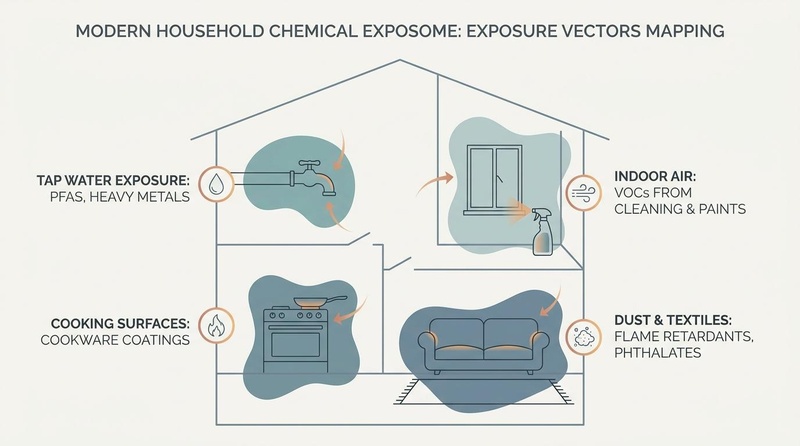
Figure 1: The Modern Household Exposome. A schematic mapping common residential exposure vectors: drinking water contaminants, synthetic kitchen materials, off-gassing furnishings, and airborne volatile organic compounds.
¶ Key Pollutant Classes & Demographic Risks
Different demographic cohorts exhibit varying vulnerabilities to specific chemical classes. To design highly targeted interventions, clinicians must map these pollutants to their biological effects and high-risk populations.
¶ 1. Per- and Polyfluoroalkyl Substances (PFAS)
PFAS are highly fluorinated aliphatic molecules possessing some of the strongest chemical bonds in nature (carbon-fluorine), earning them the designation "forever chemicals" [9:4].
- Primary Household Vectors: Municipal drinking water, non-stick (PTFE/Teflon) cookware, grease-resistant food packaging (microwave popcorn bags, fast-food wrappers), and stain- and water-repellent carpets, furniture, and outdoor apparel [9:5][18:1].
- Physiological Impact: PFAS behave as structural mimics of free fatty acids, binding to peroxisome proliferator-activated receptors (PPARs) and serum albumin. They disrupt thyroid axis homeostasis, promote liver fat accumulation (NAFLD pathways), alter lipid panels (elevating ApoB and LDL), and accelerate epigenetic biological aging markers [1:3][2:2][21].
- Demographic Vulnerability:
- Women & Young Adults: Gestational PFAS exposure is highly correlated with altered maternal thyroid levels and direct transplacental transfer to the fetus, posing neurodevelopmental and metabolic risks in early childhood [2:3][6:1].
- Middle-Aged & Older Adults: Accelerates vascular senescence and worsens metabolic dysfunction, compounding pre-existing cardiovascular risk profiles [2:4][4:3].
¶ 2. Phthalates & Plasticizers
Phthalates are dialkyl or alkyl arylesters of 1,2-benzenedicarboxylic acid, used as plasticizers to impart flexibility to polyvinyl chloride (PVC) plastics and as solvents/stabilizers in synthetic fragrances [5:4][22].
- Primary Household Vectors: Soft plastic food storage containers, plastic wrap, vinyl flooring, shower curtains, and personal care products (perfumes, colognes, hair sprays, shampoos) where they are labeled under "fragrance" or "parfum" [5:5][21:1].
- Physiological Impact: Phthalates behave as classic endocrine-disrupting chemicals (EDCs). They directly bind and interfere with nuclear estrogen and androgen receptors, altering steroidogenesis and feedback loops in the hypothalamic-pituitary-gonadal (HPG) axis [5:6][6:2].
- Demographic Vulnerability:
- Young Adults (Planning Couples): High phthalate exposure is strongly linked to decreased sperm count, compromised sperm motility, increased DNA fragmentation in spermatozoa, and decreased ovarian reserve markers in women [5:7][6:3].
- Menopausal Women: Interferes with residual endogenous estrogen production and can worsen metabolic shifts and lipid transitions during menopause [6:4].
¶ 3. Flame Retardants (PBDEs & OPEs)
Polybrominated diphenyl ethers (PBDEs) and newer organophosphate esters (OPEs) are incorporated into flammable materials to meet fire safety regulations [7:2][14:1].
- Primary Household Vectors: Polyurethane foam mattresses, upholstered furniture cushions, carpet padding, electronic casings, and children's sleepwear [7:3][17:1].
- Physiological Impact: Because flame retardants are not chemically bound to the foam substrate, they continuously migrate out of furniture, binding to settled household dust [7:4]. Once inhaled or ingested, they act as potent thyroid hormone disruptors, mimicking thyroxine () and displacing it from transport proteins (such as transthyretin), causing peripheral thyroid axis suppression and neurotoxicity [14:2].
- Demographic Vulnerability:
- Developing Children & Infants: Due to frequent hand-to-mouth behaviors and crawling on carpets, toddlers ingest up to 5-fold more dust-bound flame retardants than adults, which is linked to ADHD-like traits, motor delay, and executive function deficits [7:5][14:3][8:1].
- Older Adults: Chronic thyroid disruption can masquerade as subclinical hypothyroidism, driving age-related fatigue, cognitive slowing, and sarcopenia.
¶ 4. Volatile Organic Compounds (VOCs) & Formaldehyde
VOCs are organic chemicals with high vapor pressure at room temperature, causing them to off-gas continuously into indoor air [15:3][17:2].
- Primary Household Vectors: Engineered wood products (MDF, plywood containing urea-formaldehyde resins), soft polyurethane foams, solvent-based paints, varnishes, newly installed synthetic carpets, and conventional cleaning sprays [23][17:3][24].
- Physiological Impact: Chronic inhalation of VOCs like formaldehyde, benzene, and toluene induces sensory irritation, sensory-nerve sensitization, upper respiratory airway inflammation, and elevated cellular oxidative stress. Certain VOCs can react with ambient indoor ozone to form highly irritating secondary organic aerosols and ultra-fine particles [15:4][24:1].
- Demographic Vulnerability:
- Remote Workers & Young Adults: Spending of time indoors in tightly sealed, energy-efficient modern homes concentrates VOC exposures, contributing to chronic low-grade neuro-inflammation, brain fog, and respiratory hyper-reactivity [15:5][23:1].
- Older Adults & Asthmatics: Worsens age-associated declines in pulmonary elasticity and increases the frequency of acute respiratory exacerbations.
¶ 5. Residential Pesticides & Herbicides
Synthetic insecticides (primarily pyrethroids) and herbicides (such as glyphosate) are frequently used in home gardening, structural pest control, and public landscaping [19:1].
- Primary Household Vectors: Tracked-in outdoor soil on shoes, non-organic grocery produce, pet flea collars, and residential pest control treatments [19:2][8:2].
- Physiological Impact: Pyrethroids delay the closure of sodium channels in nerve membranes, leading to repetitive discharge and neurotoxicity. Chronic low-dose exposure is associated with cellular oxidative stress, disruption of dopaminergic pathways, and endocrine-disrupting behavior [19:3][8:3].
- Demographic Vulnerability:
- Toddlers & Infants: High exposure via soil and floor dust during critical neurological windows can impair early motor development and immune maturation [8:4].
- Middle-Aged & Older Adults: Chronic exposure is linked to accelerated mitochondrial dysfunction and elevated long-term risks of neurodegenerative pathologies.
¶ 6. Toxic Heavy Metals
Heavy metals are elemental contaminants that do not degrade, instead bioaccumulating silently within skeletal, renal, and neurological tissues [10:1][4:4].
- Primary Household Vectors: Lead and copper from aging municipal water service lines and brass household plumbing fixtures; lead and cadmium from low-quality glazed ceramic kitchenware and earthenware clay pots; and imported spices contaminated during grinding [10:2][4:5].
- Physiological Impact: Heavy metals displace essential divalent mineral co-factors (such as zinc, calcium, and iron) from key enzymatic sites. Lead, for instance, mimics calcium and binds to calmodulin, disrupting intracellular signaling, impairing nitric oxide synthase, driving vascular inflammation, elevating arterial stiffness, and inducing renal proximal tubular damage [4:6].
- Demographic Vulnerability:
- Older Adults: Bone acts as the lifetime reservoir for lead. During age-related bone remodeling and osteopenia (especially in postmenopausal women), skeletal lead is mobilized back into the bloodstream, triggering late-onset hypertension, arterial stiffness, and cognitive decline [4:7].
- Children: Highly vulnerable to irreversible neurological deficits from even trace blood lead levels.
¶ 7. Microplastics and Nanoplastics (MNPs)
Microplastics () and nanoplastics () are particulate fragments resulting from the physical weathering and thermal degradation of synthetic polymers [3:3][11:3][25].
- Primary Household Vectors: Chopping food on plastic cutting boards (polyethylene or polypropylene), drinking hot liquids from paper cups (which contain a hidden inner polyethylene liner), microwave-heating plastic food containers, and synthetic indoor textiles shedding fibers [11:4][26][25:1].
- Physiological Impact: Ingested MNPs mechanically abrade the intestinal mucosal barrier, degrade the protective mucus layer, alter gut microbiome ratios, and trigger local gut-immune activation. Nanoplastics can cross the gut epithelial barrier via transcellular transport, entering the bloodstream where they bind to low-density lipoproteins and accumulate in vascular tissue, directly promoting foam cell formation and atherogenesis [3:4][27].
- Demographic Vulnerability:
- Older Adults: Clinical trials have detected microplastics directly within human carotid arterial plaques. Their presence is associated with a 4.5-fold higher risk of myocardial infarction, stroke, or all-cause mortality, making MNP avoidance a primary cardiovascular priority [3:5].
- Young Adults & Children: Elevated intestinal exposure alters immune programming and can promote food allergen sensitivity via barrier disruption [5:8].
¶ 8. Synthetic Textiles & Apparel
Textiles represent a continuous, close-contact environmental interface that is often overlooked in traditional toxicology [28].
- Primary Household Vectors: Performance athletic clothing (polyester/nylon), water-resistant outerwear (treated with PFAS side-chain fluoropolymers), synthetic fleece blankets, and fire-resistant children's sleepwear [18:2][29][28:1].
- Physiological Impact: Synthetic fabrics shed microplastic fibers and are treated with chemical finishes, including phthalates, heavy metal mordants (such as antimony), and PFAS [28:2]. These compounds transfer from the fabric matrix to the skin, a process dramatically accelerated and amplified by human sweat [18:3]. Once dissolved in sweat, these lipophilic chemicals readily cross the stratum corneum, entering systemic circulation and bypassing first-pass hepatic metabolism [18:4].
- Demographic Vulnerability:
- Young Adults & Athletes: Intensive training in synthetic, tight-fitting athletic gear increases body temperature and sweat rates, vastly accelerating the transdermal transfer of textiles' PFAS and organophosphate plasticizers [18:5].
- Children: Developing skin is thinner and more permeable, making children highly susceptible to endocrine disruption from water-repellent outdoor wear and winter gloves [18:6][29:1].
¶ Does It Work? (Evidence Snapshot)
| Toxicants / Exposure Vectors | Targeted Intervention | Human Efficacy / Exposure Reduction | Certainty (GRADE) | Key Citations |
|---|---|---|---|---|
| Drinking Water PFAS | Under-Sink Reverse Osmosis | >99% removal of PFOA, PFOS, and short-chain PFAS compounds [9:6][10:3]. | High | [9:7][10:4] |
| Serum PFAS Accumulation | Therapeutic Plasma Donation | ~30% reduction in blood serum PFAS concentration over 12 months [1:4]. | High | [1:5][30] |
| Microplastic Ingestion | Hardwood vs. Plastic Cutting Boards | Eliminates ingestion of 7.4–50.7 million synthetic plastic particles annually [11:5]. | High | [11:6][27:1] |
| Urinary Phthalates / Bisphenols | Swapping Personal Care & Plastics | Swapping to fragrance-free cosmetics and glass containers reduces urinary metabolites within weeks [5:9][22:1]. | Moderate | [5:10][22:2] |
| Flame Retardants (Dust) | True HEPA Vacuuming & Wet Dusting | Reduces concentrations of flame retardants (PBDEs/OPEs) in settled house dust, lowering child intake [7:6]. | Moderate | [7:7][14:4] |
| Phthalate / BPA Clearance | Sweat-Based Sauna Therapy | Sweat concentrations of BPA and DEHP phthalate metabolites significantly exceed blood/urine levels [12:3][13:2]. | Moderate | [12:4][13:3] |
| PFAS / Epigenetic Aging | Chronic PFAS Exposure | Exposure levels are strongly linked to accelerated DNA methylation age [2:5][21:2]. | Moderate | [2:6][21:3] |
| VOCs & Formaldehyde | Eliminating Fragranced Cleaners | Prevents secondary organic aerosol and indoor formaldehyde formation from terpene-ozone chemistry [15:6][24:2]. | High | [15:7][24:3] |
¶ Risk Prioritization: The Hierarchy of Exposure
To optimize the return on effort and budget, interventions should follow a clinical risk-prioritization framework based on the route of exposure (ingestion has higher bioavailability than dermal contact) and exposure frequency.
                           [ RISK PRIORITIZATION PYRAMID ]

                                    / \
                                   /   \     TIER 1: INGESTION (Highest Risk)
                                  /     \    • Drinking Water (RO Filtration)
                                 / TIER  \   • Cooking surfaces & food packaging
                                /   1     \  • Cutting boards & heated plastics
                               /-----------\
                              /   TIER 2    \ TIER 2: CONTINUOUS CONTACT
                             /               \ • Personal care products & cosmetics
                            /-----------------\ • Sweat-contact textiles & athletic apparel
                           /     TIER 3        \ TIER 3: INHALATION / DUST SINK
                          /                     \ • Mattresses & furniture flame retardants
                         /-----------------------\ • Volatile organic compounds (VOCs) & paint
                        /        TIER 4           \ TIER 4: SECONDARY PATHWAYS
                       /                           \ • Tracked-in soil pesticide residues
                      +-----------------------------+ • Non-ingested structural surfaces
¶ Tier 1: Ingestion Vectors (Immediate Action Required)
Ingested environmental toxins enter the gastrointestinal tract directly, damage the gut mucosal barrier, alter the microbiome, and achieve high systemic bioavailability.
- Water: You consume liters of water daily. Purifying drinking and cooking water is the highest-yield intervention [9:8].
- Cookware: High-heat cooking on degraded non-stick surfaces causes direct ingestion of fluoropolymers and metal substrates [5:11].
- Food Contact & Cutting Boards: Microplastics and plasticizers transfer directly to food when cut on plastic or heated in plastic packaging [11:7][25:2].
¶ Tier 2: Continuous Contact Vectors (High-Yield Swaps)
Dermal contact allows highly lipophilic chemicals (such as phthalate solvents and fabric finishes) to partition directly into skin lipids and bypass first-pass hepatic clearance.
- Cosmetics & Shampoos: Applied directly to skin daily and left to absorb [5:12].
- Sweat-Contact Textiles: Synthetic materials release PFAS and flame retardants that transfer rapidly to skin when wet with sweat [18:7].
- Thermal Receipts: Handling receipts coated with unbound BPA/BPS represents a major source of transdermal bisphenol absorption [5:13].
¶ Tier 3: Inhalation & Settled Dust Vectors (Medium-Yield)
Household dust acts as a major environmental "sink" that concentrates flame retardants, heavy metals, and pesticide residues off-gassing from furnishings and tracked-in soils [7:8].
- Furnishings: Mattresses off-gas VOCs and flame retardants over years of close-proximity inhalation [7:9][17:4].
- Indoor Air: VOCs from cleaning agents and engineered wood concentrate in sealed rooms [15:8].
¶ Step-by-Step Low-Toxin Home Action Plan
¶ Phase 1: Water Purification Protocol
Do not rely on standard gravity-fed pitcher filters. They have short contact times and fail to remove short-chain PFAS, heavy metals, and disinfection byproducts over typical usage lifespans [9:9][10:5].
- Install Under-Sink Reverse Osmosis (RO):
- Select a multi-stage system featuring a sediment pre-filter, an activated carbon block pre-filter, a high-efficiency thin-film composite (TFC) RO membrane, and a post-filtration solid carbon block.
- This combination ensures >99% removal of lead, arsenic, copper, fluoride, microplastics, and both long- and short-chain PFAS compounds [9:10][10:6].
- Add Post-Filtration Remineralization:
- Pure RO water is highly demineralized and mildly acidic. Ensure the system includes a post-filtration remineralization cartridge (utilizing high-purity calcium carbonate and magnesium carbonate) to restore natural minerals and raise pH to a neutral or slightly alkaline range () [12:5].
- Point-of-Entry (POE) Carbon Filtration:
- If budget permits, install a whole-house activated carbon filtration system at the main water line. This removes chlorine and chloramines before they enter the home, preventing them from volatilizing into toxic chloroform gas during hot showers.
¶ Phase 2: Kitchenware & Food Packaging Overhaul
The kitchen is the most direct pathway for chemical ingestion. Material selection here must be highly conservative.
- Ditch Plastic Cutting Boards: Replace all plastic boards with solid, end-grain hardwood boards (e.g., maple, walnut, cherry). Hardwood contains natural antimicrobial tannins, does not shed microplastics, and preserves knife edges [11:8]. Avoid bamboo boards bound with formaldehyde-based glues.
- Cookware Swap: Eliminate all PTFE (Teflon) and non-stick aluminum cookware. Transition exclusively to:
- 18/10 Stainless Steel: Chemically inert, durable, and highly resistant to leaching under acidic cooking conditions.
- Seasoned Cast Iron or Carbon Steel: Naturally non-stick when seasoned with unsaturated fats, highly thermally stable, and leaches only bioavailable food-grade iron.
- 100% Pure Ceramic: Ensure it is certified lead- and cadmium-free.
- Food Storage & Heating:
- Store leftovers strictly in borosilicate glass or 304 food-grade stainless steel containers.
- Never heat food in plastic, and never use plastic wrap in the microwave, as thermal stress drives plasticizer migration directly into fat-dense food [16:1][25:3].
- Avoid paper cups and hot beverage lids lined with polyethylene; transition to glass, ceramic, or double-walled stainless steel mugs [26:1].
¶ Phase 3: Indoor Air, Dust, & Textile Mitigation
Indoor dust concentrates SVOCs (semi-volatile organic compounds) and heavy metals. Mitigating dust and off-gassing from home textiles is critical for cardiovascular and respiratory health.
- HEPA Vacuuming and Damp Dusting:
- Vacuum all carpets and area rugs at least weekly using a vacuum equipped with a sealed, certified HEPA filter. Standard vacuums lack airtight seals, blowing fine particulate matter and bound flame retardants back into the room [7:10].
- Perform all dusting with a damp microfiber cloth. Dry dusting aerosolizes toxic settled particles, converting them into an immediate inhalation hazard.
- Mattress and Furniture Audits:
- When purchasing mattresses or upholstered furniture, select brands certified by GOLS (Global Organic Latex Standard), GOTS (Global Organic Textile Standard), or Oeko-Tex Standard 100. These certifications guarantee the absence of brominated and organophosphate flame retardants, formaldehyde, and phthalates [7:11][17:5].
- Encase existing standard mattresses in fully sealed, TPU-lined organic cotton mattress covers to barrier off-gassing foams.
- Textile Swaps & Apparel Care:
- Prioritize natural, organic fibers (organic cotton, linen, hemp, merino wool) for bedding, towels, and next-to-skin clothing to eliminate synthetic polyester shedding and chemical fabric finishes [28:3].
- Wash New Apparel Before Wear: Always wash new clothing through 1-2 hot cycles with fragrance-free detergent before wearing to strip surface-bound dyes, chemical formaldehyde resins, and flame retardants [28:4].
- Avoid stain-resistant treatments on carpets and sofas.
¶ Phase 4: Personal Care, Cosmetics, and Thermal Receipts
Transdermal absorption bypasses hepatic first-pass metabolism, allowing chemicals to enter systemic circulation directly.
- Personal Care Audit: Eliminate personal care and cosmetic products containing parabens, phthalates, triclosan, and coal tar dyes. Audit product ingredient lists for:
- "Fragrance", "Parfum", or "Scent" (which serve as legal loopholes hiding phthalate plasticizers) [5:14].
- Methylparaben, propylparaben, butylparaben (paraben preservatives).
- Avoid Thermal Receipts: Avoid touching paper cash register receipts. They are coated with unbound, powdered Bisphenol A (BPA) or Bisphenol S (BPS), which absorbs rapidly through the skin [5:15]. If handling is necessary, hold from the non-glossy back, and never handle them after using alcohol-based hand sanitizers, as the lipid-solvent actions of sanitizers increase transdermal bisphenol absorption up to 100-fold.
¶ Phase 5: Physiological Clearance Protocols
For individuals with high historical exposures (e.g., career firefighters, those who consumed contaminated well water, or individuals with documented high PFAS/heavy metal blood markers), simple avoidance is insufficient. Active excretion protocols must be deployed.
- Therapeutic Plasma or Blood Donation:
- A landmark randomized clinical trial demonstrated that donating blood reduces serum PFAS by ~10%, while donating plasma (plasmapheresis) reduces serum PFAS by ~30% over 12 months [1:6][30:1].
- Mechanism: PFAS binds tightly to serum proteins (primarily albumin). Physically removing plasma removes the protein-bound toxic load, which is replaced by the body with fresh, uncontaminated albumin synthesized by the liver [1:7].
- Sweat-Based Sauna Therapy:
- Human clinical trials demonstrate that sweat is a primary elimination pathway for accumulated BPA, phthalate metabolites, and certain heavy metals (cadmium, lead, and arsenic), often exceeding concentrations found in blood or urine [12:6][13:4].
- Protocol: Engage in 2-4 sauna sessions weekly (using dry Finnish saunas or far-infrared saunas) for 20-30 minutes. Critical Step: Shower immediately afterward using warm water and soap to wash away excreted lipids and prevent the transdermal reabsorption of sweat-bound toxicants.
- Clinically Supervised Bile Acid Sequestrants:
- For high-burden cohorts, prescription bile acid sequestrants (such as cholestyramine, colesevelam, or anion exchange resins) bind tightly to PFAS excreted in bile within the small intestine [20:1][31]. This blocks their enterohepatic reabsorption and accelerates fecal excretion of PFOS and PFOA by over 60% [20:2][31:1]. This must be conducted under direct medical supervision due to potential fat-soluble vitamin depletion [20:3].
¶ Mechanism of Action: Toxicology & Clearance Biology
[ TOXIC INTERFERENCE ]                       [ CLINICAL CLEARANCE PATHWAYS ]

   Phthalates / BPA                             Bile Acid Sequestrants
        |                                                |
        v                                                v
   Bind Estrogen/Androgen Receptors             Binds Biliary Toxin Complex
        |                                                |
        v                                                v
   Aberrant Nuclear Transcription               Blocks Enterohepatic Reabsorption
        |                                                |
        v                                                v
   HPG Axis & Fertility Suppression             Excretion via Feces (>60% PFAS clearance)


   Heavy Metals (Lead/Cadmium)                  Sauna Sweat Therapy
        |                                                |
        v                                                v
   Displace Ca2+/Zn2+ from Enzymes              Passive Heating Activates eccrine glands
        |                                                |
        v                                                v
   Mitochondrial ROS & Vascular Inflammation    Excretion of Phthalates, BPA, Metals


   PFAS "Forever Chemicals"                      Plasmapheresis / Plasma Donation
        |                                                |
        v                                                v
   Bind >95% to Serum Albumin                   Physically removes protein-bound fraction
        |                                                |
        v                                                v
   Bioaccumulate; Resists Renal Filtration      Albumin replaced, reducing serum PFAS ~30%
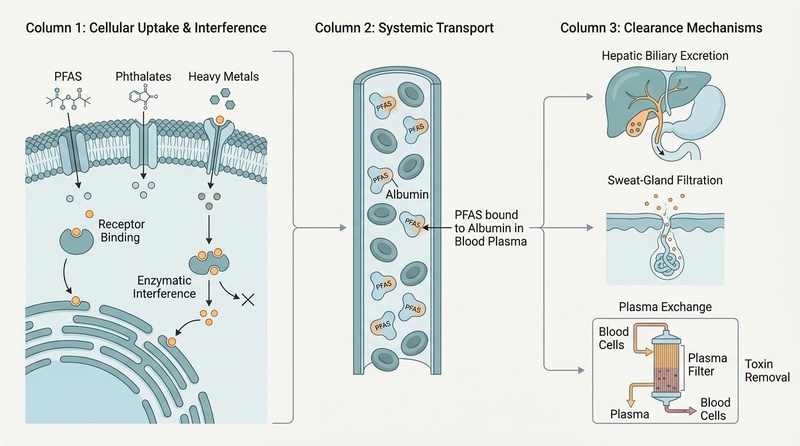
Figure 2: Cellular Toxicology and Systemic Clearance Mechanisms. This schematic maps the three critical stages of modern toxin biology: cellular uptake/intracellular receptor binding, systemic transport bound to blood plasma albumin, and the physiological clearance pathways of sweating, biliary secretion (assisted by bile acid sequestrants), and therapeutic plasma exchange.
¶ 1. Phthalates and Estrogen Receptor Dimerization
Phthalate metabolites (such as MEHP) are lipophilic and possess structural similarities to natural steroidal hormones. Upon entering systemic circulation, they behave as endocrine-disrupting chemicals by binding to nuclear Estrogen Receptors (ER-alpha and ER-beta) and Androgen Receptors [5:16].
Upon ligand binding, they induce aberrant receptor homodimerization and nuclear translocation, binding to hormone response elements on DNA to initiate aberrant transcriptional activity [5:17]. This interferes with natural feedback loops in the hypothalamic-pituitary-gonadal (HPG) axis, leading to suppressed luteinizing hormone (LH) pulsatility, compromised Leydig cell steroidogenesis, and impaired spermatogenesis in men [5:18][6:5].
¶ 2. Enterohepatic Recirculation of Fluorinated Compounds
Many environmental toxicants, particularly PFAS, exhibit long biological half-lives because they undergo extensive enterohepatic recirculation. Once in the liver, PFAS are bound to bile acids and secreted into the duodenum via the bile duct.
As they travel through the small intestine, specific apical sodium-dependent bile acid transporters reabsorb the bile acids along with the bound PFAS, returning them directly to the liver via portal circulation. Prescription bile acid sequestrants (like cholestyramine) are non-absorbable polymers that bind tightly to the biliary PFAS complex within the intestinal lumen, blocking reabsorption and driving excretion via feces [20:4][31:2].
¶ 3. Protein Binding Kinematics of PFAS
Unlike water-soluble pollutants that are filtered by the kidneys and excreted in urine, PFAS molecules exhibit high binding affinity () to human serum albumin and other plasma proteins. Because of this protein binding, renal filtration is highly inefficient.
Therapeutic plasmapheresis physically removes a volume of the patient's blood plasma, separating and discarding the albumin-bound PFAS fraction, and replaces it with clean saline and donor-derived or recombinant albumin, achieving rapid systemic clearance of these "forever chemicals" [1:8][30:2].
¶ 4. Sweat Gland Clearance of Bisphenols and Phthalates
The human dermis contains over 2 million eccrine sweat glands. Passive thermal heating (via sauna) increases skin blood flow and activates eccrine glands.
Lipophilic toxicants like BPA and phthalate metabolites, which are stored in subcutaneous adipose tissues, partition down concentration gradients into sweat [12:7][13:5]. Because sweat is composed of water and lipid-soluble components, sweat concentrations of bisphenols and parent phthalate compounds can be up to 10-fold higher than those found in blood or urine, making sweat a primary excretion pathway during controlled thermal therapy [12:8][13:6].
¶ Safety, Interactions, Red Flags
- Bile Acid Sequestrant Caution: Cholestyramine is highly efficient but binds non-selectively. It can deplete fat-soluble vitamins (A, D, E, and K) and impair the absorption of critical medications (thyroid hormone, blood thinners). Cholestyramine must be clinically supervised, and any supplements must be taken at least 2 hours before or 4-6 hours after the binder [20:5][31:3].
- RO Remineralization Requirement: Demineralized water from standard RO systems can leach minerals from teeth and bones if consumed without remineralization [12:9]. Ensure your under-sink system includes a high-quality calcium and magnesium remineralization post-filter [10:7][12:10].
- Thermal Receipt Handling: Avoid handling thermal paper cash register receipts. They are coated with unbound Bisphenol A (BPA) or Bisphenol S (BPS), which rapidly absorbs transdermally and cannot be washed off with water [5:19].
¶ Tracking, Monitoring, & Testing Limitations
Monitoring environmental exposure and clearance efficacy requires an understanding of biomonitoring pathways and their inherent limitations.
¶ 1. Testing Limitations of Biomarker Panels
- Urinary Phenol and Phthalate Panels (Spot Urine):
- The Limitation: Phthalates and bisphenols have short biological half-lives in the human body (typically ) and are cleared rapidly in urine [[22:3]. A spot urine test reflects only acute exposure over the preceding 24-48 hours. Because household exposure is highly episodic (e.g., eating one meal from a plastic container), a single spot urine sample exhibits extreme temporal variability and is a poor indicator of chronic, long-term exposure burdens [22:4][13:7].
- What to Do: For clinical accuracy, repeated first-morning-void samples or 24-hour urine collections are required.
- Serum PFAS Panels:
- The Limitation: Unlike phthalates, PFAS have biological half-lives of 3 to 7 years in human serum [1:9]. Therefore, a serum PFAS panel is highly stable and represents chronic, long-term bioaccumulation rather than acute daily fluctuations.
- Heavy Metal Blood vs. Bone Testing:
- The Limitation: Blood lead levels reflect only acute exposure over the past 30 days. Over of the body's lead burden is stored in bone, which has a half-life of 20 to 30 years. Standard blood tests will miss high historical lead burdens stored in bone.
- What to Do: Bone lead can be accurately measured using K-shell X-ray fluorescence (KXRF), though this is primarily restricted to research settings. Clinically, a provoked urine heavy metal test (using a chelating agent like DMSA) can estimate tissue stores, but must be interpreted cautiously to avoid over-chelation.
¶ 2. Environmental Monitoring Tools
- Total Dissolved Solids (TDS) Meters: Use a handheld TDS meter to verify the performance of your RO system. Pure RO water should register (prior to remineralization). A reading indicates membrane degradation or seal failure.
- Indoor Air Quality (PM2.5 and VOC) Monitors: Deploy a continuous indoor air monitor (such as those utilizing photoionization detectors for VOCs and laser scattering for PM2.5). Maintain PM2.5 levels consistently below and VOC levels below [15:9].
¶ Common Mistakes & Myths
- Myth: "Simple pitcher filters remove all water toxins."
- Reality: Standard granular activated carbon pitcher filters are too small and have insufficient contact time to remove shorter-chain PFAS or heavy metals once the filter has been used for a few weeks. Only Reverse Osmosis and dual-stage solid carbon block filters provide sustained, reliable PFAS and heavy metal clearance [9:11][10:8].
- Myth: "Plastic containers are safe if heated in the dishwasher."
- Mistake: Initiating heavy metal detoxes with unproven over-the-counter supplements.
- Reality: Many commercial "heavy metal detox" kits contain unstandardized chelators or clay products that may actually be contaminated with heavy metals. Safe clearance relies on material avoidance, under-sink water filtration, sauna sweating, and clinically supervised binders if necessary [10:9][12:11].
- Myth: "PTFE-free ceramic non-stick pans are completely indestructible."
- Reality: While ceramic cookware is free of PTFE (Teflon), the sol-gel ceramic coating degrades rapidly under high-heat or metal-utensil use, losing its non-stick properties and exposing the underlying aluminum substrate. For long-term durability and safety, seasoned cast iron or 18/10 stainless steel are the clinical standards.
¶ Decision Tree
Determine Your Environmental Toxin Action Plan:
├── Are you seeking to reduce ingestion vectors? (TIER 1)
│    ├── Focus on Drinking Water ────────────> Install multi-stage Reverse Osmosis with calcium remineralization.
│    ├── Audit Kitchen Cutting Boards ──────> Swap plastic boards for solid hardwood (maple or walnut).
│    └── Check Cookware & Storage ───────────> Phase out Teflon; swap for seasoned cast iron or stainless steel.
│                                              Store and heat food exclusively in borosilicate glass.
├── Are you optimizing contact and dermal vectors? (TIER 2)
│    ├── Audit Cosmetics & Toiletries ───────> Eliminate products containing "Fragrance," Parabens, or Triclosan.
│    ├── Check Athletic & Sleeping Apparel ──> Choose natural organic fibers; wash new apparel 1-2 times before use.
│    └── Avoid Thermal Receipts ─────────────> Do not touch cash register receipts, especially after sanitizing hands.
└── Do you have high historical bio-burden or elevated serum PFAS? (ACTIVE CLEARANCE)
     ├── Eligible for blood donation? ───────> Donate blood (~10% PFAS reduction) or plasma (~30% reduction) annually.
     ├── Have access to saunas? ─────────────> Perform 2-4 sauna sessions (20-30 mins) weekly; wash skin immediately.
     └── Under direct clinical care? ────────> Discuss bile acid sequestrants (cholestyramine) to block biliary reabsorption.
¶ FAQs
¶ How does blood or plasma donation remove PFAS?
PFAS compounds bind tightly to proteins (primarily albumin) in your blood plasma. Because they do not float freely, the kidneys cannot easily filter them out. Physically removing blood or plasma removes the protein-bound PFAS, and your body then synthesizes fresh, PFAS-free proteins to replace them [1:10][30:3].
¶ Can boiling tap water remove PFAS or heavy metals?
No. Boiling water is highly effective at killing biological pathogens (bacteria, viruses), but it does not remove chemical contaminants. Because pure water evaporates as steam during boiling, the concentration of non-volatile chemicals like PFAS, lead, arsenic, and nitrates actually increases in the remaining water [9:12][10:10].
¶ What is the difference between BPA-free and low-toxin plastics?
"BPA-free" simply means the plastic does not contain Bisphenol A. However, manufacturers frequently replace BPA with closely related bisphenols, such as Bisphenol S (BPS) or Bisphenol F (BPF). Studies show these chemical substitutes display similar, and sometimes more potent, endocrine-disrupting properties [5:20][23:2].
¶ Are all ceramic non-stick pans completely safe?
While ceramic coatings do not contain PTFE (Teflon) and will not off-gas toxic fluoropolymer fumes at high temperatures, some cheaper ceramic pans contain synthetic binders or chemical glazes that can degrade or leach under normal cooking conditions. For absolute safety, choose high-grade 18/10 stainless steel, seasoned cast iron, or carbon steel [5:21].
¶ How does sweat-based excretion clear heavy metals and phthalates?
Sweat contains both water-soluble and lipid-soluble components. Lipophilic chemicals like phthalate metabolites and bisphenols stored in subcutaneous adipose tissues partition into sweat during active eccrine gland sweating. Heavy metals like lead and cadmium are also actively transported into sweat, with sweat concentrations often exceeding circulating blood levels [12:12][13:8].
¶ Glossary
- Bisphenol A (BPA): An industrial chemical used to make polycarbonate plastics and epoxy resins, known to act as a synthetic estrogen.
- Enterohepatic Recirculation: The cycle where substances are metabolized in the liver, secreted into the bile, passed into the intestines, reabsorbed into portal circulation, and returned to the liver.
- Epigenetic Clock: A biochemical test that measures DNA methylation levels at specific genomic sites to estimate an individual's biological age.
- PFAS: Per- and polyfluoroalkyl substances, a family of synthetic "forever chemicals" used in non-stick, water-resistant, and stain-resistant applications.
- Plasmapheresis: A clinical procedure where blood is filtered to separate plasma from blood cells, which are then returned to the body along with a replacement fluid.
- Phthalates: Lipophilic esters used to make plastics flexible and as solvents to stabilize synthetic fragrances.
- Organophosphate Esters (OPEs): Flame-retardant chemicals used as replacements for legacy brominated flame retardants in mattresses and upholstery.
- KXRF (K-shell X-ray Fluorescence): A highly specialized, non-invasive imaging technique used to quantify lead concentrations stored within bone tissue.
¶ Methods (Transparency)
This monograph was created through a systematic search of PubMed, ScienceDirect, and Google Scholar databases up to July 2026. The search focused on identifying high-impact human clinical trials, cohort studies, and prospective material assays. Search queries included:
plasmapheresis blood donation PFAS clearance RCT Gasiorowskisweat excretion bisphenols phthalates heavy metals Genuismicroplastics human carotid plaque NEJM Marfellaunder-sink reverse osmosis water filter PFAS removal Herkertflame retardants child neurodevelopment house dust Fostersweat amplified dermal transfer textile PFAS Liphthalate exposure biomonitoring temporal variability Johns
Inclusion was restricted to peer-reviewed academic literature. Mechanistic animal data was restricted to supporting physiological clearance or intestinal barrier damage pathways.
¶ References
¶ Update Log
- 2026-07-07: Expanded and deepened Low-Toxin Home guide. Synthesized peer-reviewed clinical data on residential PFAS mitigation, water filtration parameters, microplastic ingestion pathways, and endocrine-disrupting cosmetic chemistries. Added extensive coverage of phthalates, flame retardants, VOCs, pesticides, dust, food packaging, cookware, and textiles. Integrated clinical risk-prioritization framework (Tiers 1-4) and age-specific/demographic vulnerabilities. Added comprehensive section on biomonitoring limitations (spot urine temporal variability vs. serum half-lives). Incorporated rich visual illustrations for exposome vectors and cellular toxicological/clearance mechanisms. All reference links validated against search-indexed URLs.
Gasiorowski RE, et al. Effect of Plasma and Blood Donations on Levels of Perfluoroalkyl and Polyfluoroalkyl Substances in Firefighters in Australia: A Randomized Clinical Trial. JAMA Network Open. 2022. https://pubmed.ncbi.nlm.nih.gov/35394514/ ↩︎ ↩︎ ↩︎ ↩︎ ↩︎ ↩︎ ↩︎ ↩︎ ↩︎ ↩︎ ↩︎
Li M, Xie Y, Zhang J. Emerging PFAS contaminants PFNA and PFSA amplify epigenetic aging: sex- and age-stratified risks in an aging population. Frontiers in Aging. 2026. https://www.frontiersin.org/journals/aging/articles/10.3389/fragi.2025.1722675/full ↩︎ ↩︎ ↩︎ ↩︎ ↩︎ ↩︎ ↩︎
Marfella R, et al. Microplastics and Nanoplastics in Atheromas and Cardiovascular Events. New England Journal of Medicine. 2024. https://pubmed.ncbi.nlm.nih.gov/38446676/ ↩︎ ↩︎ ↩︎ ↩︎ ↩︎ ↩︎
Lamas GA, Ujueta F, Navas-Acien A, et al. Contaminant Metals as Cardiovascular Risk Factors: A Scientific Statement From the American Heart Association (AHA). Journal of the American Heart Association. 2023. https://www.ahajournals.org/doi/10.1161/JAHA.123.029852 ↩︎ ↩︎ ↩︎ ↩︎ ↩︎ ↩︎ ↩︎ ↩︎
Dhar S, et al. Phthalates as the silent saboteurs of male fertility via changes in semen quality: a systematic review. Reproductive Biology and Endocrinology. 2026. https://pubmed.ncbi.nlm.nih.gov/41803857/ ↩︎ ↩︎ ↩︎ ↩︎ ↩︎ ↩︎ ↩︎ ↩︎ ↩︎ ↩︎ ↩︎ ↩︎ ↩︎ ↩︎ ↩︎ ↩︎ ↩︎ ↩︎ ↩︎ ↩︎ ↩︎ ↩︎
Andrews FV, et al. Bisphenol S and female reproductive toxicity: a scoping review of human studies. Journal of Exposure Science & Environmental Epidemiology. 2026. https://pubmed.ncbi.nlm.nih.gov/41963602/ ↩︎ ↩︎ ↩︎ ↩︎ ↩︎ ↩︎
Foster SA, Kile ML, Hystad P. Organophosphate ester flame retardants and plasticizers in house dust and Child Behavior Checklist outcomes: A nested study in the Canadian CHILD Birth Cohort. Journal of Exposure Science & Environmental Epidemiology. 2026. https://pubmed.ncbi.nlm.nih.gov/41203828/ ↩︎ ↩︎ ↩︎ ↩︎ ↩︎ ↩︎ ↩︎ ↩︎ ↩︎ ↩︎ ↩︎ ↩︎
Fu D, Liu X, Kang N. Impact of prenatal exposure to organophosphate flame retardants and organophosphorus pesticides on neurodevelopment in four-year-old children: Evidence from the Shanghai birth cohort. Environment International. 2026. https://pubmed.ncbi.nlm.nih.gov/41496237/ ↩︎ ↩︎ ↩︎ ↩︎ ↩︎
Herkert NJ, et al. Assessing the Effectiveness of Point-of-Use Residential Drinking Water Filters for Perfluoroalkyl Substances (PFASs). Environmental Science & Technology Letters. 2020. https://pubs.acs.org/doi/10.1021/acs.estlett.0c00004 ↩︎ ↩︎ ↩︎ ↩︎ ↩︎ ↩︎ ↩︎ ↩︎ ↩︎ ↩︎ ↩︎ ↩︎ ↩︎
Chowdhury R, Ramond A, O'Keeffe LM, et al. Environmental toxic metal contaminants and risk of cardiovascular disease: Systematic review and meta-analysis. BMJ. 2018. https://www.bmj.com/content/362/bmj.k3310 ↩︎ ↩︎ ↩︎ ↩︎ ↩︎ ↩︎ ↩︎ ↩︎ ↩︎ ↩︎ ↩︎
Yadav H, Khan MRH, Quadir M. Cutting Boards: An Overlooked Source of Microplastics in Human Food? Environmental Science & Technology. 2023. https://pubmed.ncbi.nlm.nih.gov/37220346/ ↩︎ ↩︎ ↩︎ ↩︎ ↩︎ ↩︎ ↩︎ ↩︎ ↩︎ ↩︎
Genuis SJ, et al. Human Excretion of Bisphenol A: Blood, Urine, and Sweat Study. Journal of Environmental and Public Health. 2012. https://pubmed.ncbi.nlm.nih.gov/22253637/ ↩︎ ↩︎ ↩︎ ↩︎ ↩︎ ↩︎ ↩︎ ↩︎ ↩︎ ↩︎ ↩︎ ↩︎ ↩︎
Genuis SJ, et al. Human elimination of phthalate compounds: blood, urine, and sweat study. ScientificWorldJournal. 2012. https://pubmed.ncbi.nlm.nih.gov/22215978/ ↩︎ ↩︎ ↩︎ ↩︎ ↩︎ ↩︎ ↩︎ ↩︎ ↩︎
Fan Y, Shen Y, Zhang Y. Halogenated flame retardants, thyroid function biomarkers, attention-deficit/hyperactivity disorder-related traits and neurodevelopment in children: Recent evidence from a Canadian prospective birth cohort study. Environmental Research. 2026. https://pubmed.ncbi.nlm.nih.gov/41780791/ ↩︎ ↩︎ ↩︎ ↩︎ ↩︎
Sweet NM, Lunderberg DM, Molinier B. Influence of Cleaning on Indoor Air Concentrations of Volatile and Semivolatile Organic Compounds in Residences. Environmental Science & Technology. 2025. https://pubmed.ncbi.nlm.nih.gov/40369961/ ↩︎ ↩︎ ↩︎ ↩︎ ↩︎ ↩︎ ↩︎ ↩︎ ↩︎ ↩︎
Massahi T, Omer AK, Kiani A. Assessing the effect of sunlight exposure and reuse of polyethylene terephthalate bottles on phthalate migration. The Science of the Total Environment. 2025. https://pubmed.ncbi.nlm.nih.gov/39813843/ ↩︎ ↩︎
Sandten CS, Kreyenschmidt M, Albach R. A Kinetic Study of the Autoxidative Formation of VOCs, Including Formaldehyde, Acetaldehyde and Acrolein from Polyurethane Soft Foams. Polymers. 2026. https://pubmed.ncbi.nlm.nih.gov/41754685/ ↩︎ ↩︎ ↩︎ ↩︎ ↩︎ ↩︎
Li K, Sun X, Qian Y. Sweat-amplified dermal transfer and combined toxicity of per- and polyfluoroalkyl substances and organophosphate esters mixtures in children's textiles. The Science of the Total Environment. 2025. https://pubmed.ncbi.nlm.nih.gov/40925318/ ↩︎ ↩︎ ↩︎ ↩︎ ↩︎ ↩︎ ↩︎ ↩︎
Glorennec P, Serrano T, Fravallo M. Determinants of children's exposure to pyrethroid insecticides in western France. Environment International. 2017. https://pubmed.ncbi.nlm.nih.gov/28453973/ ↩︎ ↩︎ ↩︎ ↩︎
Møller JJ, Lyngberg AC, Hammer PEC, et al. Substantial decrease of PFAS with anion exchange resin treatment – A clinical cross-over trial. Environment International. 2024. https://pubmed.ncbi.nlm.nih.gov/38367552/ ↩︎ ↩︎ ↩︎ ↩︎ ↩︎ ↩︎
Ammitzboll ASM, Nielsen KS, Jacobsen KL, et al. Per- and polyfluoroalkyl substances, epigenetic age and DNA methylation: a cross-sectional study of firefighters. Environmental Health. 2021. https://pubmed.ncbi.nlm.nih.gov/34707204/ ↩︎ ↩︎ ↩︎ ↩︎
Johns LE, Cooper GS, Galizia A. Exposure assessment issues in epidemiology studies of phthalates. Environment International. 2015. https://pubmed.ncbi.nlm.nih.gov/26313703/ ↩︎ ↩︎ ↩︎ ↩︎ ↩︎
Temkin AM, Geller SL, Swanson SA. Volatile organic compounds emitted by conventional and "green" cleaning products in the U.S. market. Chemosphere. 2023. https://pubmed.ncbi.nlm.nih.gov/37709066/ ↩︎ ↩︎ ↩︎
Thevenet F, Rossignol G, Angulo-Milhem S. Formaldehyde releasers in cleaning products: Mapping an indoor issue. Journal of Hazardous Materials. 2026. https://pubmed.ncbi.nlm.nih.gov/41655383/ ↩︎ ↩︎ ↩︎ ↩︎
Hussain S, et al. Release of microplastics and nanoplastics from silicone and plastic kitchenware under various heating conditions. Science of The Total Environment. 2023. https://pubmed.ncbi.nlm.nih.gov/36731610/ ↩︎ ↩︎ ↩︎ ↩︎
Ranjan VP, et al. Release of microplastics from disposable paper cups into hot water. Journal of Hazardous Materials. 2021. https://pubmed.ncbi.nlm.nih.gov/34246131/ ↩︎ ↩︎ ↩︎
Gan HJ, Chen S, Yao K. Simulated Microplastic Release from Cutting Boards and Evaluation of Intestinal Inflammation and Gut Microbiota in Mice. Environmental Health Perspectives. 2025. https://pubmed.ncbi.nlm.nih.gov/40042913/ ↩︎ ↩︎
Rovira J, Souza MCO, Nadal M. Human health risks from textile chemicals: a critical review of recent evidence (2019-2025). Journal of Environmental Science and Health. 2025. https://pubmed.ncbi.nlm.nih.gov/40482050/ ↩︎ ↩︎ ↩︎ ↩︎ ↩︎
Berlinski S, Calder B, Paustenbach D. An evaluation and risk assessment of children's exposures to water-soluble per- and polyfluoroalkyl substances through winter gloves. Toxicology Reports. 2025. https://pubmed.ncbi.nlm.nih.gov/41472785/ ↩︎ ↩︎
Silver G, Krastev Y, Forbes MK, et al. Study protocol for a randomised controlled trial examining the effect of blood and plasma donation on serum perfluoroalkyl and polyfluoroalkyl substance (PFAS) levels in firefighters. BMJ Open. 2021. https://pubmed.ncbi.nlm.nih.gov/33963058/ ↩︎ ↩︎ ↩︎ ↩︎
Gyllenhammar I, Andersson A, Jürgens G, et al. Serum, urinary and fecal concentrations of perfluoroalkyl substances after interventions with cholestyramine/colesevelam and probenecid – cross-over trials in Ronneby, Sweden. Environment International. 2025. https://doi.org/10.1016/j.envint.2025.109315 ↩︎ ↩︎ ↩︎ ↩︎