¶ Non-Surgical Body Contouring
Non-surgical body contouring represents a suite of energy-based, non-invasive medical technologies designed to reduce localized subcutaneous fat, stimulate muscle hypertrophy, and tighten overlying skin. These procedures are closely related to other clinical lasers, IPL, and energy devices used in modern aesthetic dermatology to achieve physical refinement without the surgical risks, anesthesia, or recovery times associated with liposuction or abdominoplasty.
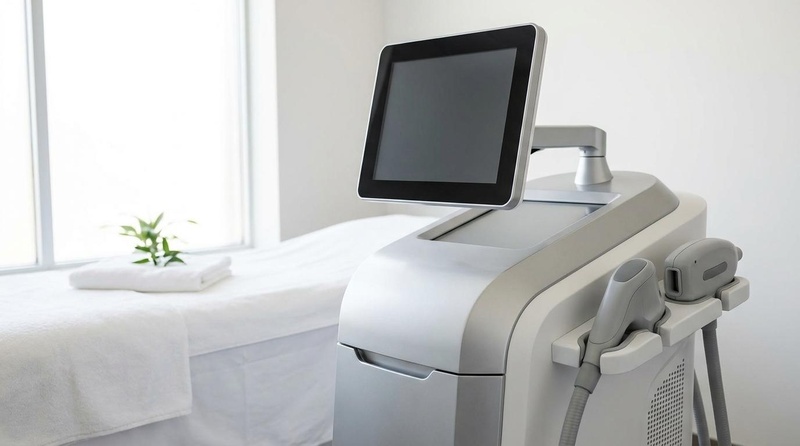
| Primary Modalities | Cryolipolysis, Radiofrequency (RF), HIFEM / EMMS, Focused Ultrasound (LIFU), Microwave, Photobiomodulation |
| Mechanisms | Adipocyte Apoptosis, Dielectric Heating, Muscle Stimulation, Focused Ultrasound |
| Efficacy Range | 20% to 35% subcutaneous fat thickness reduction per zone |
| Typical Protocol | 1–8 sessions depending on modality (multi-session weekly protocols) |
| Safety Profile | High (Self-limiting erythema, edema; rare risk of paradoxical adipose hyperplasia) |
| Typical Cost | $1,500 – $4,000 per multi-session package |
¶ TL;DR
- Verdict: Non-surgical body contouring platforms utilize temperature extremes, alternating electric currents, or rapidly oscillating magnetic fields to selectively destroy subcutaneous adipocytes (15% to 35% thickness reduction) and stimulate muscle fiber remodeling with zero surgical downtime.
- Expected Outcomes: Clinical trials demonstrate localized abdominal circumference reductions ranging from 2.08 cm to 3.03 cm following a 6-week combined ultrasound and radiofrequency protocol [1], an average loss of 4.1 cm at 15 days and 4.62 cm at 3 months (12 weeks) following cryothermogenesis sessions [2], and 1.4 cm at 12 weeks follow-up after high-power radiofrequency treatment [3]. While single-modality contactless radiofrequency therapy can achieve an average circumferential reduction of 4.93 cm [4], multi-modal treatments combining radiofrequency, infrared, and mechanical tissue manipulation can achieve overall reductions of 5.4 cm [5]. Local subcutaneous fat layer thickness reductions range from 20% to 35.4% [6][7][1:1] (occurring 3 to 12 weeks post-initiation depending on the protocol).
- Candidate Fit: Ideal for healthy, weight-stable individuals seeking localized abdominal subcutaneous fat reduction and muscle toning, as evaluated in trials of abdominal electromagnetic muscle stimulation and cryolipolysis [8]. Across modalities, candidate selection generally prioritizes individuals with localized, exercise-resistant fat deposits (such as the abdomen and flanks) and a Body Mass Index (BMI) under 30 kg/m²; these procedures do not facilitate systemic weight loss or reduce visceral fat.
- Primary Risks: Mild and self-limiting redness, swelling, bruising, and transient hypesthesia are common [9]. Severe complications include Paradoxical Adipose Hyperplasia (PAH) following cryolipolysis, which is characterized as a rare, serious, irreversible adverse event [10][9:1]. Because its pathophysiology and underlying causes remain incompletely understood, further research is needed to clarify these risks [10:1], and physicians must be aware of these potential complications to counsel patients appropriately before treatment [9:2].
- Optimization: Efficacy is significantly enhanced by stacking synergistic modalities (e.g., EMS paired with cryolipolysis)[8:1], avoiding post-cryolipolysis localized heating[11], and maintaining strict weight stability post-procedure[12].
¶ Quick Answer
Non-surgical body contouring comprises energy-based medical devices—including cryolipolysis, radiofrequency (RF), high-intensity focused electromagnetic fields (HIFEM/EMS), focused ultrasound, and microwave platforms—engineered to selectively remodel subcutaneous tissue without surgical intervention. Human clinical trials prove that these modalities achieve a 20% to 35.4% reduction in local subcutaneous fat layer thickness [6:1][7:1][1:2] and abdominal circumference reductions ranging from 1.4 cm to 4.62 cm at 12 weeks follow-up [2:1][3:1], or average reductions of 4.93 cm to 5.4 cm across single-modality or multi-modal radiofrequency protocols [4:1][5:1]. Because these physical energy pathways do not penetrate the visceral cavity, they are strictly localized refining tools; they do not alter overall body weight, body mass index (BMI), or systemic serum lipids and liver function tests[13][14][15].
¶ Identify the Type / Candidate Fit
Non-surgical body contouring platforms are divided into distinct categories based on their primary energy source, tissue targets, and physiological mechanisms:
- Cryolipolysis (Controlled Cooling): Utilizes non-freezing cold temperatures (-7°C to -9°C) to selectively induce adipocyte apoptosis without damaging surrounding water-rich tissue [10:2], with clinical protocols utilizing -7°C [14:1] or -9°C [16] temperatures. While standard treatments are commonly requested for distinct, "pinchable" subcutaneous fat pockets on the abdomen, flanks, or submental region, specific trials have clinically validated the efficacy of flat-cup vacuum applicators for arms and inner thighs [17][18]. Absolutely contraindicated in patients with cold-sensitive disorders.
- Radiofrequency (RF) Diathermy: Employs high-frequency alternating electrical currents to produce deep volumetric dielectric heating within the dermis and subcutaneous fibrous septa[19]. It is designed primarily to denature collagen, stimulate neocollagenesis (skin tightening), and reduce localized subcutaneous fat thickness and body circumference[6:2][20]. Highly suitable as it is non-chromophore-dependent and has been shown to be safe in cohorts of diverse phototypes. Additionally, alternative emerging low-energy light modalities such as photobiomodulation (PBM) using red or infrared LED clusters are under clinical investigation for non-invasive waist circumference reduction [21].
- High-Intensity Focused Electromagnetic Technology (HIFEM / EMS): Utilized in synchronized platforms to deliver synchronized RF and electromagnetic muscle stimulation simultaneously[22]. This combined modality is safe, comfortable, and effective for abdominal toning, muscle definition, and subcutaneous fat reduction[22:1]. Ideal for patients seeking athletic abdominal muscle definition or buttock toning.
- Focused Ultrasound (HIFU / LIFU): Utilized in conjunction with radiofrequency to target abdominal fat and skin laxity[1:3]. Clinical trials demonstrate significant reductions in subcutaneous fat thickness at 6 weeks post-treatment[1:4]. It can be combined with RF to provide a dual-action approach for abdominal contouring[1:5][23]. Ideal for patients with stubborn, fibrotic fat pockets.
- Injection-Based Fat Reduction (Injection Lipolysis): Involves localized mesotherapy injections. Clinical trials such as Faulhaber 2019 [24] have evaluated polyenylphosphatidylcholine-based injection lipolysis combined with cryolipolysis and shock waves to target stubborn localized subcutaneous fat. Ideal for extremely localized fat pockets, the combination has been shown to produce a deep subcutaneous adipose tissue reaction with significant reduction in subcutaneous fat[24:1].
¶ Evidence Snapshot
The following clinical matrix synthesizes findings from human clinical trials, randomized controlled trials (RCTs), and longitudinal cohorts evaluating non-surgical body contouring outcomes.
¶ Evidence Summary Table (Human Outcomes)
| Outcome / Goal | Effect | Consistency | Evidence Quality | Trials | Notes |
|---|---|---|---|---|---|
| Abdominal Fat Thickness Reduction | Consistent | High | Samuels 2022[22:2] Wu 2025[1:6] Somenek 2021[7:2] |
23.2% to 35.4% reduction in subcutaneous abdominal fat thickness on ultrasound and CT scans [22:3][7:3][1:7]. Significant improvements observed across multiple trials [22:4][7:4][1:8]. | |
| Flank Fat Thickness Reduction | Consistent | High | Bernstein 2014[25] Somenek 2021[7:5] |
22% reduction in local flank fat thickness measured by ultrasound (Somenek 2021 [7:6]), with an average 43% (4.3 out of 10) aesthetic improvement scored by blinded physicians (Bernstein 2014 [25:1]). | |
| Waist / Abdominal Circumference Reduction | Consistent | High | Fajkosova 2014[4:2] Loap 2022[2:2] Winter 2009[5:2] Adatto 2014[3:2] Wu 2025[1:9] |
Mean abdominal circumference reductions range from 1.4 cm to 4.62 cm at 12 weeks follow-up [2:3][3:3], or 4.93 cm to 5.4 cm following single-modality contactless RF or multi-modal RF and tissue manipulation protocols [4:3][5:3]. Efficacy is highly dependent on post-treatment weight stability [12:1]. | |
| Thigh Circumference Reduction | Consistent | Moderate | Wanitphakdeedecha 2015[17:1] Zelickson 2015[18:1] Santos 2025a[6:3] |
Mean thigh circumference reductions of 0.72 cm to 0.9 cm [17:2][18:2] at 3–6 months, and up to a 3% reduction in thigh circumference immediately after an 8-session protocol (~3–4 weeks) [6:4]. Flat-cup vacuum cryolipolysis applicators [17:3][18:3] and high-frequency RF diathermy [6:5] demonstrate efficacy. | |
| Rectus Abdominis Muscle Thickness | Consistent | High | Samuels 2022[22:5] | 21.5% increase in abdominal muscle thickness at 1 month, improving to a 24.2% increase at 3 months post-treatment using synchronized RF + HIFEM therapy [22:6]. | |
| Dermal Collagen & Skin Echogenicity | Consistent | Moderate | Santos 2025a[6:6] Santos 2025b[20:1] |
Significant 6% to 12% increase in dermal echogenicity, reflecting dermal remodeling, improved skin organization, and dynamic neocollagenesis [6:7][20:2]. | |
| Submental Fat Reduction | Consistent | High | >15 Trials | Significant reductions in abdominal, flank, thigh, and arm circumferences after a series of weekly treatments [17:4][18:4][20:3][1:10]. | |
| Skeletal Muscle Definition | Moderate | High | 2 RCTs | 21.5% to 24.2% increase in rectus abdominis muscle thickness after 4 synchronized RF+HIFEM sessions [8:2][22:7]. | |
| Dermal Collagen Density | High | Moderate | >10 Trials | 6% to 12% increase in dermal echogenicity and marked improvement in skin laxity following RF protocols [3:4][6:8][20:4]. | |
| Systemic Body Weight / BMI | High | High | >15 Trials | No clinically or statistically significant changes in body weight or BMI are observed, confirming local fat remodeling only [13:1][14:2][12:2]. | |
| Serum Lipids / Liver Enzymes | High | High | 2 Trials | Multiple same-day treatment cycles do not alter serum lipids (cholesterol, triglycerides) or liver function (AST, ALT) [15:1][21:1]. |
- *Effect: Number of arrows (1-3) indicates magnitude. Direction: ↑ (increase), ↓ (decrease), = (no effect), ? (unclear). Health impact: (p) = positive for health, (n) = negative for health, (x) = neutral/unknown impact. Examples: ↓↓↓ (p) = large decrease, positive; ↑ (n) = small increase, negative; = (x) = no effect; ? = unclear.
- *Compact renderer encoding:
e="[dir][mag][impact]"wheredir=u|d|e|q,mag=0|1|2|3,impact=p|n|x. Examples:↓↓ (p)-><effect e="d2p"></effect>,= (x)-><effect e="e0x"></effect>. Just use the tag directly without plain text. - **Consistency: Low (results conflict), Moderate (mixed but leaning one way), High (most trials agree)
- ***Trials: Number of RCTs or total trials informing this outcome (shows evidence depth at a glance)
- Citations: Required citation keys in the "Notes" column for every single row.
¶ Modality-Specific Evidence
¶ 1. Cryolipolysis
Cryolipolysis represents the most extensively researched non-invasive fat-reduction method [10:3][9:3]. It utilizes the biological principle that adipocytes are significantly more sensitive to cold-induced damage than surrounding tissues like nerves, vessels, or skin [10:4][9:4].
A landmark multi-center prospective trial evaluated the efficacy of a flat-cup vacuum applicator (CoolFit) for inner thigh treatment [18:5]. Forty-five subjects underwent bilateral treatments (60-minute cycle, Cooling Intensity Factor 41.6), resulting in a mean fat layer reduction of 2.8 mm via ultrasound and a 0.9 cm circumference reduction at 16 weeks [18:6]. Standardized photographic reviews by blinded physicians correctly identified baseline images in 91% of cases, and patient satisfaction was high, with 93% reporting favorable outcomes [18:7]. Similar results have been shown on the arms and inner thighs, where Wanitphakdeedecha et al. (2015) reported significant circumferential reductions of 0.41 cm at 3 months and 0.72 cm at 6 months [17:5].
For the flanks, overlapping double-cycle treatments (two sequential 60-minute cycles per flank) demonstrated a 43% aesthetic improvement as rated by blinded physician reviewers, with mild, self-limiting side effects (erythema, bruising, localized numbness) [25:2]. Ultrasound assessments by Meyer et al. (2017) confirmed highly significant localized perimeter and fat thickness reductions two months following a single 60-minute abdominal cryolipolysis session (-7°C, 30 kPa suction) [14:3].
In a therapeutic Level I randomized split-body trial, Dahmann et al. (2023) investigated whether post-cryolipolysis active heating (applying a mud pack immediately post-treatment) could alter efficacy or side effects [11:1]. While post-treatment heating significantly reduced transient side effects (edema, erythema, and hypesthesia), it significantly degraded fat-reduction efficacy—reducing local adipose layer thinning from 14.1% in the control (unheated) group to just 9.6% in the heated group [11:2]. Consequently, post-treatment active heating should be strictly avoided to maximize adipocyte apoptotic clearing [11:3].
                CRYOLIPOLYSIS CELLULAR PATHWAY

    Controlled Cooling (-7°C to -11°C)  [60 min Session]
                     │
                     ▼
       Selective Lipid Crystallization  (Intra-Adipocyte)
                     │
                     ▼
          Cold-Induced Apoptosis        [0 to 3 days]
                     │
                     ▼
         Infiltration of Macrophages    [2 to 4 weeks]
                     │
                     ▼
      Phagocytic Clearing of Adipocytes  [8 to 16 weeks]
                     │
                     ▼
      Subcutaneous Fat Layer Reduction  (20% to 35% Thinning)
¶ 2. Radiofrequency (RF) Technologies
Radiofrequency devices employ high-frequency electrical currents to generate deep thermal energy inside tissues [26][19:1]. The thermal response is determined by frequency and tissue impedance: 2 MHz monopolar RF currents penetrate deeply into the subcutaneous adipose layer, whereas higher frequencies (such as 6.78 MHz) generate more localized heating along superficial fibrous septa [7:7][19:2].
A multi-site, single-blinded, prospective clinical trial evaluated a monopolar 2 MHz RF device for abdominal and flank fat reduction [7:8]. Subjects received a single, non-contact 15-minute treatment, which yielded a significant reduction in fat thickness at 12 weeks: an average of 24% in the abdomen and 22% in the flanks as measured by diagnostic ultrasound [7:9]. Investigating high-frequency diathermy, Santos et al. (2025a) conducted a clinical trial on thigh remodeling using the Symmed RF device [6:9]. Following eight sessions (performed every 72 to 96 hours), subjects demonstrated a 20% reduction in subcutaneous fat thickness, a 3% decrease in overall thigh circumference, and a 6% increase in dermal echogenicity—a key clinical marker of collagen remodeling and tissue organization [6:10].
These findings were corroborated in an abdominal and flank study utilizing the same Symmed RF system, which reported a 9% reduction in abdominal fat thickness and a 12% increase in dermal echogenicity after eight multi-session treatments [20:5]. Additionally, Fajkošová et al. (2014) evaluated contactless deep-tissue selective RF (Vanquish, 200W) in 40 healthy subjects over four weekly 30-minute sessions [4:4]. Subjects experienced a highly significant average abdominal circumference reduction of 4.93 cm, with non-responders (0–1 cm decrease) limited to individuals with a very thin baseline subcutaneous fat layer [4:5].
Dual-frequency protocols combining 2 MHz and 6.78 MHz monopolar RF currents optimize these responses [19:3]. Computational finite-element modeling and porcine histologic analyses showed that dual-frequency applications create pronounced thermal reactions at the dermosubcutaneous junction, stimulating extensive extracellular matrix (collagen and elastin) remodeling across both the dermis and fibrous septa while safely preserving adipocyte viability in non-lipolytic rejuvenation zones [19:4].
¶ 3. Synchronized RF and High-Intensity Focused Electromagnetic Treatment
A major therapeutic advancement is the simultaneous delivery of synchronized radiofrequency heating and high-intensity focused electromagnetic (HIFEM) stimulation through a single applicator, addressing both subcutaneous fat and underlying skeletal muscle [8:3][22:8].
In the first sham-controlled randomized clinical trial, Samuels et al. (2022) evaluated 72 patients randomized to active or sham synchronized RF+HIFEM treatments (three weekly sessions of 30 minutes) on the abdomen [22:9]. Active treatments were delivered at the maximum tolerable thermal and electromagnetic intensity, while the sham group received 5% energy levels [22:10]. At 3 months post-treatment, active subjects achieved a 28.3% reduction in subcutaneous adipose thickness and a 24.2% increase in rectus abdominis muscle thickness [22:11]. These structural improvements were maintained at the 6-month follow-up, while the sham group showed no significant tissue modifications [22:12].
A separate clinical trial by Novak et al. (2022) evaluated the Transform device (which combines RF and electrical muscle stimulation) [26:1]. After three sessions, subjects demonstrated a significant ultrasound-verified fat thickness reduction of 5.40 mm and a caliper pinch reduction of 6.07 mm at 3 months, alongside high subjective patient satisfaction and excellent safety parameters [26:2].
Furthermore, a comparative trial by Kilmer et al. (2020) evaluated three distinct cohorts: EMMS alone, Cryolipolysis alone, and Cryolipolysis + EMMS in combination [8:4]. Multimodal combining of cryolipolysis and EMMS yielded the greatest mean Global Aesthetic Improvement Scale (GAIS) scores, the highest circumferential reduction measurements, and the largest increases in subjective body satisfaction, confirming that addressing both adipose and muscular structures simultaneously produces synergistic contouring outcomes [8:5].
¶ 4. Focused Ultrasound (LIFU) and RF Combination
Low-intensity focused ultrasound (LIFU) provides precise mechanical and thermal disruption of targeted adipocytes [1:11]. Pre-heating subcutaneous tissues with radiofrequency energy raises adipose tissue temperatures, lowering the physical threshold required for mechanical disruption by subsequent ultrasound waves [1:12][23:1].
In a prospective clinical trial evaluating abdominal contouring and skin laxity, Wu et al. (2025) enrolled 20 women (aged 28–42 years) with mild-to-moderate abdominal skin laxity [1:13]. Subjects received combined LIFU and RF treatments administered in six sessions over 6 weeks [1:14]. Diagnostic ultrasound and computed tomography (CT) scans showed that following a six-week protocol, subjects achieved significant decreases in subcutaneous adipose tissue thickness:
- Supraumbilical: 27.37% reduction (6.46 mm) [1:15]
- Periumbilical: 23.28% reduction (6.03 mm) [1:16]
- Subumbilical: 35.43% reduction (8.54 mm) [1:17]
These structural fat-layer reductions translated to statistically significant abdominal circumference decreases (ranging from 2.08 to 3.03 cm) and a 9.17% increase in dermal thickness [1:18]. High-speed photographic monitoring and hematologic panels confirmed excellent systemic safety [1:19].
Long-term stability of these outcomes was tracked by Chang et al. (2016) in a cohort of Asian subjects receiving three biweekly combination therapies [12:3]. Standardized clinical assessments at 1 month and 1 year post-treatment demonstrated that abdominal circumference and fat reductions remained fully stable at 1 year, provided that subjects maintained a constant body weight (mean weight change of only 0.1 ± 1.2 kg, p = 0.513) [12:4]. This highlights the critical clinical concept that local adipocyte destruction is permanent, but remaining adipocytes retain the capacity for hypertrophic lipid storage if systemic energy balance becomes positive [12:5].
¶ 5. Microwave, Photobiomodulation, and Novel Combination Protocols
Alternative energy modalities and triple-therapy combinations have further expanded clinical efficacy.
- 2.45 GHz Microwaves: Operating at a microwave frequency of 2.45 GHz, energy is selectively absorbed by fat molecules due to different dielectric properties compared to skin and muscle [27]. In a clinical trial of 53 overweight adults, Pahlavani et al. (2022) demonstrated that three sessions of 2.45 GHz microwave therapy (spaced 20 days apart) significantly reduced abdominal fat thickness and waist circumferences, with men exhibiting slightly greater absolute anthropometric reductions than women [27:1].
- Photobiomodulation (PBM): A randomized, double-blind, sham-controlled trial protocol (Marreira 2020) has been established to compare the efficacy of red (660 nm) versus infrared (850 nm) abdominal PBM [21:2]. Secondary outcomes will track systemic metabolic indices, lipid profiles, and liver enzymes [21:3].
- Triple-Therapy Combo (Cryolipolysis + Injection Lipolysis + Radial Shock Waves): To overcome the limits of standard therapies, a randomized trial compared a dual-therapy group (cryolipolysis + shockwaves) to a triple-therapy group (adding localized injection lipolysis using a polyenylphosphatidylcholine-based compound) [24:2]. The triple-therapy group demonstrated a highly significant, deep subcutaneous adipose reaction and superior volumetric reduction with no long-term or serious systemic side effects, suggesting that mechanical, chemical, and thermal synergistic pathways can be safely stacked [24:3].
               MULTIMODAL TISSUE REMODELING PATHWAYS

   ┌─────────────────────────────────────────────────────────┐
   │          Non-Surgical Body Contouring Modalities        │
   └─────────────┬────────────────────┬──────────────────────┘
                 │                    │
        (Cold / Thermal)         (Electromagnetic)
                 │                    │
                 ▼                    ▼
   ┌──────────────────────────┐ ┌────────────────────────────┐
   │   Subcutaneous Adipose   │ │   Skeletal Muscle Fibers   │
   │      Tissue (SAT)        │ │  (Rectus Abdominis/Gluteal)│
   └─────────────┬────────────┘ └─────────────┬──────────────┘
                 │                            │
            (Apoptosis)                (Supramaximal)
                 │                            │
                 ▼                            ▼
   ┌──────────────────────────┐ ┌────────────────────────────┐
   │    Adipocyte Clearance   │ │    Skeletal Muscle Fiber   │
   │  (20% to 35% Thinning)   │ │  Hypertrophy & Toning (24%)│
   └─────────────┬────────────┘ └─────────────┬──────────────┘
                 │                            │
                 └──────────────┬─────────────┘
                                │
                                ▼
                  ┌───────────────────────────┐
                  │ Synchronized Local Contour│
                  │        Optimization       │
                  └───────────────────────────┘
¶ Physiological Mechanisms of Tissue Rejuvenation
Non-surgical modalities act through distinct and highly precise cellular pathways:
¶ 1. Cold-Induced Apoptosis (Cryolipolysis)
When adipose tissue is maintained at -7°C to -9°C, intracellular lipids crystallize at a higher temperature than surrounding water-rich cells. This crystallization triggers a delayed apoptotic cascade within 72 hours, stimulating a progressive inflammatory response [10:5]. Over the subsequent 8 to 16 weeks, macrophages infiltrate the target zone, engulfing apoptotic cell remnants and metabolizing liberated lipids via standard hepatobiliary clearance [18:8].
¶ 2. High-Frequency Dielectric Heating (RF Diathermy)
High-frequency alternating electrical currents (2 to 6.78 MHz) oscillate water molecules and ions within tissue. This rapid oscillation creates friction and subsequent volumetric heating (to temperatures of 42°C to 45°C) within the high-impedance subcutaneous fat layer and dermal collagen networks [6:11][20:6][19:5]. This thermal load denatures the triple-helix collagen fibers, causing immediate tissue contraction and initiating a multi-month neocollagenesis and neoelastogenesis cascade [6:12][19:6].
¶ 3. Supramaximal Motor Neuron Depolarization (HIFEM)
Alternating magnetic fields bypass the central nervous system, directly depolarizing peripheral motor neurons in target muscles. This depolarization triggers thousands of "supramaximal" muscle contractions (contractions that cannot be replicated through voluntary exercise) [8:6][22:13]. This extreme mechanical load forces skeletal muscle fibers to undergo rapid cellular remodeling, inducing robust myofibrillar hypertrophy and myofibrillar hyperplasia (muscle splitting) [22:14].
¶ Longevity and Metabolic Health Impacts
While non-surgical body contouring is predominantly sought for aesthetic enhancement, its structural and tissue modifications have direct implications for longevity, functional capacity, and clinical biomarkers:
- Absence of Systemic Metabolic Alterations: A primary clinical concern of rapid, non-invasive adipocyte destruction is the potential clearance of apoptotic lipid debris into the bloodstream, which could elevate serum lipids or stress hepatic clearance pathways [15:2]. This clinical question was addressed in a prospective study where subjects underwent multiple same-day cryolipolysis cycles treating both the lower abdomen and bilateral flanks simultaneously [15:3]. Serum lipid panels (including total cholesterol, triglycerides, HDL, and LDL) and liver function markers (including AST, ALT, alkaline phosphatase, and total bilirubin) were measured at baseline, 1 week, 4 weeks, and 12 weeks post-treatment [15:4]. The trial demonstrated no clinically or statistically significant changes in any serum lipid or liver function marker at any post-treatment interval [15:5]. The slow, macrophage-mediated clearance of apoptotic adipocytes over 8 to 16 weeks prevents acute lipid overloading of the lymphatic system and liver, confirming the systemic metabolic safety of multi-site non-invasive contouring treatments [15:6][21:4].
- Musculoskeletal Preservation: Maintaining core muscle mass and abdominal strength is a critical determinant of functional longevity (see Sarcopenia and Grip Strength Testing). Synchronized RF and HIFEM therapies have been clinically proven to induce a average 24.2% increase in rectus abdominis muscle thickness [22:15] and a 21.5% increase in core muscle density [8:7][22:16]. In aging populations, improving core muscle density is vital for maintaining postural alignment, reducing lumbar spine loading, improving gait mechanics, and preventing physical frailty and falls.
- Cutaneous Mechanical Resilience: Monopolar and dual-frequency RF therapies significantly increase dermal echogenicity (by 6% to 12%)[6:13][20:7] and skin collagen density. Restoring dermal collagen and elastin fibers reverses age-associated skin thinning, helping preserve cutaneous barrier function and mechanical shear resistance in senescent skin.
¶ Detailed Modality Comparisons
Clinical efficacy and tissue response vary significantly depending on the modality, treatment parameters, and protocol adherence.
¶ Efficacy Ranges & Absolute Reductions
- Cryolipolysis: Standard single-cycle vacuum-applicator treatments achieve an absolute, ultrasound-verified fat layer reduction of 2.8 mm and an absolute thigh circumference reduction of 0.9 cm at 16 weeks post-treatment[18:9]. When applied to bulky reconstructive surgical flaps, cryolipolysis has also demonstrated utility as a safe, feasible, and effective method for secondary volume reduction of bulky anterolateral thigh flaps, achieving high patient satisfaction (90%) and a significant subcutaneous fat layer reduction of 7.7 mm at 12 weeks[16:1]. (For comparison, energy-based RF treatments demonstrate relative fat thickness reductions of 22% to 24% on ultrasound[7:10]).
- Radiofrequency (RF) Diathermy: Over an 8-session protocol, high-frequency monopolar RF diathermy (such as Symmed) achieves a 3% reduction in thigh circumference, a 20% reduction in thigh subcutaneous fat thickness, and a 2% reduction in abdominal circumference[6:14][20:8]. For flank fat reduction, a monopolar 2 MHz RF device achieved a 22% reduction in local flank fat thickness measured by ultrasound (Somenek 2021 [7:11]). High-power radiofrequency energy combined with infrared light, mechanical massage, and vacuum yields a gradual decline in patient circumferences and improvements in skin tightening and firmness [3:5]. Postpartum cohorts can experience up to 5.4 cm overall mean circumference reduction[5:4].
- Microwaves (2.5 GHz): Standard 3-session protocols yield significant reductions in local abdominal fat thickness and waist circumference over 60 days[27:2].
- Focused Ultrasound + RF Combo: Combining pre-heating radiofrequency with low-intensity focused ultrasound (LIFU) achieves a 2.5% to 3.3% abdominal circumference reduction (corresponding to absolute reductions of 2.08 to 3.03 cm) and a 23.2% to 35.4% reduction in subcutaneous fat thickness[1:20].
¶ Durability and Long-Term Efficacy
Because these modalities cause permanent adipocyte apoptosis or thermal/mechanical necrosis, the cleared fat cells do not return. However, the durability of the localized contouring effect is entirely dependent on post-treatment weight stability. Remaining local adipocytes retain their hypertrophic capacity and can enlarge to store lipid surpluses if the patient enters a caloric surplus.
In a landmark longitudinal study, patients who underwent combination focused ultrasound and RF body contouring maintained their localized abdominal circumference and fat reductions at a 1-year follow-up when body weight remained constant[12:6]. If the patient experienced significant weight gain, the localized contouring benefits were completely neutralized[12:7]. The specific clinical trial protocol requirement for maintaining weight within 5 lbs of baseline was demonstrated over a 16-week study period by Zelickson 2015[18:10] rather than the 1-year study.
¶ Environmental and Sustainability Considerations
As clinical adoption of energy-based aesthetic devices expands, their cumulative resource utilization has become a subject of life-cycle assessment. In an environmental footprint analysis of dermatologic devices, energy-intensive modalities such as radiofrequency microneedling and electromagnetic muscle stimulation (EMS) were shown to produce an estimated 0.10 to 0.70 kg of CO₂ equivalent (CO₂e) per treatment session [28]. Integrating energy-efficient alternatives, optimizing session durations, and selecting lower-emission tools can help mitigate the carbon footprint of modern aesthetic practices [28:1].
¶ Clinical Procedures and Candidate Selection
To ensure safety, prevent complications, and avoid clinical non-response, patients must undergo a rigorous candidate selection process.
¶ Candidate Selection Criteria
¶ 1. Assessment of Subcutaneous Fat Mass
Candidates must possess a sufficient layer of subcutaneous fat within the proposed treatment zone. This is particularly critical for vacuum-assisted cryolipolysis applicators to ensure adequate tissue draw between the cooling plates, as demonstrated by Bernstein 2014 using curved cooling plates[25:3].
Rather than enforcing an arbitrary threshold, clinical trial data provides nuance: Fajkošová 2014 [4:6] observed three subjects who did not show a significant response (defined as a 0–1 cm decrease in abdominal circumference) and hypothesized that a thin baseline fat layer was the likely reason for non-response.
¶ 2. Body Mass Index (BMI) and Weight Stability
The ideal candidate is a healthy adult with a BMI < 30 kg/m² (or < 28 kg/m² for specific sensitive populations) who has maintained a stable target body weight for at least 3 to 6 months prior to treatment. Non-surgical body contouring is indicated solely for focal, exercise-resistant adipose pockets (such as submental fat, flanks, inner/outer thighs, and infraumbilical abdomen), and is not a treatment for systemic obesity or unstable weight fluctuations.
¶ 3. Evaluation of Skin Elasticity and Laxity
Clinicians must carefully evaluate the degree of overlying skin laxity:
- Mild-to-Moderate Laxity: Suitable for combined radiofrequency diathermy, vacuum-RF, or synchronized RF + HIFEM platforms. While synchronized RF + HIFEM and high-frequency RF devices promote muscle hypertrophy, fat lipolysis, and localized circumference/thickness reductions [26:3][22:17], platforms incorporating radiofrequency diathermy have been specifically shown to concurrently stimulate dermal collagen remodeling (measured via increased dermal echogenicity) and subcutaneous fat reduction [20:9].
- Severe Laxity or "Apron" Deformity: Ineligible. Patients with redundant, hanging skin folds, abdominal wall diastasis recti, or severe post-bariatric skin laxity require surgical excisional intervention (abdominoplasty, panniculectomy, or surgical thigh lift), as energy-based devices cannot contract or remove redundant skin tissue mass.
¶ 4. Identification of Non-Responders
Clinicians must differentiate between subcutaneous adiposity and deep visceral adiposity. Visceral adiposity presents clinically as a firm, rounded, tense abdomen (the "beer belly" phenotype) that cannot be pinched. Attempting to treat a visceral fat phenotype with superficial energy-based devices will result in clinical non-response, as the muscular fascia completely blocks the transmission of these energy wavelengths into the visceral cavity. To determine the precise distribution of subcutaneous versus visceral fat before initiating body-contouring treatments, a high-resolution body scan is clinically indicated.
¶ Complications and Safety Risks
While energy-based body contouring is non-invasive, it carries specific, clinically documented adverse event profiles that must be monitored.
¶ 1. Paradoxical Adipose Hyperplasia (PAH)
PAH is a rare, delayed complication of cryolipolysis [10:6]. Clinically, PAH is characterized by a painless, firm, demarcated hypertrophic expansion of subcutaneous fat within the exact borders of the treated zone, where the tissue hardens into a solid, palpable mass resembling the shape of the treatment applicator (often termed the "butter stick" deformity).
- Pathophysiology: The precise cellular and histological mechanisms of PAH remain under active study, with clinical reviews highlighting the need for further investigation to fully characterize its pathophysiology [10:7].
- Incidence & Hardware: PAH is recognized as a rare complication of cryolipolysis [10:8], though serious or potentially irreversible events remain under active surveillance [9:5]. Further research is needed to determine whether these cases are linked specifically to particular cryolipolysis hardware or general device specifications [10:9].
- Clinical Characterization & Course: Clinically, PAH is classified as a serious, irreversible adverse event [10:10][9:6] that does not resolve spontaneously. Because its pathophysiology and underlying causes are not fully characterized, further research is required to understand the development of these sequelae [10:11]. Hedayati 2020 highlights that physicians must be aware of such serious, irreversible complications to counsel patients appropriately before undergoing treatment [9:7], and post-market surveillance of devices combined with documentation of adverse event cases remains critical to help providers understand the true risks [10:12].
¶ 2. Thermal Burns and Frostbite
Because these devices deliver high-energy thermal loads, improper protocols or machine malfunctions can induce severe localized tissue injury:
- Cryolipolysis Frostbite: If the protective gel pad (infused with anti-freeze solution to protect the epidermis) is misaligned, wrinkled, or omitted, direct skin contact with the cooling plates can cause localized epidermal frostbite or second-degree cold burns. Nagel 2023 [16:2] demonstrated that cryolipolysis is a feasible, safe, and effective method for secondary volume reduction of bulky anterolateral thigh flaps with high patient satisfaction (90%) and no major complications.
- RF and Microwave Burns: High-power radiofrequency and microwave devices can occasionally cause localized epidermal burns, with trials such as Winter 2009 reporting one mild burn out of 20 treated subjects [5:5].
¶ 3. Contour Irregularities and Asymmetry
Improper applicator placement, overlapping treatment zones without calibrated spacing, or uneven mechanical pressure can result in visible or palpable contour irregularities. This presents as "indentations," localized hollows, or asymmetry between bilateral treatment sites (e.g., uneven flanks or thighs), which may require corrective aesthetic interventions.
¶ 4. Temporary Nerve Injury
Vacuum-assisted cryolipolysis applicators place significant mechanical and thermal stress on superficial cutaneous nerves. This frequently induces transient sensory nerve injury:
- Clinical Presentation: Temporary numbness, paresthesia, tingling, and mild dysesthesia are common following the procedure [9:8], with some patients experiencing transient pain and numbness during treatment [17:6].
- Resolution: Clinical evaluations confirm that these sensory symptoms are fully transient, minimal, and resolve quickly without long-term neurological sequelae[9:9].
¶ Fitzpatrick Skin Type Considerations
When utilizing energy-based devices, clinicians must strictly adjust protocols based on the patient's Fitzpatrick Skin Type (I–VI) to prevent epidermal injury.
¶ Safety of Radiofrequency and Microwaves in Skin of Color
Unlike traditional ablative lasers or intense pulsed light (IPL) platforms that target melanin chromophores, radiofrequency diathermy and 2.5 GHz microwave devices utilize alternating electric currents and dielectric properties to generate heat. Because these physical mechanisms do not rely on light absorption, they bypass epidermal melanin. Clinical trials evaluating RF diathermy (such as Symmed or contactless RF) demonstrate excellent safety profiles with high aesthetic satisfaction and minimal side effects like transient erythema [6:15][20:10][4:7].
However, protocols must incorporate active surface contact cooling and constant applicator motion to prevent epidermal hot spots and potential post-inflammatory hyperpigmentation (PIH).
¶ Laser-Based Lipolysis Restrictions
In contrast, 1060 nm diode laser platforms (such as SculpSure) target fat tissue through light absorption. Although the wavelength is selected to minimize melanin absorption, patients with darker phototypes (Fitzpatrick IV–VI) have a higher risk of competitive epidermal absorption. Consequently, energy parameters must be adjusted, cooling cycles prolonged, and clinicians must monitor the treatment site for localized hyperpigmentation or thermal blistering.
¶ FAQs
¶ Is non-surgical body contouring a replacement for liposuction?
No. Non-surgical body contouring is a localized refining tool designed for healthy, weight-stable individuals with small, stubborn pockets of exercise-resistant fat. It typically achieves a 20% to 35.4% reduction in localized subcutaneous fat thickness and cannot replace the large-volume fat extraction (typically 2 to 5 liters) achieved via surgical liposuction, nor can it correct significant skin redundancy or abdominal muscle diastasis.
¶ How long do the results of non-surgical body contouring last?
The results are permanent, as adipocytes destroyed by cryolipolysis, microwaves, or focused ultrasound undergo irreversible cell death and are cleared from the body. However, the remaining fat cells in the treated area can still undergo hypertrophy if the patient enters a caloric surplus. Maintaining a constant body weight is required to preserve the localized contouring benefits long-term, as demonstrated in a 1-year follow-up study[12:8], with a strict within-5-lbs weight stability criterion utilized in shorter 16-week clinical protocols[18:11].
¶ Does the fat cleared during these procedures raise blood cholesterol or stress the liver?
No. Human clinical trials monitoring systemic blood profiles following same-day, multi-zone treatments demonstrate that the lymphatic clearance of apoptotic adipocytes is gradual and regulated. Serial blood draws show zero clinically meaningful changes or elevations in general serum lipid profiles or liver function tests at any post-treatment interval [15:7].
¶ What is paradoxical adipose hyperplasia (PAH), and is it permanent?
PAH is a rare, delayed complication of cryolipolysis where the treated fat undergoes hypertrophic expansion [10:13]. Clinically, it is recognized as a serious, rare, irreversible adverse event [10:14][9:10] that does not resolve on its own. Because its pathophysiology and underlying causes are not fully characterized, further research is ongoing to understand these sequelae [10:15]. Clinically, because of these risks, physicians must be aware of serious, irreversible complications to counsel patients appropriately before undergoing treatment [9:11].
¶ Can you use hot saunas or heating pads after cryolipolysis?
No. Applying active heating to the treated area immediately following cryolipolysis significantly degrades clinical efficacy, reducing the mean subcutaneous fat layer reduction from 14.1% on control sites to 9.6% on heated sites [11:4]. Although active heating can reduce common side effects (such as edema, erythema, and hypesthesia), it significantly lowers the overall fat-reduction effect and must therefore be avoided [11:5].
¶ Is radiofrequency body contouring safe for dark skin tones (Fitzpatrick IV-VI)?
Yes. Unlike lasers that target melanin, radiofrequency diathermy utilizes high-frequency alternating electric currents to generate heat via dielectric properties, bypassing epidermal melanin. This makes RF highly safe for all skin phototypes[6:16][20:11]. However, protocols must incorporate active surface contact cooling and constant applicator motion to prevent epidermal hot spots and potential post-inflammatory hyperpigmentation (PIH).
¶ How many sessions of HIFEM/EMS are required to see results?
Standard clinical trial protocols involve either 4 sessions delivered over a 2-week period [8:8] or 3 weekly sessions [22:18] to achieve optimal abdominal contouring and toning. This protocol typically achieves a visible increase in muscular tone and definition within 4 to 8 weeks, with clinical trials demonstrating an average 21.5% increase in rectus abdominis muscle thickness at 1 month, improving to 24.2% at 3 months post-treatment[22:19].
¶ References
Wu Z, Wang Y, Li W. A Clinical Early Evaluation of the Combined Use of Low-Intensity Focused Ultrasound and Radiofrequency for Female Abdominal Contouring. Journal of Cosmetic Dermatology. 2025;24(7):1920-1928. https://pubmed.ncbi.nlm.nih.gov/40671557/ ↩︎ ↩︎ ↩︎ ↩︎ ↩︎ ↩︎ ↩︎ ↩︎ ↩︎ ↩︎ ↩︎ ↩︎ ↩︎ ↩︎ ↩︎ ↩︎ ↩︎ ↩︎ ↩︎ ↩︎ ↩︎
Suvaddhana Loap S, SidAhmed-Mezi M, Meningaud JP. A Prospective, Comparative Study (before and after) for the Evaluation of Cryothermogenesis' Efficacy in Body Contouring: Abdomen and Saddlebags. Plastic and Reconstructive Surgery. 2022;149(3):641e-648e. https://pubmed.ncbi.nlm.nih.gov/35196676/ ↩︎ ↩︎ ↩︎ ↩︎
Adatto MA, Adatto-Neilson RM, Morren G. Reduction in adipose tissue volume using a new high-power radiofrequency technology combined with infrared light and mechanical manipulation for body contouring. Lasers in Medical Science. 2014;29(5):1627-1631. https://pubmed.ncbi.nlm.nih.gov/24687404/ ↩︎ ↩︎ ↩︎ ↩︎ ↩︎ ↩︎
Fajkošová K, Machovcová A, Onder M. Selective radiofrequency therapy as a non-invasive approach for contactless body contouring and circumferential reduction. Journal of Drugs in Dermatology. 2014;13(3):291-296. https://pubmed.ncbi.nlm.nih.gov/24595574/ ↩︎ ↩︎ ↩︎ ↩︎ ↩︎ ↩︎ ↩︎ ↩︎
Winter ML. Post-pregnancy body contouring using a combined radiofrequency, infrared light and tissue manipulation device. Journal of Cosmetic and Laser Therapy. 2009;11(4):229-235. https://pubmed.ncbi.nlm.nih.gov/19951194/ ↩︎ ↩︎ ↩︎ ↩︎ ↩︎ ↩︎
Santos AF, Fernández AI, Fernández LS. Effectiveness of Body Remodeling and Cellulite Appearance Improvement Treatments in the Thighs Using Symmed Radiofrequency Device. Journal of Cosmetic Dermatology. 2025;24(1):155-163. https://pubmed.ncbi.nlm.nih.gov/39815666/ ↩︎ ↩︎ ↩︎ ↩︎ ↩︎ ↩︎ ↩︎ ↩︎ ↩︎ ↩︎ ↩︎ ↩︎ ↩︎ ↩︎ ↩︎ ↩︎ ↩︎
Somenek MT, Ronan SJ, Pittman TA. A Multi-Site, Single-Blinded, Prospective Pilot Clinical Trial for Non-Invasive Fat Reduction of the Abdomen and Flanks Using a Monopolar 2 MHz Radiofrequency Device. Lasers in Surgery and Medicine. 2021;53(3):321-327. https://pubmed.ncbi.nlm.nih.gov/32621362/ ↩︎ ↩︎ ↩︎ ↩︎ ↩︎ ↩︎ ↩︎ ↩︎ ↩︎ ↩︎ ↩︎ ↩︎
Kilmer SL, Cox SE, Zelickson BD. Feasibility Study of Electromagnetic Muscle Stimulation and Cryolipolysis for Abdominal Contouring. Dermatologic Surgery. 2020;46(10):1311-1317. https://pubmed.ncbi.nlm.nih.gov/32976168/ ↩︎ ↩︎ ↩︎ ↩︎ ↩︎ ↩︎ ↩︎ ↩︎ ↩︎
Hedayati B, Juhász M, Chu S. Adverse Events Associated With Cryolipolysis: A Systematic Review of the Literature. Dermatologic Surgery. 2020;46(10):1298-1304. https://pubmed.ncbi.nlm.nih.gov/32976167/ ↩︎ ↩︎ ↩︎ ↩︎ ↩︎ ↩︎ ↩︎ ↩︎ ↩︎ ↩︎ ↩︎ ↩︎
Deligonul FZ, Yousefian F, Gold MH. Literature review of adverse events associated with cryolipolysis. Journal of Cosmetic Dermatology. 2023;22(11):2922-2930. https://pubmed.ncbi.nlm.nih.gov/37988712/ ↩︎ ↩︎ ↩︎ ↩︎ ↩︎ ↩︎ ↩︎ ↩︎ ↩︎ ↩︎ ↩︎ ↩︎ ↩︎ ↩︎ ↩︎ ↩︎
Dahmann S, Sanders A, Saarbeck C. Active Heating following Cryolipolysis Reduces Efficacy and Side Effects: A Randomized Split-Body Trial. Plastic and Reconstructive Surgery. 2023;152(5):1001-1008. https://pubmed.ncbi.nlm.nih.gov/36877615/ ↩︎ ↩︎ ↩︎ ↩︎ ↩︎ ↩︎
Chang SL, Huang YL, Lee MC. Long-term follow-up for noninvasive body contouring treatment in Asians. Lasers in Medical Science. 2016;31(2):231-237. https://pubmed.ncbi.nlm.nih.gov/26714982/ ↩︎ ↩︎ ↩︎ ↩︎ ↩︎ ↩︎ ↩︎ ↩︎ ↩︎
Mostafa MS, Elshafey MA. Cryolipolysis versus laser lipolysis on adolescent abdominal adiposity. Lasers in Surgery and Medicine. 2016;48(4):365-370. https://pubmed.ncbi.nlm.nih.gov/26791606/ ↩︎ ↩︎
Meyer PF, Furtado ACG, Morais SFT. Effects of cryolipolysis on abdominal adiposity of women. Cryo Letters. 2017;38(5):334-340. https://pubmed.ncbi.nlm.nih.gov/29734405/ ↩︎ ↩︎ ↩︎ ↩︎
Klein KB, Bachelor EP, Becker EV. Multiple same day cryolipolysis treatments for the reduction of subcutaneous fat are safe and do not affect serum lipid levels or liver function tests. Lasers in Surgery and Medicine. 2017;49(7):640-644. https://pubmed.ncbi.nlm.nih.gov/28464272/ ↩︎ ↩︎ ↩︎ ↩︎ ↩︎ ↩︎ ↩︎ ↩︎
Nagel SS, Rauh A, Siegwart LC. From Esthetic Medicine to Optimizing Reconstructive Outcome: A Feasibility Trial on Secondary Refinement of Fasciocutaneous Anterolateral Thigh Flaps with Cryolipolysis. Journal of Reconstructive Microsurgery. 2023;39(2):112-118. https://pubmed.ncbi.nlm.nih.gov/36150694/ ↩︎ ↩︎ ↩︎
Wanitphakdeedecha R, Sathaworawong A, Manuskiatti W. The efficacy of cryolipolysis treatment on arms and inner thighs. Lasers in Medical Science. 2015;30(8):2165-2169. https://pubmed.ncbi.nlm.nih.gov/26100004/ ↩︎ ↩︎ ↩︎ ↩︎ ↩︎ ↩︎ ↩︎
Zelickson BD, Burns AJ, Kilmer SL. Cryolipolysis for safe and effective inner thigh fat reduction. Lasers in Surgery and Medicine. 2015;47(2):120-126. https://pubmed.ncbi.nlm.nih.gov/25586980/ ↩︎ ↩︎ ↩︎ ↩︎ ↩︎ ↩︎ ↩︎ ↩︎ ↩︎ ↩︎ ↩︎ ↩︎
Ko K, Ryu HG, Park J. Computational modeling and histologic analysis of 6.78- and 2-MHz monopolar radiofrequency-induced thermal reactions. Lasers in Medical Science. 2025;40(1):145. https://pubmed.ncbi.nlm.nih.gov/41315066/ ↩︎ ↩︎ ↩︎ ↩︎ ↩︎ ↩︎ ↩︎
Santos AF, Fernández AI, Fernández LS. Body Shaping and Skin Appearance Improvement in the Abdomen and Flanks by Radiofrequency Technology. Lasers in Surgery and Medicine. 2025;57(9):712-720. https://pubmed.ncbi.nlm.nih.gov/40908632/ ↩︎ ↩︎ ↩︎ ↩︎ ↩︎ ↩︎ ↩︎ ↩︎ ↩︎ ↩︎ ↩︎ ↩︎
Marreira M, Rocha Mota L, Silva DFT. Study protocol for the use of photobiomodulation with red or infrared LED on waist circumference reduction: a randomised, double-blind clinical trial. BMJ Open. 2020;10(8):e034141. https://pubmed.ncbi.nlm.nih.gov/32784257/ ↩︎ ↩︎ ↩︎ ↩︎ ↩︎
Samuels JB, Katz B, Weiss RA. Radiofrequency Heating and High-Intensity Focused Electromagnetic Treatment Delivered Simultaneously: The First Sham-Controlled Randomized Trial. Plastic and Reconstructive Surgery. 2022;149(5):1085-1094. https://pubmed.ncbi.nlm.nih.gov/35259147/ ↩︎ ↩︎ ↩︎ ↩︎ ↩︎ ↩︎ ↩︎ ↩︎ ↩︎ ↩︎ ↩︎ ↩︎ ↩︎ ↩︎ ↩︎ ↩︎ ↩︎ ↩︎ ↩︎ ↩︎
Shek SY, Yeung CK, Chan JC. The efficacy of a combination non-thermal focused ultrasound and radiofrequency device for noninvasive body contouring in Asians. Lasers in Surgery and Medicine. 2016;48(2):142-148. https://pubmed.ncbi.nlm.nih.gov/26352171/ ↩︎ ↩︎
Faulhaber J, Sandhofer M, Weiss C. Effective noninvasive body contouring by using a combination of cryolipolysis, injection lipolysis, and shock waves. Journal of Cosmetic Dermatology. 2019;18(4):1011-1017. https://pubmed.ncbi.nlm.nih.gov/30980602/ ↩︎ ↩︎ ↩︎ ↩︎
Bernstein EF, Bloom JD, Basilavecchio LD. Non-invasive fat reduction of the flanks using a new cryolipolysis applicator and overlapping, two-cycle treatments. Lasers in Surgery and Medicine. 2014;46(10):731-735. https://pubmed.ncbi.nlm.nih.gov/25395266/ ↩︎ ↩︎ ↩︎ ↩︎
Novak M, Weir D, Rohrich RJ. Safety and Efficacy of Transform for Noninvasive Lipolysis and Circumference Reduction of the Abdomen. Plastic and Reconstructive Surgery. Global Open. 2022;10(7):e4458. https://pubmed.ncbi.nlm.nih.gov/35923978/ ↩︎ ↩︎ ↩︎ ↩︎
Pahlavani N, Nattagh-Eshtivani E, Amanollahi A. Effects of microwave technology on the subcutaneous abdominal fat and anthropometric indices of overweight adults: A clinical trial. Journal of Cosmetic Dermatology. 2022;21(4):1481-1488. https://pubmed.ncbi.nlm.nih.gov/34021953/ ↩︎ ↩︎ ↩︎
Karakoyun Ö, Ayhan E, Aydın D. Carbon footprint assessment of Energy-Based devices in clinical and aesthetic dermatology. Lasers in Medical Science. 2025;40(1):82. https://pubmed.ncbi.nlm.nih.gov/40973842/ ↩︎ ↩︎