¶ Stress & Mental Fitness: A Comprehensive Guide
¶ TL;DR
- Verdict: Evidence-based strategies significantly improve stress response, emotional regulation, and cognitive function.
- Who it’s for: Individuals seeking to reduce chronic stress, enhance psychological resilience, and improve overall well-being.
- Expected Magnitude: Moderate to significant reductions in perceived stress, anxiety, and depressive symptoms, with improvements in heart rate variability (HRV) and sleep quality, often within 4-8 weeks.
- Key Risk(s): Minimal; primarily related to improper technique in advanced breathwork or clinical contraindications.
- What to do next: Start with daily, short-duration breathwork or mindfulness practices to observe initial changes in physiological arousal.
¶ Quick Answer
Stress and mental fitness encompass the physiological and psychological capacity to adapt to challenge, recover efficiently, and maintain cognitive and emotional equilibrium. Key strategies, including targeted breathwork and mindfulness, have been shown to significantly reduce perceived stress (Hedges' g = -0.35, 95% CI [-0.55, -0.14]) and anxiety (Hedges' g = -0.32, 95% CI [-0.52, -0.12]) within weeks, primarily by modulating the autonomic nervous system[1]. Regular practice can improve resilience, sleep quality, and overall mental well-being.
¶ What It Is: Stress, Mental Fitness, and Nervous System Regulation
¶ Defining Stress and the Stress Response
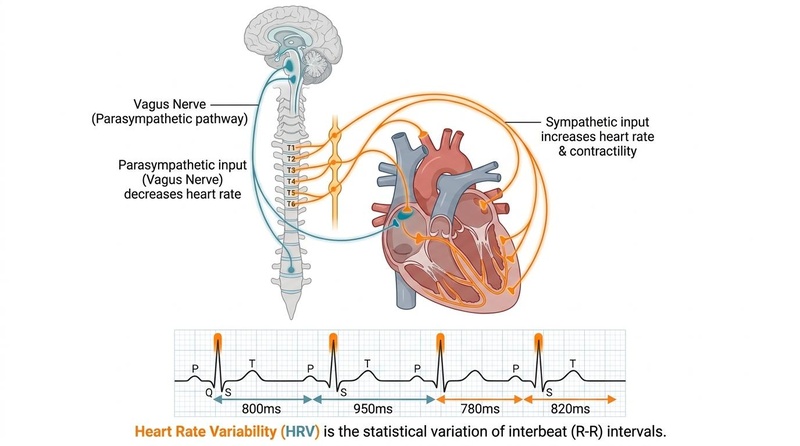
Stress is the body's response to any demand or threat, whether physical, emotional, or psychological. While acute stress can be adaptive, chronic stress leads to sustained activation of the hypothalamic-pituitary-adrenal (HPA) axis and sympathetic nervous system, impacting various bodily systems including metabolism, immune function, and cardiovascular health. Objective measures like heart rate variability (HRV) can indicate stress levels and autonomic balance[2].
¶ Mental Fitness: Beyond Absence of Illness
Mental fitness refers to a proactive state of psychological well-being characterized by emotional resilience, cognitive flexibility, and the ability to effectively cope with life's challenges. It involves developing skills to manage thoughts, emotions, and behaviors, fostering a sense of purpose, and maintaining healthy social connections. Mindfulness-based interventions are formally endorsed for enhancing mental readiness, cognitive performance, and psychological resilience[3].
¶ The Autonomic Nervous System: A Core Regulator
The autonomic nervous system (ANS) plays a critical role in mediating the stress response and regulating mental fitness. It comprises two main branches: the sympathetic nervous system (SNS), responsible for the "fight or flight" response, and the parasympathetic nervous system (PNS), which promotes "rest and digest" functions. Heart rate variability (HRV), the physiological variation in the time interval between heartbeats, is a key biomarker reflecting the balance and flexibility of the ANS. Higher HRV typically indicates better vagal tone and a greater capacity to adapt to stress[2:1].
¶ Does It Work? Evidence Snapshot
Evidence consistently demonstrates that targeted interventions, particularly breathwork and biofeedback, can significantly improve stress and mental fitness outcomes.
| Outcome | Effect | Quality | Consistency | Trials | Notes |
|---|---|---|---|---|---|
| Perceived Stress Reduction | High | High | Meta-analysis (18 RCTs) | Significant pooled effect size (Hedges' g = -0.35)[1:1] | |
| Anxiety Reduction | High | High | Meta-analysis (18 RCTs) | Significant pooled effect size (Hedges' g = -0.32)[1:2] | |
| Improved Resilience | Moderate | High | Single-Blind RCT | Significant improvements in subjective resilience scores[4] | |
| Enhanced Sleep Quality | Moderate | High | Single-Blind RCT | Significant improvements in Pittsburgh Sleep Quality Index[4:1] | |
| Faster Physiological Recovery | Moderate | High | RCT | More rapid return of RMSSD and heart rate to baseline[5] | |
| Reduced Depressive Symptoms | Moderate | High | RCT | Clinically meaningful decreases in depressive symptom severity[6] | |
| Lower Physiological Arousal | Moderate | High | RCT | Substantial reductions in resting respiratory and cardiac rates[7] | |
| Reduced Burnout (Healthcare Pros) | Moderate | High | Systematic Review (12 trials) | Significant reductions in Maslach Burnout Inventory scores[8] | |
| Improved Autonomic Flexibility | Moderate | High | RCT | Prevention of profound drop in RMSSD and HF-HRV under stress[9] |
¶ Who Benefits Most / Least
Benefits Most:
- Individuals with Chronic Stress/Anxiety: Those experiencing persistent feelings of overwhelm, rumination, or heightened physiological arousal can see significant improvements in symptom management and recovery capacity[1:3][5:1].
- High-Acuity Professionals/Students: Professions with demanding environments (e.g., healthcare, military, paramedicine) can benefit from resilience-building interventions[4:2][8:1].
- Those Seeking Performance Enhancement: Athletes, executives, or individuals aiming to optimize cognitive function and emotional regulation under pressure.
- Individuals with Sleep Disturbances: Stress management techniques, particularly breathwork, can improve sleep quality and reduce insomnia severity[4:3].
Benefits Least (or require tailored approaches):
- Acute Psychiatric Crises: These interventions are designed for subclinical adaptation and chronic resilience, not acute clinical crisis management.
- Severe Respiratory Conditions: Individuals with certain lung conditions may require specialized clinical monitoring before attempting advanced breathwork protocols.
- Lack of Adherence: Consistency is key; intermittent practice yields limited benefits.
¶ How to Try It: Actionable Protocols
¶ Stress & Mental Fitness Starter Kit (7-day plan)
This foundational kit is designed for rapid integration and noticeable shifts in stress response within a week.
| Day | Do this |
|---|---|
| 1 | Choose your daily practice (e.g., 5 minutes of slow breathing) + a consistent time. |
| 2 | Set a 2-minute "downshift" alarm for a mid-day break (e.g., short walk). |
| 3 | Establish one digital boundary (e.g., no work messages after 6 PM). |
| 4 | Pair your downshift practice with an existing habit (e.g., after lunch). |
| 5 | Implement a short evening shutdown routine (e.g., 10 minutes screen-free before bed). |
| 6 | Review recurring stress triggers and identify one to mitigate next week. |
| 7 | Lock in your chosen practices and boundaries for continued progress. |
¶ Daily Downshift Menu
These are quick, accessible techniques to regulate the nervous system and reduce acute stress anywhere, anytime:
- Slow Breathing with Longer Exhales: Inhale for 4 seconds, exhale slowly for 6-8 seconds. Repeat 5-10 times. This activates the vagus nerve, promoting parasympathetic activity[1:4].
- 2-Minute Environmental Shift: Step outside, look at the sky, or simply change rooms. This alters sensory input, interrupting stress patterns[7:1].
- One-Sentence Plan: If overwhelmed, articulate the single smallest next step: "What's the next smallest step?" This breaks down cognitive load.
- Name the Trigger: Verbally or mentally identify the source of stress (e.g., "I'm stressed because of the upcoming deadline"). This reduces ambiguity and fosters objective appraisal.
- Physiological Sigh: Take two short, sharp inhales through the nose, followed by a long, slow exhale through the mouth. Repeat 2-3 times to rapidly calm the nervous system[7:2].
¶ Advanced Breathwork Protocols
For those seeking deeper regulation and performance enhancement:
- Heart Rate Variability (HRV) Biofeedback: Practice guided breathing at your individual "resonance frequency" (typically 5.5 to 6.0 breaths per minute) to maximize HRV and autonomic balance. Devices often provide real-time feedback[10].
- Cyclic Sighing: A specific breathwork practice involving a double inhale followed by a prolonged exhale, shown to be highly effective in enhancing positive affect and reducing physiological arousal within 5 minutes of daily practice[7:3].
- Wim Hof Method: Combines cyclic hyperventilation with breath retention, followed by cold exposure and mindfulness. Clinical trials show it can reduce depressive symptoms and modulate cortisol rhythms[6:1].
¶ Safety, Interactions, and Clinical Contraindications
¶ Contraindications and Absolute Restrictions
- Cardiovascular Pathology: High-intensity, high-ventilation practices (e.g., hyperventilation with breath retention) are clinically contraindicated in individuals with active cardiovascular disease, severe cardiac arrhythmias (e.g., atrial fibrillation), or uncontrolled hypertension.
- Respiratory Pathology: Forced respiration or high-ventilation breathing protocols are contraindicated in individuals with active severe asthma or chronic obstructive pulmonary disease (COPD) due to the risk of bronchospasm or respiratory distress.
- Neurological Risk: Hyperventilation-induced hypocapnia can lower the seizure threshold. Therefore, high-ventilation breathwork is strictly contraindicated in individuals with a history of epilepsy or active seizure disorders.
- Psychiatric Manifestations: High-intensity somatic breathwork can trigger intense hyperarousal or severe emotional release. In individuals with active post-traumatic stress disorder (PTSD), severe panic disorder, or a history of psychosis, these practices should only be conducted under specialized clinical supervision.
- Acute Crisis Manifestations: Clinical stress management protocols are designed for chronic adaptation and subclinical anxiety. Acute crises—including active suicidal ideation, severe acute panic, or active psychosis—require specialized emergency clinical psychiatric intervention, not self-directed somatic optimization.
¶ Common Side Effects and Mitigation
- Lightheadedness/Dizziness: Common with hyperventilation techniques. Practice while seated, and reduce intensity if experienced.
- Increased Anxiety (initially): Some individuals may feel more anxious or emotional as they become more aware of internal sensations. This often subsides with continued practice and professional guidance.
- Muscle Tension: Can occur with breath retention. Focus on relaxing the body during exhalations.
¶ Drug/Supplement Interactions
Generally, breathwork and mindfulness practices do not interact with medications or supplements. However, if you are on medications that affect heart rate, blood pressure, or mental state, monitor your response closely.
¶ Clinical Discontinuation Criteria
- Clinical Deterioration: Persistent increase in perceived anxiety, or worsening of depressive baseline scores.
- Emergence of Unexplained Physical Symptoms: Emergence of unexplained physical symptoms, including chest pain, continuous palpitations, severe lightheadedness, or syncope.
- Intrusive Thoughts or Flashbacks: Emergence of trauma-related flashbacks, severe emotional dysregulation, or intrusive distress.
- Severe Impairment: Severe impairment in daily activities, work capacity, or interpersonal functioning.
¶ Tracking & What “Good” Looks Like
¶ Biomarkers (with units/frequency)
- Heart Rate Variability (HRV): Measured daily using wearable devices. Look for an upward trend in RMSSD and HF-HRV, indicating improved parasympathetic activity.
- Cortisol Awakening Response (CAR): Salivary cortisol test (4 samples) performed upon waking, 30 min, 60 min, and evening. A healthy CAR shows a sharp rise within 30-60 minutes post-waking, followed by a gradual decline.
- Sleep Quality Metrics: Tracked via wearables or sleep diaries (sleep latency, total sleep time, awakenings, deep/REM sleep percentages).
¶ Subjective Metrics
- Perceived Stress Scale (PSS-10): Administer weekly or bi-weekly. A decrease in score indicates improvement.
- Daily Affect: Use a simple 1-10 scale for positive and negative affect (e.g., PANAS scale) to track daily mood shifts.
- Energy Levels & Fatigue: Subjective assessment of sustained energy throughout the day.
- Focus & Attention: Noticeable improvements in concentration and reduced mind-wandering.
¶ Time-to-Benefit and Time-to-Washout
- Acute Benefits: Immediate calming effects, reduced physiological arousal, and improved mood can be experienced within minutes of practices like cyclic sighing[7:4].
- Short-Term Benefits (Weeks): Reductions in perceived stress, anxiety, and improved sleep quality typically manifest within 2-4 weeks of consistent daily practice[1:5][4:4].
- Long-Term Benefits (Months): Sustained practice leads to enhanced resilience, improved baseline HRV, and more robust emotional regulation, remodeling stress response patterns[6:2][11].
- Washout: Benefits may gradually diminish within days to weeks of discontinuing regular practice, emphasizing the need for consistency.
¶ Simple N-of-1 Template
Track a chosen practice (e.g., 5 minutes of cyclic sighing daily) for two weeks:
- Week A (Baseline): Continue usual routine. Track subjective stress (PSS-10), sleep quality, and mood daily.
- Week B (Intervention): Integrate the chosen practice daily. Track the same metrics.
- Comparison: Analyze changes in metrics between Week A and Week B to assess individual efficacy.
¶ Common Mistakes & Myths
- Myth: Stress management means eliminating all stress.
- Reality: The goal is not to eliminate stress, but to improve your physiological and psychological capacity to respond and recover from it more effectively.
- Mistake: Expecting instant, permanent results from infrequent practice.
- Reality: Consistency is paramount. Like physical fitness, mental fitness requires regular "training" to build and maintain capacity.
- Myth: Mindfulness is passive or solely about relaxation.
- Reality: Mindfulness is an active process of non-judgmental awareness that builds cognitive control and emotional regulation. While it can lead to relaxation, its primary purpose is deeper psychological training.
- Mistake: Overcomplicating practices or trying too many interventions at once.
- Reality: Start simple, master one or two techniques, and integrate them consistently. Progress gradually.
- Myth: Breathwork is just "deep breathing."
- Reality: While deep breathing is a component, specific breathwork protocols involve precise patterns of inhalation, exhalation, and retention designed to elicit targeted physiological responses.
¶ FAQs
¶ What is Heart Rate Variability (HRV)?
HRV is the variation in the time interval between consecutive heartbeats. It's an indicator of autonomic nervous system balance, with higher variability often reflecting better adaptability to stress and a healthier parasympathetic tone[2:2].
¶ How quickly can I expect to see results from stress management techniques?
Acute benefits like reduced physiological arousal and improved mood can occur within minutes. More sustained reductions in perceived stress and anxiety are typically observed within 2-4 weeks of consistent daily practice[1:6][7:5].
¶ Is mindfulness the same as meditation?
Mindfulness is a quality of awareness (present-moment, non-judgmental) that can be cultivated through formal meditation practices, but it can also be applied to any activity. Meditation is a broader term encompassing various mental training techniques.
¶ Can stress management improve sleep?
Yes, by downregulating the sympathetic nervous system and promoting relaxation, stress management techniques like breathwork and mindfulness can significantly improve sleep onset, duration, and overall quality[4:5][8:2].
¶ Glossary
- Autonomic Nervous System (ANS): The part of the nervous system responsible for regulating involuntary bodily functions, including heart rate, digestion, respiration, and blood pressure.
- Heart Rate Variability (HRV): The physiological variation in the time interval between heartbeats, reflecting autonomic nervous system activity and stress adaptation capacity.
- Hypothalamic-Pituitary-Adrenal (HPA) Axis: A central neuroendocrine system that regulates stress responses, mood, and energy.
- Mindfulness: A mental state achieved by focusing one's awareness on the present moment, while calmly acknowledging and accepting one's feelings, thoughts, and bodily sensations.
- Parasympathetic Nervous System (PNS): The "rest and digest" branch of the ANS, responsible for calming the body after stress and promoting recovery.
- Physiological Sigh: A specific breathing pattern involving two short inhales followed by a long exhale, used to rapidly reset the nervous system.
- Resilience: The capacity to recover quickly from difficulties; toughness.
- Sympathetic Nervous System (SNS): The "fight or flight" branch of the ANS, responsible for mobilizing the body's resources in response to perceived threats.
- Vagus Nerve: A major nerve of the PNS that plays a key role in regulating heart rate, digestion, and stress response.
¶ References
Fincham GW, Strauss C, Montero-Marin J. Effect of breathwork on stress and mental health: A meta-analysis of randomised-controlled trials. Scientific Reports. 2023. https://pubmed.ncbi.nlm.nih.gov/36624160/ ↩︎ ↩︎ ↩︎ ↩︎ ↩︎ ↩︎ ↩︎
Kim HG, Cheon EJ, Bai DS, Lee YH, Koo BH. Stress and Heart Rate Variability: A Meta-Analysis and Review of the Literature. Psychiatry Investig. 2018;15(3):235-245. https://pubmed.ncbi.nlm.nih.gov/38137060/ ↩︎ ↩︎ ↩︎
Frazier AD, Gregg BT, DaLomba EJ, Barefield ML. Mindfulness in Military Medicine: A Mixed-Methods Analysis of Army Medical Specialist Corps Officers' Mindfulness Competency, Beliefs, and Tendencies. Military Medicine. 2026. https://pubmed.ncbi.nlm.nih.gov/42391106/ ↩︎
Little A, Stainer M, MacQuarrie AS, Wiseman N, Haskins B. Examining the Effectiveness of Breathwork to Improve Resilience and Psychological Wellbeing While Reducing Anxiety, Depression, Stress, and Insomnia in Paramedicine Students: A Single-Blind Randomised Controlled Trial. Stress and Health. 2026. https://pubmed.ncbi.nlm.nih.gov/41787752/ ↩︎ ↩︎ ↩︎ ↩︎ ↩︎ ↩︎
Depoorter J, Hoorelbeke K, Guillaumée T, Cortet M, Lilot M, Rode G, De Raedt R, Schlatter S. Impact of a brief HRV-biofeedback intervention on emotion regulation following a real-life stressful event: A randomized controlled study. Behaviour Research and Therapy. 2026. https://pubmed.ncbi.nlm.nih.gov/41702143/ ↩︎ ↩︎
Blades R, Mendes WB, Don BP, Mayer SE, Dileo R, O'Bryan J, Fromer E, Guan JY, Cheng SS, Mason AE, et al. A randomized controlled clinical trial of a Wim Hof Method intervention in women with high depressive symptoms. Comprehensive Psychoneuroendocrinology. 2024. https://pubmed.ncbi.nlm.nih.gov/39606690/ ↩︎ ↩︎ ↩︎
Balban MY, Neri E, Kogon MM, et al. Brief structured respiration practices enhance mood and reduce physiological arousal. Cell Reports Medicine. 2023. https://pubmed.ncbi.nlm.nih.gov/36630953/ ↩︎ ↩︎ ↩︎ ↩︎ ↩︎ ↩︎
Cantone E, Urban A, Perra A. Enhancing wellness: a systematic review of biofeedback interventions for healthcare professionals. Frontiers in Psychiatry. 2026. https://pubmed.ncbi.nlm.nih.gov/41918582/ ↩︎ ↩︎ ↩︎
Sun L, Shen Y, Wang Y. Compassionate self-talk enhances autonomic flexibility during cognitive stress in generalized anxiety disorder: a randomized controlled trial with HRV evidence. Frontiers in Psychiatry. 2026. https://pubmed.ncbi.nlm.nih.gov/42381991/ ↩︎
Sumińska S, Rynkiewicz A, Szulczewski M. Resonance frequency versus fixed 0.1 Hz breathing in HRV biofeedback: a four-week randomized comparison. Scientific Reports. 2026. https://pubmed.ncbi.nlm.nih.gov/42156977/ ↩︎
Balint EM, Braun C, Mümken C. HRV-based workplace consultation for managers: a randomized controlled trial on enhancing biopsychosocial awareness and reducing perceived stress. Frontiers in Public Health. 2025. https://pubmed.ncbi.nlm.nih.gov/41710139/ ↩︎