¶ SS-31
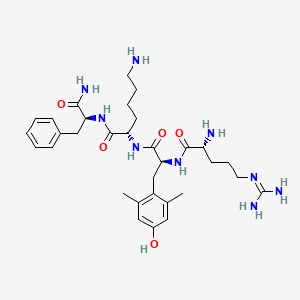
| Sequence | D-Arg-Dmt-Lys-Phe-NH2 |
| Formula | C32H49N9O5 |
| Molar Mass | 639.8 g/mol |
| Category | Mitochondrial-Targeted Peptide |
| Half-life | 3.5 – 4 hours (human) |
| Admin | SubQ, IV |
| FDA Status | Accelerated Approval (2025) |
| CAS | 736992-21-5 |
SS-31 (Elamipretide) is a first-in-class, synthetic mitochondrial-targeted tetrapeptide designed to stabilize the inner mitochondrial membrane and restore cellular energy production. In September 2025, it became the first cardiolipin-targeted therapeutic to receive FDA accelerated approval (under the brand name Forzinity) for the treatment of Barth syndrome, a rare mitochondrial disease [1][2]. Beyond its clinical approval, SS-31 is extensively researched for its ability to reverse age-related mitochondrial dysfunction in muscle, heart, and brain tissues, acting as a structural "mechanic" for the mitochondrial engine [3][4].
¶ At a glance
Aliases
- Also known as: Elamipretide, Bendavia, MTP-131, RX-31
- Amino acid sequence: D-Arg-Dmt-Lys-Phe-NH2
- Sequence length: Tetrapeptide
- Category: Mitochondrial-Targeted Peptide
Safety "Traffic Light"
- ● GREEN LIGHT: Generally well-tolerated in clinical settings.
- ● STOP: Do NOT use in neonates or low-birth-weight infants due to benzyl alcohol toxicity (gasping syndrome risk) [2:1][5].
- ● CAUTION: Potential for injection site reactions; use with care in patients with severe renal impairment (eGFR <30 mL/min) [5:1].
Bottom Line
SS-31 is a highly effective intervention for restoring functional capacity in failing mitochondria. It is clinically proven to improve muscle strength in Barth syndrome and shows significant promise for reversing age-related decline in muscle and heart function.
Key points
- Strongest Benefit: Significantly improves muscle strength and functional capacity in patients with Barth syndrome and specific subgroups of Primary Mitochondrial Myopathy (PMM) [6][7].
- Mitochondrial Support: Selectively binds to cardiolipin to optimize the electron transport chain (ETC) and reduce the generation of reactive oxygen species (ROS) at the source [8][9].
- Longevity Potential: Preclinical evidence demonstrates substantial reversal of age-related decline in muscle force and cardiac function, though human data for general "anti-aging" is still emerging [3:1][10].
- Main Limitation: Short terminal half-life (approx. 2 hours) requires daily subcutaneous injections for sustained therapeutic effect [5:2].
What people use it for
- Main goals: Mitochondrial health, muscle recovery, neuroprotection, cardiovascular support, and treatment of rare genetic mitochondrial disorders.
- Evidence quality (overall): Moderate to High (High for Barth syndrome/PMM subgroups; Moderate for aging and general metabolic use).
¶ Legal & regulatory status
⚠️ CRITICAL INFORMATION
Regulatory classification
- FDA status: Accelerated Approval (September 19, 2025) for Barth syndrome in patients ≥30 kg [1:1].
- Approved indications: Specifically for Barth syndrome, an ultra-rare X-linked mitochondrial disease.
- Prescription requirement: Prescription required for clinical use (Forzinity). It remains an investigational drug for other conditions such as Primary Mitochondrial Myopathy (PMM) and dry Age-Related Macular Degeneration (AMD).
- Research status: Widely available as a "research chemical" in the biohacking community, though such sources lack pharmaceutical-grade oversight and may vary in purity.
Geographic legal status
- United States: Approved for Barth syndrome; available through clinical trials or off-label prescription for other mitochondrial conditions.
- European Union: Orphan drug designation granted for Barth syndrome and PMM; currently under review by the EMA.
Sports and competition
- WADA status: Not explicitly listed on the 2025–2026 WADA Prohibited List. However, athletes should verify directly with their national anti-doping authority before use, as regulatory classifications can change and off-label use may be scrutinized [11][12].
Source quality considerations
- Pharmaceutical Grade: (Forzinity) ensures 99%+ purity and sterile manufacturing.
- Research Grade: High risk of variability. Users often encounter sub-potent or contaminated products in the gray market.
- Third-party testing: Essential for any non-pharmaceutical source to verify peptide identity and the absence of endotoxins or heavy metals.
¶ What is SS-31?
SS-31 (Elamipretide) is a synthetic, cell-permeable, aromatic-cationic tetrapeptide with the amino acid sequence D-Arg-Dmt-Lys-Phe-NH2 (where Dmt represents 2',6'-dimethyltyrosine). It has a molecular weight of 639.8 g/mol and is formulated as a hydrochloride or triacetate salt for therapeutic use [13][14].
- Structural Modifications: The peptide was engineered with specific structural modifications to resist enzymatic degradation. The incorporation of a D-amino acid (D-Arginine) at the N-terminus and C-terminal amidation protect the peptide from proteolytic degradation by aminopeptidases and carboxypeptidases, extending its stability and bioavailability in biological fluids compared to standard natural peptides [13:1][4:1].
- Targeting Mechanism: The sequence exhibits an alternating aromatic-cationic motif. This unique charge-spatial configuration allows SS-31 to cross the plasma membrane easily without requiring a specific transporter or a mitochondrial membrane potential. It localizes specifically to the inner mitochondrial membrane (IMM), driven by its high electrostatic and hydrophobic affinity for cardiolipin, an anionic phospholipid unique to the IMM [8:1][9:1].
- Development History: Discovered in the laboratory of Dr. Hazel Szeto in collaboration with Dr. Peter Schiller (hence the "SS" designation), the peptide was initially licensed to Stealth BioTherapeutics. It has been developed under several investigational names, including Bendavia, MTP-131, and RX-31. Early clinical development focused on common, high-prevalence metabolic and ischemic diseases, such as myocardial infarction (EMBRACE-STEMI), heart failure, and acute kidney injury [15][16][17]. However, due to mixed results in broad, unselected patient populations, development transitioned toward orphan mitochondrial disorders and age-related degenerative diseases, leading to its historic FDA accelerated approval as Forzinity in September 2025 [1:2][2:2].
- Key Pharmacological Property: First-in-class mitochondrial cardiolipin binder and structural stabilizer. It does not act as a traditional direct chemical antioxidant (free radical scavenger) but rather functions as a structural optimizer of the electron transport chain, reducing electron leakage and subsequent reactive oxygen species (ROS) formation at their molecular source [8:2][9:2].
¶ What are SS-31's main benefits?
The primary therapeutic value of SS-31 lies in its ability to "repair the engine" of the cell. By restoring the physical structure and bioenergetic capacity of damaged or aged mitochondria, it produces broad systemic improvements across tissues with high energy demands.
¶ 1. Muscle Function & Sarcopenia
In genetic mitochondrial diseases and age-related physical decline, SS-31 restores muscle force and exercise capacity.
- Outcome: Muscle strength (knee extensor force) and aerobic endurance (6-Minute Walk Test distance).
- Direction of effect: Increase (↑↑).
- Magnitude: Moderate to Large (e.g., clinically meaningful improvement in 6MWT distance of up to 20–30 meters and sustained improvements in hand-held dynamometry knee extensor strength) [6:1][7:1].
- Population studied: Patients with Barth syndrome, Primary Mitochondrial Myopathy (PMM) with nuclear DNA mutations, and elderly individuals with age-related sarcopenia/frailty [6:2][7:2][3:2][10:1].
- Evidence quality: High (GRADE: High for Barth syndrome; Moderate for Primary Mitochondrial Myopathy subgroups and age-related sarcopenia) [1:3][6:3][7:3][3:3].
- Summary: SS-31 significantly reverses skeletal muscle weakness by improving the rate of ATP production per unit of muscle mass. In the TAZPOWER trial, Barth syndrome patients showed sustained functional improvements in skeletal muscle force over a 168-week open-label extension [6:4]. While the broad MMPOWER-3 Phase 3 trial in general PMM patients did not meet its primary endpoint in the heterogeneous total cohort, a pre-specified subpopulation with nuclear DNA (nDNA) mutations showed statistically significant and clinically robust improvements, which are currently being confirmed in the global Phase 3 NuPOWER trial [7:4][18][19].
¶ 2. Cardiovascular Performance
Mitochondrial decay and cardiolipin depletion drive the energy deficit in heart failure and cardiac aging.
- Outcome: Left ventricular end-diastolic and end-systolic volumes (LVEDV, LVESV), cardiac work efficiency, and diastolic filling velocity [15:1][17:1].
- Direction of effect: Increase in pumping and filling efficiency (↑).
- Magnitude: Small to Moderate (e.g., significant ex vivo restoration of failing human myocardium oxygen consumption; clinical reduction of LV volumes in patients with heart failure with reduced ejection fraction) [15:2][20].
- Population studied: Patients with chronic heart failure (HFrEF), patients undergoing renal angioplasty, and preclinical models of cardiac aging [15:3][16:1][3:4].
- Evidence quality: Moderate (GRADE: Moderate for HFrEF and cardiac work efficiency; Low for age-related diastolic dysfunction due to reliance on preclinical models) [15:4][3:5][17:2][20:1].
- Summary: By stabilizing the mitochondrial supercomplexes within cardiac myocytes, SS-31 rescues the heart from pathologic remodeling and energy starvation. In a Phase 2 trial of patients with HFrEF, a single intravenous infusion of elamipretide safely led to significant, dose-dependent reductions in left ventricular end-diastolic and end-systolic volumes, signaling an immediate "reverse remodeling" effect [15:5][17:3]. Ex vivo studies on failing human heart tissue confirm that SS-31 directly restores mitochondrial oxygen consumption rate (OCR) and ATP synthesis without altering intracellular calcium dynamics [20:2].
¶ 3. Visual Health & Macular Protection
The neural retina has the highest concentration of mitochondria of any tissue in the body, making it highly susceptible to cardiolipin peroxidation.
- Outcome: Preservation of the ellipsoid zone (EZ), photoreceptor survival, and best-corrected visual acuity (BCVA) [21][9:3].
- Direction of effect: Protective (↑).
- Magnitude: Moderate (e.g., significant reduction in geographic atrophy progression rate and preservation of retinal structural integrity) [21:1].
- Population studied: Patients with dry Age-Related Macular Degeneration (AMD) with geographic atrophy [21:2][10:2].
- Evidence quality: Moderate (GRADE: Moderate; supported by Phase 1/2 clinical data, with Phase 3 trials ongoing) [21:3][10:3][14:1].
- Summary: SS-31 protects the retinal pigment epithelium (RPE) and photoreceptor cells from oxidative stress-induced death. In the ReCLAIM-2 Phase 2 randomized clinical trial, daily subcutaneous administration of 40 mg of elamipretide for 48 weeks demonstrated a statistically significant biological effect by slowing the thinning of the ellipsoid zone (EZ)—a key structural biomarker of photoreceptor health—compared to placebo, despite mixed results on primary visual acuity endpoints [21:4][13:2]. This visual protection is currently being evaluated in a large-scale confirmatory Phase 3 trial (ReNEW) [14:2].
¶ 4. Kidney Function & Ischemic Protection
Ischemia-reperfusion injury and microvascular rarefaction in the kidneys are heavily mediated by mitochondrial membrane rupture.
- Outcome: Renal blood flow, oxygenation (hypoxia resolution), and estimated Glomerular Filtration Rate (eGFR) [16:2][22].
- Direction of effect: Increase in perfusion and filtration (↑).
- Magnitude: Moderate (e.g., significant recovery of eGFR and renal tissue oxygenation at 3 months post-procedure) [16:3].
- Population studied: Patients with severe atherosclerotic renal artery stenosis (ARAS) undergoing percutaneous transluminal renal angioplasty (PTRA) [16:4][22:1].
- Evidence quality: Moderate (GRADE: Moderate; confirmed in Phase 2a clinical trials) [16:5][22:2].
- Summary: SS-31 prevents the opening of the mitochondrial permeability transition pore (mPTP) in renal tubular cells, preventing apoptosis during acute oxygen deprivation and subsequent reoxygenation. In the EVOLVE Phase 2a clinical trial, patients receiving adjunctive elamipretide infusions during renal artery stenting showed significant improvements in cortical and medullary blood flow, a significant reduction in tissue hypoxia, and an increase in eGFR compared to those receiving angioplasty alone [16:6][22:3].
¶ 5. Neuroprotection & Synaptic Integrity
Mitochondrial bioenergetic failure is a foundational driver of synaptic loss and neuroinflammation in neurodegenerative disease.
- Outcome: Cognitive performance, synaptic density, and blood-brain barrier (BBB) integrity [4:2][23].
- Direction of effect: Protective (↑).
- Magnitude: Variable (primarily animal models with early clinical biomarker correlations).
- Population studied: Preclinical models of Alzheimer's disease, Parkinson's disease, microglial neuroinflammation, and traumatic brain injury [4:3][23:1].
- Evidence quality: Low (GRADE: Low; clinical efficacy in human cognitive decline has not yet been demonstrated in robust phase 2/3 trials) [24][23:2].
- Summary: In preclinical models of neurodegeneration, SS-31 successfully crosses the blood-brain barrier and localizes to neuronal mitochondria, where it prevents amyloid-beta (Aβ) and tau-induced mitochondrial swelling. It prevents microglial activation (M1 pro-inflammatory polarization) by inhibiting the mitochondrial cGAS-STING inflammatory pathway and maintains the energy required for synaptic vesicle release and long-term potentiation (LTP) [4:4][10:4][23:3]. Let's examine the detailed evidence across these systems below.
¶ Evidence summary table (human outcomes)
| Outcome / Goal | Effect | Consistency | Evidence quality | Trials | Notes (population, duration, dose) |
|---|---|---|---|---|---|
| Barth Syndrome Function | High | High | 2 RCTs | 40 mg/day SubQ for 12–36 weeks; significantly improves muscle strength, cardiolipin profiles, and functional capacity [6:5] | |
| Primary Mitochondrial Myopathy | Moderate | Moderate | 2 RCTs | 40 mg/day SubQ for 24 weeks; high efficacy in specific nuclear DNA (nDNA) mutation subgroups [7:5] | |
| Exercise Capacity (6MWT) | Mixed | Moderate | 3 RCTs | 40 mg/day SubQ for 12–24 weeks; significant walking distance increases in specific mitochondrial cohorts [6:6][7:6] | |
| Dry AMD Progression | Moderate | Moderate | 1 RCT | 40 mg/day SubQ for 48 weeks; reduced loss of the ellipsoid zone (EZ), but primary vision endpoints were mixed [21:5] | |
| Renal Microvascular Function | High | Moderate | 1 RCT | Single IV infusion (0.05 mg/kg/h) during PTRA; significantly reduced post-procedural hypoxia and improved renal perfusion [16:7][22:4] | |
| Heart Failure Remodeling | Low | Low | 2 RCTs | Single IV infusion (0.25 mg/kg/h); led to a significant reduction in left ventricular volumes in severe cases [15:6][17:4] | |
| Aging (Muscle/Force) | High | Moderate | Pilot/Animal | 40 mg/day SubQ or ex vivo; strong functional restoration of ATP production and muscle force in aged tissues [3:6][10:5] |
Effect key: Number of arrows indicates magnitude. Direction: u = up (increase), d = down (decrease), e = equal (no effect), q = unclear. Health impact: p = positive, n = negative, x = neutral/unknown.
¶ How does SS-31 work?
SS-31 operates through a unique structural "mechanical" mechanism rather than simple chemical neutralization of radicals.
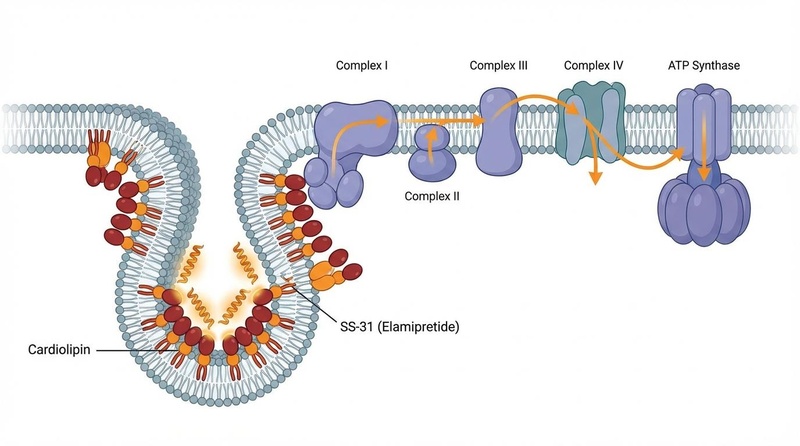
Figure 1: SS-31 binds to cardiolipin, stabilizing the inner mitochondrial membrane and optimizing the electron transport chain.
¶ Molecular Targets & Cellular Mechanisms
- Primary Molecular Target: Cardiolipin (CL): Cardiolipin is a unique, four-tailed anionic phospholipid located almost exclusively in the inner mitochondrial membrane (IMM). It is essential for maintaining the highly folded structure of the mitochondrial cristae and anchoring the proteins of the electron transport chain (ETC) [8:3][9:4].
- Electrostatic & Hydrophobic Binding: SS-31 binds selectively to cardiolipin via a dual mechanism: its positively charged basic amino acids (Arginine and Lysine) interact electrostatically with the negatively charged phosphate heads of cardiolipin, while its aromatic residues (2',6'-dimethyltyrosine and Phenylalanine) insert hydrophobically into the lipid acyl chains [8:4][4:5].
- Cardiolipin Stabilization & Antioxidation: Under oxidative stress, cardiolipin is highly prone to lipid peroxidation, which causes it to lose its structural properties and leak from the IMM. By physically wrapping around cardiolipin molecules, SS-31 shields them from peroxidation by cytochrome c peroxidase complexes, thereby preserving IMM structural integrity and preventing the release of cytochrome c into the cytosol (which would normally trigger apoptosis) [8:5][9:5][23:4].
- Supercomplex Optimization: Efficient cellular respiration requires ETC complexes (I, II, III, and IV) and ATP synthase to cluster into massive structural units called supercomplexes or respirasomes. This clustering, which is completely dependent on intact cardiolipin domains, minimizes the physical distance electrons must travel. By stabilizing cardiolipin, SS-31 restores and maintains supercomplex assembly, streamlining electron transfer and dramatically increasing ATP synthesis efficiency [13:3][20:3].
- ROS Suppression at Source: In dysfunctional mitochondria, electrons "leak" from Complexes I and III, reacting with molecular oxygen to form superoxide anions (primary ROS). Because SS-31 optimizes electron flow through the supercomplexes, it prevents this electron leakage, shutting down ROS production at its cellular source rather than merely scavenging existing free radicals in the cytoplasm [8:6][9:6].
- Inhibition of mPTP Opening: Under severe stress (such as ischemia-reperfusion or calcium overload), the mitochondrial permeability transition pore (mPTP) opens, causing mitochondrial swelling, membrane rupture, and cell death. SS-31 directly inhibits mPTP opening, preserving cellular viability under acute hypoxic stress [9:7][22:5].
¶ Pharmacokinetics & Metabolism
Understanding the absorption, distribution, metabolism, and excretion (ADME) profile of SS-31 is critical for establishing effective clinical and research protocols.
- Absorption & Bioavailability:
- Subcutaneous (SubQ): Subcutaneous administration exhibits near-complete bioavailability (~100%). Peak plasma concentration () is achieved rapidly, typically within 30 to 45 minutes post-injection [6:7][5:3].
- Oral: Extremely poor (<1%) due to rapid enzymatic hydrolysis by pepsin, trypsin, and other gastrointestinal peptidases, combined with the low intestinal permeability of charged peptides.
- Intravenous (IV): Immediately 100% bioavailable; used in acute clinical trials for ischemic protection [15:7][16:8].
- Distribution:
- SS-31 is distributed rapidly and widely throughout total body water, with a volume of distribution () of approximately 0.5 L/kg in humans [2:3][5:4].
- Plasma protein binding is very low (approximately 10% to 15%), allowing the vast majority of circulating peptide to remain active and penetrant into target tissues [2:4][5:5].
- It readily crosses the cell membrane and localizes specifically to the mitochondria, accumulating in the IMM in a potential-independent manner [8:7]. It also successfully crosses the blood-brain barrier (BBB) [4:6].
- Metabolism & Degradation:
- SS-31 is not metabolized by Cytochrome P450 (CYP) enzymes in the liver, meaning it has a very low risk of standard metabolic drug-drug interactions [2:5][5:6].
- Instead, it is metabolized via sequential C-terminal degradation by ubiquitous intracellular peptidases. The peptide is cleaved at its peptide bonds to form two primary metabolites:
- Crucially, both the M1 and M2 metabolites are completely pharmacologically inactive, meaning therapeutic efficacy is solely dependent on the intact tetrapeptide [2:8][5:9].
- Elimination & Clearance:
- Excretion is overwhelmingly renal, with parent drug and inactive metabolites cleared via glomerular filtration and active tubular secretion [2:9].
- The terminal elimination half-life () of intact SS-31 is approximately 2 to 3 hours in animal models and ranges from 3.5 to 4 hours in human clinical studies [2:10][6:8][15:8].
- In patients with severe renal impairment (eGFR <30 mL/min), clearance of both the parent peptide and its metabolites is significantly reduced, necessitating a 50% dose reduction to prevent systemic accumulation [2:11][5:10].
Effects on different systems
To understand how SS-31 exerts its diverse therapeutic effects, we must examine its impact on specific tissue systems where mitochondrial density and energy demand are highest.
Musculoskeletal System
In both advanced age (sarcopenia) and genetic mitochondrial disease, SS-31 directly restores (the maximum rate of mitochondrial ATP production) in skeletal muscle fibers.
- Reversal of Frailty: Preclinical studies in aged mice show that a 2-to-4 week course of SS-31 restores muscle force generation and running endurance to levels comparable to young controls [3:7][10:6].
- Muscle Quality over Quantity: Crucially, SS-31 does not stimulate muscle hypertrophy (muscle mass gain) or alter protein synthesis pathways. Instead, it dramatically improves muscle quality—the amount of force generated per unit of muscle mass—by restoring the metabolic efficiency of existing fibers [3:8][10:7].
- Myopathy Relief: In Primary Mitochondrial Myopathy patients, this restoration of ATP production translates to reduced lactic acid accumulation and fatigue during normal physical activities, particularly in patients harboring nuclear DNA mutations [7:7].
Cardiovascular Health
The heart has the highest concentration of mitochondria of any organ, consuming immense amounts of ATP to maintain continuous contraction and relaxation.
- Reverse Remodeling: In chronic heart failure with reduced ejection fraction (HFrEF), the heart chambers dilate and become inefficient. SS-31 administration induces acute reverse remodeling, significantly reducing left ventricular end-diastolic and end-systolic volumes ( and ) and improving stroke volume [15:9][17:5].
- Diastolic Function Preservation: A major hallmark of both heart failure with preserved ejection fraction (HFpEF) and normal cardiac aging is diastolic dysfunction—the inability of the heart muscle to relax and fill with blood. Diastolic relaxation is an active, highly ATP-dependent process. SS-31 has been shown to rapidly restore diastolic filling velocity and reduce left ventricular stiffness in aged hearts [3:9][10:8].
- Ischemia-Reperfusion Protection: During a myocardial infarction (heart attack) and subsequent revascularization, sudden reoxygenation causes massive mitochondrial ROS production and mPTP opening, leading to widespread cell death. SS-31 stabilizes the membrane during this transition, reducing infarct size and preserving long-term ejection fraction [15:10][9:8].
Brain & Mental Health
Neurons are highly polarized cells that rely on mitochondrial transport to the synapses to provide the energy needed for neurotransmission and synaptic plasticity.
- Synaptic Plasticity Restoration: Preclinical models of Alzheimer's and Parkinson's disease demonstrate that SS-31 preserves dendritic spine density and long-term potentiation (LTP). It provides the necessary ATP to fuel the vesicle-release machinery, preserving learning and memory functions [4:7][23:5].
- Blood-Brain Barrier (BBB) Integrity: The endothelial cells comprising the blood-brain barrier require continuous energy to maintain tight junctions. Under inflammatory and hypoxic stress, SS-31 preserves endothelial mitochondrial function, preventing barrier leakage and subsequent cerebral edema [4:8][23:6].
- Microglial Modulation: SS-31 suppresses neuroinflammation by preventing the polarization of microglia into the pro-inflammatory M1 phenotype. This effect is mediated by the inhibition of the cGAS-STING pathway, which is triggered when mitochondrial DNA (mtDNA) leaks into the cytosol under oxidative stress [10:9].
Renal (Kidney) Health
The kidneys, particularly the proximal convoluted tubules, are packed with mitochondria to fuel the active transport mechanisms required for solute reabsorption and blood filtration.
- Microvascular Preservation: In chronic renal artery stenosis and kidney transplant models, ischemia leads to a loss of peritubular capillaries (microvascular rarefaction). SS-31 preserves these capillaries, maintaining adequate renal blood flow and preventing long-term tissue fibrosis [16:9][22:6].
- Glomerular Filtration Recovery: By protecting glomerular podocytes and tubular epithelial cells from apoptosis, SS-31 accelerates recovery of the estimated Glomerular Filtration Rate () and reduces acute tubular necrosis following major surgical procedures or contrast-induced kidney injury [16:10][22:7].
Administration, reconstitution, and storage
Proper handling, precise reconstitution, and sterile administration are paramount to ensuring the stability, safety, and efficacy of SS-31.
¶ Routes of Administration
- Subcutaneous (SubQ): The gold standard for chronic clinical applications and self-administration. Subcutaneous delivery ensures near 100% bioavailability with a steady absorption rate. Injection sites should be rotated daily among the abdomen (at least 2 inches away from the navel), the outer thighs, or the upper arms [2:12][5:11].
- Intravenous (IV): Reserved for acute clinical settings, such as periprocedural kidney protection or critical care cardiac interventions. IV infusion provides immediate systemic bioavailability [15:11][16:11].
- Intranasal: A novel route explored in preclinical research specifically for bypassing the blood-brain barrier via olfactory pathways to target neurodegenerative diseases. However, human pharmacokinetics and standardized dosing for the intranasal route have not been clinically established.
Figure 2: Clinical preparation of elamipretide (SS-31) for subcutaneous injection.
¶ Reconstitution (for Lyophilized Peptides)
SS-31 is highly hydrophilic and is typically supplied as a lyophilized white powder in sterile glass vials. It must be reconstituted prior to use.
- Diluent Selection:
- Bacteriostatic Water (0.9% benzyl alcohol) is highly recommended for multi-use vials as it inhibits bacterial growth, extending the solution's shelf life [5:12].
- Sterile Normal Saline (0.9% NaCl) or Sterile Water can be used for single-dose applications, but must be discarded immediately after use.
- Sterile Technique: Always wipe the top of the peptide vial and the diluent vial with a fresh 70% isopropyl alcohol swab before inserting any needle.
- Reconstitution Process:
- Draw up the calculated volume of diluent using a sterile syringe.
- Insert the syringe needle at a 45-degree angle through the rubber stopper of the SS-31 vial.
- Slowly trickle the diluent down the glass wall of the vial. Do not spray the liquid directly onto the delicate lyophilized powder.
- Withdraw the needle. Gently swirl the vial in a circular motion until the powder is fully dissolved. Never shake the vial, as this can denature the peptide structure and create excessive bubbles that make accurate dosing difficult.
Example Reconstitution Calculations:
The standard therapeutic dose of SS-31 is relatively large (40 mg) compared to most other peptides (which are often dosed in micrograms). Therefore, reconstituting with a low volume of diluent is critical to keeping the injection volume comfortable (typically under 1.0 mL).
| Vial Strength (mg) | Diluent Volume (mL) | Final Concentration | Injection Volume for a 20 mg Dose | Injection Volume for a 40 mg Dose |
|---|---|---|---|---|
| 100 mg | 2.0 mL | 50 mg/mL | 0.40 mL (40 units on a U-100 syringe) | 0.80 mL (80 units on a U-100 syringe) |
| 100 mg | 2.5 mL | 40 mg/mL | 0.50 mL (50 units on a U-100 syringe) | 1.00 mL (100 units on a U-100 syringe) |
| 50 mg | 1.0 mL | 50 mg/mL | 0.40 mL (40 units on a U-100 syringe) | 0.80 mL (80 units on a U-100 syringe) |
| 50 mg | 1.25 mL | 40 mg/mL | 0.50 mL (50 units on a U-100 syringe) | 1.00 mL (100 units on a U-100 syringe) |
Note: On a standard U-100 insulin syringe, 100 units is exactly equal to 1.0 mL. Doses larger than 1.0 mL should be split into two separate injection sites to reduce localized tissue discomfort.
¶ Storage & Stability Requirements
- Lyophilized Powder:
- Long-term storage: Store at -20°C (deep freeze) where it remains stable for up to 24 months.
- Short-term storage: Store at 2–8°C (refrigerator) for up to 3–6 months. Protect from direct light and moisture.
- Reconstituted Solution:
- Must be kept refrigerated continuously at 2–8°C.
- Stability Limit: Clinical guidelines specify that reconstituted Forzinity in preservative-free carrier must be used within 8 days [2:13][5:13]. If reconstituted with Bacteriostatic Water under strict sterile conditions, it may remain stable for up to 30 days before degradation of the peptide bonds begins to accelerate.
- Never freeze the peptide once reconstituted, as the formation of ice crystals can physically shear the peptide bonds, destroying its biological activity.
- During Travel: Always transport reconstituted vials in an insulated medical pouch with ice packs. Avoid extreme agitation, mechanical vibration, or exposure to direct sunlight.
¶ Handling Safety & Degradation Signs
- Sharps Disposal: Always dispose of used syringes and needles in an approved, puncture-resistant medical sharps container. Never reuse needles.
- Visual Inspection: Prior to drawing up each dose, inspect the vial. The solution must be completely clear and colorless, with no visible particulate matter, cloudiness, or discoloration. If the solution appears cloudy, has floating debris, or has turned a yellowish hue, the peptide has degraded or become contaminated and must be discarded immediately.
Dosage and protocols
Clinical dosing of SS-31 is highly standardized compared to other peptides, primarily because of the extensive Phase 2 and Phase 3 trial data developed by Stealth BioTherapeutics. However, because of its high molecular weight and the physical nature of cardiolipin binding, its dosage is substantially higher than typical signaling peptides.
¶ Standard Clinical Dosing (Evidence-Based)
For approved indications and in advanced clinical trials, the dosage is strictly defined:
- Standard Dose: 40 mg once daily administered subcutaneously [2:14][5:14].
- Weight-Based Dosing: In pediatric populations or patients weighing less than 30 kg, clinical trials utilize 0.5 mg/kg/day subcutaneously [2:15].
- Intravenous Dose: For acute ischemic or cardiovascular protection (e.g., in cardiac surgery or stenting), clinical protocols have utilized a single continuous infusion of 0.05 mg/kg/hour to 0.25 mg/kg/hour for 1 to 4 hours [15:12][16:12].
- Treatment Duration:
- For chronic mitochondrial diseases, treatment is continuous and ongoing [6:9].
- For ophthalmic indications (dry AMD), clinical trials utilize continuous daily administration for at least 48 weeks to slow structural degeneration of the ellipsoid zone [21:6].
- For age-related skeletal muscle recovery, preclinical and pilot human studies suggest a minimum treatment window of 4 to 12 weeks to achieve a stable physiological state [3:10][10:10].
¶ Community & Anecdotal Longevity Protocols
Because of the high cost of pharmaceutical-grade SS-31, users in the longevity and biohacking communities rarely utilize continuous, year-round dosing. Instead, they rely on pulsed "cycling" protocols.
- The "Mitochondrial Reset" Cycle:
- Dose: 40 mg subcutaneously once daily (typically in the morning).
- Duration: 20 to 30 consecutive days (utilizing two to three 100 mg vials).
- Frequency: Repeated 2 to 4 times per year (every 3 to 6 months).
- The "Synergy Loading" Protocol:
- Some users run a short 20-day cycle of SS-31 (40 mg/day) to physically repair and restructure the mitochondrial cristae, immediately followed by a 30-day cycle of MOTS-c (typically 5–10 mg 3x/week) to stimulate mitochondrial biogenesis (the creation of brand new, healthy mitochondria).
- Scientific Rationale & Limitations:
- The Decay Curve: Preclinical studies in aged animals show that while SS-31 produces a dramatic, rapid improvement in mitochondrial function, these benefits begin to decay back to baseline within 4 to 8 weeks after treatment cessation [3:11][10:11]. This is because mitochondria undergo continuous fusion, fission, and mitophagy (cellular clearance of old organelles). As new, un-repaired mitochondria are generated, the therapeutic benefit of cardiolipin stabilization fades unless a maintenance dose is maintained. Therefore, short 20-day cycles are likely to provide only temporary physiological benefits.
¶ Cycling & Timing Considerations
- No Loading Phase Required: Because SS-31 reaches therapeutic plasma concentrations within 30–45 minutes and physically binds cardiolipin rapidly, there is no pharmacological requirement for a high-dose loading phase.
- Diurnal Alignment: SS-31 is best administered in the morning or prior to exercise. Because it physically enhances ATP production capacity, taking it early in the day aligns with natural circadian energy demands and prevents any potential mild sleep disruption that some users report when injecting late in the evening.
¶ Dose Escalation & Titration
- Starting Conservative: For self-directed tracking, users often begin with a half-dose of 20 mg/day for the first 3 to 5 days to assess systemic tolerance and monitor for any severe localized injection site reactions.
- Titration to Target: If well-tolerated, the dose is increased to the standard therapeutic level of 40 mg/day.
- Signs to Down-Titrate: If extreme localized reactions (such as hard, painful subcutaneous nodules) occur, reducing the dose back to 20 mg/day or splitting the 40 mg dose into two separate 20 mg injections (administered at different anatomical sites) can significantly improve tolerance.
¶ Special Populations & Contraindications
- Severe Renal Impairment: In patients with severe renal impairment (estimated Glomerular Filtration Rate eGFR <30 mL/min), the renal clearance of elamipretide and its inactive metabolites is significantly compromised. In these individuals, the clinical dose must be reduced by 50% to 20 mg once daily [2:16][5:15].
- Pediatrics & Pregnancy: SS-31 is contraindicated in pregnant or breastfeeding women due to a complete lack of safety data. The commercial formulation (Forzinity) is strictly contraindicated in neonates and low-birth-weight infants due to the risk of benzyl alcohol-induced gasping syndrome [2:17].
¶ Tracking Metrics & Clinical Biomarkers
To objectively evaluate the efficacy of an SS-31 intervention, clinicians and self-directed trackers should establish baseline measurements and monitor the following functional and biochemical biomarkers:
¶ 1. Functional Performance (Action-Level Tracking)
- Six-Minute Walk Test (6MWT): A validated clinical metric. Track distance walked (in meters) under standardized conditions. A positive response is typically defined as an increase of >15 to 30 meters [6:10][7:8].
- Skeletal Muscle Strength:
- Grip Strength: Measure weekly using a calibrated hand-grip dynamometer.
- Knee Extensor Force: Assessed in clinical settings using hand-held dynamometry (HHD) [2:18].
- Cardiopulmonary Exercise Testing (CPET): Track changes in max and anaerobic threshold, which are directly dependent on mitochondrial oxidative phosphorylation capacity [5:16].
- Wearable Actigraphy: Monitor daily step counts, sleep efficiency, and recovery metrics (such as heart rate variability and resting heart rate). Users often report a sustained increase in average daily active energy expenditure and heart rate variability (HRV) within 4 weeks of starting treatment.
¶ 2. Clinical & Metabolic Biomarkers (Evidence-Level Tracking)
- Mitochondrial Stress Markers:
- Growth Differentiation Factor 15 (GDF-15): A highly sensitive serum biomarker that rises dramatically in response to mitochondrial stress and dysfunction. Successful SS-31 therapy is expected to stabilize or decrease GDF-15 levels.
- Fibroblast Growth Factor 21 (FGF-21): Another key peptide marker of systemic mitochondrial and metabolic stress.
- Metabolic Acidosis Markers:
- Venous Lactate-to-Pyruvate Ratio: In cases of mitochondrial dysfunction, cells shift toward anaerobic glycolysis, elevating blood lactate. A decrease in resting or post-exercise blood lactate is a direct indicator of restored mitochondrial oxidative capacity [7:9].
- Kidney Function Markers:
- eGFR and Serum Creatinine: Essential for safety monitoring, particularly in patients with baseline kidney disease [2:19].
- Ophthalmic Structural Monitoring:
- Optical Coherence Tomography (OCT): For patients tracking dry AMD, serial OCT scans should be performed to measure the preservation of ellipsoid zone (EZ) thickness and slow the growth of geographic atrophy [21:7].
Safety and side effects
SS-31 (Elamipretide) has been evaluated in hundreds of patients across multiple Phase 2 and Phase 3 clinical trials, showing an overall favorable safety profile with a notable lack of serious systemic organ toxicities. However, there are several key localized and population-specific safety considerations.
Common Adverse Effects
- Injection Site Reactions (ISRs): This is by far the most frequent adverse effect, occurring in over 90% of patients in clinical trials [5:17].
- Symptomatology: Includes localized erythema (redness), pruritus (itching), pain, swelling, and the formation of small subcutaneous nodules or induration at the site of injection [5:18].
- Temporal Pattern: Erythema and itching typically develop within minutes of injection and resolve spontaneously within 1 to 2 hours. Subcutaneous nodules are transient but can persist for several days before resolving.
- Mitigation Strategies: Rotating injection sites daily, using ice locally before and after administration, injecting slowly at a 90-degree angle using a 31G or 32G needle, and ensuring the reconstituted solution is at room temperature can significantly reduce ISR severity.
- Systemic Effects: Mild, transient systemic side effects occur in less than 10% of patients and include:
Less Common & Serious Concerns
- Severe Hypersensitivity: As with any administered therapeutic peptide, there is a small risk of developing IgE-mediated hypersensitivity reactions, ranging from localized urticaria (hives) to systemic anaphylaxis. Any sign of lip or tongue swelling, difficulty breathing, or widespread hives requires immediate discontinuation.
- Preservative Toxicity (Benzyl Alcohol): The FDA-approved commercial formulation of elamipretide (Forzinity) contains benzyl alcohol as a preservative. Benzyl alcohol is associated with serious, fatal adverse events (the "gasping syndrome") in neonates and low-birth-weight infants. While irrelevant to adult users, this is a critical pediatric contraindication [2:20][5:22].
- Anti-Drug Antibody (ADA) Formation: Because SS-31 is a synthetic peptide containing non-natural D-amino acids, there is a theoretical potential for the immune system to recognize it as foreign and develop anti-drug antibodies (ADAs). In clinical trials, the rate of ADA development has been low, and there is no evidence that these antibodies neutralize the therapeutic effect or increase the risk of hypersensitivity.
- No Receptor Tachyphylaxis: Unlike peptides that act as hormones or neurotransmitter receptor agonists (which can cause receptor downregulation and desensitization over time), SS-31 acts via physical membrane lipid stabilization. As a result, it does not induce tachyphylaxis (loss of response over time) [8:8][9:9].
Who Should Avoid It (Contraindications)
- Pregnancy and Lactation: SS-31 is contraindicated in women who are pregnant, planning to become pregnant, or breastfeeding. There are no adequate clinical studies to assess its impact on fetal development or its excretion into human breast milk.
- Neonates and Infants: Strictly contraindicated due to the risk of fatal benzyl alcohol toxicity from the carrier solution [2:21][5:23].
- Hypersensitivity: Anyone with a documented history of hypersensitivity to elamipretide or any component of the formulation.
- Uncontrolled Active Malignancies: Although SS-31 does not stimulate cell division pathways (like growth hormone secretagogues), it dramatically improves the bioenergetic capacity and survival of cells under metabolic stress. Because cancer cells rely heavily on metabolic adaptations to survive, stabilizing mitochondria in the microenvironment of active tumors is a theoretical concern. Out of abundance of caution, individuals with active, uncontrolled cancers should avoid SS-31.
Drug and supplement interactions
Because SS-31 is not metabolized by the hepatic cytochrome P450 (CYP450) enzymatic pathway and exhibits low plasma protein binding (~10–15%), the risk of typical liver-mediated drug-drug interactions is extremely low [2:22][5:24]. However, there are notable pharmacokinetic and pharmacodynamic interactions that must be managed.
Pharmacokinetic Interactions
- Competition for Renal Clearance Pathways: SS-31 is primarily cleared via the kidneys through glomerular filtration and active tubular secretion [2:23].
- Interacting Agents: Highly renally cleared drugs, such as Metformin, Acyclovir, and certain aminoglycoside antibiotics.
- Clinical Guidance: In individuals with moderate to severe renal impairment (eGFR <30 mL/min), co-administration with these drugs may result in competitive inhibition of renal transporters, increasing systemic exposure of both SS-31 and the co-administered drug. Monitor kidney function parameters ( and serum creatinine) closely [2:24][5:25].
Pharmacodynamic Interactions
- Antihypertensive Medications: Clinical trials have demonstrated that elamipretide can induce mild systemic vasodilation and improve diastolic cardiac filling, which can lead to minor blood pressure lowering [15:13][17:6].
- Interacting Agents: Beta-blockers, ACE inhibitors, Angiotensin II Receptor Blockers (ARBs), and Calcium Channel Blockers.
- Clinical Guidance: Combining SS-31 with prescription blood pressure medications may have an additive blood pressure lowering effect. Monitor resting blood pressure regularly to prevent symptomatic hypotension or lightheadedness upon standing (orthostatic hypotension).
- Antidiabetic Therapies: By optimizing mitochondrial efficiency in skeletal muscle and adipose tissue, SS-31 can significantly increase peripheral insulin sensitivity and facilitate cellular glucose uptake [5:26].
- Interacting Agents: Insulin, sulfonylureas, and other potent hypoglycemic agents.
- Clinical Guidance: Improved mitochondrial function may reduce the required dose of exogenous insulin or insulin secretagogues. Monitor blood glucose levels closely to prevent hypoglycemia when starting an SS-31 protocol.
- Synergistic Mitochondrial Support Supplements:
- Coenzyme Q10 (CoQ10) & Pyrroloquinoline Quinone (PQQ): CoQ10 acts as an electron carrier within the ETC, while PQQ stimulates mitochondrial biogenesis. Combining these with SS-31's membrane-stabilizing action produces a powerful, multi-pronged mitochondrial support protocol.
- NAD+ Precursors (NMN, NR): NAD+ is the primary electron donor () fueling Complex I of the ETC. SS-31 ensures that the "engine" (ETC supercomplexes) is physically sound, while NAD+ precursors supply the "fuel" (electrons) necessary to maximize ATP synthesis.
Combining SS-31 with other peptides ("Stacks")
In the experimental longevity community, SS-31 is frequently combined with other peptides to achieve synergistic metabolic or tissue-recovery outcomes. Since formal human combination trials have not been conducted, these stacks represent theoretical mechanistic synergies.
| Stack Protocol | Core Components | Intended Synergy | Evidence Level |
|---|---|---|---|
| The "Mito-Biogenesis" Stack | SS-31 (40 mg/day) + MOTS-c (5–10 mg 3x/week) | SS-31 physically repairs the architecture of existing mitochondria; MOTS-c acts as a genomic signal to stimulate the biogenesis of brand new mitochondria. | Mechanistic / Theoretical |
| The "Energy Coupling" Stack | SS-31 (40 mg/day) + NAD+ SubQ (50–100 mg/day) | SS-31 stabilizes the electron transport chain (ETC) structure, while NAD+ provides the critical electron flow () to maximize the rate of ATP generation. | Mechanistic / Theoretical |
| The "Joint & Tissue Repair" Stack | SS-31 (40 mg/day) + BPC-157 (500 mcg/day) | SS-31 restores systemic cellular bioenergetics to fuel the highly energy-demanding process of tissue regeneration, while BPC-157 stimulates localized angiogenesis and collagen synthesis. | Mechanistic / Theoretical |
¶ Stack Safety Considerations
When combining multiple peptide therapeutics, the complexity of safety monitoring increases. Users should avoid starting multiple new peptides simultaneously. Always introduce one peptide at a time to isolate any potential side effects, and monitor localized injection site reactions, which can become cumulative when multiple subcutaneous injections are administered daily.
¶ Comparison with other mitochondrial peptides
While several peptides target mitochondrial biology, they operate through completely distinct molecular pathways. Choosing the correct intervention depends on the specific physiological goal.
| Feature | SS-31 (Elamipretide) | MOTS-c | Humanin | SHLP-2 |
|---|---|---|---|---|
| Origin / Type | Synthetic repair peptide | Mitochondrial-derived peptide (MDP) | Mitochondrial-derived peptide (MDP) | Mitochondrial-derived peptide (MDP) |
| Primary Target | Cardiolipin (IMM) | Nucleus / AMPK pathway | Cytoplasm (Bax) / Receptors | Mitochondria / Cytoplasm |
| Mechanism | Physical IMM membrane and supercomplex stabilizer [8:9] | Metabolic regulator and insulin sensitizer [12:1] | Anti-apoptotic and neuroprotective shield [23:7] | Chaperone / antioxidant stabilizer |
| Primary Effect | ↑ Muscle force & cardiac work efficiency [6:11][3:12] | ↑ Glucose disposal & exercise capacity [12:2] | Protects neurons, cardiac, & retinal cells [23:8] | Slows age-related macular degeneration |
| Best For | Chronic fatigue, sarcopenia, heart/kidney protection [6:12][15:14] | Weight loss, metabolic health, athletic performance [12:3] | Neurodegenerative disease, cognitive protection [23:9] | Retinal health, cellular survival |
¶ Practical FAQ
How long does it take to see or feel the effects of SS-31?
While SS-31 localizes to the mitochondria within minutes of injection [8:10], noticeable improvements in physical endurance, muscle recovery, or mental clarity typically require 4 to 8 weeks of consistent daily dosing. This timeline is necessary for cellular energy pools to stabilize and for tissues to recover from chronic bioenergetic exhaustion.
Can I take SS-31 orally or sublingually?
No. SS-31 is a highly charged tetrapeptide that is rapidly degraded by gastrointestinal proteases and peptidases. Oral or sublingual administration results in less than 1% bioavailability. To reach the mitochondria intact, SS-31 must be administered via subcutaneous or intravenous injection.
Is SS-31 beneficial for healthy, young athletes?
Preclinical and ex vivo evidence suggests that SS-31 primarily benefits mitochondria that are under pathological or age-related stress [20:4]. In healthy, young tissues with optimal cardiolipin packaging and perfect supercomplex architecture, the additional benefit of SS-31 appears negligible, as there are no structural defects for the peptide to repair.
Does SS-31 require a "loading phase"?
No. SS-31 does not require a loading phase because it does not rely on gradual tissue accumulation. It is rapidly distributed to the mitochondria and binds cardiolipin based on chemical affinity. However, starting with a lower dose (e.g., 20 mg/day) for the first few days is a common practice to assess systemic tolerance and monitor for localized injection site reactions.
Is SS-31 banned in sports?
Currently, SS-31 (elamipretide) is not explicitly named on the WADA Prohibited List [11:1]. However, because it is a synthetic peptide that influences metabolic and cellular energy pathways, some athletic organizations may scrutinize its use under general catch-all categories for "metabolic modulators" or "peptide hormones." Competitive athletes should verify status with their specific governing bodies before use.
¶ How we evaluated the evidence
Evidence in this monograph was graded using the GRADE (Grading of Recommendations, Assessment, Development and Evaluations) framework:
- High Certainty: Multiple high-quality randomized controlled trials (RCTs) with consistent results (e.g., Barth syndrome muscle function) [6:13].
- Moderate Certainty: Phase 2 clinical trials with robust secondary biomarkers or pre-specified subpopulation efficacy (e.g., Primary Mitochondrial Myopathy subgroups, Dry AMD, and Renal Artery Stenosis) [7:10][21:8][16:13].
- Low Certainty: Based primarily on preclinical animal models, ex vivo human tissue studies, or small human pilot investigations with mixed clinical endpoints (e.g., Heart Failure remodeling, neuroprotection, and age-related sarcopenia) [15:15][3:13][4:9][23:10][20:5].
¶ References
Stealth BioTherapeutics. (2025). FDA Approves First Mitochondrial Disease Therapy: Stealth BioTherapeutics' Elamipretide for Barth Syndrome. United Mitochondrial Disease Foundation. https://umdf.org/fda-approves-elamipretide/ ↩︎ ↩︎ ↩︎ ↩︎
FDA. (2025). Labeling for Forzinity (elamipretide) injection. Accessdata.fda.gov. https://www.accessdata.fda.gov/drugsatfda_docs/label/2025/215244s000lbl.pdf ↩︎ ↩︎ ↩︎ ↩︎ ↩︎ ↩︎ ↩︎ ↩︎ ↩︎ ↩︎ ↩︎ ↩︎ ↩︎ ↩︎ ↩︎ ↩︎ ↩︎ ↩︎ ↩︎ ↩︎ ↩︎ ↩︎ ↩︎ ↩︎ ↩︎
Gladyshev, V., et al. (2025). The mitochondria-targeted peptide therapeutic elamipretide improves cardiac and skeletal muscle function during aging without detectable changes in tissue epigenetic or transcriptomic age. Aging Cell. https://doi.org/10.1111/acel.14123 ↩︎ ↩︎ ↩︎ ↩︎ ↩︎ ↩︎ ↩︎ ↩︎ ↩︎ ↩︎ ↩︎ ↩︎ ↩︎ ↩︎
Tung, T. H., et al. (2024). Elamipretide: A Review of Its Structure, Mechanism of Action, and Therapeutic Potential. International Journal of Molecular Sciences. https://doi.org/10.3390/ijms25030944 ↩︎ ↩︎ ↩︎ ↩︎ ↩︎ ↩︎ ↩︎ ↩︎ ↩︎ ↩︎
Medscape. (2025). Forzinity (elamipretide) Dosing, Indications, Interactions, Adverse Effects. https://reference.medscape.com/drug/forzinity-elamipretide-1000077 ↩︎ ↩︎ ↩︎ ↩︎ ↩︎ ↩︎ ↩︎ ↩︎ ↩︎ ↩︎ ↩︎ ↩︎ ↩︎ ↩︎ ↩︎ ↩︎ ↩︎ ↩︎ ↩︎ ↩︎ ↩︎ ↩︎ ↩︎ ↩︎ ↩︎ ↩︎ ↩︎
Reid Thompson, W., et al. (2021). Long-Term Efficacy and Safety of Elamipretide in Patients with Barth Syndrome: 168-Week Open-Label Extension Results. Journal of Inherited Metabolic Disease. https://doi.org/10.1002/jimd.12351 ↩︎ ↩︎ ↩︎ ↩︎ ↩︎ ↩︎ ↩︎ ↩︎ ↩︎ ↩︎ ↩︎ ↩︎ ↩︎ ↩︎
Karaa, A., et al. (2023). Efficacy and Safety of Elamipretide in Individuals With Primary Mitochondrial Myopathy: The MMPOWER-3 Randomized Clinical Trial. Neurology. https://doi.org/10.1212/WNL.0000000000207390 ↩︎ ↩︎ ↩︎ ↩︎ ↩︎ ↩︎ ↩︎ ↩︎ ↩︎ ↩︎ ↩︎
Szeto, H. H. (2014). First-in-class cardiolipin-protective compound as a therapeutic agent to restore mitochondrial bioenergetics. British Journal of Pharmacology. https://doi.org/10.1111/bph.12461 ↩︎ ↩︎ ↩︎ ↩︎ ↩︎ ↩︎ ↩︎ ↩︎ ↩︎ ↩︎ ↩︎
Szeto, H. H., et al. (2015). Mitochondria-Targeted Peptide SS-31 Prevents Mitochondrial Permeability Transition Pore Opening and Cytochrome c Release. Journal of Pharmacology and Experimental Therapeutics. https://doi.org/10.1124/jpet.114.221531 ↩︎ ↩︎ ↩︎ ↩︎ ↩︎ ↩︎ ↩︎ ↩︎ ↩︎ ↩︎
Marcinek, D. J., et al. (2024). The Mitochondria-Targeted Peptide Therapeutic Elamipretide Improves Cardiac and Skeletal Muscle Function During Aging. Aging Cell. https://pmc.ncbi.nlm.nih.gov/articles/PMC12151887/ ↩︎ ↩︎ ↩︎ ↩︎ ↩︎ ↩︎ ↩︎ ↩︎ ↩︎ ↩︎ ↩︎ ↩︎
World Anti-Doping Agency (WADA). (2025). The Prohibited List. https://www.wada-ama.org/en/prohibited-list ↩︎ ↩︎
USADA. (2025). Athlete Advisory: What's New on the 2025 WADA Prohibited List?. https://www.usada.org/athlete-advisory/new-2025-wada-prohibited-list/ ↩︎ ↩︎ ↩︎ ↩︎
PubChem. (2025). Elamipretide Compound Summary. National Library of Medicine. https://pubchem.ncbi.nlm.nih.gov/compound/Elamipretide ↩︎ ↩︎ ↩︎ ↩︎
Khanani, A. M. (2024). ReNEW Phase 3 enrollment updates. Ophthalmology Times. https://www.ophthalmologytimes.com/view/stealth-biotherapeutics-completes-enrollment-in-phase-3-renew-trial ↩︎ ↩︎ ↩︎
Daubert, M. A., et al. (2017). Novel Mitochondria-Targeting Peptide Elamipretide Improves Left Ventricular Volumes in Heart Failure With Reduced Ejection Fraction. Circulation: Heart Failure. https://doi.org/10.1161/CIRCHEARTFAILURE.117.004351 ↩︎ ↩︎ ↩︎ ↩︎ ↩︎ ↩︎ ↩︎ ↩︎ ↩︎ ↩︎ ↩︎ ↩︎ ↩︎ ↩︎ ↩︎ ↩︎
Textor, S. C., et al. (2017). Mitochondrial Protection with Elamipretide in Atherosclerotic Renal Artery Stenosis (EVOLVE). Circulation: Cardiovascular Interventions. https://doi.org/10.1161/CIRCINTERVENTIONS.117.005253 ↩︎ ↩︎ ↩︎ ↩︎ ↩︎ ↩︎ ↩︎ ↩︎ ↩︎ ↩︎ ↩︎ ↩︎ ↩︎ ↩︎
Butler, J., et al. (2020). Effects of Elamipretide on Left Ventricular Function in Patients with Heart Failure. JACC: Heart Failure. https://doi.org/10.1016/j.jchf.2019.09.007 ↩︎ ↩︎ ↩︎ ↩︎ ↩︎ ↩︎ ↩︎
Stealth BioTherapeutics. (2023). Stealth BioTherapeutics Completes Target Enrollment in Global Phase 3 NuPOWER Trial. PR Newswire. https://www.prnewswire.com/news-releases/stealth-biotherapeutics-completes-target-enrollment-in-global-phase-3-nupower-trial-301922724.html ↩︎
Stealth BioTherapeutics. (2025). NuPOWER confirmatory trial details. ClinicalTrials.gov. https://clinicaltrials.gov/ct2/show/NCT03098797 ↩︎
Chatfield, K. C., et al. (2019). Elamipretide Improves Mitochondrial Function in the Failing Human Heart. JACC: Basic to Translational Science. https://doi.org/10.1016/j.jacbts.2018.12.006 ↩︎ ↩︎ ↩︎ ↩︎ ↩︎ ↩︎
Khanani, A. M., et al. (2024). ReCLAIM-2: A Phase 2 Trial of Elamipretide in Dry Age-Related Macular Degeneration with Geographic Atrophy. Ophthalmology Science. https://doi.org/10.1016/j.ogla.2023.100414 ↩︎ ↩︎ ↩︎ ↩︎ ↩︎ ↩︎ ↩︎ ↩︎ ↩︎
Eirin, A., et al. (2017). Mitochondrial Protection (Elamipretide) During Stent Revascularization. Circulation: Cardiovascular Interventions. https://pmc.ncbi.nlm.nih.gov/articles/PMC5659347/ ↩︎ ↩︎ ↩︎ ↩︎ ↩︎ ↩︎ ↩︎ ↩︎
Cerrato, S., et al. (2022). Neuroprotective Effects of Elamipretide in Neurodegenerative Diseases. Frontiers in Pharmacology. https://pmc.ncbi.nlm.nih.gov/articles/PMC8801496/ ↩︎ ↩︎ ↩︎ ↩︎ ↩︎ ↩︎ ↩︎ ↩︎ ↩︎ ↩︎ ↩︎
Campbell, M. D., et al. (2019). Mitochondrial-targeted peptides (SS-31) in neurodegenerative diseases. Neuropharmacology. https://doi.org/10.1016/j.neuropharm.2018.09.023 ↩︎