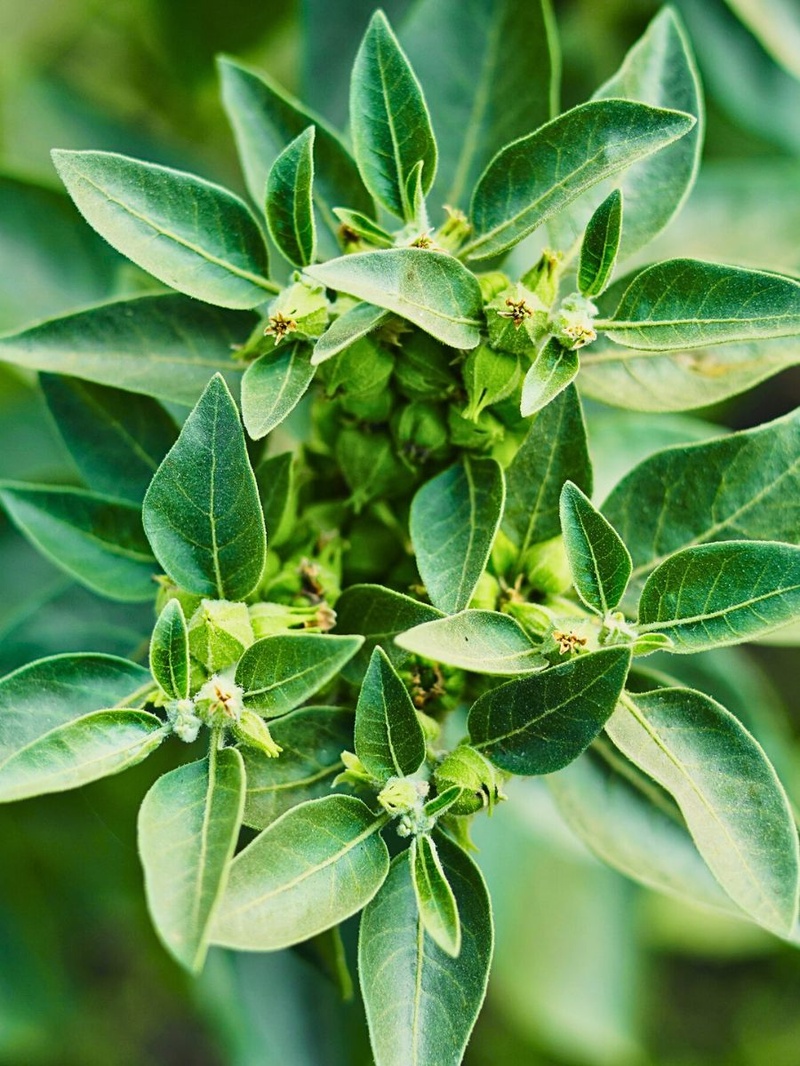
¶ Ashwagandha (Withania somnifera)
¶ At a Glance
Ashwagandha (Withania somnifera) is a foundational herb in Ayurvedic medicine, primarily recognized as a premier "adaptogen." In modern clinical research, it is most celebrated for its profound ability to lower cortisol levels, reduce subjective stress and anxiety, and improve sleep architecture. While it is heavily marketed in the fitness industry for testosterone enhancement and muscle building, the evidence for these applications is mixed and largely limited to specific, stressed, or hypogonadal populations.
¶ Safety Traffic Light
- 🟢 GREEN: Generally safe for most healthy adults when used at recommended dosages for up to 3 to 6 months.
- 🟡 YELLOW: May interact with thyroid medications (it can increase endogenous T3 and T4 levels), sedatives, and immunosuppressants. Use caution if you have an autoimmune condition. Rare but severe cases of drug-induced liver injury (DILI) have been reported, prompting caution for those with preexisting liver disease.
- 🔴 RED: Do NOT use if pregnant (traditional use and animal studies suggest it may act as an abortifacient) or breastfeeding due to a profound lack of safety data.
¶ Protocol Card
- Stress & Anxiety: 300–600 mg daily of a standardized root extract (e.g., KSM-66, Sensoril).
- Sleep Enhancement: 300–600 mg taken in the evening, or divided into two doses (morning and evening).
- Athletic Performance: Up to 600 mg daily, typically consumed pre-workout or in divided doses to mitigate post-exercise cortisol spikes.
- Administration: Best taken with meals to minimize potential gastrointestinal discomfort.
- Cycling: Many practitioners recommend cycling (e.g., 8-12 weeks on, 4 weeks off) to prevent tolerance and mitigate reports of "anhedonia" (emotional blunting), though long-term continuous clinical data is limited.
¶ Bottom Line
Ashwagandha is one of the few herbal supplements with robust, high-quality human data supporting its efficacy for clinical anxiety, chronic stress, and insomnia. Its benefits for physical performance and hormone optimization are moderate and secondary to its stress-buffering effects.
¶ The "Why" (Benefits)
Ashwagandha's benefits stem primarily from its active compounds, known as withanolides. Instead of pushing the body in a single pharmacological direction (like a stimulant or a pure sedative), it acts as an adaptogen, helping the physiological systems return to homeostasis during periods of physical or psychological stress.
¶ 1. Stress and Anxiety Reduction
The most robustly supported clinical benefit of Ashwagandha is its anxiolytic (anti-anxiety) effect. Chronic stress elevates the body's allostatic load, leading to systemic inflammation, poor metabolic health, and cognitive decline. Clinical trials consistently show that supplementation significantly lowers serum cortisol levels—often by 20% to 30%—and sharply reduces scores on perceived stress scales (such as the Hamilton Anxiety Rating Scale). It is often utilized as a natural alternative to synthetic anxiolytics to take the "edge" off daily stressors, though it should not replace prescribed psychiatric medications.
¶ 2. Sleep Quality and Insomnia
By dampening the body's sympathetic nervous system (the "fight or flight" response) and interacting with GABA pathways in the brain, Ashwagandha improves both sleep onset (how quickly you fall asleep) and sleep architecture (time spent in deep, restorative sleep). It is particularly effective for individuals whose insomnia is driven by hyperarousal and racing thoughts at night.
¶ 3. Hormonal and Physical Performance
Ashwagandha has gained massive popularity in fitness communities for its purported effects on testosterone, muscle growth, and recovery. While numerous studies show modest increases in testosterone and muscle strength, these effects are strongly concentrated in overweight, stressed, or infertile men. It is not a potent anabolic agent for healthy, well-trained young athletes with normal baseline testosterone. Instead, it improves physical performance by acting as an anti-catabolic agent—reducing exercise-induced cortisol spikes, accelerating recovery, and modestly improving cardiovascular endurance (VO2 max).
¶ 4. Cognitive Function and Neuroprotection
Emerging evidence suggests that Ashwagandha may support working memory, executive function, and attention span. Chronic stress is notoriously detrimental to the hippocampus (the brain's memory center). By mitigating cortisol toxicity and providing direct antioxidant support to neurons, Ashwagandha protects cognitive processing under duress and may offer protective benefits for individuals with mild cognitive impairment.
¶ 5. Sexual Function and Reproductive Health
In traditional Ayurvedic medicine, Ashwagandha has long been revered as a potent aphrodisiac for both men and women. Modern science has begun to validate these claims, though the mechanisms differ by sex. For men, particularly those experiencing stress-induced infertility, Ashwagandha improves semen parameters (sperm count, motility, and morphology) primarily by reducing oxidative stress and balancing reproductive hormones. For women, clinical data indicates it can improve arousal, lubrication, and overall sexual satisfaction, likely secondary to its profound stress-reducing and androgen-modulating effects.
¶ Reality Check / Context
- The "KSM-66" vs "Sensoril" Debate: The vast majority of clinical trials use highly standardized, branded extracts, which makes generic Ashwagandha powders unpredictable. KSM-66 is a root-only extract standardized to 5% withanolides and is often preferred for daytime energy, sports performance, and general stress. Sensoril uses both roots and leaves, is standardized to 10% withanolides, and is consistently reported to be more sedating, making it ideal for evening use.
- Time to Effect: Ashwagandha is not an acute treatment. While some mild relaxation may be felt within an hour, sustained cortisol reduction and significant clinical anxiety relief typically require 2 to 4 weeks of consistent daily use to reach peak efficacy.
- Non-Responders and "Ashwagandha Anhedonia": A growing number of anecdotal reports suggest that prolonged, uncycled use of Ashwagandha can lead to emotional blunting or a feeling of "numbness." Because Ashwagandha powerfully suppresses the stress response, flattening the peaks of cortisol and adrenaline, some users report losing their "drive" or experiencing a flattened affect. Cycling the supplement (e.g., taking weekends off, or taking a month off after 3 months of use) is a practical strategy to avoid this phenomenon.
- Bioavailability: The active withanolides are generally well-absorbed, but taking the extract with a source of dietary fat (like a meal or milk, in the Ayurvedic tradition) can enhance absorption and reduce the risk of gastric upset.
¶ Mechanism of Action
¶ HPA Axis Modulation
The Hypothalamic-Pituitary-Adrenal (HPA) axis is the body's central stress response system. Under psychological or physical stress, the hypothalamus releases Corticotropin-Releasing Hormone (CRH), which signals the pituitary gland to release Adrenocorticotropic Hormone (ACTH). ACTH then travels to the adrenal glands, triggering the synthesis and release of cortisol. Ashwagandha acts as a powerful HPA axis modulator. It suppresses this hyperactive cascade, likely by enhancing the negative feedback loop of glucocorticoid receptors, directly resulting in reduced cortisol synthesis at the adrenal cortex [1].
¶ GABAergic Activity
Withanolides (specifically withaferin A and withanolide A) are structurally and functionally capable of interacting with GABA (gamma-aminobutyric acid) receptors. GABA is the primary inhibitory neurotransmitter in the central nervous system. By binding to GABA_A receptors, Ashwagandha facilitates the influx of chloride ions into neurons, hyperpolarizing them and making them less likely to fire. This promotes a calming, sedative effect, similar in mechanism (though vastly milder in magnitude) to benzodiazepines [1:1].
¶ Antioxidant and Neuroprotective Pathways
In addition to its endocrine effects, Ashwagandha is a potent central antioxidant. It reduces neuroinflammation and oxidative stress by upregulating endogenous antioxidant enzymes, most notably superoxide dismutase (SOD), catalase, and glutathione peroxidase. Furthermore, preclinical models demonstrate that withanolides can stimulate the regeneration of neurites (axons and dendrites) and enhance Brain-Derived Neurotrophic Factor (BDNF) expression, providing a biological basis for its memory-enhancing properties [1:2].
¶ Extensive Clinical Trial Review
¶ Stress and Anxiety
The efficacy of Ashwagandha for stress and anxiety is arguably its most scientifically validated application. A 2024 systematic review and dose-response meta-analysis by Arumugam et al. analyzed multiple randomized controlled trials, concluding that Ashwagandha supplementation drastically reduces both subjective stress (measured via the Perceived Stress Scale) and objective physiological markers like serum cortisol [2]. Another 2022 meta-analysis by Akhgarjand et al. corroborated these findings, noting that doses between 300 mg and 600 mg per day for 8 weeks yielded the most significant anxiolytic effects, with an effect size comparable to some standard pharmacological interventions, albeit with a superior safety profile [3].
¶ Sleep Quality and Insomnia
Ashwagandha's role in sleep medicine has solidified in recent years. A comprehensive 2021 meta-analysis published in PLoS ONE evaluated the effect of Ashwagandha extract on sleep architecture. The researchers found a statistically significant improvement in sleep onset latency (the time it takes to fall asleep), total sleep time, and sleep efficiency. Interestingly, the benefits were most pronounced in adults diagnosed with insomnia, whereas healthy adults experienced only marginal improvements in sleep quality [4]. Furthermore, a 2024 review by Fatima et al. emphasized that its sleep-promoting effects are inextricably linked to its anxiolytic properties, making it an ideal intervention for stress-induced hyperarousal [5].
¶ Cognitive Function
Beyond stress, Ashwagandha demonstrates promising nootropic potential. A systematic review by Ng et al. (2020) analyzed the clinical use of Withania somnifera for cognitive dysfunction. The evidence highlighted improvements in executive function, sustained attention, and information processing speed [6]. Furthermore, a recent 2025 meta-analysis by Marchi et al. explored its effects on mental health symptoms in individuals with preexisting mental disorders, noting that its adaptogenic and anti-inflammatory properties may facilitate cognition and reduce cognitive fatigue in vulnerable populations [7].
¶ Athletic Performance and Testosterone
The narrative surrounding Ashwagandha and athletic performance requires nuance. A landmark 2015 randomized controlled trial by Wankhede et al. observed that males supplementing with 600 mg of Ashwagandha daily experienced significantly greater increases in muscle strength and size, alongside a notable rise in serum testosterone, compared to placebo [8]. However, subsequent analyses have contextualized these results. A 2019 study by Lopresti et al. on aging, overweight males found a moderate hormonal improvement (a 14.7% increase in testosterone), but highlighted that these effects are most pronounced in men with elevated stress or borderline hypogonadism [9]. For the broader athletic population, a 2020 meta-analysis on cardiovascular endurance (VO2 max) confirmed that Ashwagandha supplementation significantly improves aerobic capacity and recovery, likely by buffering the catabolic effects of intense exercise rather than acting as a direct anabolic stimulant [10].
¶ Reproductive Health and Sexual Function
Ashwagandha demonstrates significant clinical utility for reproductive health across both sexes. A comprehensive systematic review by Durg et al. (2018) highlighted its efficacy in male infertility, noting that it significantly improves sperm concentration, semen volume, and sperm motility, primarily by reducing oxidative stress in seminal plasma and regulating reproductive hormone levels [11]. In female populations, Ashwagandha has been shown to alleviate sexual dysfunction. A pilot study by Dongre et al. (2015) evaluated women taking a highly concentrated root extract and found marked improvements in arousal, lubrication, orgasm, and overall sexual satisfaction compared to a placebo group, suggesting its adaptogenic properties can mitigate stress-induced sexual impairment [12].
¶ Evidence summary table (human outcomes)
| Outcome | Evidence Quality | Effect Size | Clinical Significance | Key Source |
|---|---|---|---|---|
| Stress & Anxiety | High | Large | Consistent, significant reduction in perceived stress scores and serum cortisol levels (often 20-30% reduction). Currently the most established clinical use. | [2:1], [3:1] |
| Sleep Quality | High | Moderate to Large | Notably improves sleep onset latency and overall sleep efficiency. Highly effective for stress-induced insomnia; less impactful for healthy sleepers. | [5:1], [4:1] |
| Testosterone (Men) | Moderate | Small to Moderate | Increases testosterone primarily in stressed, overweight, aging, or infertile men. Minimal absolute effect in healthy, young, eugonadal athletes. | [8:1], [9:1] |
| Muscle Strength & VO2 Max | Moderate | Small to Moderate | Enhances resistance training adaptations, muscle recovery, and aerobic capacity, primarily by reducing exercise-induced cortisol spikes. | [8:2], [10:1] |
| Cognitive Function | Low to Moderate | Small | Preliminary evidence indicates improved attention, executive function, and memory, particularly in highly stressed adults or those with mild cognitive impairment. | [6:1], [7:1] |
| Sexual Function & Fertility | Moderate | Moderate to Large | Improves semen quality and testosterone in subfertile men. Demonstrates significant improvement in arousal, lubrication, and satisfaction in women experiencing sexual dysfunction. | [11:1], [12:1] |
¶ Comprehensive Safety & Toxicology
¶ General Adverse Effects
Ashwagandha is generally considered safe and well-tolerated by the vast majority of users in clinical trials lasting up to 12 weeks. When adverse side effects do occur, they are typically mild, dose-dependent, and gastrointestinal in nature. Common complaints include:
- Nausea and upset stomach
- Diarrhea (frequently associated with very high doses or raw root powder rather than extracts)
- Mild drowsiness or lethargy during the day
¶ Idiosyncratic Hepatotoxicity (Liver Injury)
A relatively new but crucial safety concern surrounding Ashwagandha is its potential for hepatotoxicity. Recent pharmacovigilance reports and a 2023 causality assessment by Bokan et al. have identified cases of Herb-Induced Liver Injury (HILI) associated with Ayurvedic Ashwagandha supplements [13]. While rare, the liver injury is idiosyncratic (unpredictable and not strictly dose-dependent), typically presenting as cholestatic or mixed liver injury within 2 to 12 weeks of initiation. Patients usually recover completely upon discontinuation of the supplement. Consequently, individuals with preexisting liver conditions or those taking hepatotoxic medications should consult a physician before use. In response to these reports, several Northern European countries have initiated regulatory reviews of the herb.
¶ Contraindications
- Thyroid Function: Ashwagandha possesses thyroid-stimulating properties. Clinical data indicates it can modestly increase levels of endogenous triiodothyronine (T3) and thyroxine (T4). While this may be therapeutically beneficial for subclinical hypothyroidism, it poses a stark risk of inducing hyperthyroidism or thyrotoxicosis in susceptible individuals, particularly those already taking exogenous thyroid hormones (e.g., levothyroxine).
- Pregnancy, Breastfeeding, and Hormone Sensitivity: Traditional Ayurvedic texts classify Ashwagandha as having abortifacient properties at high doses. Animal studies have observed potential fetal distress. It is strictly contraindicated during pregnancy and breastfeeding. Furthermore, because it may have mild androgenic effects and modulates reproductive hormones, individuals with hormone-sensitive conditions (e.g., hormone-receptor-positive breast cancer, prostate cancer) should seek specialized clinical guidance before initiating supplementation.
- Autoimmune Conditions: Because Ashwagandha can stimulate certain immune pathways (such as macrophage activity), individuals with active autoimmune diseases—such as Rheumatoid Arthritis, Systemic Lupus Erythematosus (SLE), or Hashimoto's thyroiditis—should exercise extreme caution, as it may theoretically exacerbate disease flares.
¶ Drug Interactions
Ashwagandha's pharmacological profile means it can interact synergistically or antagonistically with several classes of medications:
- Sedatives and CNS Depressants: Due to its GABAergic activity, it can heavily amplify the sedative effects of benzodiazepines, barbiturates, sleep aids (like Zolpidem), and alcohol.
- Antidiabetic Medications: Ashwagandha has mild hypoglycemic effects. Co-administration with insulin or oral hypoglycemics may increase the risk of hypoglycemia.
- Immunosuppressants: Its immunostimulatory nature may directly antagonize medications used to prevent organ rejection or treat severe autoimmune conditions (e.g., cyclosporine, corticosteroids).
¶ Comparisons
- Ashwagandha vs. L-Theanine: While both are anxiolytics, L-Theanine (an amino acid from green tea) acts acutely within 30-45 minutes to promote relaxed focus without sedation. Ashwagandha is an endocrine modulator that requires weeks of accumulation to physically lower systemic cortisol. They are highly complementary.
- Ashwagandha vs. Rhodiola Rosea: Both are adaptogens, but they push the body in different directions. Rhodiola is generally considered stimulating and is best for fighting physical and mental fatigue, whereas Ashwagandha is inherently relaxing and is best for blunting anxiety and treating hyperarousal.
¶ References
Jamnekar PP, Dehankar TJ, Bedre RV. (2025). Ashwagandha as an Adaptogenic Herb: A Comprehensive Review of Immunological and Neurological Effects. Cureus. https://pubmed.ncbi.nlm.nih.gov/41356880/ ↩︎ ↩︎ ↩︎
Arumugam V, Vijayakumar V, Balakrishnan A. (2024). Effects of Ashwagandha (Withania Somnifera) on stress and anxiety: A systematic review and meta-analysis. Explore. https://pubmed.ncbi.nlm.nih.gov/39348746/ ↩︎ ↩︎
Akhgarjand C, Asoudeh F, Bagheri A. (2022). Does Ashwagandha supplementation have a beneficial effect on the management of anxiety and stress? A systematic review and meta-analysis of randomized controlled trials. Phytotherapy Research. https://pubmed.ncbi.nlm.nih.gov/36017529/ ↩︎ ↩︎
Cheah KL, Norhayati MN, Yaacob LH, Hasan Adli VN. (2021). Effect of Ashwagandha (Withania somnifera) extract on sleep: A systematic review and meta-analysis. PLoS ONE. https://www.semanticscholar.org/paper/171a533551c9be0dc75f7a94e019c2c33ad11777 ↩︎ ↩︎
Fatima K, Malik J, Muskan F. (2024). Safety and efficacy of Withania somnifera for anxiety and insomnia: Systematic review and meta-analysis. Human Psychopharmacology. https://pubmed.ncbi.nlm.nih.gov/39083548/ ↩︎ ↩︎
Ng QX, Loke W, Foo NX, Tan WJ, Chan HW, Lim DY, Yeo WS. (2020). A systematic review of the clinical use of Withania somnifera (Ashwagandha) to ameliorate cognitive dysfunction. Phytotherapy Research. https://pubmed.ncbi.nlm.nih.gov/31742775/ ↩︎ ↩︎
Marchi M, Grenzi P, Travascio A, et al. (2025). The effect of Withania somnifera (Ashwagandha) on mental health symptoms in individuals with mental disorders: systematic review and meta-analysis. BJPsych Open. https://www.semanticscholar.org/paper/6e986d99d8e6854017425dec211126910df31492 ↩︎ ↩︎
Wankhede S, Langade D, Joshi K, Sinha SR, Bhattacharyya S. (2015). Examining the effect of Withania somnifera supplementation on muscle strength and recovery: a randomized controlled trial. Journal of the International Society of Sports Nutrition. https://pubmed.ncbi.nlm.nih.gov/26609282/ ↩︎ ↩︎ ↩︎
Lopresti AL, Drummond PD, Smith SJ. (2019). A Randomized, Double-Blind, Placebo-Controlled, Crossover Study Examining the Hormonal and Vitality Effects of Ashwagandha (Withania somnifera) in Aging, Overweight Males. American Journal of Men's Health. https://pubmed.ncbi.nlm.nih.gov/30854916/ ↩︎ ↩︎
Pérez-Gómez J, Villafaina S, Adsuar JC, Merellano-Navarro E, Collado-Mateo D. (2020). Effects of Ashwagandha (Withania somnifera) on VO2max: A Systematic Review and Meta-Analysis. Nutrients. https://www.semanticscholar.org/paper/7bb30d3db1efaf888e31585fc93498dbb6ff28e2 ↩︎ ↩︎
Durg S, Shivaram SB, Bavage S. (2018). Withania somnifera (Indian ginseng) in male infertility: An evidence-based systematic review and meta-analysis. Phytomedicine. https://pubmed.ncbi.nlm.nih.gov/30466985/ ↩︎ ↩︎
Dongre S, Langade D, Bhattacharyya S. (2015). Efficacy and Safety of Ashwagandha (Withania somnifera) Root Extract in Improving Sexual Function in Women: A Pilot Study. BioMed Research International. https://pubmed.ncbi.nlm.nih.gov/26504795/ ↩︎ ↩︎
Bokan G, Glamočanin T, Mavija Z, et al. (2023). Herb-Induced Liver Injury by Ayurvedic Ashwagandha as Assessed for Causality by the Updated RUCAM: An Emerging Cause. Pharmaceuticals. https://www.semanticscholar.org/paper/f3d260a8cce038c0cb807529c5140d72902c2b72 ↩︎