¶ Curcumin & Turmeric
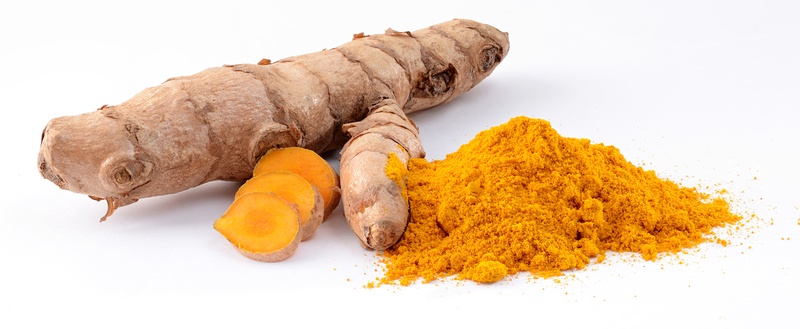
| Type | Botanical Polyphenol / Herb |
| Active Cmpd | Curcuminoids (Curcumin, Demethoxycurcumin, Bisdemethoxycurcumin) |
| Source | Turmeric (*Curcuma longa* rhizome) |
| Dose Range | 90–2,000 mg/day (formulation dependent) |
| Half-life | ~10 minutes (unformulated) / ~2–7 hours (formulated, e.g., Longvida) |
| Main Benefit | Systemic anti-inflammatory, joint health, antioxidant, and neuroprotection |
| Absorption | Extremely Low (unformulated) / Enhanced (via SLCP, Phytosome, etc.) |
Curcumin, the primary bioactive polyphenolic compound derived from turmeric (Curcuma longa rhizomes), is one of the most extensively researched natural compounds in modern medicine [1]. Recognized for its potent multi-target anti-inflammatory and antioxidant properties, curcumin is backed by robust Tier 1 human clinical trials, including numerous systematic reviews and meta-analyses. Bioavailable formulations of curcumin are established, potent interventions for reducing systemic inflammation, managing osteoarthritis pain, improving metabolic health, and mitigating age-associated cognitive decline [2][3][4][5][6][7].
¶ At a glance
Aliases
- Also known as: Turmeric extract, diferuloylmethane, Curcuma longa extract, Indian saffron.
- Chemical / botanical name: Diferuloylmethane / Curcuma longa L.
- Category: Botanical polyphenol (curcuminoid).
Key points (high-level summary)
- In adults with osteoarthritis, bioavailable curcumin formulations significantly reduce joint pain and stiffness with an efficacy comparable to non-steroidal anti-inflammatory drugs (NSAIDs) but with a superior gastrointestinal safety profile [5:1][8][9].
- Continuous supplementation with specialized, brain-permeable curcumin formulations (e.g., Longvida®) for at least 24 weeks significantly improves global cognitive function and working memory in healthy older adults [7:1][10][11].
- Unformulated curcumin exhibits extremely poor oral bioavailability (~1%) due to low aqueous solubility and rapid intestinal/hepatic metabolism, requiring advanced delivery systems like phytosomes, solid lipid particles, or nanoparticles [12][13][14].
- High-absorption curcumin supplements carry a rare, genotype-specific risk of idiosyncratic drug-induced liver injury (DILI) in individuals carrying the HLA-B*35:01 allele [15][11:1][16].
What people use it for
- Main goals: Chronic inflammation reduction, joint pain relief, metabolic health improvement, brain and cognitive support, cardiovascular and lipid optimization.
- Evidence quality (overall): High (for joint pain, metabolic syndrome, and systemic inflammation) / Moderate (for cognitive decline and depression).
¶ What is Curcumin & Turmeric?
Curcumin is a lipophilic, polyphenolic curcuminoid representing the primary active compound found in the rhizome of the perennial herb Curcuma longa.
- Definition: A bioactive polyphenol characterized by its symmetric structure featuring two o-methoxy phenolic groups connected by a seven-carbon chain.
- Natural sources: Curcuminoids comprise 3% to 5% of dry turmeric rhizome weight. Of this, curcumin constitutes ~77%, demethoxycurcumin ~17%, and bisdemethoxycurcumin ~6% [1:1].
- Traditional / historical use: Turmeric has been used for over 3,000 years in Ayurvedic and traditional Chinese medicine to treat inflammatory conditions, digestive disorders, and wounds [1:2][2:1].
- Current regulatory status: Designated as Generally Recognized As Safe (GRAS) by the US FDA and approved as a dietary supplement and food additive (E100) in the European Union [8:1].
- Key pharmacological property in one line: A multi-targeted, pleiotropic anti-inflammatory and antioxidant polyphenol.
¶ What are Curcumin & Turmeric's main benefits?
Curcumin acts as a potent geroprotective agent by modulating the core hallmarks of aging, particularly systemic inflammation ("inflammaging"), oxidative stress, and cellular senescence.
- Systemic Inflammation: Reliable, dose-dependent decrease in circulating pro-inflammatory cytokines (CRP, IL-6, TNF-α). Magnitude: Moderate-to-large reduction. Evidence quality: High [17][18][19][7:2][10:1][20].
- Joint Health & Osteoarthritis Pain: Significant decrease in joint pain and stiffness, with efficacy comparable to NSAIDs like ibuprofen. Magnitude: Large. Evidence quality: High [2:2][3:1][21][6:1][22].
- Metabolic Health & Glycemic Control: Significant decrease in fasting blood glucose, HbA1c, and insulin resistance. Magnitude: Moderate. Evidence quality: High [23][24][25][26].
- Cognitive Function & Brain Aging: Significant increase in global cognitive function, attention, and memory in adults ≥60 years. Magnitude: Moderate. Evidence quality: Moderate-to-High [7:3][10:2][11:2].
- Blood Lipids (Dyslipidemia): Significant decrease in serum triglycerides and total cholesterol. Magnitude: Moderate. Evidence quality: Moderate-to-High [27][28][29][30][12:1].
- Sarcopenia & Physical Performance: Significant increase in handgrip strength and knee extension peak torque in elderly populations. Magnitude: Moderate. Evidence quality: Moderate [23:1][27:1][31][32][20:1].
- Depression & Anxiety: Significant decrease in depressive symptoms and anxiety scores, often used as an adjunct to SSRIs. Magnitude: Moderate-to-large. Evidence quality: Moderate [33][34][35][36][37].
¶ Evidence summary table (human outcomes)
| Outcome / Goal | Effect* | Consistency | Evidence quality | Trials | Notes (population, duration, dose) |
|---|---|---|---|---|---|
| Osteoarthritis Pain & Stiffness | High | High | >15 RCTs | Large decreases in WOMAC/VAS scores; non-inferior to NSAIDs [2:3][3:2][21:1][6:2][22:1] | |
| Fasting Blood Glucose & HbA1c | High | High | >20 RCTs | Significant reductions in FBG/HbA1c; prevents diabetes progression [23:2][24:1][25:1][26:1] | |
| Systemic Inflammation (CRP, IL-6) | High | High | >10 Meta-Analyses | Reliable, dose-dependent reduction across diverse cohorts [17:1][18:1][19:1][7:4][10:3][20:2] | |
| Global Cognitive Function | Moderate | Moderate-to-High | 9 RCTs | Improvements in adults ≥60 years after ≥24 weeks at ~800 mg/day [7:5][10:4][11:3] | |
| Working Memory & Brain Amyloid | Moderate | Moderate | 3 RCTs | Improved attention; decreased brain plaque with Longvida® [10:5][38] | |
| Serum Triglycerides & Lipids | Moderate | Moderate-to-High | >15 RCTs | Consistent reductions in TG and TC; variable effects on LDL/HDL [27:2][28:1][29:1][30:1][12:2] | |
| Muscle Strength (Sarcopenia) | Moderate | Moderate | 2 RCTs | Increases in handgrip strength and knee torque in elderly [23:3][27:3][31:1][32:1][20:3] | |
| Depression & Anxiety Symptoms | Moderate | Moderate | 15 RCTs | Effective as adjunct to SSRIs; comparable to some antidepressants [33:1][34:1][35:1][36:1][37:1] | |
| Direct Human Lifespan Extension | Insufficient data | Very Low | 0 RCTs | No direct human data exists for lifespan or epigenetic reversal [4:1] |
- *Effect: Number of arrows (1-3) indicates magnitude. Direction: ↑ (increase), ↓ (decrease), = (no effect), ? (unclear). Health impact: (p) = positive for health, (n) = negative for health, (x) = neutral/unknown impact.
¶ How does Curcumin & Turmeric work?
Curcumin exerts its biological effects through "polypharmacology," simultaneously modulating multiple signaling pathways involved in inflammation, oxidative stress, and metabolic regulation.
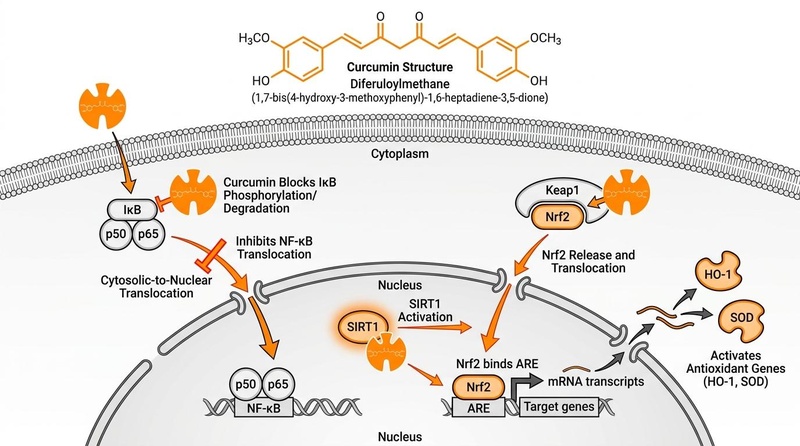
Figure 1: Molecular pathways of curcumin, demonstrating the inhibition of NF-κB nuclear translocation and the suppression of pro-inflammatory cytokines.
-
Primary targets: Receptors, enzymes, and transcription factors: NF-κB, COX-2, 5-LOX, Nrf2-Keap1, SIRT1, mTORC1, and AMPK.
-
Core mechanisms:
- NF-κB Inhibition: Curcumin blocks the phosphorylation and degradation of IκBα, preventing the translocation of NF-κB subunits (p50/p65) into the nucleus. This shuts down the transcription of pro-inflammatory cytokines like TNF-α, IL-1β, and IL-6 [39][40][41].
- Nrf2 Activation: Curcumin activates the Nuclear Factor Erythroid 2-Related Factor 2 (Nrf2) pathway by modifying cysteine residues on Keap1. Once in the nucleus, Nrf2 binds to the Antioxidant Response Element (ARE), upregulating cytoprotective enzymes such as Superoxide Sodutase (SOD) and Catalase [32:2][28:2][17:2].
- mTOR Inhibition & SIRT1 Activation: Curcumin acts as a caloric restriction mimetic by upregulating SIRT1, promoting mitochondrial biogenesis (combating mitochondrial dysfunction) and DNA repair. It also inhibits mTORC1 directly or via AMPK activation, stimulating autophagy and preventing cellular senescence [3:3][40:1][41:1][42][43].
- Senomorphic Effects: Curcumin suppresses the Senescence-Associated Secretory Phenotype (SASP), reducing the chronic inflammatory burden exerted by senescent cells on surrounding tissue [5:2][44].
-
The Gut Microbiome-Biotransformation Axis:
- Metabolism to Tetrahydrocurcumin (THC): Intestinal bacteria (e.g., Blautia spp.) convert curcumin into Tetrahydrocurcumin (THC). THC is a stable, colorless metabolite with superior water solubility and greater free-radical scavenging capacity than curcumin [12:3][34:2][35:2][36:2].
- Prebiotic Regulation: Curcumin increases microbial α-diversity, upregulating beneficial taxa (Bifidobacterium) and suppressing pro-inflammatory strains. This restores gut barrier integrity and reduces systemic endotoxemia (LPS translocation) [36:3][37:2][15:1][45].
-
Pharmacokinetics & Bioavailability:
- The Bioavailability Paradox: Native curcumin has an oral bioavailability of ~1% due to poor water solubility and rapid intestinal and hepatic glucuronidation [1:3][2:4][27:4].
- Free vs. Conjugated Curcumin: Advanced delivery technologies (like Longvida®) aim to deliver free (unconjugated), biologically active curcumin directly to tissues, whereas standard extracts primarily elevate conjugated metabolites that cannot cross the blood-brain barrier [28:3][19:2][9:1][10:6].
¶ Effects on different systems
¶ Metabolic Health
Curcumin improves glycemic control by enhancing GLUT4 translocation and preserving pancreatic beta-cell function. Meta-analyses show significant reductions in fasting blood glucose, HbA1c, and HOMA-IR, particularly in patients with Type 2 Diabetes [23:4][24:2][25:2][26:2][29:2].
¶ Brain & Mental Health
Specialized, brain-permeable formulations (e.g., Longvida) cross the blood-brain barrier to reduce neuroinflammation and amyloid plaque load. Curcumin elevates Brain-Derived Neurotrophic Factor (BDNF) and inhibits monoamine oxidases, improving working memory, attention, and depressive symptoms [33:2][7:6][10:7][34:3][35:3][36:4].
¶ Cardiovascular Health
Curcumin improves flow-mediated dilation (FMD) via AMPK-mediated activation of endothelial nitric oxide synthase (eNOS). It consistently lowers serum triglycerides and total cholesterol while protecting LDL from oxidation [27:5][31:2][28:4][25:3][29:3][36:5].
¶ Joint & Musculoskeletal Health
Curcumin is a first-line natural intervention for osteoarthritis, reducing synovial inflammation and cartilage degradation. In elderly populations, it mitigates the inflammatory milieu associated with sarcopenia, improving muscle strength and physical function [23:5][27:6][31:3][32:3][21:2][6:3][22:2][20:4]. Additionally, curcumin reduces markers of muscle damage (such as creatine kinase) and systemic oxidative stress after intense physical exertion, accelerating exercise recovery times [20:5].
¶ Renal & Oral Health
Curcumin reduces proteinuria and preserves kidney function in chronic kidney disease [46][8:2]. Locally delivered curcumin serves as an effective adjunct to scaling and root planing in periodontitis, reducing pocket depth and inflammation [21:3][7:7][47][48].
¶ Emerging Research: Oncology
Curcumin is being extensively studied as a chemosensitizer in various cancers (such as colorectal, gastric, and breast cancers) due to its ability to induce apoptosis, downregulate survival pathways, and inhibit metastatic cascades in preclinical models [44:1].
¶ Dosage and how to take it
Standard dosing in studies
- Osteoarthritis: 1,000 mg/day (e.g., Meriva®) or 1,500 mg/day (standardized extract) in divided doses [22:3][49].
- Metabolic & Systemic Health: 500 – 1,500 mg/day of bioavailable curcumin [7:8][34:4].
- Cognitive Health: 400 – 1,000 mg/day of brain-permeable SLCP (Longvida®) [10:8][50].
Forms and bioavailability
- Longvida® (Solid Lipid Particle): Bypasses hepatic metabolism via lymphatic absorption, delivering high concentrations of free (unconjugated) curcumin to the brain. Best for neuroprotection [41:2][22:4][51][10:9].
- Meriva® (Phytosome): Curcumin complexed with phosphatidylcholine (1:2 ratio). Achieves ~29-fold higher absorption; extensively validated for joint health [2:5][24:3][25:4][14:1].
- Theracurmin® (Nanoparticles): Nano-dispersed particles with highest total absorption (AUC), though primarily in conjugated forms. Best for systemic vascular health [10:10][38:1][20:6][13:1][14:2].
- Curcugen® (Polar Resin): Food-state matrix delivering a 39-fold increase in free curcumin and a 31-fold increase in bioavailable Tetrahydrocurcumin (THC) [30:2][12:4][13:2].
- BCM-95® (Essential Oil Complex): Reconstituted with turmeric essential oils, enhancing absorption ~7-to-9-fold [29:4][14:3].
- Piperine Combination: Economical pairing with 20 mg black pepper extract. Increases absorption by 2000% by inhibiting glucuronidation but increases drug interaction risks [17:3][31:4][32:4][28:5].
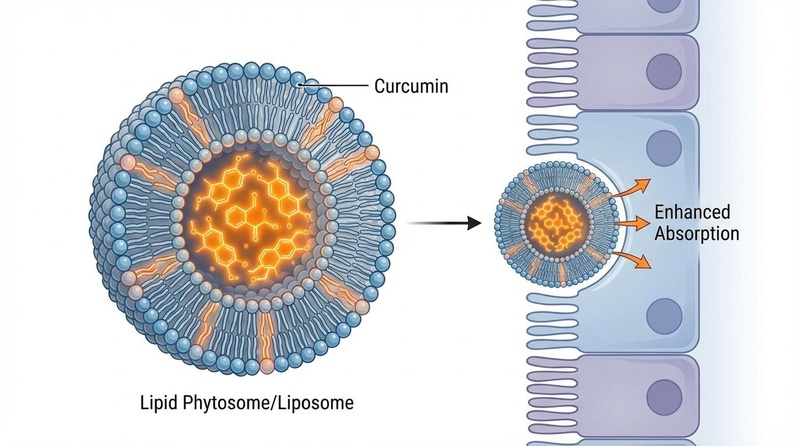
Figure 2: Phytosome and liposomal delivery systems, illustrating how phospholipid-complexed curcumin enhances transit across enterocyte membranes to bypass first-pass clearance.
With or without food
Take with fat-containing meals to maximize absorption, even for advanced lipid-based formulations [52].
¶ Safety and side effects
Common side effects
Hepatotoxicity & HLA-B*35:01 Risk
- High-absorption curcumin supplements carry a rare risk of idiosyncratic drug-induced liver injury (DILI) [15:2][16:1][54].
- Approximately 70% of turmeric-DILI cases occur in individuals carrying the HLA-B*35:01 allele (~7% of the population) [15:3][16:2][54:1].
- This immune-mediated reaction is more common when combined with piperine due to increased systemic exposure. Symptoms resolve upon immediate cessation [15:4][11:4][55][56].
Who should avoid it
- Gallbladder Disease: Curcumin induces strong gallbladder contraction (up to 50% at a 40 mg dose), potentially precipitating acute biliary colic or obstruction in patients with gallstones [5:3][47:1][48:1][57][58].
- Iron Deficiency: Long-term high doses may chelate iron and worsen anemia [59].
- Kidney Stones (Oxalate Risk): Whole turmeric powder (but not pure, standardized curcumin extracts) is high in soluble oxalates and may increase the risk of calcium oxalate kidney stone formation in susceptible individuals [47:2].
- Pre-Surgery: Discontinue 1 week before surgery due to mild antiplatelet effects.
¶ Drug and supplement interactions
Pharmacokinetic interactions
- CYP450 Inhibition: Curcumin inhibits CYP3A4, CYP2C9, and CYP2D6. It can critically elevate levels of statins, beta-blockers, and certain chemotherapeutic agents [60][53:1][61].
- Piperine Caution: Formulations with piperine significantly increase the absorption of many prescription drugs, potentially leading to toxicity.
Pharmacodynamic interactions
- Anticoagulants (Warfarin): Curcumin inhibits Warfarin metabolism (via CYP2C9) and has antiplatelet activity. Co-administration can cause dangerous spikes in INR and bleeding [5:4][62][55:1][56:1].
- Diabetes Drugs: May have additive effects with Metformin or insulin; monitor blood glucose closely [23:6].
¶ Combining Curcumin & Turmeric with other supplements (“stacks”)
- Joint Health Stack: Curcumin (Meriva) + Boswellia serrata + Glucosamine/Chondroitin.
- Cognitive Stack: Curcumin (Longvida) + Omega-3 (DHA) + Lion's Mane.
- Metabolic Stack: Curcumin + Berberine (monitoring blood glucose).
¶ Practical questions (FAQ)
-
How long does it take for curcumin to work?
Acute effects on muscle soreness can be felt within 24–48 hours [20:7]. Joint pain and anti-inflammatory relief typically occur within 2–4 weeks; cognitive and metabolic improvements often require 12–24 weeks of continuous use [22:5][7:9][24:4][49:1]. -
Can I take curcumin long term?
Most clinical trials have studied curcumin for up to 8–12 months with high safety profiles. There is no established physiological need for cycling, though periodic monitoring of liver enzymes is prudent for those on high-bioavailability forms due to rare idiosyncratic risks [15:5][11:5]. -
Is turmeric powder the same as curcumin?
No. Turmeric rhizome powder contains only 3% to 5% curcuminoids and is very poorly absorbed. To reach clinical doses (e.g., 1,000 mg of curcumin), one would need to consume roughly 20 to 33 grams of turmeric powder daily, which is impractical and high in oxalates [1:4][47:3]. Standardized extracts (95% curcuminoids) or bioavailable formulations are required for therapeutic systemic effects. -
Is curcumin with piperine safe, and is it better than other forms?
While black pepper (piperine) significantly increases absorption (by 2,000%), it does so by inhibiting glucuronidation, which also increases the blood levels of many prescription drugs and potential liver injury in sensitive genotypes. Lipid-based formulations (e.g., Longvida®, Meriva®) are often preferred for systemic safety and targeted benefits (such as brain permeability) [41:3][25:5][14:4][15:6]. -
Can I take curcumin if I have gallstones?
No. Curcumin stimulates gallbladder contraction and is strictly contraindicated in individuals with active gallstones or biliary obstruction [48:2][57:1]. -
Does curcumin interfere with chemotherapy?
It may. Curcumin can alter the metabolism of certain chemotherapeutic agents via CYP450 inhibition. Patients undergoing cancer treatment should consult their oncologist before supplementing [60:1][53:2][61:1].
¶ How we evaluated the evidence
- We prioritized Tier 1 systematic reviews and meta-analyses published within the last 5-10 years, including the updated 2025 cognitive meta-analysis.
- High quality: Outcomes supported by multiple robust meta-analyses of RCTs (e.g., osteoarthritis, metabolic syndrome).
- Moderate quality: Outcomes with promising RCT data but needing more large-scale confirmation (e.g., sarcopenia, cognition).
- Low/Very low quality: Outcomes based on pilot studies or primarily animal/mechanistic data (e.g., lifespan extension).
¶ References
Aggarwal, B. B., et al. (2007). Curcumin: the Indian solid gold. Advances in Experimental Medicine and Biology. https://pubmed.ncbi.nlm.nih.gov/17569205/ ↩︎ ↩︎ ↩︎ ↩︎ ↩︎
Zeng, L., et al. (2021). The efficacy and safety of Curcuma longa extract and curcumin supplements on osteoarthritis: a systematic review and meta-analysis. Bioscience Reports. https://pubmed.ncbi.nlm.nih.gov/34017975/ ↩︎ ↩︎ ↩︎ ↩︎ ↩︎ ↩︎
Kuptniratsaikul, V., et al. (2009). Efficacy and safety of Curcuma domestica extracts in patients with knee osteoarthritis. Journal of Alternative and Complementary Medicine. https://pubmed.ncbi.nlm.nih.gov/19678780/ ↩︎ ↩︎ ↩︎ ↩︎
Hewlings, S. J., & Kalman, D. S. (2017). Curcumin: a review of its effects on human health. Foods. https://www.semanticscholar.org/paper/97e3124549ffc46250f9a775ad19347e1481d700 ↩︎ ↩︎
Jurenka, J. S. (2009). Anti-inflammatory properties of curcumin, a major constituent of Curcuma longa: a review. Alternative Medicine Review. https://www.semanticscholar.org/paper/87b3dad038a419944c152eca821b22f7cd1f0da4 ↩︎ ↩︎ ↩︎ ↩︎ ↩︎
Terby, S., et al. (2021). The effect of curcumin as an adjunct in the treatment of chronic periodontitis: A systematic review. The Saudi Dental Journal. https://pubmed.ncbi.nlm.nih.gov/34803277/ ↩︎ ↩︎ ↩︎ ↩︎
Wang, W., et al. (2025). The effect of curcumin supplementation on cognitive function: an updated systematic review and meta-analysis. Frontiers in Nutrition. https://www.frontiersin.org/journals/nutrition/articles/10.3389/fnut.2025.1549509/full ↩︎ ↩︎ ↩︎ ↩︎ ↩︎ ↩︎ ↩︎ ↩︎ ↩︎ ↩︎
Malekmakan, L., et al. (2022). Efficacy and Safety of Turmeric Dietary Supplementation on Proteinuria in CKD: A Systematic Review. Iranian Journal of Kidney Diseases. https://pubmed.ncbi.nlm.nih.gov/35714209/ ↩︎ ↩︎ ↩︎ ↩︎
LiverTox. (2025). Turmeric. NIDDK. https://www.ncbi.nlm.nih.gov/books/NBK548561/ ↩︎ ↩︎
Yu, L., et al. (2025). Targeting cognitive aging with curcumin supplementation: A systematic review and meta-analysis. The Journal of Prevention of Alzheimer's Disease. https://pubmed.ncbi.nlm.nih.gov/40579315/ ↩︎ ↩︎ ↩︎ ↩︎ ↩︎ ↩︎ ↩︎ ↩︎ ↩︎ ↩︎ ↩︎
Björnsson, E. S., et al. (2025). A Comprehensive Review on Hepatotoxicity Associated with Curcuma longa L. Consumption. Phytotherapy Research. https://www.researchgate.net/publication/394500517_A_Comprehensive_Review_on_Hepatotoxicity_Associated_with_Curcuma_longa_L_Consumption_Highlighting_Mechanisms_Susceptibility_Factors_and_Clinical_Findings ↩︎ ↩︎ ↩︎ ↩︎ ↩︎ ↩︎
Sterzi, L., et al. (2025). Comparative Pharmacokinetics of Absorption-Enhanced Curcumin Formulations. Functional Food Science. https://www.ffhdj.com/index.php/FunctionalFoodScience/article/view/1869 ↩︎ ↩︎ ↩︎ ↩︎ ↩︎
Moradi Baniasadi, M., et al. (2025). Turmeric/curcumin on anthropometric indices in prediabetes and T2DM: A systematic review. Nutrition & Diabetes. https://pubmed.ncbi.nlm.nih.gov/40813857/ ↩︎ ↩︎ ↩︎
Fliss, I., et al. (2022). Analysis of different innovative formulations of curcumin for improved relative oral bioavailability. Bioscience, Biotechnology, and Biochemistry. https://academic.oup.com/bbb/article/86/12/1688/6748200 ↩︎ ↩︎ ↩︎ ↩︎ ↩︎
Halegoua-DeMarzio, D., et al. (2022). Liver Injury Associated with Turmeric—A Growing Problem: Ten Cases from the Drug-Induced Liver Injury Network [DILIN]. The American Journal of Medicine. https://www.medindia.net/news/healthwatch/turmeric-supplements-linked-to-liver-damage-in-study-220040-1.htm ↩︎ ↩︎ ↩︎ ↩︎ ↩︎ ↩︎ ↩︎
Sohal, A., et al. (2021). Drug-Induced Liver Injury Associated with Turmeric and Piperine: A Case Series. International Medical Case Reports Journal. https://www.dovepress.com/article/download/71710 ↩︎ ↩︎ ↩︎
Panahi, Y., et al. (2015). Antioxidant and anti-inflammatory effects of curcuminoid-piperine combination in subjects with metabolic syndrome. Clinical Nutrition. https://pubmed.ncbi.nlm.nih.gov/25618800/ ↩︎ ↩︎ ↩︎ ↩︎
Liu, A. J., et al. (2025). Effects of curcumin on inflammatory biomarkers in patients with RA and SLE: a systematic review and meta-analysis. Inflammation Research. https://pubmed.ncbi.nlm.nih.gov/41372521/ ↩︎ ↩︎
Bahari, H., et al. (2025). Efficacy of curcumin/turmeric on inflammation and oxidative stress in prediabetes and type 2 diabetes: a systematic review. Inflammopharmacology. https://pubmed.ncbi.nlm.nih.gov/41240262/ ↩︎ ↩︎ ↩︎
Lloret-Gil, J., et al. (2026). Effects of Curcumin Supplementation on Exercise Recovery, Muscle Damage, and Performance: A Systematic Review. Nutrients. https://pubmed.ncbi.nlm.nih.gov/42356379/ ↩︎ ↩︎ ↩︎ ↩︎ ↩︎ ↩︎ ↩︎ ↩︎
Zeng, L., et al. (2022). Efficacy and Safety of Curcumin and Curcuma longa Extract in the Treatment of Arthritis: A Systematic Review. Frontiers in Immunology. https://pubmed.ncbi.nlm.nih.gov/35935936/ ↩︎ ↩︎ ↩︎ ↩︎
Dr. Oracle. (2025). What are the health benefits and recommended dosage of turmeric for arthritis? Dr. Oracle. https://www.droracle.ai/articles/450565/what-are-the-health-benefits-and-recommended-dosage-of ↩︎ ↩︎ ↩︎ ↩︎ ↩︎ ↩︎
Chuengsamarn, S., et al. (2012). Curcumin extract for prevention of type 2 diabetes. Diabetes Care. https://pubmed.ncbi.nlm.nih.gov/22773702/ ↩︎ ↩︎ ↩︎ ↩︎ ↩︎ ↩︎ ↩︎
Bahari, H., et al. (2026). Curcumin/Turmeric Supplementation on Glycemic Control in Adults With Prediabetes and Type 2 Diabetes. Food Science & Nutrition. https://pubmed.ncbi.nlm.nih.gov/42005325/ ↩︎ ↩︎ ↩︎ ↩︎ ↩︎
Dehzad, M. J., et al. (2024). Curcumin/turmeric supplementation could improve blood pressure and endothelial function. Clinical Nutrition ESPEN. https://pubmed.ncbi.nlm.nih.gov/38220376/ ↩︎ ↩︎ ↩︎ ↩︎ ↩︎ ↩︎
NMI Health. (2021). Curcumin: A Review of Clinical Use and Efficacy. Natural Medicine Institute. https://www.nmi.health/curcumin-a-review-of-clinical-use-and-efficacy/ ↩︎ ↩︎ ↩︎
Rajabinasab, F., et al. (2025). Effect of curcumin on cardiometabolic diseases in the elderly: A systematic review of randomized controlled trials. Ageing Research Reviews. https://pubmed.ncbi.nlm.nih.gov/40516827/ ↩︎ ↩︎ ↩︎ ↩︎ ↩︎ ↩︎ ↩︎
Epelde, F. (2025). Effects of Turmeric and Turmeric Plus Piperine Supplementation on Lipid Profiles in Adults with Cardiometabolic Risk Conditions: A Systematic Review. Pharmaceutics. https://pubmed.ncbi.nlm.nih.gov/41471123/ ↩︎ ↩︎ ↩︎ ↩︎ ↩︎ ↩︎
Bahari, H., et al. (2026). Effects of Curcumin/Turmeric Supplementation on Lipid Profile in Subjects With Prediabetes and Diabetes. Lipids. https://pubmed.ncbi.nlm.nih.gov/41656101/ ↩︎ ↩︎ ↩︎ ↩︎ ↩︎
Panda, S. K., et al. (2021). The enhanced bioavailability of free curcumin and bioactive-metabolite tetrahydrocurcumin from Curcugen. Medicine (Baltimore). https://pubmed.ncbi.nlm.nih.gov/34232211/ ↩︎ ↩︎ ↩︎
Varma, K., et al. (2021). The efficacy of the novel bioavailable curcumin (Cureit) in the management of sarcopenia in healthy elder subjects. Journal of Medicinal Food. https://pubmed.ncbi.nlm.nih.gov/33290142/ ↩︎ ↩︎ ↩︎ ↩︎ ↩︎
Sabinsa Press Release. (2023). Two new healthy aging clinical studies on Sabinsa's Curcumin C3 Complex. Sabinsa. https://sabinsa.com.br/en/press-release-2023/1308-two-new-healthy-aging-clinical-studies-on-sabinsa-s-curcumin-c3-complex-published ↩︎ ↩︎ ↩︎ ↩︎ ↩︎
Sanmukhani, J., et al. (2014). Efficacy and safety of curcumin in major depressive disorder: a randomized controlled trial. Phytotherapy Research. https://pubmed.ncbi.nlm.nih.gov/23832433/ ↩︎ ↩︎ ↩︎ ↩︎
Zhang, Y., et al. (2025). Curcumin for depressive and anxiety symptoms in chronic diseases: A systematic review and meta-analysis. Frontiers in Pharmacology. https://www.frontiersin.org/journals/pharmacology/articles/10.3389/fphar.2025.1638645/full ↩︎ ↩︎ ↩︎ ↩︎ ↩︎
Alappat, B. (2022). Tetrahydrocurcumin as a stable and highly active curcumin derivative. ResearchGate. https://www.researchgate.net/publication/369755146_Tetrahydrocurcumin_as_a_stable_and_highly_active_curcumin_derivative_A_review_of_synthesis_bioconversion_detection_and_application ↩︎ ↩︎ ↩︎ ↩︎
Scazzocchio, B., et al. (2020). Mutual Two-Way Interactions of Curcumin and Gut Microbiota. International Journal of Molecular Sciences. https://www.mdpi.com/1422-0067/21/3/1055 ↩︎ ↩︎ ↩︎ ↩︎ ↩︎ ↩︎
Fusar-Poli, L., et al. (2024). Curcumin supplementation and anxiety: A systematic review and meta-analysis. Journal of Affective Disorders. https://pubmed.ncbi.nlm.nih.gov/38857152/ ↩︎ ↩︎ ↩︎
Small, G. W., et al. (2018). Memory and Brain Amyloid and Tau Effects of a Bioavailable Form of Curcumin in Non-Demented Adults. The American Journal of Geriatric Psychiatry. https://www.xiahepublishing.com/m/2472-0712/ERHM-2018-00024 ↩︎ ↩︎
Feng, J., et al. (2024). Curcumin for osteoarthritis: A Network Meta-Analysis. Nutritional Outlook. https://examine.com/research-feed/study/1JKQg0/ ↩︎
Di Meo, F., et al. (2019). Curcumin, Gut Microbiota, and Neuroprotection. Nutrients. https://pmc.ncbi.nlm.nih.gov/articles/PMC7551052/ ↩︎ ↩︎
Naaz, A., et al. (2023). Curcumin extends the lifespan of aging postmitotic cells with mitochondrial dysfunction. bioRxiv. https://www.biorxiv.org/content/10.1101/2023.09.06.556469v1.full ↩︎ ↩︎ ↩︎ ↩︎
NMN.com. (2025). Modulating mTOR with curcumin for longevity. NMN News. https://www.nmn.com/news/modulating-mtor-to-slow-aging-with-fasting-quercetin-curcumin-and-rapamycin ↩︎
ResearchGate. (2022). Curcumin enhanced the SIRT1-AMPK/mTOR signal pathway. ResearchGate. https://www.researchgate.net/figure/Curcumin-enhanced-the-SIRT1-AMPKmTOR-signal-pathway-a-Representative-western-blot-for_fig16_362055129 ↩︎
Tomeh, M. A., et al. (2019). A review of curcumin and its derivatives as anticancer agents. International Journal of Molecular Sciences. https://www.semanticscholar.org/paper/9b13640cc91eccc43dbb7276dd7ae358af36b79f ↩︎ ↩︎
Peterson, C. T., et al. (2018). Effects of Turmeric and Curcumin Dietary Supplementation on Human Gut Microbiota. Journal of Evidence-Based Integrative Medicine. https://pmc.ncbi.nlm.nih.gov/articles/PMC6083746/ ↩︎
Bahari, H., & Asadi, Z. (2026). Effects of Curcumin/Turmeric Supplementation on Kidney Function in Individuals With Diabetes. Endocrinology, Diabetes & Metabolism. https://pubmed.ncbi.nlm.nih.gov/41761990/ ↩︎
NutritionFacts. (2015). Who should be careful about curcumin? NutritionFacts.org. https://nutritionfacts.org/blog/who-should-be-careful-about-curcumin/ ↩︎ ↩︎ ↩︎ ↩︎
Rasyid, A., & Lelo, A. (1999). Effect of curcumin on human gall-bladder. Alimentary Pharmacology & Therapeutics. https://pubmed.ncbi.nlm.nih.gov/10102956/ ↩︎ ↩︎ ↩︎
Arthritis Western Australia. (2020). Curcumin health benefits and cautions explained. Arthritis WA. https://www.arthritiswa.org.au/2020/02/27/curcumin-health-benefits-and-cautions-explained/ ↩︎ ↩︎
Sizemore, C., et al. (2024). The Effect of Curcumin on Neurocognitive Disorders and Serum Biomarkers: A Systematic Review. Cureus. https://pmc.ncbi.nlm.nih.gov/articles/PMC11421876/ ↩︎
Cox, K. H., et al. (2015). Investigation of the effects of solid lipid curcumin on cognition and mood in a healthy older population. Journal of Psychopharmacology. https://vs-corp.com/resources/new-human-clinical-trail-supports-longvida-curcumin/ ↩︎
Examine. (2026). Curcumin supplement guide: Dosage and evidence. Examine. https://examine.com/supplements/curcumin/ ↩︎
Bahramsoltani, R., et al. (2017). Pharmacokinetic interactions of curcuminoids with conventional drugs: A review. Journal of Ethnopharmacology. https://www.researchgate.net/publication/318544582_Pharmacokinetic_interactions_of_curcuminoids_with_conventional_drugs_A_review ↩︎ ↩︎ ↩︎
Consensus App. (2025). Mechanisms of turmeric-induced liver injury. Consensus. https://consensus.app/search/mechanisms-of-turmeric-induced-liver-injury/oQmgjUq9THi1yc3x-U9Vxg/ ↩︎ ↩︎
Anticoagulation Forum. (2024). Turmeric and warfarin interaction mechanism. Anticoagulation Forum. https://acforum.org/web/resource_files/1741959009-1012.pdf ↩︎ ↩︎
Medsafe. (2018). Warning: Turmeric/curcumin interactions with warfarin. New Zealand Medicines and Medical Devices Safety Authority. https://medsafe.govt.nz/safety/ews/2018/Turmeric.asp ↩︎ ↩︎
Rasyid, A., et al. (2002). Dose-response of curcumin on gallbladder contraction. Asia Pacific Journal of Clinical Nutrition. https://pubmed.ncbi.nlm.nih.gov/12495265/ ↩︎ ↩︎
WebMD. (2024). Turmeric contraindications: Gallbladder and bleeding. WebMD. https://www.webmd.com/vitamins/ai/ingredientmono-662/turmeric ↩︎
Turmeric Life. (2018). Turmeric side effects and iron chelation. Turmeric Life. https://turmericlife.com/blogs/news/turmeric-side-effects ↩︎
Farzaei, M. H., et al. (2018). Curcumin in Liver Diseases: A Systematic Review. Nutrients. https://pmc.ncbi.nlm.nih.gov/articles/PMC6073929/ ↩︎ ↩︎
Qin, S., et al. (2018). Curcumin inhibition of CYP450: In vitro study. Anticancer Research. https://pubmed.ncbi.nlm.nih.gov/33781186/ ↩︎ ↩︎
Dr. Oracle. (2025). What is the interaction between turmeric and coumadin warfarin? Dr. Oracle. https://www.droracle.ai/articles/218699/what-is-the-interaction-between-turmeric-and-coumadin-warfarin ↩︎