¶ Mullein (Verbascum thapsus)
| Compound Type | Herbal Extract (Leaf, Flower) |
| Primary Mechanism | Demulcent (mucilage), Expectorant (saponins), Anti-inflammatory (iridoids) |
| Key Benefits | Respiratory relief, soothing mucous membranes, ear pain (topical) |
| Evidence Level | Moderate (Traditional Use & Pre-clinical) |
¶ At a Glance
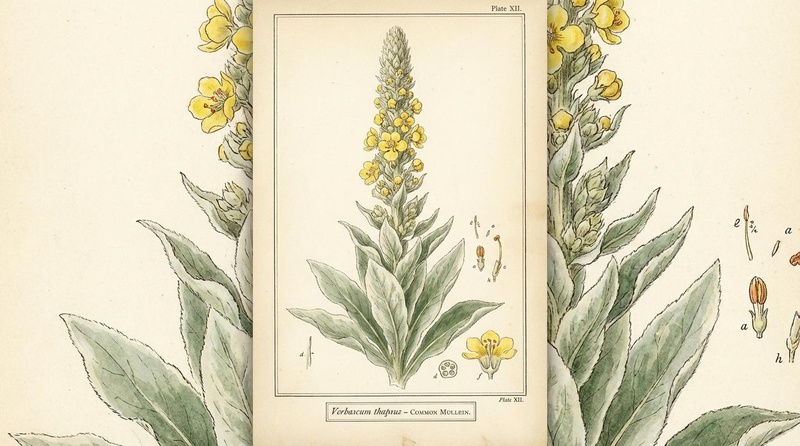
Mullein (Verbascum thapsus) is a biennial plant traditionally used for centuries to treat respiratory conditions. It is characterized by its tall flowering spikes and large, velvety leaves. In modern integrative medicine, Mullein is primarily valued for its demulcent and expectorant properties, making it a common remedy for coughs, bronchitis, and throat irritation.
While human clinical trials are limited compared to some other supplements, Mullein contains validated bioactive compounds including mucilage, saponins, and iridoid glycosides that support its traditional indications. It is generally considered safe and is often found in tea blends and herbal ear drops.
¶ Evidence Summary
| Outcome | Impact | Traffic Light | GRADE | Notes |
|---|---|---|---|---|
| Respiratory Congestion | Positive | Promising | Low | Strong traditional use; saponins/mucilage provide mechanistic basis for expectorant effects [1]. |
| Acute Otitis Media (Pain) | Positive | Promising | Moderate | Herbal ear drops with Mullein shown to be as effective as anesthetic drops in children [2]. |
| Inflammation | Positive | Promising | Low | Extracts inhibit inflammatory mediators (COX-2, NF-kB) in vitro [1:1][3]. |
| Antimicrobial Activity | Moderate | Promising | Low | Active against Staphylococcus aureus and E. coli in lab studies [1:2][4]. |
| Longevity/Healthspan | Neutral | Experimental | Very Low | Antioxidant properties exist, but no direct lifespan extension data available. |
¶ Mechanistic Overview
Mullein's therapeutic effects are attributed to a synergistic blend of phytochemicals found in its leaves and flowers.
¶ 1. Demulcent and Expectorant Action
Mullein contains high levels of mucilage, a gelatinous substance made of polysaccharides. When ingested (typically as tea), mucilage absorbs water and swells, forming a protective, soothing film over irritated mucous membranes in the throat and lungs [1:3].
Additionally, saponins (specifically verbascosaponins) are believed to stimulate the vagal gastric reflex, which increases fluid secretion in the respiratory tract, helping to thin mucus and facilitate its expulsion (expectorant effect) [1:4].
¶ 2. Anti-Inflammatory Pathways
The plant is rich in iridoid glycosides (such as aucubin, catalpol, and harpagoside) and flavonoids (like verbascoside). These compounds have been shown to inhibit the production of pro-inflammatory cytokines and enzymes, including COX-2 and NF-kB [3:1]. This activity helps reduce tissue inflammation associated with respiratory infections.