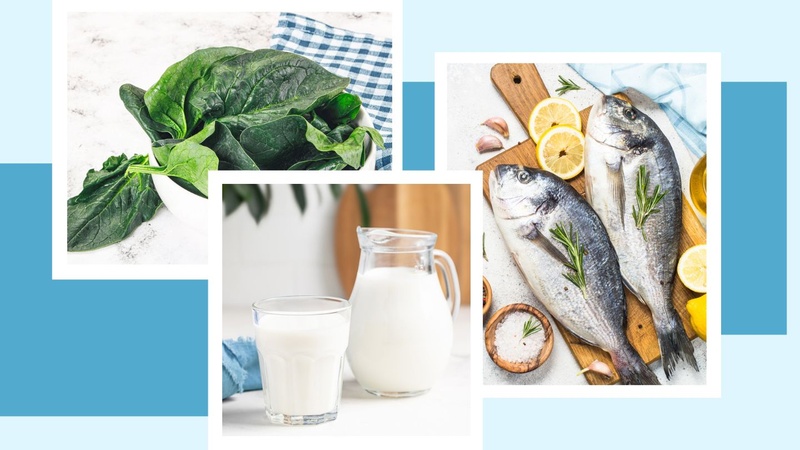
¶ Potassium
Potassium is an essential dietary mineral and the primary intracellular cation in the human body. It plays a critical role in maintaining cellular resting membrane potential, nerve conduction, muscle contraction, and fluid balance.
While crucial for cardiovascular health—particularly in regulating blood pressure—potassium supplementation presents unique regulatory and safety considerations compared to other minerals, notably the FDA-imposed 99 mg limit on solid oral dosage forms.
¶ Layer 1: Executive Dashboard
¶ At a Glance
Will it help me?
Potassium is highly effective at lowering elevated blood pressure and reducing stroke risk. However, most individuals should prioritize obtaining potassium through food rather than supplements due to safety considerations and bioavailability. Supplementation is generally reserved for clinical hypokalemia or specific targeted protocols under medical supervision.
Safety Traffic Light
- Red: DO NOT take high-dose potassium supplements without medical supervision if you have chronic kidney disease (CKD), renal impairment, or are taking potassium-sparing diuretics (e.g., spironolactone), ACE inhibitors, or ARBs. This can lead to lethal hyperkalemia.
- Yellow: Solid potassium pills can cause gastrointestinal lesions. Powdered or liquid forms, or food-based sources, are much safer for the GI tract.
- Green: Dietary potassium from whole foods is extremely safe for healthy individuals, as healthy kidneys efficiently excrete excess amounts.
¶ Protocol Card
- Adequate Intake (AI): 3,400 mg/day for adult men; 2,600 mg/day for adult women.
- Supplement Dosage: Over-the-counter solid supplements are limited to 99 mg (approx. 2% of daily requirement) per serving in the US.
- Administration: If supplementing, powders dissolved in water or liquid formulations (e.g., potassium chloride salt substitutes like Nu-Salt) are preferred over tablets to avoid gastrointestinal ulceration. Always consume with food and adequate fluid.
- Best Forms: Potassium citrate, potassium chloride, potassium gluconate.
Bottom Line: Increased potassium intake is a Tier-1 intervention for lowering high blood pressure and preventing stroke, but food sources are vastly superior and safer than supplemental pills.