¶ Evidence Based Analysis Of Frontier Longevity Interventions
¶ Summary
Frontier longevity interventions are emerging strategies aimed at extending lifespan and improving healthspan. These interventions include caloric restriction mimetics, rapamycin, metformin, senolytics, and NAD+ boosters. Recent studies suggest that these interventions may have significant effects on aging and longevity, although more research is needed to fully understand their efficacy and safety.
¶ Comparative Analysis of Interventions
The following table contrasts key frontier longevity interventions based on their mechanism, strength of evidence, potential benefits, and safety profiles.
| Intervention | Mechanism of Action | Strength of Evidence | Key Benefits | Safety / Risks |
|---|---|---|---|---|
| Rapamycin | Inhibits mTOR pathway (mimics nutrient scarcity). | High (Animal): Robust lifespan extension in mice (ITP). Low (Human): Safety data from transplant/cancer; longevity trials (e.g., PEARL) ongoing. |
Extended maximal lifespan in mice; improved immune function in elderly (low dose). | Moderate Risk: Immune suppression, glucose dysregulation, potential mouth sores at higher doses. |
| Metformin | Activates AMPK; inhibits mitochondrial complex I. | Moderate (Human): Strong observational data in diabetics (TAME trial pending). Mixed: Some studies show blunted exercise benefits in healthy adults. |
Improved insulin sensitivity; reduced cancer/CVD risk in diabetics. | Well-Known: GI upset common; rare lactic acidosis; B12 deficiency long-term. |
| Senolytics (e.g., Dasatinib + Quercetin, Fisetin) | Selectively induces apoptosis in senescent ("zombie") cells. | High (Animal): Reverses aging phenotypes. Low/Moderate (Human): Pilot trials show reduced senescent burden; clinical efficacy not yet proven. |
Tissue rejuvenation; reduced inflammation; improved physical function (in IPF/DKD pilots). | Unknown Long-term: "Hit-and-run" dosing reduces chronic toxicity; acute fatigue/inflammation possible. |
| NAD+ Boosters (NR, NMN) | Replenishes intracellular NAD+ levels for sirtuin activity and DNA repair. | High (Animal): Restores NAD+ and metabolic function. Moderate (Human): Bioavailability confirmed; mixed efficacy on clinical endpoints. |
Enhanced cellular energy; potential metabolic improvement. | High Safety: Generally well-tolerated; theoretical risk of tumor promotion (needs more data). |
| Caloric Restriction Mimetics (e.g., Spermidine) | Induces autophagy; mimics fasting signaling. | High (Animal): CR is the gold standard. Low (Human): Epidemiological correlations; mimetics less proven than actual CR. |
Autophagy induction; cardiovascular health; metabolic flexibility. | High Safety: Dietary compounds generally safe; high doses unproven. |
¶ Benefits
-
Caloric Restriction Mimetics: These compounds may mimic the effects of caloric restriction, potentially leading to increased lifespan and improved metabolic health [1].
-
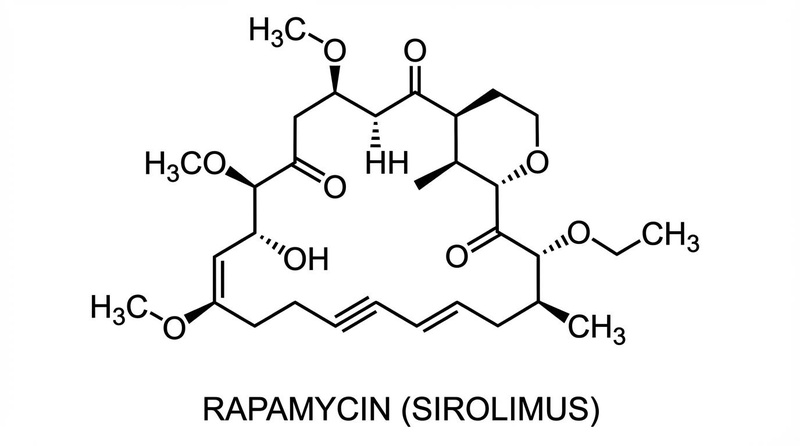
Rapamycin: This drug has shown promise in extending lifespan in animal models and is being studied for its effects on humans [2].
-
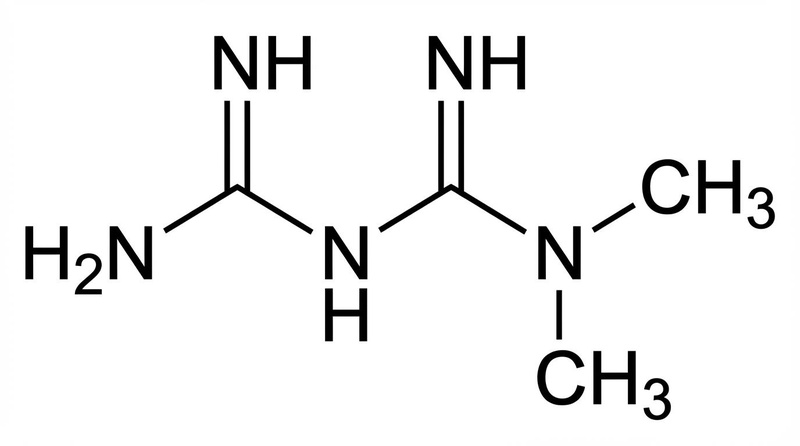
Metformin: Commonly used for diabetes, metformin has been linked to increased lifespan in observational studies and is undergoing clinical trials for its anti-aging effects [3].
-
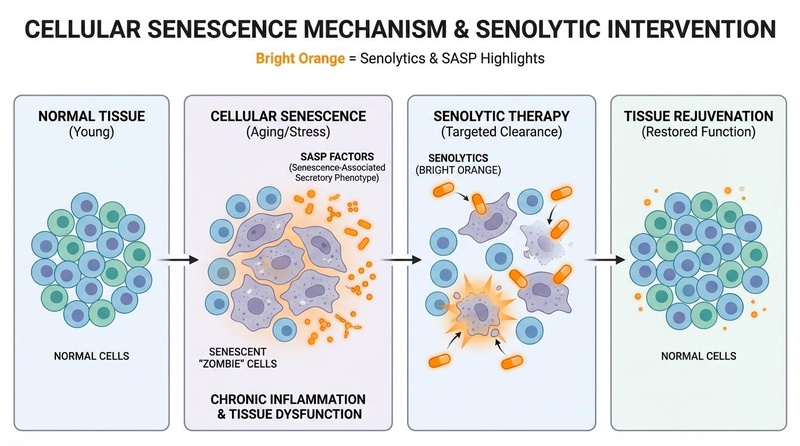
Senolytics: These agents target senescent cells, which contribute to aging. Clinical trials have shown potential benefits in improving health markers in older adults [4].
-
NAD+ Boosters: Compounds that increase NAD+ levels may enhance cellular repair and energy metabolism, with preliminary evidence suggesting benefits in aging [5].
¶ Mechanism
These interventions target various biological pathways associated with aging.
- Caloric Restriction: Reduces metabolic stress and enhances autophagy.
- Rapamycin: Inhibits mTOR signaling, promoting cellular repair processes.
- Metformin: Activates AMPK, improving insulin sensitivity and reducing oxidative stress.
- Senolytics: Clear senescent cells, reducing inflammation and improving tissue function.
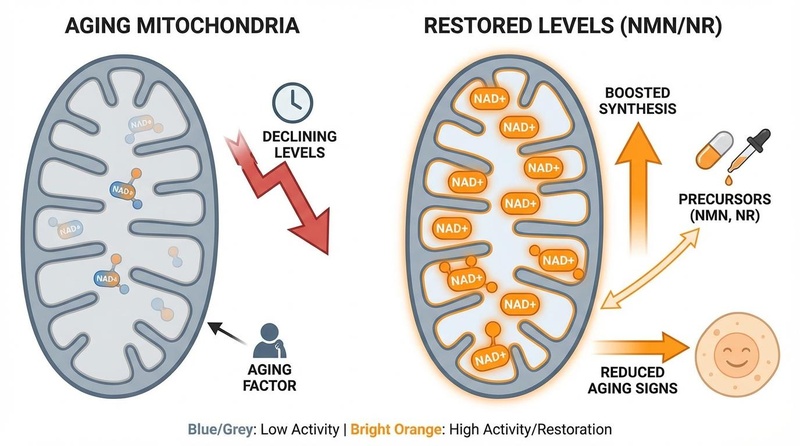
- NAD+ Boosters: Enhance mitochondrial function and DNA repair mechanisms.
¶ Evidence
Recent systematic reviews and meta-analyses have highlighted the potential of these interventions:
- Caloric Restriction Mimetics: Show promise in extending lifespan in animal models [1].
- Rapamycin: Meta-analysis indicates significant lifespan extension in mice, with ongoing human trials [2].
- Metformin: Randomized controlled trials suggest a potential increase in lifespan among users [3].
- Senolytics: Clinical trials indicate improvements in healthspan and biomarkers of aging [4].
- NAD+ Boosters: Systematic reviews suggest benefits in metabolic health and aging [5].
¶ Safety & Side Effects
- Caloric Restriction Mimetics: Potential side effects include gastrointestinal issues and metabolic disturbances [1].
- Rapamycin: Side effects may include immune suppression and metabolic changes [2].
- Metformin: Common side effects include gastrointestinal upset and, in rare cases, lactic acidosis [3].
- Senolytics: Side effects are still being evaluated, but may include fatigue and transient inflammatory responses [4].
- NAD+ Boosters: Generally well-tolerated, but long-term effects are not fully understood [5].
¶ Dosage
- Caloric Restriction Mimetics: Dosage varies by compound; consult specific studies for details.
- Rapamycin: Typical doses in studies range from 1 to 10 mg weekly [2].
- Metformin: Commonly prescribed at 500-2000 mg daily [3].
- Senolytics: Dosage is still under investigation; early trials use varying regimens [4].
- NAD+ Boosters: Dosages vary widely; common supplements range from 250 to 1000 mg daily [5].
¶ FAQ
Q: Are these interventions safe?
A: While many show promise, safety profiles are still being established through ongoing research.
Q: How long until we see definitive results?
A: Many studies are in progress, with results expected in the next few years.
¶ History
The exploration of longevity interventions has evolved significantly over the last few decades, with early research focusing on caloric restriction and more recent studies expanding to pharmacological agents and supplements. The field is rapidly advancing, with numerous clinical trials underway.
¶ References
- Longo, V. D., & Mattson, M. P. (2014). Fasting: Molecular Mechanisms and Clinical Applications. Link
- Harrison, D. E., et al. (2009). Rapamycin fed late in life extends lifespan in genetically heterogeneous mice. Link
- Barzilai, N., et al. (2016). Metformin as an adjunct to pharmacological treatment in older adults with type 2 diabetes. Link
- Xu, M., et al. (2018). Senolytics improve physical function and increase lifespan in old age. Link
- Imai, S.-I., & Guarente, L. (2014). NAD+ and sirtuins in aging and disease. Link