¶ Cerebrolysin
¶ Overview
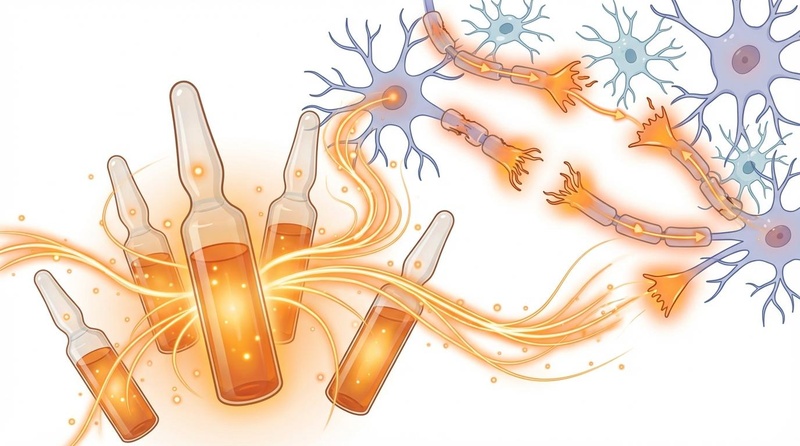
Cerebrolysin is a multi-modal neuropeptide preparation produced by enzymatic hydrolysis of purified porcine brain proteins. It consists of low-molecular-weight peptides (<10 kDa) and free amino acids. Unlike single-molecule drugs, Cerebrolysin mimics the pleiotropic effects of endogenous neurotrophic factors, making it a powerful tool for neuroprotection and neuroregeneration, particularly in acute brain injury and dementia.
¶ Mechanism of Action
Cerebrolysin acts like a "cocktail" of neurotrophic factors:
- Neurotrophic Mimicry: It displays activity similar to Brain-Derived Neurotrophic Factor (BDNF), Glial Cell Line-Derived Neurotrophic Factor (GDNF), and Ciliary Neurotrophic Factor (CNTF).
- Neuroprotection: It reduces excitotoxicity, inhibits free radical formation, and suppresses apoptotic pathways (calpain/caspase-3) during ischemia.
- Neurogenesis: It promotes the proliferation and differentiation of neural progenitor cells in the dentate gyrus[1].
¶ Clinical Evidence
¶ Stroke and TBI
Cerebrolysin is approved in over 50 countries for the treatment of stroke and Traumatic Brain Injury (TBI).
- Ischemic Stroke: Large-scale trials (e.g., CASTA) have shown mixed results for mortality but consistent benefits for functional recovery and motor rehabilitation when administered early (within 24-72 hours)[2].
- TBI: The CAPTAIN trial demonstrated that Cerebrolysin significantly improved global outcomes in patients with moderate-to-severe TBI[3].
¶ Dementia and Cognitive Decline
Meta-analyses suggest that Cerebrolysin can improve global clinical function in vascular dementia and Alzheimer's disease, particularly in mild-to-moderate cases.
¶ Dosage and Administration
- Route: Intramuscular (IM) injection (up to 5ml) or Intravenous (IV) infusion (10ml–50ml).
- Protocol: Typically administered in cycles, e.g., daily infusions for 10–20 days.
- Safety: Generally safe, but requires injection hygiene. Rare allergic reactions possible due to animal origin.
¶ References
Chen, H., et al. (2007). Trophic factors counteract elevated FGF-2-induced inhibition of adult neurogenesis. Neurobiology of Aging. ↩︎
Heiss, W. D., et al. (2012). Cerebrolysin in patients with acute ischemic stroke in Asia: results of a double-blind, placebo-controlled randomized trial. Stroke. ↩︎
Poon, W. S., et al. (2020). Cerebrolysin after moderate to severe traumatic brain injury: prospective meta-analysis of the CAPTAIN trial series. Neurological Sciences. ↩︎