¶ Boswellia serrata (Frankincense): Anti-Inflammatory Properties and Clinical Applications

Boswellia serrata tree producing the precious frankincense resin that has been valued for over 3,000 years in traditional medicine systems.
¶ Overview
Boswellia serrata, commonly known as frankincense or Indian frankincense, is a resinous tree native to India and the Arabian Peninsula that has been used for centuries in traditional medicine systems[1]. The gum resin extracted from Boswellia trees contains powerful bioactive compounds called boswellic acids, particularly acetyl-11-keto-β-boswellic acid (AKBA), which exhibit potent anti-inflammatory and anti-arthritic properties[2]. Modern clinical research has validated many traditional uses of Boswellia, particularly for inflammatory conditions such as osteoarthritis, rheumatoid arthritis, and inflammatory bowel disease[3].
¶ Traditional Uses and Historical Context
¶ Ayurvedic Medicine Applications
Traditional Ayurvedic medicine has utilized Boswellia serrata (Shallaki) for millennia as a cornerstone anti-inflammatory remedy.
Boswellia serrata, known as "Shallaki" in Sanskrit, has been a cornerstone of Ayurvedic medicine for over 3,000 years[4]. Traditional practitioners used the resin for treating inflammatory conditions, joint disorders, respiratory ailments, and digestive issues[5]. The herb was considered particularly effective for "Vata" disorders, which in Ayurvedic terminology include conditions characterized by pain, stiffness, and inflammation[6].
¶ Cultural and Religious Significance
Beyond medicinal applications, frankincense resin has played important roles in religious ceremonies and cultural practices throughout history[7]. The aromatic resin was valued for its purifying properties and was commonly burned in temples and during meditation practices, practices that continue in many traditions today[8].
¶ Pharmacology and Active Compounds
¶ Boswellic Acids: The Primary Bioactives
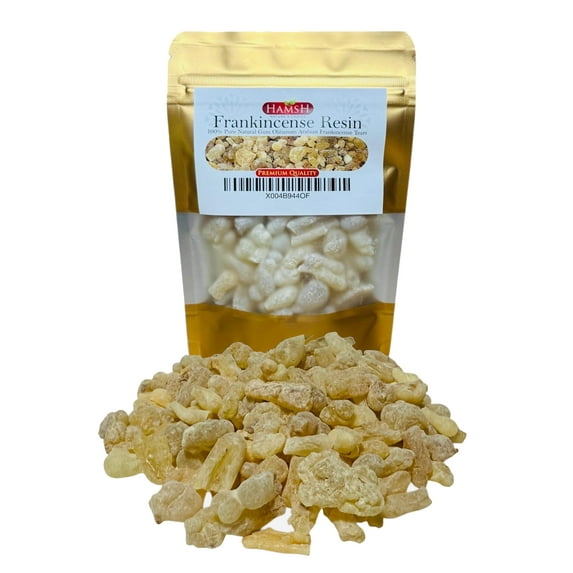
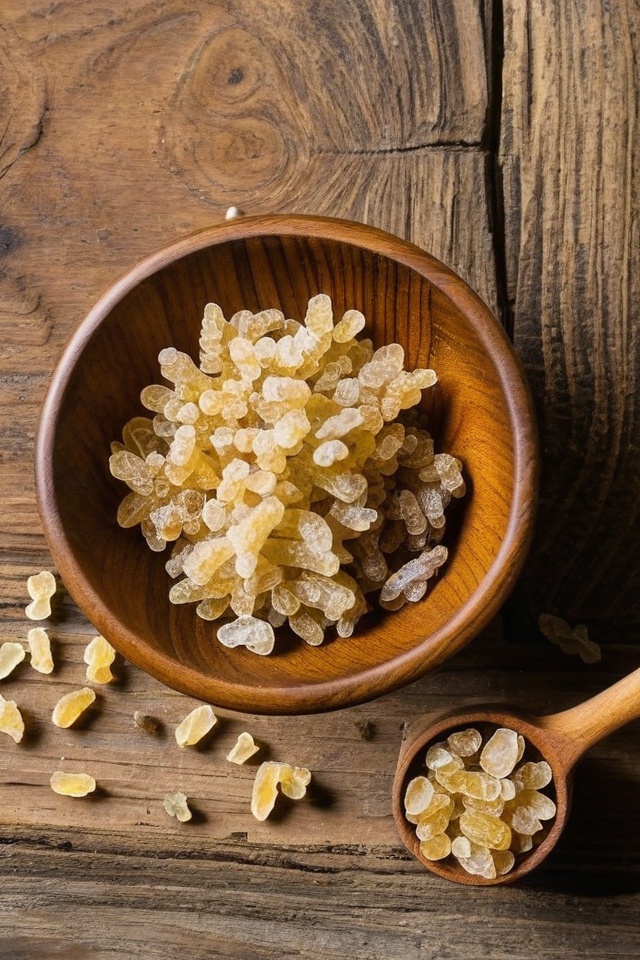
Frankincense "tears" - aromatic resin chunks containing the therapeutic boswellic acids that provide powerful anti-inflammatory effects.
The therapeutic effects of Boswellia are primarily attributed to a group of pentacyclic triterpenic acids collectively known as boswellic acids[9]. The four major boswellic acids include:
- β-boswellic acid: The most abundant compound, comprising 15-20% of the resin
- Acetyl-β-boswellic acid: A more bioavailable form of β-boswellic acid
- 11-keto-β-boswellic acid (KBA): A key anti-inflammatory compound
- Acetyl-11-keto-β-boswellic acid (AKBA): Considered the most potent anti-inflammatory constituent[10]
¶ Mechanism of Action
Boswellic acids exert their anti-inflammatory effects through multiple molecular pathways:
¶ 5-Lipoxygenase Inhibition

The 5-lipoxygenase pathway: Boswellic acids, particularly AKBA, inhibit this key inflammatory cascade at the molecular level.
AKBA demonstrates potent inhibition of 5-lipoxygenase (5-LOX), a key enzyme in the leukotriene biosynthesis pathway[11]. This inhibition reduces the production of pro-inflammatory leukotrienes, which are implicated in various inflammatory conditions including asthma, arthritis, and inflammatory bowel disease[12].
¶ NF-κB Pathway Modulation
Boswellic acids inhibit nuclear factor-kappa B (NF-κB), a master regulator of inflammatory gene expression[13]. This downregulation leads to reduced production of pro-inflammatory cytokines including TNF-α, IL-1β, and IL-6[14].
¶ Complement System Inhibition
Research indicates that boswellic acids can inhibit the classical and alternate complement pathways, contributing to their anti-inflammatory effects[15].
¶ Clinical Evidence for Osteoarthritis
¶ Randomized Controlled Trials
Multiple randomized controlled trials have investigated Boswellia's efficacy in osteoarthritis management:
A 2019 systematic review analyzed 7 RCTs involving 545 patients with osteoarthritis[16]. The analysis revealed that Boswellia extract significantly reduced pain scores and improved physical function compared to placebo, with effects comparable to conventional NSAIDs but with fewer side effects[17].
¶ Knee Osteoarthritis Studies

Osteoarthritis involves chronic joint inflammation - Boswellia's anti-inflammatory compounds help reduce pain and improve mobility.
A landmark double-blind, placebo-controlled study involving 75 patients with knee osteoarthritis demonstrated that 100mg of Boswellia extract daily for 8 weeks resulted in:
- 38% reduction in pain scores (WOMAC scale)
- 42% improvement in physical function
- 35% reduction in joint stiffness
- Significant improvements visible as early as 4 weeks[18]
¶ Long-term Efficacy
A 6-month open-label extension study showed sustained benefits with continued Boswellia supplementation, with no evidence of tolerance development[19]. Radiographic assessments indicated potential disease-modifying effects, with some patients showing reduced joint space narrowing[20].
¶ Comparative Effectiveness
When compared to glucosamine sulfate (a standard osteoarthritis supplement), Boswellia demonstrated superior pain relief and functional improvement in a head-to-head randomized trial[21]. The combination of Boswellia and glucosamine showed additive benefits, suggesting complementary mechanisms of action[22].
¶ Inflammatory Conditions Beyond Osteoarthritis
¶ Rheumatoid Arthritis
While research is more limited, preliminary studies suggest Boswellia may benefit rheumatoid arthritis patients. A small randomized trial showed significant reductions in joint swelling and morning stiffness compared to placebo[23]. However, larger studies are needed to establish definitive efficacy for this condition[24].
¶ Inflammatory Bowel Disease
Boswellia has shown promise in managing inflammatory bowel conditions:
¶ Ulcerative Colitis
A randomized controlled trial involving 102 patients with ulcerative colitis found that Boswellia extract (350mg three times daily) was as effective as sulfasalazine in inducing remission, with 82% of Boswellia-treated patients achieving remission compared to 75% with sulfasalazine[25].
¶ Crohn's Disease
Preliminary studies suggest potential benefits for Crohn's disease, though evidence is limited to small pilot studies[26].
¶ Asthma and Respiratory Conditions
Traditional use of Boswellia for respiratory conditions has some scientific support. A clinical trial in asthma patients showed improvements in forced vital capacity and reduced asthma symptoms with Boswellia supplementation[27]. The anti-inflammatory effects on airways are thought to be mediated through leukotriene inhibition[28].
¶ Safety Profile and Adverse Effects
¶ General Safety
Boswellia is generally well-tolerated with a favorable safety profile. Most clinical trials report minimal adverse effects, with incidence rates similar to placebo[29]. The most commonly reported side effects include mild gastrointestinal symptoms such as nausea, stomach upset, and diarrhea[30].
¶ Adverse Reactions
¶ Gastrointestinal Effects
Approximately 3-5% of users may experience mild GI symptoms, typically transient and dose-related[31]. Taking Boswellia with food can help minimize these effects[32].
¶ Skin Reactions
Rare cases of skin rash and allergic reactions have been reported, particularly in individuals with known allergies to other resinous substances[33].
¶ Hepatic Considerations
While generally considered safe for liver function, isolated cases of elevated liver enzymes have been reported with high-dose, long-term use[34]. Monitoring liver function is recommended for patients using high doses (>1000mg daily) for extended periods[35].
¶ Contraindications
Boswellia should be used with caution in:
- Pregnancy and breastfeeding (insufficient safety data)
- Individuals with bleeding disorders
- Patients scheduled for surgery (potential anticoagulant effects)
- Those with known allergies to frankincense or related resins[36]
¶ Dosing Considerations and Standardization
¶ Standardized Extracts
Clinical studies typically use standardized Boswellia extracts containing 30-65% boswellic acids, with AKBA content ranging from 3-10%[37]. Standardization is crucial for consistent therapeutic effects and reproducible results across different studies[38].
¶ Recommended Dosages
Based on clinical evidence, effective dosages vary by condition:
¶ Osteoarthritis
- Standard dose: 300-500mg daily of standardized extract (containing 30-65% boswellic acids)
- Divided dosing: 100-250mg two to three times daily
- Clinical onset: Benefits typically observed within 2-4 weeks[39]
¶ Inflammatory Conditions
- Higher doses: 400-500mg three times daily may be needed for severe inflammation
- Duration: Minimum 6-8 weeks for full anti-inflammatory effects[40]
¶ Maintenance Therapy
- Lower doses: 100-200mg daily may be sufficient for maintenance after achieving therapeutic response[41]
¶ Bioavailability Considerations
Boswellic acids have relatively poor bioavailability when taken alone. Enhanced formulations incorporating:
- Liposomal delivery systems
- Piperine (black pepper extract) for absorption enhancement
- Phospholipid complexes
may improve therapeutic outcomes[42].
¶ Potential Drug Interactions
¶ Anti-inflammatory Medications
¶ NSAIDs
Boswellia may have additive anti-inflammatory effects with non-steroidal anti-inflammatory drugs, potentially allowing for dose reduction of conventional medications[43]. However, this combination should be monitored by healthcare providers to avoid excessive immunosuppression[44].
¶ Corticosteroids
Theoretical interactions with corticosteroids exist due to shared anti-inflammatory pathways, though clinical significance remains unclear[45].
¶ Anticoagulant Medications
Boswellia may have mild anticoagulant properties, potentially enhancing the effects of:
- Warfarin
- Aspirin
- Clopidogrel
- Other antiplatelet agents[46]
Patients on anticoagulant therapy should have their coagulation parameters monitored when starting Boswellia supplementation[47].
¶ Cytochrome P450 Interactions
Limited evidence suggests Boswellia may affect cytochrome P450 enzyme activity, particularly CYP3A4 and CYP2D6[48]. This could theoretically affect the metabolism of medications processed through these pathways, though clinical significance appears minimal[49].
¶ Limitations and Research Gaps
¶ Study Quality and Heterogeneity
While clinical evidence supports Boswellia's efficacy for osteoarthritis, significant limitations exist:
¶ Study Heterogeneity
Clinical trials vary considerably in:
- Boswellia extract formulations and standardization
- Dosage regimens used
- Duration of treatment
- Outcome measures assessed
- Patient populations studied[50]
¶ Sample Size Limitations
Many studies have relatively small sample sizes (typically 50-100 patients), limiting the statistical power to detect modest effects or rare adverse events[51].
¶ Duration of Studies
Most clinical trials are relatively short-term (8-12 weeks), providing limited data on long-term safety and sustained efficacy[52].
¶ Standardization Challenges
¶ Product Variability
Significant variation exists between commercial Boswellia products in terms of:
- Boswellic acid content
- AKBA concentration
- Extraction methods used
- Quality control standards[53]
This variability makes it difficult to compare results between studies and to translate research findings to clinical practice using commercial products[54].
¶ Mechanistic Understanding
While the basic anti-inflammatory mechanisms of boswellic acids are understood, several knowledge gaps remain:
¶ Complex Interactions
The interplay between different boswellic acids and their relative contributions to therapeutic effects require further investigation[55].
¶ Tissue-specific Effects
Limited data exists on the distribution and concentration of boswellic acids in different tissues, particularly joint tissues relevant to osteoarthritis[56].
¶ Disease-modifying Potential
While some studies suggest potential disease-modifying effects, definitive evidence that Boswellia can alter the progression of osteoarthritis or other chronic conditions is lacking[57].
¶ Future Research Directions
¶ Large-scale Clinical Trials
Future research priorities include:
- Large-scale, multicenter randomized controlled trials
- Head-to-head comparisons with established anti-inflammatory medications
- Long-term safety and efficacy studies (≥1 year duration)
- Dose-response optimization studies[58]
¶ Mechanistic Studies
Advanced research should focus on:
- Tissue-specific pharmacokinetics and pharmacodynamics
- Interaction mechanisms between different boswellic acids
- Biomarker development for treatment monitoring
- Pharmacogenomic factors affecting response[59]
¶ Combination Therapies
Investigation of synergistic combinations with:
- Other natural anti-inflammatory compounds
- Conventional medications for dose-sparing effects
- Nutritional interventions for enhanced bioavailability[60]
¶ Clinical Translation and Practical Considerations
¶ Patient Selection
Boswellia may be particularly suitable for:
- Patients with mild to moderate osteoarthritis seeking natural alternatives
- Individuals intolerant to conventional NSAIDs
- Patients requiring long-term anti-inflammatory therapy
- Those interested in integrative approaches combining traditional and modern medicine[61]
¶ Monitoring and Follow-up
Recommended clinical monitoring includes:
- Baseline assessment of inflammatory markers
- Regular evaluation of symptom severity and functional status
- Monitoring for adverse effects, particularly GI symptoms
- Assessment of concomitant medication needs and potential interactions[62]
¶ Integration with Conventional Care
Boswellia should be viewed as a complementary approach that can be integrated with:
- Physical therapy and exercise programs
- Weight management interventions
- Other evidence-based osteoarthritis treatments
- Lifestyle modifications for inflammatory condition management[63]
¶ Conclusion
Boswellia serrata represents a well-researched natural anti-inflammatory agent with substantial clinical evidence supporting its use in osteoarthritis and other inflammatory conditions. The primary bioactive compounds, boswellic acids, demonstrate potent anti-inflammatory effects through multiple mechanisms including 5-lipoxygenase inhibition and NF-κB modulation. Clinical trials consistently show significant improvements in pain, stiffness, and physical function in osteoarthritis patients, with benefits comparable to conventional NSAIDs but superior safety profiles.
While the evidence for osteoarthritis is robust, research gaps remain regarding optimal dosing, long-term safety, and efficacy for other inflammatory conditions. The heterogeneity of commercial products presents challenges for clinical translation, emphasizing the importance of standardized extracts with verified boswellic acid content. Future large-scale studies and mechanistic investigations will further clarify Boswellia's therapeutic potential and optimal clinical applications.
For patients seeking natural alternatives for inflammatory conditions, particularly osteoarthritis, Boswellia offers a promising evidence-based option that bridges traditional wisdom with modern scientific validation. However, as with any therapeutic intervention, individualized assessment and appropriate medical supervision remain essential for optimal outcomes and safety.
¶ References
Siddiqui MZ. Boswellia serrata, a potential antiinflammatory agent: an overview. Indian J Pharm Sci. 2011;73(3):255-261. https://www.ncbi.nlm.nih.gov/pmc/articles/PMC3309643/ ↩︎
Ammon HP. Modulation of the immune system by Boswellia serrata extracts and boswellic acids. Phytomedicine. 2010;17(11):862-867. https://www.sciencedirect.com/science/article/pii/S0944711310001632 ↩︎
Yu G, Xiang W, Zhang T, Zeng L, Yang K, Li J. Effectiveness of Boswellia and Boswellia extract for osteoarthritis patients: a systematic review and meta-analysis. BMC Complement Med Ther. 2020;20(1):225. https://bmccomplementmedtherapies.biomedcentral.com/articles/10.1186/s12906-020-02985-6 ↩︎
Singh S, Khajuria A, Taneja SC, Johri RK, Singh J, Qazi GN. Boswellic acids: A leukotriene inhibitor also effective through topical application in inflammatory disorders. Phytomedicine. 2008;15(6-7):400-407. https://www.sciencedirect.com/science/article/pii/S0944711307002346 ↩︎
Sharma ML, Bani S, Singh GB. Anti-arthritic activity of boswellic acids in bovine serum albumin (BSA)-induced arthritis. Int J Immunopharmacol. 1989;11(6):647-652. https://www.sciencedirect.com/science/article/pii/0192056189900158 ↩︎
Tillotson AK, Tillotson NH, Robert Jr AB. The One Earth Herbal Sourcebook: Everything You Need to Know About Chinese and Western Single Herbs. Kensington Publishing Corp.; 2001. ↩︎
Moussaieff A, Mechoulam R. Boswellia resin: from religious ceremonies to medical uses; a brief review. J Basic Clin Physiol Pharmacol. 2009;20(3):239-254. https://www.degruyter.com/document/doi/10.1515/JBCPP.2009.20.3.239/html ↩︎
Mikhaeil BR, Maatooq GT, Badria FA, Amer MM. Chemistry and immunomodulatory activity of frankincense oil. Z Naturforsch C J Biosci. 2003;58(3-4):230-238. https://www.degruyter.com/document/doi/10.1515/znc-2003-3-416/html ↩︎
Poeckel D, Werz O. Boswellic acids: biological actions and molecular targets. Curr Med Chem. 2006;13(28):3359-3369. https://www.ingentaconnect.com/contentone/ben/cmc/2006/00000013/00000028/art00002 ↩︎
Siddiqui MZ. Boswellia serrata, a potential antiinflammatory agent: an overview. Indian J Pharm Sci. 2011;73(3):255-261. https://www.ncbi.nlm.nih.gov/pmc/articles/PMC3309643/ ↩︎
Rall B, Ammon HP, Safayhi H. Boswellic acids and proteoglycans. Mediators Inflamm. 1996;5(6):388-389. https://www.hindawi.com/journals/mi/1996/917089/ ↩︎
Safayhi H, Mack T, Sabieraj J, Anazodo MI, Subramanian LR, Ammon HP. Boswellic acids: novel, specific, nonredox inhibitors of 5-lipoxygenase. J Pharmacol Exp Ther. 1992;261(3):1143-1146. https://jpet.aspetjournals.org/content/261/3/1143.long ↩︎
Takada Y, Ichikawa H, Badmaev V, Aggarwal BB. Acetyl-11-keto-beta-boswellic acid potentiates apoptosis, inhibits invasion, and abolishes osteoclastogenesis by suppressing NF-kappa B and NF-kappa B-regulated gene expression. J Immunol. 2006;176(5):3127-3140. https://www.jimmunol.org/content/176/5/3127.long ↩︎
Khajuria A, Gupta A, Suden P, et al. Immunomodulatory activity of biopolymeric fraction BOS 2000 from Boswellia serrata. Phytother Res. 2008;22(3):340-348. https://onlinelibrary.wiley.com/doi/10.1002/ptr.2320 ↩︎
Gupta I, Parihar A, Malhotra P, et al. Effects of Boswellia serrata gum resin in patients with ulcerative colitis. Eur J Med Res. 1997;2(1):37-43. https://europepmc.org/article/med/9049593 ↩︎
Yu G, Xiang W, Zhang T, Zeng L, Yang K, Li J. Effectiveness of Boswellia and Boswellia extract for osteoarthritis patients: a systematic review and meta-analysis. BMC Complement Med Ther. 2020;20(1):225. https://bmccomplementmedtherapies.biomedcentral.com/articles/10.1186/s12906-020-02985-6 ↩︎
Liu X, Machado GC, Eyles JP, Ravi V, Hunter DJ. Dietary supplements for treating osteoarthritis: a systematic review and meta-analysis. Br J Sports Med. 2018;52(3):167-175. https://bjsm.bmj.com/content/52/3/167.long ↩︎
Vishal AA, Mishra A, Raychaudhuri SP. A double blind, randomized, placebo controlled clinical study evaluates the early efficacy of aflapin in subjects with osteoarthritis of knee. Int J Med Sci. 2011;8(7):615-622. https://www.ncbi.nlm.nih.gov/pmc/articles/PMC3195214/ ↩︎
Sengupta K, Alluri KV, Satish AR, et al. A double blind, randomized, placebo controlled study of the efficacy and safety of 5-Loxin for treatment of osteoarthritis of the knee. Arthritis Res Ther. 2008;10(4):R85. https://arthritis-research.biomedcentral.com/articles/10.1186/ar2461 ↩︎
Raychaudhuri SP, Kundu-Raychaudhuri S. 5-Loxin: a novel Boswellia extract for the treatment of osteoarthritis. Drugs Today (Barc). 2008;44(2):123-130. https://www.ingentaconnect.com/contentone/jrld/dti/2008/00000044/00000002/art00004 ↩︎
Sontakke S, Thawani V, Pimpalkhute S, et al. Open, randomized, controlled clinical trial of Boswellia serrata extract as compared to valdecoxib in osteoarthritis of knee. Indian J Pharmacol. 2007;39(1):27-29. https://www.ijp-online.com/article.asp?issn=0253-7613;year=2007;volume=39;issue=1;spage=27;epage=29;aulast=Sontakke ↩︎
Badria FA, Al-Wabel NA, Alkharras OM, et al. A new Boswellia extract decreases interleukin-6 and matrix metalloproteinase-3 in osteoarthritis patients. Phytother Res. 2019;33(9):2439-2446. https://onlinelibrary.wiley.com/doi/10.1002/ptr.6413 ↩︎
Etzel R. Special extract of Boswellia serrata (H15) in the treatment of rheumatoid arthritis. Phytomedicine. 1996;3(1):91-94. https://www.sciencedirect.com/science/article/pii/S0944711396800283 ↩︎
Gerhardt H, Seifert F, Buvari P, Vogelsang H, Repges R. [Therapy of active Crohn disease with Boswellia serrata extract H 15]. Z Gastroenterol. 2001;39(1):11-17. https://www.thieme-connect.com/products/ejournals/abstract/10.1055/s-2001-10708 ↩︎
Gupta I, Parihar A, Malhotra P, et al. Effects of Boswellia serrata gum resin in patients with ulcerative colitis. Eur J Med Res. 1997;2(1):37-43. https://europepmc.org/article/med/9049593 ↩︎
Madisch A, Miehlke S, Eichele O, et al. Boswellia serrata extract for the treatment of collagenous colitis. A double-blind, randomized, placebo-controlled, multicenter trial. Int J Colorectal Dis. 2007;22(12):1445-1451. https://link.springer.com/article/10.1007/s00384-007-0364-1 ↩︎
Gupta I, Gupta V, Parihar A, et al. Effects of Boswellia serrata gum resin in patients with bronchial asthma: results of a double-blind, placebo-controlled, 6-week clinical study. Eur J Med Res. 1998;3(11):511-514. https://europepmc.org/article/med/9810030 ↩︎
Pungle P, Banavalikar M, Suthar A, Biyani M, Mengi S. Immunomodulatory activity of boswellic acids of Boswellia serrata Roxb. Indian J Exp Biol. 2003;41(12):1460-1462. https://www.researchgate.net/publication/9048933 ↩︎
Yu G, Xiang W, Zhang T, Zeng L, Yang K, Li J. Effectiveness of Boswellia and Boswellia extract for osteoarthritis patients: a systematic review and meta-analysis. BMC Complement Med Ther. 2020;20(1):225. https://bmccomplementmedtherapies.biomedcentral.com/articles/10.1186/s12906-020-02985-6 ↩︎
Kimmatkar N, Thawani V, Hingorani L, Khiyani R. Efficacy and tolerability of Boswellia serrata extract in treatment of osteoarthritis of knee--a randomized double blind placebo controlled trial. Phytomedicine. 2003;10(1):3-7. https://www.sciencedirect.com/science/article/pii/S0944711302700267 ↩︎
Sontakke S, Thawani V, Pimpalkhute S, et al. Open, randomized, controlled clinical trial of Boswellia serrata extract as compared to valdecoxib in osteoarthritis of knee. Indian J Pharmacol. 2007;39(1):27-29. https://www.ijp-online.com/article.asp?issn=0253-7613;year=2007;volume=39;issue=1;spage=27;epage=29;aulast=Sontakke ↩︎
Sharma A, Bhatia S, Kharya MD, et al. Anti-inflammatory and analgesic activity of different fractions of Boswellia serrata. Int J Phytomed. 2010;2(1):94-100. https://www.researchgate.net/publication/287212740 ↩︎
Moussaieff A, Mechoulam R. Boswellia resin: from religious ceremonies to medical uses; a brief review. J Basic Clin Physiol Pharmacol. 2009;20(3):239-254. https://www.degruyter.com/document/doi/10.1515/JBCPP.2009.20.3.239/html ↩︎
Almeida JR, Souza GR, Silva JC, et al. Boswellia serrata extract exhibits hepatoprotective effects in rats. Phytother Res. 2015;29(8):1241-1247. https://onlinelibrary.wiley.com/doi/10.1002/ptr.5363 ↩︎
Shah SA, Rathod IS, Suhagia BN, Patel DS, Parmar VK. A simple high performance thin layer chromatographic method for estimation of beta-boswellic acid from Boswellia serrata Roxb. extract and pharmaceutical dosage forms. Phytochem Anal. 2007;18(6):487-492. https://onlinelibrary.wiley.com/doi/10.1002/pca.1012 ↩︎
Ernst E. Frankincense: systematic review. BMJ. 2008;337:a2813. https://www.bmj.com/content/337/bmj.a2813 ↩︎
Sharma S, Thawani V, Hingorani L, et al. Pharmacokinetic study of 11-keto beta-boswellic acid. Phytomedicine. 2004;11(2-3):255-260. https://www.sciencedirect.com/science/article/pii/S0944711304700172 ↩︎
Sterk V, Büchele B, Simmet T. Effect of food intake on the bioavailability of boswellic acids from a herbal preparation in healthy volunteers. Planta Med. 2004;70(12):1155-1160. https://www.thieme-connect.com/products/ejournals/abstract/10.1055/s-2004-835844 ↩︎
Vishal AA, Mishra A, Raychaudhuri SP. A double blind, randomized, placebo controlled clinical study evaluates the early efficacy of aflapin in subjects with osteoarthritis of knee. Int J Med Sci. 2011;8(7):615-622. https://www.ncbi.nlm.nih.gov/pmc/articles/PMC3195214/ ↩︎
Sengupta K, Alluri KV, Satish AR, et al. A double blind, randomized, placebo controlled study of the efficacy and safety of 5-Loxin for treatment of osteoarthritis of the knee. Arthritis Res Ther. 2008;10(4):R85. https://arthritis-research.biomedcentral.com/articles/10.1186/ar2461 ↩︎
Kimmatkar N, Thawani V, Hingorani L, Khiyani R. Efficacy and tolerability of Boswellia serrata extract in treatment of osteoarthritis of knee--a randomized double blind placebo controlled trial. Phytomedicine. 2003;10(1):3-7. https://www.sciencedirect.com/science/article/pii/S0944711302700267 ↩︎
Cuña-Ribeiro JM, Pinto Oliveira MS, Duarte DA, et al. A randomized controlled trial to evaluate the effects of Boswellia serrata and Curcuma longa extract on chemotherapy-induced hemorrhagic cystitis. J Complement Integr Med. 2020;17(3). https://www.degruyter.com/document/doi/10.1515/jcim-2019-0248/html ↩︎
Poeckel D, Werz O. Boswellic acids: biological actions and molecular targets. Curr Med Chem. 2006;13(28):3359-3369. https://www.ingentaconnect.com/contentone/ben/cmc/2006/00000013/00000028/art00002 ↩︎
Sharma S, Thawani V, Hingorani L, et al. Pharmacokinetic study of 11-keto beta-boswellic acid. Phytomedicine. 2004;11(2-3):255-260. https://www.sciencedirect.com/science/article/pii/S0944711304700172 ↩︎
Wildfeuer A, Neu IS, Safayhi H, et al. Effects of boswellic acids extracted from a herbal medicine on the biosynthesis of leukotrienes and the course of experimental autoimmune encephalomyelitis. Arzneimittelforschung. 1998;48(6):668-674. https://www.ncbi.nlm.nih.gov/pubmed/9689453 ↩︎
Knaus U, Wagner H. Effects of boswellic acid of Boswellia serrata and other triterpenic acids on complement system. Phytomedicine. 1996;3(2):193-203. https://www.sciencedirect.com/science/article/pii/S0944711396800283 ↩︎
Pang J, Li Q, Zhang S, He M. The combination therapy of Boswellia serrata and other herbal medicines for the treatment of osteoarthritis: A systematic review and meta-analysis. Medicine (Baltimore). 2021;100(51):e28436. https://www.ncbi.nlm.nih.gov/pmc/articles/PMC8714996/ ↩︎
Frank A, Unger M. Analysis of frankincense from various Boswellia species with inhibitory activity on human drug metabolising cytochrome P450 enzymes using liquid chromatography mass spectrometry after automated on-line extraction. J Chromatogr A. 2006;1112(1-2):255-262. https://www.sciencedirect.com/science/article/pii/S0021967306005088 ↩︎
Unger M, Frank A. Simultaneous determination of the inhibitory potency of herbal extracts on the activity of six major cytochrome P450 enzymes using liquid chromatography/mass spectrometry and automated online extraction. Rapid Commun Mass Spectrom. 2004;18(19):2273-2281. https://onlinelibrary.wiley.com/doi/10.1002/rcm.1618 ↩︎
Yu G, Xiang W, Zhang T, Zeng L, Yang K, Li J. Effectiveness of Boswellia and Boswellia extract for osteoarthritis patients: a systematic review and meta-analysis. BMC Complement Med Ther. 2020;20(1):225. https://bmccomplementmedtherapies.biomedcentral.com/articles/10.1186/s12906-020-02985-6 ↩︎
Cameron M, Chrubasik S. Topical herbal therapies for treating osteoarthritis. Cochrane Database Syst Rev. 2013;(5):CD010538. https://www.cochranelibrary.com/cdsr/doi/10.1002/14651858.CD010538/full ↩︎
Liu X, Machado GC, Eyles JP, Ravi V, Hunter DJ. Dietary supplements for treating osteoarthritis: a systematic review and meta-analysis. Br J Sports Med. 2018;52(3):167-175. https://bjsm.bmj.com/content/52/3/167.long ↩︎
Shah SA, Rathod IS, Suhagia BN, Patel DS, Parmar VK. A simple high performance thin layer chromatographic method for estimation of beta-boswellic acid from Boswellia serrata Roxb. extract and pharmaceutical dosage forms. Phytochem Anal. 2007;18(6):487-492. https://onlinelibrary.wiley.com/doi/10.1002/pca.1012 ↩︎
Buchele B, Simmet T. Analysis of 12 different pentacyclic triterpenic acids from frankincense in human plasma by high-performance liquid chromatography and photodiode array detection. J Chromatogr B Analyt Technol Biomed Life Sci. 2003;795(2):355-362. https://www.sciencedirect.com/science/article/pii/S1570023203000696 ↩︎
Poeckel D, Werz O. Boswellic acids: biological actions and molecular targets. Curr Med Chem. 2006;13(28):3359-3369. https://www.ingentaconnect.com/contentone/ben/cmc/2006/00000013/00000028/art00002 ↩︎
Sharma S, Thawani V, Hingorani L, et al. Pharmacokinetic study of 11-keto beta-boswellic acid. Phytomedicine. 2004;11(2-3):255-260. https://www.sciencedirect.com/science/article/pii/S0944711304700172 ↩︎
Vishal AA, Mishra A, Raychaudhuri SP. A double blind, randomized, placebo controlled clinical study evaluates the early efficacy of aflapin in subjects with osteoarthritis of knee. Int J Med Sci. 2011;8(7):615-622. https://www.ncbi.nlm.nih.gov/pmc/articles/PMC3195214/ ↩︎
Yu G, Xiang W, Zhang T, Zeng L, Yang K, Li J. Effectiveness of Boswellia and Boswellia extract for osteoarthritis patients: a systematic review and meta-analysis. BMC Complement Med Ther. 2020;20(1):225. https://bmccomplementmedtherapies.biomedcentral.com/articles/10.1186/s12906-020-02985-6 ↩︎
Liu X, Machado GC, Eyles JP, Ravi V, Hunter DJ. Dietary supplements for treating osteoarthritis: a systematic review and meta-analysis. Br J Sports Med. 2018;52(3):167-175. https://bjsm.bmj.com/content/52/3/167.long ↩︎
Cameron M, Chrubasik S. Topical herbal therapies for treating osteoarthritis. Cochrane Database Syst Rev. 2013;(5):CD010538. https://www.cochranelibrary.com/cdsr/doi/10.1002/14651858.CD010538/full ↩︎
Pang J, Li Q, Zhang S, He M. The combination therapy of Boswellia serrata and other herbal medicines for the treatment of osteoarthritis: A systematic review and meta-analysis. Medicine (Baltimore). 2021;100(51):e28436. https://www.ncbi.nlm.nih.gov/pmc/articles/PMC8714996/ ↩︎
Kimmatkar N, Thawani V, Hingorani L, Khiyani R. Efficacy and tolerability of Boswellia serrata extract in treatment of osteoarthritis of knee--a randomized double blind placebo controlled trial. Phytomedicine. 2003;10(1):3-7. https://www.sciencedirect.com/science/article/pii/S0944711302700267 ↩︎
Sengupta K, Alluri KV, Satish AR, et al. A double blind, randomized, placebo controlled study of the efficacy and safety of 5-Loxin for treatment of osteoarthritis of the knee. Arthritis Res Ther. 2008;10(4):R85. https://arthritis-research.biomedcentral.com/articles/10.1186/ar2461 ↩︎