¶ 猴头菇 (Hericium erinaceus)
¶ 概述
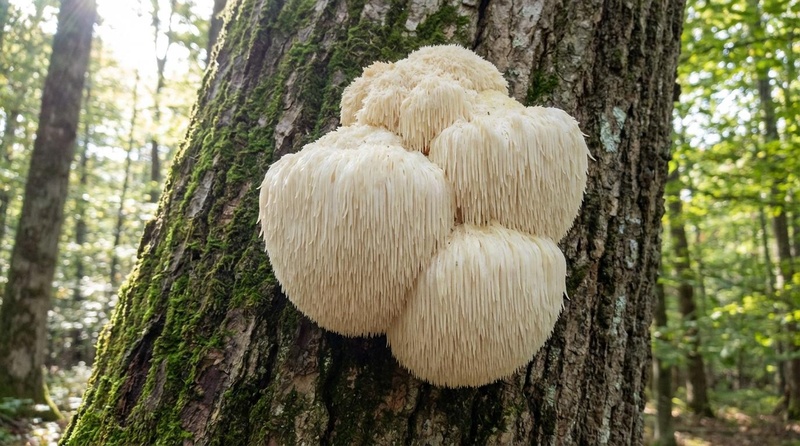
猴头菇(Lion's Mane,学名 Hericium erinaceus)是一种在东亚传统上使用的食用和药用蘑菇。与大多数调节神经递质的促智药(nootropics)不同,猴头菇的作用靶点是神经营养因子(neurotrophic factors),特别是刺激神经生长因子(NGF)的合成。这种独特的机制使其成为长期大脑健康、记忆力保护以及潜在神经再生的热门干预手段。
¶ 作用机制
猴头菇的认知功效归因于两大类生物活性化合物:
- 猴头菌酮 (Hericenones):存在于子实体中,这些化合物被认为能够刺激 NGF 的合成。
- 猴头菌素 (Erinacines):存在于菌丝体中,这些小分子能够穿透血脑屏障,并强效诱导 NGF 的产生[1]。
通过增加 NGF,猴头菇支持基底前脑中胆碱能神经元的维持,并促进神经突的生长(轴突和树突的生长)。
¶ 临床证据
¶ 认知衰退与 MCI
被引用最多的研究(Mori et al., 2009)涉及 50-80 岁患有轻度认知障碍(MCI)的日本男性和女性。与安慰剂组相比,每天服用 3 克猴头菇(Lion's Mane)的组在认知功能量表上的得分显著提高。然而,在停止补充 4 周后,得分恢复到基线水平,这表明需要持续使用[2]。
¶ 焦虑与情绪
一项针对年轻人的研究发现,补充 4 周的猴头菇可降低抑郁和焦虑的得分,这可能是通过抗炎途径或增加海马体神经发生来实现的[3]。
¶ 剂量与安全性
- 剂量:临床试验通常每天使用 1,000–3,000 mg 的干燥蘑菇粉。提取物的剂量通常较低(500–1000 mg),具体取决于浓度。
- 安全性:通常具有良好的耐受性。一些用户报告有轻微的消化系统不适。理论上存在抑制 DHT (dihydrotestosterone) 的风险,尽管这在人体中尚未得到充分证实。
¶ 参考资料
Ma, B. J., et al. (2010). Hericenones and erinacines: stimulators of nerve growth factor (NGF) biosynthesis in Hericium erinaceus. Mycology. ↩︎
Mori, K., et al. (2009). Improving effects of the mushroom Yamabushitake (Hericium erinaceus) on mild cognitive impairment: a double-blind placebo-controlled clinical trial. Phytotherapy Research. ↩︎
Nagano, M., et al. (2010). Reduction of depression and anxiety by 4 weeks Hericium erinaceus intake. Biomedical Research. ↩︎