¶ 烟酰胺单核苷酸 (NMN)
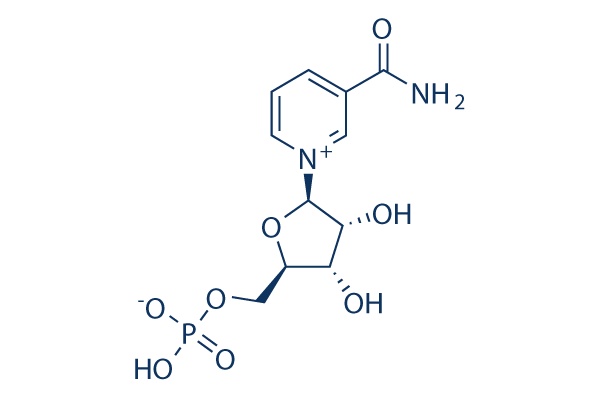
高达 1250 毫克/天的人体试验未显示出严重的不良事件。
注意:理论上存在消耗甲基的风险;通常与 TMG 搭配使用。
¶ 标准方案
- 剂量(常规):每天 300–600 毫克。
- 剂量(运动/治疗):在有氧能力的试验中,每天使用剂量高达 900–1000 毫克。
- 剂型:首选脂质体 (Liposomal) 递送,以保护 NMN 免受胃酸和肠道细菌的破坏。舌下含服粉剂是绕过首过代谢的次优选择。
- 时间:在早晨服用(NAD+ 水平遵循昼夜节律)。
- 协同作用:通常与 三甲基甘氨酸 (TMG)(500–1000 毫克)搭配使用以支持甲基化,并与白藜芦醇 (Resveratrol) 或紫檀芪 (Pterostilbene) 搭配以激活 Sirtuins。
- 储存:如果不是稳定型或脂质体剂型,必须保持低温(冷藏)。NMN 在高温/高湿环境下会降解为烟酰胺 (NAM)。
¶ 核心结论
NMN 是目前用于恢复不断下降的 NAD+ 水平最受欢迎的干预措施。与其前体烟酰胺核糖 (NR) 不同,NMN 已在人体中证明了对肌肉胰岛素敏感性和有氧能力的特定益处。经过多年的监管争议,FDA 于 2025 年底确认了其作为膳食补充剂的合法地位。
¶ 益处与应用
¶ 代谢健康与胰岛素敏感性
NMN 展现出改善骨骼肌处理葡萄糖方式的独特能力。在 2021 年的一项里程碑式研究中,患有糖尿病前期的绝经后妇女每天服用 250 毫克 NMN,持续 10 周后,其肌肉胰岛素敏感性提高了 25%[1]。这种效果可与某些处方疗法和显著的体重减轻相媲美。
¶ 身体机能与有氧能力
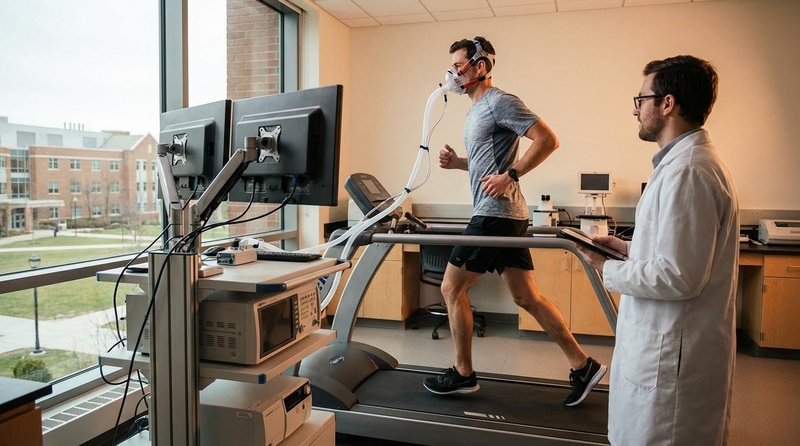
最近的试验表明,NMN 可以增强耐力。每天服用 600–1200 毫克的业余跑步者在通气阈值时的摄氧量 (VO2) 和功率输出均有改善[2]。在老年人中,每日补充已被证明可以改善六分钟步行距离,这是功能性活动能力的一个关键指标[3]。
¶ 细胞能量与修复
通过提升 NAD+,NMN 能够促进:
- 线粒体功能:改善 ATP 的产生,为身体和精神提供能量。
- DNA 修复:支持修复基因组损伤的 PARP 酶。
- Sirtuin 激活:为调节炎症和抗压能力的“长寿基因”(SIRT1–7)提供动力。
¶ 现实检验
¶ 1. “FDA 风波” (2022–2025)
由于监管行动,NMN 的可获得性一直存在波动。
- 禁令 (2022/2023):2022 年底,FDA 宣布 NMN 为“药物”(由于 Metro International Biotech 提交了研究性新药申请),并将其排除在补充剂之外。Amazon 随后于 2023 年 3 月禁止了其销售。
- 反转 (2025):在 Natural Products Association (NPA) 提起诉讼后,FDA 于 2025 年 9 月 29 日改变了立场,确认 NMN 合法用于膳食补充剂,并引用证据表明其在药物授权之前就已作为补充剂在市场上销售[4][5]。
- 现状:NMN 在美国市场再次合法并广泛销售。
¶ 2. 生物利用度:“肠道屏障”
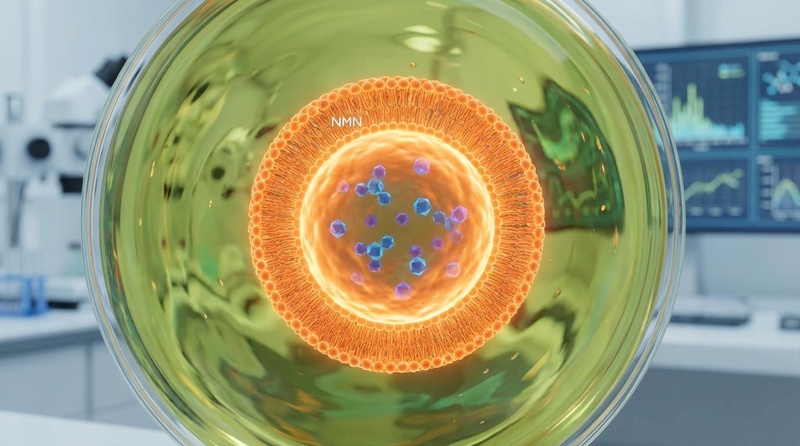
标准的口服 NMN 在肠道中很大程度上是不稳定的。稳定同位素研究表明,很大一部分口服 NMN 在吸收前被肠道细菌脱氨基转化为 Nicotinamide (NAM),然后在肝脏中重新合成为 NAD+[6]。
- 脂质体的优势:2025 年的一项头对头试验发现,与标准粉末相比,脂质体 NMN 使血液中的 NAD+ 水平提高了 84%,这可能是通过保护分子免受胃液和细菌降解来实现的[7]。
¶ 3. 储存注意事项
NMN 对热和水分很敏感。在炎热/潮湿的环境中,它会降解为 Nicotinamide,高浓度的 Nicotinamide 实际上会抑制 Sirtuins。除非您购买的是经过特殊稳定处理的形式(通常是结晶)或脂质体产品,否则请将您的 NMN 储存在冰箱中。
¶ 证据室
¶ 作用机制
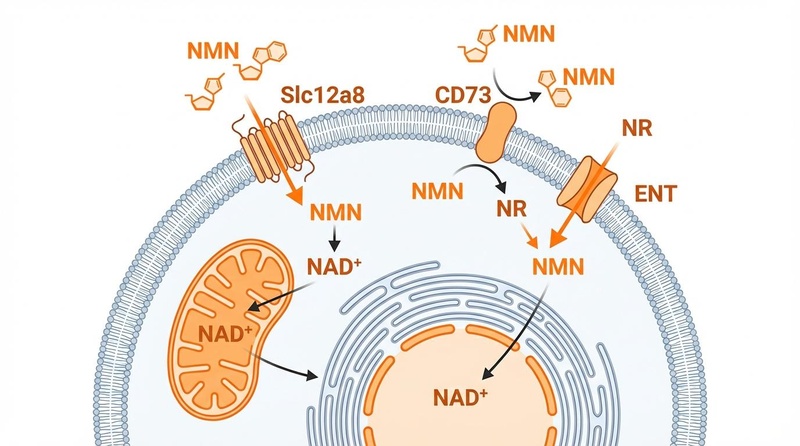
NMN 进入细胞以补充 NAD+ 库,而 NAD+ 会随着年龄的增长而稳步下降(在 20 岁到 60 岁之间下降约 50%)。
- 进入途径:NMN 可以通过 Slc12a8 转运蛋白(在肠道中高表达)直接进入细胞,或者在细胞外被 CD73 转化为 NR,通过 ENT 转运蛋白进入,并由 NRK 酶重新磷酸化为 NMN[8]。
- 下游效应:一旦进入细胞内部,NMN 就会被 NMNAT 酶转化为 NAD+。然后,这些 NAD+ 会被 Sirtuins(脱乙酰酶)和 PARPs(DNA 修复)消耗,产生副产物 Nicotinamide (NAM),NAM 随后会被循环利用重新生成 NMN(补救途径,Salvage Pathway)。
¶ 证据总结表(人体结果)
| 研究 | 参与者 | 剂量/持续时间 | 主要结果 | 确定性 (GRADE) |
|---|---|---|---|---|
| Yoshino et al. (2021)[1:1] | 25 名糖尿病前期女性 | 250 mg/天(10 周) | ↑ 25% 肌肉胰岛素敏感性 (p<0.01) | 高 |
| Yi et al. (2023)[3:1] | 80 名健康成人(40-65岁) | 300–900 mg/天(60 天) | ↑ 血液 NAD+ (p<0.001) ↑ 6分钟步行距离 (p<0.01) |
中 |
| Liao et al. (2021)[2:1] | 48 名跑步者 | 300–1200 mg/天(6 周) | ↑ 有氧能力 (VO2) (剂量依赖性,p<0.05) | 中 |
| Kawakami et al. (2025)[7:1] | 15 名健康男性 | 350 mg 脂质体 vs 标准 | 脂质体 ↑ NAD+ 达 84%(与标准相比,p=0.001) | 低(样本量小) |
| Igarashi et al. (2022)[9] | 42 名老年男性 | 250 mg/天(12 周) | ↑ NAD+;握力或内脏脂肪无变化 | 中 |
¶ 安全性与毒理学
- 甲基化 (Methylation):高剂量 NMN(与 NR 类似)需要甲基基团来排泄其副产物 Nicotinamide。虽然高达 1000 mg 的试验尚未显示同型半胱氨酸危险升高,但长期消耗甲基库是一个理论上的风险。建议:与 TMG(三甲基甘氨酸,Trimethylglycine)共同补充。
- 肿瘤促进:因为肿瘤会消耗 NAD+,理论上存在 NMN 可能助长癌症生长的担忧。然而,在肺癌模型中的动物研究(例如,Pan et al., 2021)显示 NMN 不会促进肿瘤生长[10]。
- 最大耐受剂量:已确定的人体安全性高达 1250 mg/天。
¶ 比较:NMN 与 Nicotinamide Riboside (NR)
- 功效:两者均能有效提升 NAD+。2026 年的一项头对头比较表明,在短期内,NR 提升血液 NAD+ 的幅度可能略高(2.3 倍 vs 1.7 倍)[11],但 NMN 在胰岛素敏感性方面具有更强的数据支持(而 NR 的试验未能显示出这一点)。
- 稳定性:NR(氯化物形式)具有货架期稳定性(shelf-stable);除非采用脂质体或经过稳定化处理,否则 NMN 需要冷藏。
- 转运:NMN 使用 Slc12a8;NR 使用 ENT 转运蛋白。
¶ 参考文献
Yoshino, M., et al. (2021). Nicotinamide mononucleotide increases muscle insulin sensitivity in prediabetic women. Science, 372(6547), 1224–1229. https://doi.org/10.1126/science.abe9985 ↩︎ ↩︎
Liao, B., et al. (2021). Nicotinamide mononucleotide supplementation enhances aerobic capacity in amateur runners: a randomized, double-blind study. Journal of the International Society of Sports Nutrition, 18, 54. https://doi.org/10.1186/s12970-021-00442-4 ↩︎ ↩︎
Yi, L., et al. (2023). The efficacy and safety of β-nicotinamide mononucleotide (NMN) supplementation in healthy middle-aged adults: a randomized, multicenter, double-blind, placebo-controlled, parallel-group, dose-dependent clinical trial. GeroScience, 45, 29–43. https://doi.org/10.1007/s11357-022-00705-1 ↩︎ ↩︎
U.S. Food and Drug Administration. (2025, September 29). Response to Citizen Petition from Natural Products Association regarding NMN. https://www.npanational.org/news/fda-reinstates-nmn-as-dietary-supplement-after-npa-lawsuit/ ↩︎
CIRS Group. (2025). US FDA Confirms NMN Lawful in Dietary Supplements. https://www.cirs-group.com/en/food/us-fda-confirms-nmn-lawful-in-dietary-supplements ↩︎
Christen, S., et al. (2025). A randomized, open-label, placebo-controlled study to evaluate the effects of three NAD+ precursors on NAD+ levels and gut health in healthy adults. Nature Metabolism. https://www.nature.com/natmetab/ ↩︎
Kawakami, S., et al. (2025). Intervention Study Comparing Blood NAD+ Concentrations with Liposomal and Non-Liposomal Nicotinamide Mononucleotide. Annals of Clinical and Medical Case Reports, 14(11). https://acmcasereport.org/ ↩︎ ↩︎
Grozio, A., et al. (2019). Slc12a8 is a nicotinamide mononucleotide transporter. Nature Metabolism, 1, 47–57. https://doi.org/10.1038/s42255-018-0009-4 ↩︎
Igarashi, M., et al. (2022). Chronic nicotinamide mononucleotide supplementation elevates blood nicotinamide adenine dinucleotide levels and alters muscle motility in healthy old men. NPJ Aging, 8, 5. https://doi.org/10.1038/s41514-022-00084-z ↩︎
Pan, F., et al. (2021). Effect of β-nicotinamide mononucleotide on tumor formation and growth in a lung cancer mouse model. Materials Chemistry Frontiers, 5, 995-1002. https://doi.org/10.1039/D0QM00897D ↩︎
Berven, H., et al. (2026). NR-SAFE: a randomized, double-blind safety trial of high dose nicotinamide riboside in Parkinson's disease. Nature Communications, 14, 7793. https://doi.org/10.1038/s41467-023-43514-6 ↩︎