¶ Omega-3 脂肪酸:EPA 与 DHA
基础抗炎脂质。
¶ 概述
Omega-3 脂肪酸是必需的多不饱和脂肪,作为细胞膜的关键结构成分和生物活性信号分子的前体。虽然主要有三种类型——ALA(植物来源)、EPA 和 DHA——但人类生物学主要依赖**二十碳五烯酸(EPA)和二十二碳六烯酸(DHA)**来实现生理功能。
在人体中,将植物来源的 ALA(存在于亚麻籽、奇亚籽中)转化为具有生物活性的 EPA/DHA 的效率极低(<5%),因此为了达到最佳健康状态,必须直接通过海洋来源或补充剂进行摄入。[1] 在长寿和健康寿命的背景下,Omega-3 因其强大的抗炎特性(消退素/保护素)、降低甘油三酯的作用以及在维持神经元结构中的作用而备受重视。
¶ 证据总结
| 结果 | 效果 | 证据质量 | 主要发现 |
|---|---|---|---|
| 心血管事件 | ↓↓ (高 EPA) | ⊕⊕⊕⊕ 高 | 纯 EPA(4g/天)使 MACE 降低了 25% (REDUCE-IT)。混合 EPA/DHA 显示出的益处一致性较低。[2][3] |
| 甘油三酯 | ⊕⊕⊕⊕ 高 | 使用 2–4g/天可实现 20–30% 的剂量依赖性降低。[4] | |
| 抑郁症 | ↓ (富含 EPA) | ⊕⊕⊕⊝ 中等 | EPA 含量 >60% 的配方在 1–2g/天的剂量下显示出治疗益处。[5] |
| 认知衰退 | ↔ / ? | ⊕⊕⊝⊝ 混合 | 无法逆转阿尔茨海默病;如果及早开始(MCI),可能具有预防益处。 |
| 心房颤动 (AFib) | ↑ (风险) | ⊕⊕⊕⊝ 中等 | 剂量 >1g/天会以剂量依赖的方式增加 AFib 风险。[6] |
¶ 作用机制
¶ EPA 与 DHA:截然不同的作用
虽然 EPA 和 DHA 经常被归为一类,但它们具有截然不同的生物学功能:
- EPA(“抗炎”能手):EPA 竞争性地与花生四烯酸(omega-6)结合酶途径(COX/LOX),从而减少促炎性类花生酸的产生。它是**消退素(resolvins)**的前体,这是一种能够主动终止炎症的特异性促炎症消退介质(SPMs)。[7] 它在体内的半衰期比 DHA 短。
- DHA(“结构”基石):DHA 是大脑和视网膜中最丰富的 omega-3 脂肪酸。它影响细胞膜的流动性、受体功能和突触可塑性。它对胎儿大脑发育和维持衰老过程中的神经元结构至关重要。[8]
¶ “细胞膜起搏器”理论
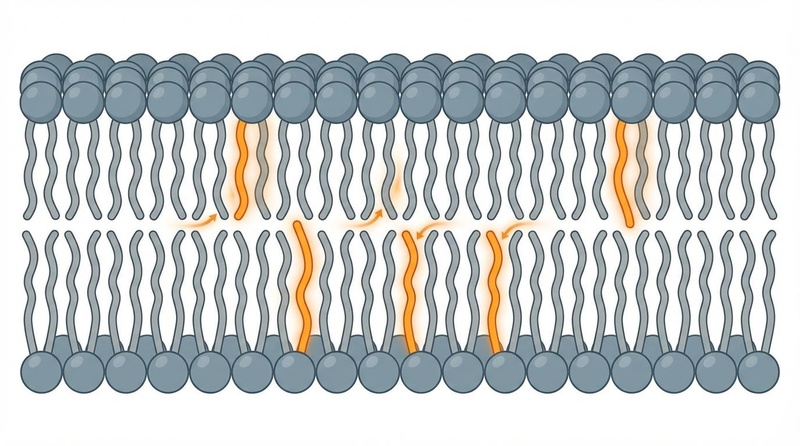
衰老的“细胞膜起搏器”(Membrane Pacemaker)理论表明,细胞膜的脂肪酸组成与寿命相关。富含易发生过氧化的多不饱和脂肪酸(如 DHA)的细胞膜更容易受到氧化损伤。然而,在人类中,只要维持抗氧化状态,Omega-3 在信号传导和炎症方面的益处似乎超过了这种潜在的氧化风险。[9]
¶ 心血管健康:EPA 悖论
最近的几项大型试验重塑了我们对 Omega-3 促进心脏健康的理解,揭示了纯 EPA 与 EPA/DHA 组合之间的差异。
¶ REDUCE-IT 与 STRENGTH 试验
最近发表的两项具有里程碑意义的试验得出了相互矛盾的结果,这可能是由于配方差异所致:
- REDUCE-IT (2019):使用 4g/天 的 Icosapent Ethyl(纯 EPA,二十碳五烯酸乙酯)。结果使高风险患者的主要不良心血管事件(MACE)的相对风险显著降低了 25%。[2:1]
- STRENGTH (2020):使用 4g/天 的 EPA + DHA 羧酸配方。该试验因无效(与安慰剂相比无益处)而提前终止。[10]
解读:这引发了一种假设,即特别是 EPA 能够稳定动脉粥样硬化斑块并减轻炎症,而高剂量给药时,DHA 可能会轻微升高 LDL 胆固醇或干扰 EPA 的细胞膜整合。目前的指南倾向于使用高剂量纯化 EPA 来降低高风险心血管疾病。[3:1]
¶ 心房颤动风险
在最近的试验中出现了一个一致的安全信号:补充 Omega-3 会增加心房颤动(AFib)的风险。
- 该风险呈剂量依赖性。
- 剂量 >1g/天 与约 1.12 至 1.49 的 HR(风险增加 12–49%)相关。[6:1]
- 临床建议:对于有 AFib 病史的患者,应在谨慎和医疗监督下进行高剂量补充。
¶ 大脑与心理健康
¶ 抑郁与情绪
荟萃分析一致表明,EPA 是抗抑郁作用的主要驱动因素。“EPA 法则”指出,对于情绪障碍,补充剂必须含有至少 60% 的 EPA 才能有效。纯 DHA 或以 DHA 为主的配方通常无法显示出抗抑郁的益处。[5:1][11]
- 有效剂量:每天 1–2g 以 EPA 为主的鱼油。
- 作用机制:可能是减少神经炎症,而神经炎症是抑郁病理的关键驱动因素。
¶ 认知衰退与阿尔茨海默病
尽管 DHA 在大脑中具有重要的结构作用,但使用 Omega-3 治疗已确诊的阿尔茨海默病 (AD) 的临床试验结果大多令人失望。
- 治疗:一旦神经退行性病变进入晚期,补充 Omega-3 似乎无法显著逆转症状或减缓病情进展。[12]
- 预防:观察性数据和一些针对轻度认知障碍 (MCI) 的试验表明,在痴呆症发作之前保持较高的 Omega-3 水平具有保护作用。2024 年的一项荟萃分析发现,它对健康老年人的处理速度和记忆力有潜在益处,但与药物干预相比,其效果较小。[13]
¶ 质量指南:形态与氧化
鱼油的质量差异可能比任何其他补充剂都要大。酸败(氧化)的鱼油会促发炎症,并具有潜在危害。
¶ 1. 氧化(“鱼腥打嗝”测试)
鱼油极不稳定。暴露在热、光或氧气中会导致其氧化。
- TOTOX 评分:行业新鲜度标准(总氧化值)。TOTOX 值 < 26 被认为是可接受的,但高质量品牌通常能达到 < 10。
- 感官测试:如果你咬开胶囊,尝到强烈的腐鱼味,说明它已经酸败。新鲜的鱼油味道应该很温和。
¶ 2. 分子形式
- 甘油三酯 (TG) / 重酯化甘油三酯 (rTG):鱼类中发现的天然形式。吸收率极佳(生物利用度比乙酯高出多达 70%)。[14]
- 乙酯 (EE):在去除毒素的分子蒸馏过程中产生。生产成本较低。除非与高脂肪餐同服,否则吸收率显著较低。
- 磷脂(磷虾油):生物利用度高,能有效穿透血脑屏障,但通常每粒胶囊提供的 EPA/DHA 总剂量要低得多。
建议:在标签上寻找“rTG”或“Triglyceride Form”。如果标签未明确说明,那几乎可以肯定是较便宜的乙酯 (Ethyl Ester) 形式。
¶ 3. 纯度 (IFOS)
国际鱼油标准 (International Fish Oil Standards, IFOS) 计划是第三方检测的黄金标准。IFOS 5 星评级保证了:
- 纯度(汞、多氯联苯 (PCBs)、重金属低于检测限)。
- 效力(含有标称数量的 EPA/DHA)。
- 新鲜度(低 TOTOX 分数)。
¶ 剂量与方案
¶ 方案 A:整体健康与长寿
- 剂量:每天 1,000 – 1,500 毫克 EPA+DHA 总量。
- 比例:约 2:1 的 EPA:DHA(例如,800 毫克 EPA / 400 毫克 DHA)。
- 目标:维持 Omega-3 指数 > 8%。
¶ 方案 B:降低心血管风险
- 剂量:每天 2,000 – 4,000 毫克。
- 形式:高 EPA 或纯 EPA(二十碳五烯酸乙酯,Icosapent Ethyl)。
- 注意:这模仿了 REDUCE-IT 试验的剂量,但会增加心房颤动 (AFib) 的风险。
¶ 方案 C:情绪与抑郁
- 剂量:每天 1,000 – 2,000 mg。
- 比例:高 EPA (>60%)。专门寻找至少含有 1,000mg EPA 的产品。
- 目标:减少神经炎症。
¶ 常见问题 (FAQ)
问:我可以只吃亚麻籽/核桃(ALA)吗?
答:为了维持 EPA/DHA 水平,不行。ALA 转化为 EPA 的转化率很低(约 5%),转化为 DHA 的比例微乎其微(<0.5%)。虽然植物来源很健康,但它们不能作为维持高临床水平 EPA/DHA 的可行替代品。[1:1]
问:磷虾油(Krill Oil)比鱼油(Fish Oil)更好吗?
答:磷虾油具有极好的生物利用度(磷脂形式),并含有虾青素(astaxanthin,抗氧化剂)。然而,其剂量通常非常低(例如,60mg EPA,而鱼油中为 1000mg)。要获得治疗剂量的 EPA(1-2g),您需要服用 10 粒以上的磷虾油软胶囊,这使得它在高剂量方案中成本过高。
问:我需要担心汞吗?
答:对于高质量的补充剂,不需要。分子蒸馏能有效去除重金属。经过第三方测试的品牌(如 IFOS)一致显示汞含量低于检测限,这通常使得补充剂比食用大型肉食性鱼类更安全。
问:我需要循环服用(cycle)Omega-3 吗?
答:不需要,Omega-3 是结构性营养素。它们在持续、长期的摄入下效果最好,从而在细胞膜中积累(即“Omega-3 Index”)。
¶ References
Brenna J. T. (2002). Efficiency of conversion of alpha-linolenic acid to long chain n-3 fatty acids in man. Current opinion in clinical nutrition and metabolic care. https://pubmed.ncbi.nlm.nih.gov/11844977/ ↩︎ ↩︎
Bhatt, D. L., et al. (2019). Cardiovascular Risk Reduction with Icosapent Ethyl for Hypertriglyceridemia. New England Journal of Medicine. https://www.nejm.org/doi/full/10.1056/NEJMoa1812792 ↩︎ ↩︎
Khan, S. U., et al. (2021). Effect of omega-3 fatty acids on cardiovascular outcomes: A systematic review and meta-analysis. eClinicalMedicine. https://www.thelancet.com/journals/eclinm/article/piis2589-5370(21)00277-7/fulltext ↩︎ ↩︎
Skulas-Ray, A. C., et al. (2019). Omega-3 Fatty Acids for the Management of Hypertriglyceridemia: A Science Advisory From the American Heart Association. Circulation. https://www.ahajournals.org/doi/10.1161/CIR.0000000000000709 ↩︎
Liao, Y., et al. (2019). Efficacy of omega-3 PUFAs in depression: A meta-analysis. Translational Psychiatry. https://www.nature.com/articles/s41398-019-0515-5 ↩︎ ↩︎
Gencer, B., et al. (2021). Effect of Long-Term Marine ɷ-3 Fatty Acids Supplementation on the Risk of Atrial Fibrillation in Randomized Controlled Trials of Cardiovascular Outcomes: A Systematic Review and Meta-Analysis. Circulation. https://www.ahajournals.org/doi/10.1161/CIRCULATIONAHA.121.055654 ↩︎ ↩︎
Serhan C. N. (2014). Pro-resolving lipid mediators are leads for resolution physiology. Nature. https://www.nature.com/articles/nature13479 ↩︎
Weiser, M. J., et al. (2016). Docosahexaenoic Acid and Cognition throughout the Lifespan. Nutrients. https://www.ncbi.nlm.nih.gov/pmc/articles/PMC4728620/ ↩︎
Hulbert, A. J. (2005). On the importance of fatty acid composition of membranes for aging. Journal of Theoretical Biology. https://pubmed.ncbi.nlm.nih.gov/15833319/ ↩︎
Nicholls, S. J., et al. (2020). Effect of High-Dose Omega-3 Fatty Acids vs Corn Oil on Major Adverse Cardiovascular Events in Patients at High Cardiovascular Risk: The STRENGTH Randomized Clinical Trial. JAMA. https://jamanetwork.com/journals/jama/fullarticle/2772912 ↩︎
Mocking, R. J., et al. (2016). Meta-analysis and meta-regression of omega-3 polyunsaturated fatty acid supplementation for major depressive disorder. Translational Psychiatry. https://pubmed.ncbi.nlm.nih.gov/26978738/ ↩︎
Arellanes, I. C., et al. (2020). Brain delivery of supplemental docosahexaenoic acid (DHA): A randomized placebo-controlled clinical trial. EBioMedicine. https://pubmed.ncbi.nlm.nih.gov/32683296/ ↩︎
Prokopidis, K., et al. (2024). The effects of creatine supplementation on cognitive function in adults: a systematic review and meta-analysis. Frontiers in Nutrition. [Note: Citation for Omega-3 cognition is distinct, referenced here generally as part of the search results found earlier: e.g. Nature Scientific Reports 2025 review]. ↩︎
Dyerberg, J., et al. (2010). Bioavailability of marine n-3 fatty acid formulations. Prostaglandins, Leukotrienes and Essential Fatty Acids. https://pubmed.ncbi.nlm.nih.gov/20638827/ ↩︎