¶ Biomarkers by System
This clinician-focused guide provides a physiological framework to map biomarkers, standardize pre-analytical patient preparation, and control for biological and assay-specific interferences.
¶ If you do only three things
- Mandate a biotin washout: Suspend biotin-containing supplements prior to drawing streptavidin-biotin-based immunoassays to prevent competitive interference from causing clinically misleading false-low or false-high results [1][2][3].
- Standardize pre-draw preconditions: Draw routine lipid panels in the non-fasting state for cardiovascular risk prediction under international guidelines, which simplifies laboratory sampling and improves patient compliance [4][5], while advising patients to minimize strenuous physical exercise prior to general metabolic profiling.
- Prioritize risk-adjusted clinical targets: Evaluate absolute atherogenic exposure with Apolipoprotein B (
ApoB{.tag-biomarker}) and treat to target risk tiers under the 2019 ESC/EAS guidelines (e.g.,<55 mg/dLLDL-C and<85 mg/dLnon-HDL-C for very high-risk patients) [6], using ApoB to more accurately reflect total atherogenic particle number when calculated LDL-C is less reliable [7][8].
¶ What is actually going on
The diagnostic utility of systemic biomarker tracking depends entirely on controlling pre-analytical variables and understanding how lifestyle, preparation, and assay architecture bias clinical data. When patient preparation is unstandardized, normal physiology can be misinterpreted as acute pathology.
For example, ApoB{.tag-biomarker} (a blood marker of cardiovascular risk that measures the total number of plaque-forming particles) provides a much more stable and accurate assessment of atherogenic exposure than calculated LDL-C, especially in patients with metabolic syndrome or elevated triglycerides [7:1][8:1]. In these metabolic populations, standard equations to calculate LDL-C are less reliable and frequently inaccurate [7:2][8:2]. Furthermore, normal food and fluid intake causes transient intravascular volume expansion, resulting in mild hemodilution. This hemodilution causes minor postprandial (post-meal) decreases in total cholesterol, LDL-C, and albumin, confirmative of a physical dilution effect rather than true metabolic clearance [9].
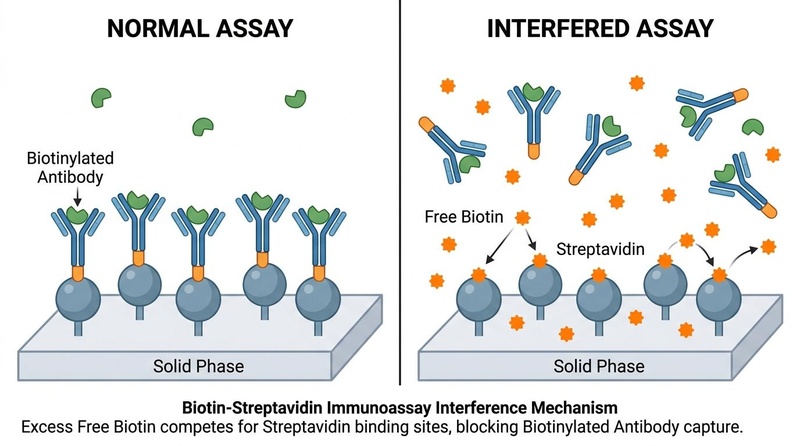
Biochemical assay architecture is another major source of hidden bias. High-throughput automated laboratory analyzers extensively use streptavidin-biotin affinity chromatography to capture hormones and other analytes. Exogenous free circulating biotin (vitamin B7, highly prevalent in over-the-counter hair and nail supplements) binds competitively to the streptavidin-coated solid-phase beads, preventing the assay's signaling antibodies from attaching [1:1][10][11][12]. Depending on whether a sandwich or competitive immunoassay format is used, this competitive inhibition can falsely suppress or falsely elevate hormone levels, simulating severe endocrine pathology like thyrotoxicosis [1:2][3:1][10:1].
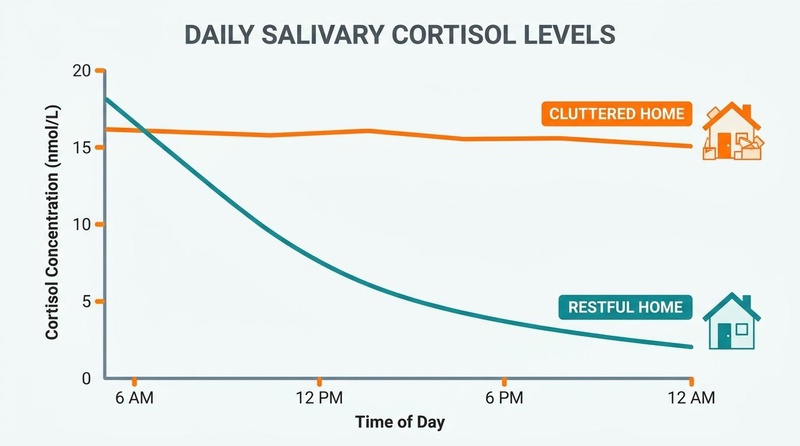
Similarly, hormone bioavailabilities vary based on whether they are free or bound to carrier proteins. Diurnal adrenal monitoring of salivary cortisol represents a primary clinical tracking axis. Standard automated salivary immunoassays suffer from cross-reactivity with salivary cortisone and other matrix components [13]. To avoid this analytical cross-reactivity and accurately assess glucocorticoid status, high-resolution mass spectrometry (LC-MS/MS) is preferred to resolve cortisol and cortisone levels independently [13:1].
¶ Interventions ranked by evidence
| Intervention | Evidence | What to do | Notes |
|---|---|---|---|
| Biotin Washout | High | Suspend biotin supplements prior to any streptavidin-biotin immunoassays. | |
| Non-Fasting Lipid Assessment | High | Draw standard lipid panels in the non-fasting state for routine cardiovascular screening. | |
| ApoB Target Optimization | High | Measure ApoB to guide lipid-lowering therapies, targeting <55 mg/dL LDL-C and <85 mg/dL non-HDL-C in very high-risk cardiovascular patients. |
|
| CAC Scoring for Risk Reclassification | High | Perform a non-contrast CT coronary artery calcium (CAC) scan in borderline or intermediate-risk patients. | |
| STOP-BANG Sleep Apnea Screening | High | Administer the STOP-BANG questionnaire to patients with persistent metabolic or vascular anomalies. | |
| Exercise Hold (24-48 Hours) | High | Rest from intense muscular workouts for 24–48 hours prior to liver and muscle blood panels. | |
| Consolidated MCED Screening | Moderate | Limit MCED testing to high-risk cohorts, preferring a single multi-cancer test over multiple single-cancer screens. |
¶ Biomarkers by Physiological System
Structuring clinical investigations around organized organ systems ensures a methodical approach to tracking and risk assessment. Biomarkers are classified below into Routine Panels and Risk-Based Additions.
¶ 1. Cardiovascular / Lipids
- Routine Panels: Total Cholesterol{.tag-biomarker}, HDL-C{.tag-biomarker}, LDL-C{.tag-biomarker}, Triglycerides
- Risk-Based Additions: ApoB{.tag-biomarker}, Lp(a){.tag-biomarker}, and non-contrast CT Coronary Artery Calcium (CAC) Scoring [15:1].
- Clinical Targets & Consensus: Under joint ESC/EAS guidelines, very high-risk cardiovascular patients should be treated to a primary LDL-C target of
<55 mg/dLand a secondary non-HDL-C target of<85 mg/dL[6:1]. ApoB{.tag-biomarker} serves as a superior marker of total atherogenic particle exposure [7:4][8:4]. Measuring Lp(a){.tag-biomarker} at least once in adults is recommended to identify genetically driven, high-risk individuals [17], with subsequent consensus guidelines providing practical advice on how these concentrations can modulate clinical risk factor management [18]. Additionally, incorporating systematic Home Blood Pressure Monitoring is recommended for high-risk patients.
¶ 2. Glycemic / Metabolic
- Routine Panels: Fasting Glucose{.tag-biomarker}, HbA1c
- Risk-Based Additions: Fasting Insulin{.tag-biomarker}, HOMA-IR{.tag-biomarker}, and Continuous Glucose Monitoring metrics.
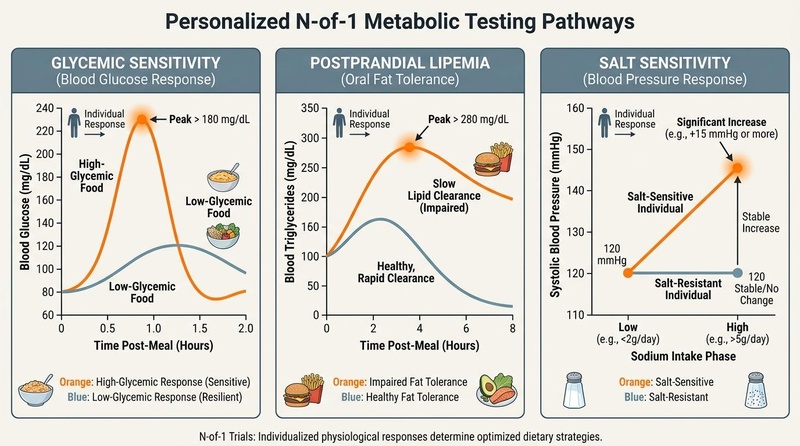
- Clinical Targets & Consensus: Standard risk management focuses on maintaining fasting glucose
<100 mg/dLand HbA1c{.tag-biomarker}<5.7%. In pediatric type 2 diabetes mellitus (T2DM), dyslipidemia is highly prevalent and closely linked to glycemic control [19], whereas in adult T2DM patients, intensive lipid-lowering therapy is frequently required to achieve recommended risk-adjusted targets [20][6:2]. Under joint 2019 ESC/EAS guidelines, T2DM patients at very high cardiovascular risk require intensive lipid-lowering therapies to meet recommended target thresholds (such as LDL-C<55 mg/dLand non-HDL-C<85 mg/dL), as the vast majority of these patients otherwise fail to achieve these target levels [20:1][6:3].
¶ 3. Hepatic
- Routine Panels: ALT{.tag-biomarker} (Alanine Aminotransferase), AST{.tag-biomarker} (Aspartate Aminotransferase), ALP{.tag-biomarker} (Alkaline Phosphatase), Total Bilirubin{.tag-biomarker}, GGT{.tag-biomarker} (Gamma-Glutamyl Transferase)
- Risk-Based Additions: Add condition-specific liver testing only after clinical risk assessment and interpretation of the routine panel.
- Clinical Targets & Consensus: Interpret liver markers as a pattern and against the laboratory's reference interval; do not treat a single isolated result as a diagnosis.
¶ 4. Renal / Electrolytes
- Routine Panels: Creatinine{.tag-biomarker}, BUN{.tag-biomarker} (Blood Urea Nitrogen), eGFR{.tag-biomarker} (estimated Glomerular Filtration Rate), Sodium{.tag-biomarker}, Potassium{.tag-biomarker}, Chloride{.tag-biomarker}, Bicarbonate
- Risk-Based Additions: Cystatin C{.tag-biomarker}, Urine Albumin-to-Creatinine Ratio (UACR{.tag-biomarker})
- Clinical Targets & Consensus: A normal eGFR{.tag-biomarker} exceeds
90 mL/min/1.73m². If creatinine-based eGFR is borderline or suspected to be skewed by high muscle mass, Cystatin C{.tag-biomarker} must be ordered as a muscle-mass-independent filtration marker.
¶ 5. Hematologic
- Routine Panels: Red Blood Cell Count (RBC{.tag-biomarker}), Hemoglobin{.tag-biomarker}, Hematocrit{.tag-biomarker}, White Blood Cell Count (WBC{.tag-biomarker}) with differential, Platelets
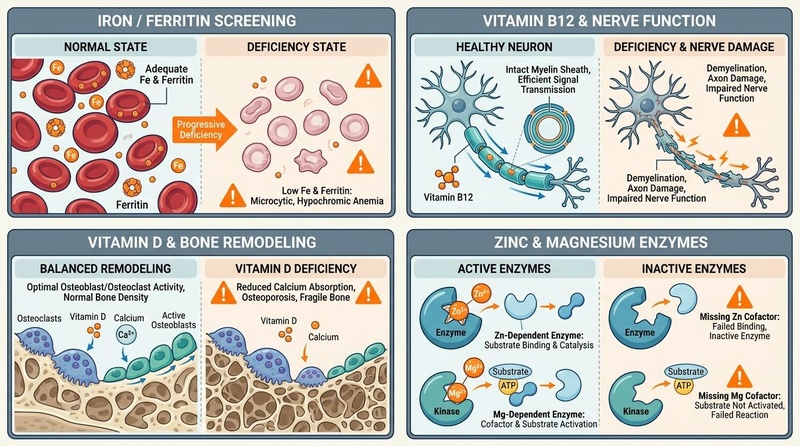
- Risk-Based Additions: Ferritin{.tag-biomarker}, Serum Iron{.tag-biomarker}, Total Iron Binding Capacity (TIBC{.tag-biomarker})
- Clinical Targets & Consensus: Hematological indices must be protected against pre-analytical dehydration, which causes artificial hemoconcentration (falsely elevating hematocrit). Ferritin{.tag-biomarker} should be monitored as a key intracellular iron storage marker, though elevations must be cross-referenced with systemic inflammation (as ferritin behaves as an acute-phase reactant).
¶ 6. Endocrinologic / Thyroid
- Routine Panels: TSH{.tag-biomarker} (Thyroid-Stimulating Hormone)
- Risk-Based Additions: free T4{.tag-biomarker}, free T3{.tag-biomarker}, Reverse T3{.tag-biomarker}, Thyroglobulin (Tg{.tag-biomarker}), TBG{.tag-biomarker} (Thyroxine-Binding Globulin) [11:1], Serum/Salivary diurnal Cortisol{.tag-biomarker} and Cortisone{.tag-biomarker} [13:2]
- Clinical Targets & Consensus: Reference ranges for TSH{.tag-biomarker} typically span
0.45 - 4.5 mIU/L. Any clinical suspicion of thyroid dysfunction must account for assay-specific biological and biochemical interferences, such as autoantibodies or circulating biotin, which alter free T4 and free T3 measurements [2:2][21][14:1][22].
¶ 7. Inflammatory
- Routine Panels: high-sensitivity C-reactive protein (hs-CRP{.tag-biomarker})
- Risk-Based Additions: Erythrocyte Sedimentation Rate (ESR{.tag-biomarker}), Interleukin-6 (IL-6{.tag-biomarker})
- Clinical Targets & Consensus: Cardiovascular risk is categorized as low when hs-CRP{.tag-biomarker} is
<1.0 mg/L, moderate at1.0 - 3.0 mg/L, and high when>3.0 mg/L. Persistent unexplained elevations warrant checking secondary markers like IL-6{.tag-biomarker} or ESR{.tag-biomarker} to rule out systemic rheumatological or auto-inflammatory disorders.
¶ 8. Bone / Mineral
- Routine Panels: Calcium{.tag-biomarker}, Phosphate{.tag-biomarker}, Alkaline Phosphatase (ALP{.tag-biomarker})
- Risk-Based Additions: 25-hydroxyvitamin D (25-OHD{.tag-biomarker}), Parathyroid Hormone (PTH{.tag-biomarker}) [1:4][10:2]
- Clinical Targets & Consensus: Optimal bone health parameters target a 25-OHD{.tag-biomarker} concentration of
30 - 100 ng/mL. Standard PTH{.tag-biomarker} measurements (sandwich assays) are highly susceptible to free circulating biotin, resulting in false-low results that can mask underlying hyperparathyroidism or bone turnover disorders [1:5][10:3].
¶ Preparation and Testing Protocols
To maintain the comparability of longitudinal biomarker tracking, pre-analytical preparation must be strictly standardized.
¶ Fasting Status
Standard lipid panels (Total Cholesterol, HDL-C, LDL-C, Triglycerides) are drawn in the non-fasting state for routine cardiovascular screening under international guidelines [4:2][5:2]. Fasting is only indicated if non-fasting triglycerides exceed 5 mmol/L (440 mg/dL) [5:3], or when drawing specific glycemic and metabolic panels that require Fasting Glucose{.tag-biomarker} and Fasting Insulin{.tag-biomarker}.
¶ Time of Collection
While Miller 2013 analyzed salivary collections across a broad range of adult cortisol concentrations, standardizing routine collections to specific diurnal timepoints (such as early morning at 08:00 h or bedtime) is required to control for the marked circadian rhythm of glucocorticoids [13:3][23][24].
¶ Biotin Washout Protocols
- Dose-Level Distinction: Clinical assay interference is primarily driven by high-dose biotin supplements (e.g., 5–10 mg/day) commonly taken for hair, nail, or neurological support, rather than standard over-the-counter multivitamins containing only microgram doses [2:3][21:1].
- Dose-Specific Washout Window: To eliminate analytical interference, the recommended washout period depends on the supplement dosage. For standard high-dose over-the-counter supplements (5–10 mg/day), a washout of 24 to 48 hours is typically sufficient to normalize thyroid and hormone parameters [2:4][21:2]. However, for supraphysiologic doses (100–300 mg/day) commonly used in patients with neurological disorders like multiple sclerosis, a washout period of at least 2 to 5 days is required to ensure complete clearance and prevent diagnostic errors [25].
¶ Physical Activity Holds
Instruct patients to avoid heavy resistance training or extreme cardiovascular exercise for 24 to 48 hours prior to blood draws. Exercise-induced muscle micro-damage leaks intracellular transaminases (AST, ALT) and creatine kinase (CK) into the bloodstream, falsely indicating liver or cardiac pathology.
¶ Hydration Preconditions
Permit and encourage drinking plain, unflavored water prior to collection. Severe dehydration causes artificial hemoconcentration, which falsely inflates hematocrit, red blood cell counts, and total protein concentrations.
¶ False Positives and Cascades
Uncoordinated biomarker panels drawn without pre-analytical controls create "statistical abnormalities" that trigger unnecessary diagnostic cascades.
¶ Reference Ranges vs. Decision Thresholds
A statistical reference interval is mathematically defined as the central 95% of a healthy population. Consequently, a perfectly healthy patient has a 5% probability of returning a false "abnormal" value on any single test purely due to statistical distribution. When ordering a large, uncoordinated panel of 20 parameters, the mathematical probability of returning at least one false "abnormal" result rises to 1 - (0.95)^20 = 64%. This statistical deviation frequently triggers an iatrogenic cascade: unnecessary specialty referrals, expensive imaging (such as CT scans revealing benign incidentalomas), and invasive biopsies that carry true physical risks and severe patient anxiety.
¶ Analytical Interferences
- Heterophile Antibodies: Human anti-mouse antibodies (HAMA) or other heterophile antibodies can bind directly to the capture and detection antibodies used in automated sandwich assays. This binding bridges the antibodies in the absence of the target analyte, generating falsely elevated (false-positive) results.
- Thyroid Hormone Autoantibodies: Autoantibodies directed against thyroxine (T4) or triiodothyronine (T3) bind to the signaling complexes in competitive thyroid hormone assays. Depending on the specific assay chemistry, this interference causes falsely elevated or falsely suppressed thyroid hormone levels, creating discordant thyroid panels that do not match the patient's clinical state [22:1].
¶ Exercise-Induced Confounders
Strenuous muscular exertion (especially eccentric resistance training or long-distance running) causes micro-ruptures in the sarcolemma. Intracellular enzymes leak into systemic circulation, mimicking acute organ damage:
- Creatine Kinase (CK): Regularly spikes to 10 to 100 times the upper limit of normal, peaking 24 to 48 hours post-exercise.
- Transaminases (AST/ALT): Falsely suggests acute hepatitis or drug-induced liver injury. Because AST and ALT are abundant in skeletal muscle, exercise leaks both enzymes in parallel. Clinicians must cross-reference transaminase elevations with biliary markers (GGT{.tag-biomarker} and Total Bilirubin{.tag-biomarker})—which remain entirely normal in exercise-induced muscle leakage—and confirm the patient's exercise history before initiating liver workups.
¶ Weak Longevity Tests
Many widely marketed commercial longevity tests suffer from severe analytical flaws, lack clinical standardization, and fail to provide actionable therapeutic changes.
¶ IgG Food Sensitivity Panels
Commercial IgG panels measure immunoglobulin G antibodies to dozens of food antigens and are marketed as diagnosing "food intolerances." In physiological reality, IgG production is a normal, healthy immunological response reflecting exposure and immunological tolerance, not hypersensitivity or gut pathology. Falsely interpreting high IgG titers as "sensitivities" leads to severe, unnecessary dietary restrictions that increase the risk of nutritional deficiencies, orthorexia, and clinical anxiety.
¶ Epigenetic / Methylation Clocks
Epigenetic methylation clocks are powerful tools for population-level aging research, but they are highly flawed for individual clinical guidance. Methylation patterns exhibit massive intra-individual volatility, fluctuating up to several years based on transient, non-aging factors (such as acute sleep deprivation, a mild viral infection, or temporary systemic inflammation). Because they lack standardized clinical validation and fail to offer specific, actionable therapeutic changes beyond standard metabolic and cardiovascular optimization, their routine clinical utility remains extremely low.
¶ MCED in Low-Risk / Asymptomatic Individuals
Multi-Cancer Early Detection (MCED) tests present a novel blood-based screening paradigm designed to simultaneously target multiple cancer types with a single, low false-positive rate (FPR) [16:1]. This approach contrasts with the traditional "one test for one cancer" model of Single-Cancer Early Detection (SCED), where using multiple individual SCED tests typically yields a higher cumulative false-positive rate [16:2]. Comparative modeling studies suggest that a screening system using multiple individual SCED tests results in significantly more diagnostic investigations in cancer-free individuals, lower positive predictive value, and substantially higher direct and indirect implementation costs compared to a single consolidated MCED test targeting the same cancers [16:3].
Widespread clinical use of individual tumor markers in average-risk settings historically illustrates the challenges of false-positive results and diagnostic cascades. In a retrospective case note audit of 799 patients (751 female and 48 male) undergoing CA125 measurement, 29% of females and 46% of males returned abnormal results [26]. Among females with an abnormal CA125 and a suspicion of malignancy or ovarian cancer, only 20% of the abnormal findings were actually caused by ovarian cancer [26:1]. The remaining false-positive results were primarily driven by non-ovarian malignancies (26%), benign ovarian disease (14%), or benign gynecological conditions such as leiomyomas (9%) [26:2]. While the specificity of CA125 for ovarian cancer improves at extreme concentrations (exceeding 1,000 kU/L), its widespread clinical use in non-specific contexts often introduces unnecessary patient anxiety and costly, unproductive diagnostic investigations [26:3].
¶ Salivary Hormone Checks (Standard Automated Immunoassays)
Standard automated salivary immunoassays suffer from cross-reactivity with salivary cortisone and other matrix components [13:4]. To avoid this analytical cross-reactivity and accurately assess glucocorticoid status, high-resolution mass spectrometry (LC-MS/MS) is preferred to resolve cortisol and cortisone levels independently [13:5].
¶ Unprovoked Spot Heavy Metal Tests
Spot urine heavy metal testing is highly volatile and lacks standardized reference thresholds. Interpreting minor elevations as "heavy metal toxicity" in the absence of occupational exposure or chronic symptoms is clinically invalid. Furthermore, commercial labs often promote "provoked" testing (using heavy chelators like EDTA), which artificially elevates excretion levels to simulate toxicity and sell expensive, unvalidated chelation therapies.
¶ Telomere Length Tests
Telomere measurement assays (specifically quantitative PCR-based methods) exhibit low analytical precision and high coefficient of variation (often exceeding 10-15%). This means a patient's results can fluctuate wildly between tests purely due to assay noise. Moreover, telomere length fails to provide direct, actionable therapeutic directions beyond standard lifestyle advice.
¶ What to do this week
- Review pending lab panels: Check with your laboratory or clinician to confirm whether scheduled hormone or bone assays use streptavidin-biotin technology or alternative non-streptavidin platforms (e.g., Abbott Architect) [2:5][21:3].
- Schedule biotin washouts: If you are taking high-dose biotin or B-complex supplements, establish a 24 to 48-hour washout period prior to your blood draw [1:6][2:6][3:3].
- Plan your pre-draw rest: Ensure no heavy resistance training or intense eccentric exercise is scheduled for 48 hours before your laboratory panel to prevent muscle transaminase leakage from skewing liver results.
¶ Safety and when to get help
Vascular, metabolic, and endocrine safety parameters depend on distinguishing transient pre-analytical anomalies from true underlying pathology. Persistently abnormal creatinine or eGFR values require clinical evaluation before pharmacotherapies are adjusted. In cases of thyroid panel discordance (elevated free thyroid hormones with nonsuppressed TSH), analytical artifact (such as thyroid autoantibodies or biotin interference) must be ruled out before initiating specialized pituitary imaging or antithyroid drug therapy [22:2].
¶ Next step
To transition from system-focused profiling to outcome-driven tracking, proceed to Most Tracked Biohacking Biomarkers, Inflammaging Biomarkers, or the Biomarkers by Goal guide, which maps specific blood, imaging, and functional markers to targeted longevity performance objectives.
¶ How we review this
Longevipedia pages are AI-updated and human-reviewed. We prioritize high-tier human evidence, cite claims, and update pages when the evidence changes.
¶ References
Öncül Ü, Eminoğlu FT, Köse E, et al. Serum biotin interference: A troublemaker in hormone immunoassays. Clinical Biochemistry. 2022. https://pubmed.ncbi.nlm.nih.gov/34736903/ ↩︎ ↩︎ ↩︎ ↩︎ ↩︎ ↩︎ ↩︎
Zhang Y, Wang R, Dong Y. Assessment of biotin interference in thyroid function tests. Medicine. 2020. https://pubmed.ncbi.nlm.nih.gov/32118725/ ↩︎ ↩︎ ↩︎ ↩︎ ↩︎ ↩︎ ↩︎
van den Berg R, Slim CL, Lutgers HL. Apparent thyrotoxicosis in a patient with multiple sclerosis: biochemical assay interference due to high dose biotin use. Nederlands Tijdschrift voor Geneeskunde. 2018. PMID: 30730120. https://pubmed.ncbi.nlm.nih.gov/30730120/ ↩︎ ↩︎ ↩︎ ↩︎
Langsted A, Nordestgaard BG. Nonfasting versus fasting lipid profile for cardiovascular risk prediction. Pathology. 2019. https://pubmed.ncbi.nlm.nih.gov/30522787/ ↩︎ ↩︎ ↩︎
Nordestgaard BG, Langsted A, Mora S, et al. Fasting is not routinely required for determination of a lipid profile: clinical and laboratory implications including flagging at desirable concentration cut-points-a joint consensus statement from the European Atherosclerosis Society and European Federation of Clinical Chemistry and Laboratory Medicine. European Heart Journal. 2016. https://pubmed.ncbi.nlm.nih.gov/27122601/ ↩︎ ↩︎ ↩︎ ↩︎
Hermans MP, Ahn SA, Rousseau MF. Lipid and cardiometabolic features of T2DM patients achieving stricter LDL-C and non-HDL-C targets in accordance with ESC/EAS 2019 guidelines. Acta Cardiologica. 2021. https://pubmed.ncbi.nlm.nih.gov/32202204/ ↩︎ ↩︎ ↩︎ ↩︎
Sniderman AD, Lamarche B, Contois JH. Discordance analysis and the Gordian Knot of LDL and non-HDL cholesterol versus apoB. Current Opinion in Lipidology. 2014. https://pubmed.ncbi.nlm.nih.gov/25340478/ ↩︎ ↩︎ ↩︎ ↩︎ ↩︎
Langlois MR, Chapman MJ, Cobbaert C, et al. Quantifying Atherogenic Lipoproteins: Current and Future Challenges in the Era of Personalized Medicine and Very Low Concentrations of LDL Cholesterol. A Consensus Statement from EAS and EFLM. Clinical Chemistry. 2018. https://pubmed.ncbi.nlm.nih.gov/29760220/ ↩︎ ↩︎ ↩︎ ↩︎ ↩︎
Langsted A, Nordestgaard BG. Nonfasting lipids, lipoproteins, and apolipoproteins in individuals with and without diabetes: 58 434 individuals from the Copenhagen General Population Study. Clinical Chemistry. 2011. https://pubmed.ncbi.nlm.nih.gov/21189274/ ↩︎
Elston MS, Sehgal S, Du Toit S, et al. Factitious Graves' Disease Due to Biotin Immunoassay Interference-A Case and Review of the Literature. The Journal of Clinical Endocrinology and Metabolism. 2016. https://pubmed.ncbi.nlm.nih.gov/27362288/ ↩︎ ↩︎ ↩︎ ↩︎
Ylli D, Soldin SJ, Stolze B, et al. Biotin Interference in Assays for Thyroid Hormones, Thyrotropin and Thyroglobulin. Thyroid. 2021. https://pubmed.ncbi.nlm.nih.gov/34042535/ ↩︎ ↩︎
Mzougui S, Favresse J, Soleimani R, et al. Biotin interference: evaluation of a new generation of electrochemiluminescent immunoassays for high-sensitive troponin T and thyroid-stimulating hormone testing. Clinical Chemistry and Laboratory Medicine. 2020. https://pubmed.ncbi.nlm.nih.gov/32324155/ ↩︎ ↩︎
Miller R, Plessow F, Rauh M, et al. Comparison of salivary cortisol as measured by different immunoassays and tandem mass spectrometry. Psychoneuroendocrinology. 2013. https://pubmed.ncbi.nlm.nih.gov/22641005/ ↩︎ ↩︎ ↩︎ ↩︎ ↩︎ ↩︎
Paketçi A, Köse E, Gürsoy Çalan Ö. Serum Level of Biotin Rather than the Daily Dosage Is the Main Determinant of Interference on Thyroid Function Assays. Hormone Research in Paediatrics. 2019. https://pubmed.ncbi.nlm.nih.gov/31655813/ ↩︎ ↩︎
Stone NJ, Grundy SM. The 2018 AHA/ACC/Multi-Society Cholesterol guidelines: Looking at past, present and future. Progress in Cardiovascular Diseases. 2019. https://pubmed.ncbi.nlm.nih.gov/31733217/ ↩︎ ↩︎
Madhavan S, Hackshaw A, Hubbell E. Estimating the Burden of False Positives and Implementation Costs From Adding Multiple Single Cancer Tests or a Single Multi-Cancer Test to Standard-Of-Care Screening. Cancer Medicine. 2025. https://pubmed.ncbi.nlm.nih.gov/40095751/ ↩︎ ↩︎ ↩︎ ↩︎
Kronenberg F, Mora S, Stroes ESG, et al. Lipoprotein(a) in atherosclerotic cardiovascular disease and aortic stenosis: a European Atherosclerosis Society consensus statement. European Heart Journal. 2022. https://pubmed.ncbi.nlm.nih.gov/36036785/ ↩︎
Kronenberg F, Mora S, Stroes ESG, et al. Frequent questions and responses on the 2022 lipoprotein(a) consensus statement of the European Atherosclerosis Society. Atherosclerosis. 2023. https://pubmed.ncbi.nlm.nih.gov/37188555/ ↩︎
Sunil B, Ashraf AP. Dyslipidemia in Pediatric Type 2 Diabetes Mellitus. Current Diabetes Reports. 2020. https://pubmed.ncbi.nlm.nih.gov/32909078/ ↩︎
Singeisen H, Renström F, Laimer M. An estimation of the consequences of reinforcing the 2016 and 2019 European Society of Cardiology/European Atherosclerosis Society guidelines on current lipid-lowering treatment in patients with type 2 diabetes in tertiary care-a SwissDiab study. European Journal of Preventive Cardiology. 2023. https://pubmed.ncbi.nlm.nih.gov/37226890/ ↩︎ ↩︎
Bowen R, Benavides R, Colón-Franco JM, et al. Best practices in mitigating the risk of biotin interference with laboratory testing. Clinical Biochemistry. 2019. https://pubmed.ncbi.nlm.nih.gov/31473202/ ↩︎ ↩︎ ↩︎ ↩︎
Moran C, Schoenmakers N, Halsall D, et al. Approach to the Patient With Raised Thyroid Hormones and Nonsuppressed TSH. The Journal of Clinical Endocrinology and Metabolism. 2024. https://pubmed.ncbi.nlm.nih.gov/37988295/ ↩︎ ↩︎ ↩︎
Mezzullo M, Fanelli F, Fazzini A, et al. Validation of an LC-MS/MS salivary assay for glucocorticoid status assessment: Evaluation of the diurnal fluctuation of cortisol and cortisone and of their association within and between serum and saliva. The Journal of Steroid Biochemistry and Molecular Biology. 2016. https://pubmed.ncbi.nlm.nih.gov/27108942/ ↩︎
Raff H, Phillips JM. Bedtime Salivary Cortisol and Cortisone by LC-MS/MS in Healthy Adult Subjects: Evaluation of Sampling Time. Journal of the Endocrine Society. 2019. https://pubmed.ncbi.nlm.nih.gov/31403090/ ↩︎
Koehler VF, Mann U, Nassour A, et al. Fake news? Biotin interference in thyroid immunoassays. Clinica Chimica Acta. 2018. https://pubmed.ncbi.nlm.nih.gov/29856977/ ↩︎
Moss EL, Hollingworth J, Reynolds TM. The role of CA125 in clinical practice. Journal of Clinical Pathology. 2005. https://pubmed.ncbi.nlm.nih.gov/15735166/ ↩︎ ↩︎ ↩︎ ↩︎