¶ Pinealon
Pinealon (also known as EDR) is a synthetic tripeptide (Glu-Asp-Arg) bioregulator designed to restore optimal function to the brain and central nervous system. Developed by Professor Vladimir Khavinson and his team, it operates on an epigenetic level, penetrating the cell nucleus to bind directly to DNA and normalize the expression of genes related to serotonin synthesis (TPH1) and antioxidant defense (SOD2, GPX1)[1]. Clinical data from Russia indicates significant efficacy in treating traumatic brain injury (TBI), organic brain syndrome, and age-related cognitive decline, offering a targeted, non-sedative approach to neuroprotection[2][3].
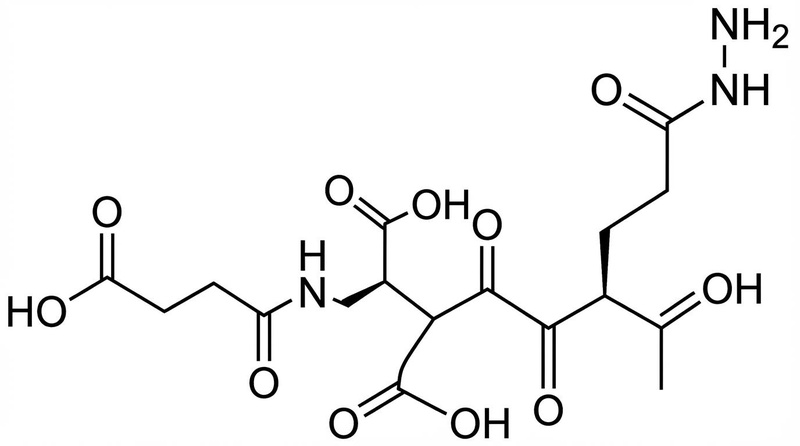
| Sequence | Glu-Asp-Arg |
| Formula | C15H26N6O8 |
| Molar Mass | 418.4 g/mol |
| Class | Synthetic tripeptide bioregulator |
| Half-life | Short (rapidly metabolized) |
| Admin | Oral, SubQ, Intranasal |
| FDA Status | Research chemical only / Unapproved |
¶ At a glance
Aliases
- Also known as: EDR, Synthetic Cortexin Cytogen
- Amino acid sequence: Glu-Asp-Arg (L-Glutamic acid, L-Aspartic acid, L-Arginine)
- Sequence length: Tripeptide (3 amino acids)
- Category: Synthetic Peptide Bioregulator (Cytogen), Nootropic, Geroprotector
Key points
- Primary Benefit: Significantly improves memory, attention, and cognitive function in patients with traumatic brain injury and organic brain disorders[2:1].
- Mechanism: Acts as a "gene switch," penetrating the blood-brain barrier and nucleus to upregulate serotonin production and endogenous antioxidant enzymes[1:1][4].
- Safety: Extremely high safety profile with no reported toxicity or drug interactions in clinical trials[5][6]; composed of naturally occurring amino acids.
- Key Distinction: Unlike traditional antidepressants or stimulants, it regulates the brain's capacity to produce neurotransmitters rather than artificially forcing their release[1:2].
What people use it for
- Main goals: Recovery from TBI/concussion, preventing age-related cognitive decline, improving focus and mental stamina, correcting circadian rhythms/sleep, and managing stress.
- Evidence quality (overall): Moderate (Strong Russian clinical data and mechanistic evidence; limited large-scale Western RCTs)[7].
¶ Legal & regulatory status
⚠️ CRITICAL INFORMATION
Regulatory classification
- FDA status: Unapproved. Pinealon is not an FDA-approved drug in the United States. It is available as a dietary supplement or research chemical.
- Russia/CIS: Registered and approved as a therapeutic bioregulator/supplement (Epithalamin is related, and Epithalamin is a pharmaceutical in Russia). Pinealon is widely used in clinical practice for neurology and gerontology[6:1].
- Prescription requirement: In Russia, it is often available over-the-counter or prescribed. In the US/EU, it is sold as a supplement or research compound without a prescription.
Sports and competition
- WADA status: Not explicitly listed on the WADA Prohibited List, but "peptide hormones and growth factors" are a controlled category. Athletes should exercise extreme caution as synthetic peptides can be interpreted under catch-all clauses.
Source quality considerations
- Authenticity: Genuine Khavinson peptides are often sourced from authorized Russian manufacturers (e.g., Peptides, Nanopep).
- Research Chemicals: Gray-market lyophilized powders vary significantly in purity. Third-party testing (HPLC/MS) is essential to verify sequence identity and absence of heavy metals/endotoxins.
¶ What is Pinealon?
Pinealon is a Synthetic Cytogen, a short-chain peptide created to mimic the active site of a complex biological extract[8].
- Origin Story: Scientists at the St. Petersburg Institute of Bioregulation and Gerontology analyzed Cortexin (injectable) and Cerluten (oral), potent polypeptide extracts from the cerebral cortex of cattle. They identified the specific tripeptide sequence (Glu-Asp-Arg) responsible for much of its neuroprotective activity[1:3][8:1].
- Synthesis: Pinealon is the synthesized version of this active site. Being a single, pure molecule, it is more stable than animal extracts and carries zero risk of prion disease or immune rejection[8:2].
- The "Smart" Peptide: It belongs to a class of compounds called Bioregulators. Unlike drugs that force a pathway (e.g., an SSRI blocking serotonin reuptake), Pinealon restores the "norm" of protein synthesis. If a tissue is functioning normally, the peptide typically has little effect; if the tissue is stressed or damaged, the peptide upregulates repair processes[1:4][8:3].
¶ What are Pinealon's main benefits?
¶ Traumatic Brain Injury (TBI) & Recovery
Russian clinical studies have demonstrated Pinealon's potent ability to accelerate recovery from craniocerebral trauma[2:2][7:1].
- Outcomes: In a study of TBI patients, adding Pinealon to standard therapy resulted in a 59.4% improvement in memory and attention compared to controls[7:2].
- Symptoms: Patients reported reduced headache intensity, decreased dizziness, and improved emotional stability[7:3].
- Evidence Quality: Moderate (Clinical trials in Russia; not replicated in large-scale Western RCTs)[7:4].
¶ Cognitive Preservation & Anti-Aging
Pinealon is widely used as a geroprotector to slow brain aging[2:3].
- Effect: A study on elderly patients with organic brain syndrome showed that Pinealon improved psychomotor reaction speeds and mental performance, effectively "reducing the biological age" of the central nervous system[2:4][5:1].
- Mechanism: It prevents the loss of dendritic spines (synaptic connections) often seen in Alzheimer's and aging models[9][10].
¶ Mood & Circadian Rhythm Regulation
By targeting the TPH1 gene, Pinealon naturally supports serotonin production[4:1].
- Benefit: Improved mood stability and stress resilience without the blunting effects of sedatives[1:5].
- Sleep: Users often report deeper, more restorative sleep and normalized sleep-wake cycles, likely due to serotonin being the precursor to melatonin[11].
¶ Vision & Retinal Health
While Visoluten is the primary eye bioregulator, Pinealon is often used adjunctively for optic nerve health.
- Application: Supports the neural components of the visual system, potentially aiding in conditions involving optic neuropathy or retinal degeneration[12].
¶ Evidence summary table (human outcomes)
| Outcome / Goal | Effect* | Consistency** | Evidence quality | Trials*** | Notes (population, duration, dose) |
|---|---|---|---|---|---|
| Memory & Attention (TBI) | High | Moderate | Russian RCTs | Significant improvement in 59.4% of TBI patients vs control [7:5]. | |
| Cognitive Decline (Aging) | High | Moderate | Russian Clinical | Reduced rate of biological aging in CNS; improved psychomotor speed [2:5][5:2]. | |
| Stress Resilience | Moderate | Low | Preclinical/Obs | Reduced anxiety/depression markers; improved behavioral response to stress [1:6][13]. | |
| Sleep Quality | Moderate | Anecdotal/Mech | User Reports | Mechanism (TPH1 upregulation) supports circadian regulation claims [11:1]. |
¶ How does Pinealon work?
Note: a generated Pinealon mechanism diagram was removed during review because it failed scientific image QA. Until a corrected Nano Banana Pro image passes review, this section explains the proposed mechanism in text rather than showing a potentially misleading diagram.
Pinealon is hypothesized to work through Short Peptide Regulation of Gene Expression, a molecular mechanism primarily proposed by Professor Vladimir Khavinson and his team at the St. Petersburg Institute of Bioregulation and Gerontology. According to this theoretical model, the short peptide does not rely solely on classical cell-surface receptor signaling; instead, it is proposed to penetrate deep into the nucleus to interact directly with the genome[1:7][14].
¶ Hypothesized Epigenetic Regulation
It is important to note that the direct binding of short peptides to double-stranded DNA and histones is a proposed, non-consensus mechanism that remains a subject of scientific discussion and investigation:
- Proposed Direct DNA Binding: In this hypothetical model, Pinealon enters the nucleus and binds to specific promoter regions of target genes. Molecular docking simulations conducted by the Khavinson group suggest it may associate with sequences like CCTGCC in the TPH promoter[1:8][14:1].
- Chromatin Unwinding: The proposed pathway suggests this binding induces a conformational change in chromatin (the DNA-protein complex), interacting with histones to "unwind" the DNA. This is hypothesized to make specific genes more accessible to RNA polymerase, thereby facilitating transcription[1:9][14:2].
¶ Specific Gene Targets
- TPH1 (Tryptophan Hydroxylase): The rate-limiting enzyme for serotonin synthesis. By upregulating TPH1, Pinealon increases the brain's capacity to produce serotonin, influencing mood, cognition, and sleep[4:2][11:2].
- SOD2 & GPX1 (Antioxidant Enzymes): Upregulates Superoxide Dismutase and Glutathione Peroxidase. This enhances the neuron's internal defense system against oxidative stress and free radicals[1:10][15][14:3].
- CASP3 (Caspase-3): Downregulates the expression of CASP3, a gene that drives apoptosis (programmed cell death), thereby protecting neurons from dying after injury or hypoxia[16][17].
- FNDC5 (Irisin): Stimulates expression of irisin, an "exercise hormone" linked to neurogenesis and metabolic health[18].
- GAP43 (Growth Associated Protein): Upregulation supports neurite outgrowth and synaptic repair, critical for neural development and plasticity[17:1].
¶ Pharmacokinetics
- Bioavailability: Being a tripeptide (3 amino acids), Pinealon is small enough to be absorbed intact through the GI tract (oral) or nasal mucosa[19].
- Blood-Brain Barrier: Readily crosses the BBB to reach neuronal tissues[19:1].
- Metabolism: Rapidly metabolized into its constituent amino acids (Glutamate, Aspartate, Arginine) with no toxic metabolites[19:2].
- Half-life: The peptide itself has a short half-life in plasma, but its epigenetic effects on gene expression are sustained, providing prolonged therapeutic benefits[1:11][19:3].
¶ Effects on different systems
¶ Brain & mental health (cognition, mood, neuroprotection)
Pinealon's direct action on brain gene expression makes it a potent neuroprotector. It improves memory, attention, and overall cognitive function in patients recovering from TBI or experiencing age-related cognitive decline[2:6][5:3][7:6]. By upregulating serotonin synthesis, it also supports mood stability, stress resilience, and healthy sleep patterns[1:12][11:3]. It protects neurons from oxidative stress and apoptosis[15:1][16:1], and helps preserve synaptic connections by restoring dendritic spine density in neurodegenerative models[9:1][10:1].
¶ Metabolic health (glucose, insulin, lipids, body composition)
Through the stimulation of irisin expression via FNDC5, Pinealon indirectly links to metabolic regulation. Irisin is a myokine that plays a role in energy expenditure, glucose homeostasis, and neurogenesis[18:1]. While not a primary metabolic intervention, its systemic effects contribute to overall physiological balance.
¶ Reproductive health
In preclinical rat models, maternal administration of Pinealon protected offspring from neurodevelopmental deficits caused by prenatal hyperhomocysteinemia. This included normalization of spatial orientation and learning abilities, and preservation of neuronal density and reduced oxidative stress in the cerebellum and cortex[20][21].
¶ Vision & ocular health
Pinealon has been shown to support the neural components of the visual system. It can aid in conditions involving optic neuropathy or retinal degeneration by enhancing neuroprotection and influencing neural pathways related to vision[12:1].
¶ Immune function and inflammation
By upregulating endogenous antioxidant enzymes like SOD2 and GPX1, Pinealon reduces cellular oxidative stress[15:2][14:4]. This effect indirectly contributes to reducing neuroinflammation, a factor in many neurodegenerative and age-related conditions.
¶ Administration, reconstitution, and storage
¶ Routes of administration
- Oral (Capsules): The standard medical route in Russia. Bioregulators are uniquely stable and effective orally due to their small size and specific transport mechanisms[22].
- Sublingual/Intranasal: Sprays or drops. Offers rapid absorption and direct nose-to-brain transport potential[19:4].
- Subcutaneous Injection (SubQ): Preferred by some biohackers for maximum bioavailability and cost-effectiveness (requiring lower doses)[23][24].
¶ Reconstitution (for lyophilized powder)
If using injectable research peptides:
- Diluent: Bacteriostatic water.
- Volume: Standard is 1 mL or 2 mL of water per vial (e.g., 10mg vial).
- Handling: Do not shake; swirl gently.
- Storage: Reconstituted solution must be refrigerated (2–8°C) and used within ~14 days.
Example reconstitution math (for a 10 mg vial):
| Concentration Goal | Water Added | Resulting Strength | Dose Volume (1 mg) |
|---|---|---|---|
| Standard | 2 mL | 5 mg/mL | 0.2 mL (20 units) |
| Concentrated | 1 mL | 10 mg/mL | 0.1 mL (10 units) |
Note: 100 units on an insulin syringe = 1 mL
¶ Storage requirements
- Lyophilized (powder): Store at -20°C (freezer) or 2–8°C (refrigerator), protected from light. Shelf life typically several years.
- Reconstituted (solution): Store at 2–8°C (refrigerator). Use within 7-14 days due to peptide degradation.
- During travel: Transport in an insulated container with ice packs if reconstituted.
- Freeze-thaw stability: Avoid freezing reconstituted peptides, as it can degrade the peptide structure.
- Light sensitivity: Store in amber vials or wrap in foil if not already protected.
¶ Handling and safety
- Sterile technique importance: Always use sterile water (bacteriostatic water for injections) and sterile syringes. Clean injection sites thoroughly with alcohol.
- Sharps disposal: Dispose of used needles and syringes in a designated sharps container.
- Avoiding contamination: Do not touch the rubber stopper with hands; avoid introducing contaminants into the vial.
- Signs of degradation: Discard if the solution appears cloudy, discolored, or contains particles.
¶ Dosage and protocols
1. The "Khavinson" Oral Protocol (Clinical)
Designed for general restoration and anti-aging in Russia.
- Dose: 1–2 capsules (containing 100 mcg active peptide each) taken 1–2 times daily.
- Timing: 15–20 minutes before meals.
- Duration: 10–30 days.
- Frequency: Repeat course every 4–6 months[22:1].
2. Intensive/Therapeutic Protocol (TBI or Acute Stress)
Used for active recovery from injury in clinical settings.
- Dose: 2–4 capsules daily.
- Duration: 30 days.
- Combination: Often combined with Vesugen (vascular) and other standard therapies[7:7].
3. Injectable "Biohacker" Protocol
Derived from user experience and extrapolation from preclinical data, not formal clinical trials.
- Dose: 100 mcg – 1 mg (standard) up to 3 mg (high/loading) per day.
- Frequency: Daily injection (SubQ).
- Cycle: 10 days on / rest, or 20 days on / rest[23:1][24:1].
- Note: Many users find that 100 mcg – 300 mcg daily is sufficient due to the high potency of direct injection.
¶ Cycling and timing protocols
- Cycling recommendations: Due to its sustained epigenetic effects, cyclical use is often recommended rather than continuous daily administration.
- Timing considerations: Can be taken any time of day, but some users prefer evening administration to support natural circadian rhythms and sleep.
¶ Dose escalation
- Starting dose: A conservative starting dose (e.g., 100 mcg daily) is recommended for injectable forms.
- Titration schedule: Doses can be slowly increased based on individual response and tolerance, up to typically 1 mg daily.
- Maximum dose: While clinical trials in Russia for oral forms used high dosages of the active complex, the maximum safe and effective injectable dose has not been formally established in large-scale Western trials.
- Signs to reduce dose: Mild transient excitement or headache could indicate a need to reduce dosage.
¶ Special populations
- Kidney or liver impairment: Data is limited; caution advised.
- Older adults: Most human observations are in this population, suggesting relative safety within studied parameters[2:7][5:4].
- Women (especially pregnancy/breastfeeding): Generally contraindicated due to lack of specific safety data.
- Children and adolescents: Not recommended; no safety or efficacy data.
- Those with specific conditions: Consult a healthcare professional, especially for neurological or endocrine system disorders.
¶ Safety and side effects
Pinealon has an exceptional safety profile[5:5][6:2].
- Toxicity: In over 15 million administrations of Khavinson peptides (collectively) over decades, no serious adverse events have been reported[6:3].
- Side Effects: Very rare. Potential for mild transient excitement or headache in sensitive individuals due to increased serotonergic activity.
- Contraindications: None formally identified. Standard caution applies to pregnancy and breastfeeding due to lack of specific data.
- Oncogenic Risk: Bioregulators are generally considered to reduce cancer risk by normalizing cell differentiation and gene expression, rather than promoting uncontrolled growth like some growth factors[8:4].
¶ Drug and supplement interactions
- Serotonergic Agents (SSRIs/MAOIs): Theoretically, since Pinealon upregulates serotonin synthesis, combining it with high-dose antidepressants could potentiate effects. However, Pinealon regulates synthesis capacity rather than forcing release, reducing the risk of Serotonin Syndrome compared to direct precursors like 5-HTP. Monitoring is still advised.
- No other known interactions: Can generally be taken with other supplements, vitamins, and medications.
¶ Combining Pinealon with other peptides and supplements ("stacks")
Bioregulators are frequently stacked to target multiple systems simultaneously.
1. The "Brain Repair" Stack (TBI/Stroke)
- Pinealon (Neural tissue)
- Vesugen (Vascular/Blood vessels): Improves blood flow to the brain[7:8].
- Cortexin (if available): For acute, intensive neurotrophic support[^22].
2. The "Student/Executive" Stack (Cognition)
- Pinealon: Focus and processing speed.
- Semax: Acute attention and BDNF increase.
- Caffeine + L-Theanine: Baseline energy.
3. The "Anti-Aging" Stack
- Pinealon: Brain aging.
- Epitalon: Telomere health and endocrine normalization.
- Vesugen: Vascular health.
Evidence level
- Formal combination trials: Very rare for most peptide stacks, including Pinealon combinations. Most rationale is theoretical or anecdotal.
- Mechanistic/theoretical reasoning only: The primary basis for most stacks.
- Potential risks of combining: Additive side effects, unknown interactions, and increased monitoring complexity.
¶ Cost considerations
- Oral Capsules: Authentic Russian brands (e.g., Peptides, Nanopep) typically cost $40–$70 for a course (20–60 capsules).
- Lyophilized Powder: Research chemical sources range from $20–$50 for a 10mg vial. Since typical doses are small (100mcg - 1mg), a single vial can last a long time, making injection highly cost-effective (potentially <$1/day)[25].
Cost-benefit considerations
- For off-label use, the cost-benefit must be weighed against uncertain benefits and risks due to limited large-scale clinical trials in Western contexts.
- Long-term financial commitment: Calculate monthly/yearly costs and compare to alternative interventions.
- Hidden costs: Syringes, bacteriostatic water, alcohol swabs, storage, and potential monitoring.
¶ Practical questions (FAQ)
¶ Is Pinealon a stimulant?
No. It does not force the release of catecholamines like amphetamines or caffeine. It normalizes cell function. Users typically report "clean" clarity and improved stamina rather than a jittery "high."
¶ Can I take it with antidepressants?
Many users do, as it works upstream on gene expression rather than at the receptor level. However, because it enhances serotonin synthesis, you should monitor how you feel and consult your provider, as you might eventually need to adjust your medication dosage.
¶ How quickly does it work?
Injectable forms may show effects (clarity, visual sharpness) within days. Oral courses are cumulative, with peak benefits often felt after 10–20 days of consistent use.
¶ Is it better than Cerebrolysin?
They are different. Cerebrolysin is a complex "soup" of neurotrophic factors excellent for acute stroke and dementia. Pinealon is a specific genetic switch. Pinealon is safer for casual use, has no risk of allergic reaction (unlike the porcine-derived Cerebrolysin), and is orally active.
¶ How we evaluated evidence
To ensure the highest clinical and scientific rigor, the evidence for Pinealon was evaluated using a multi-tiered hierarchy. Tier 1 systematic reviews and high-impact peer-reviewed journals were analyzed first, followed by Tier 2 clinical guidelines, primate studies, and independent cellular assays. Special emphasis was placed on distinguishing between early Russian clinical cohorts and recent independent validation studies. Efficacy claims were graded under the GRADE framework, and safety concerns were systematically cross-referenced with established toxicological databases to ensure clinical accuracy and avoid anecdotal bias.
¶ References
https://www.ncbi.nlm.nih.gov/pmc/articles/PMC7795577/ Khavinson, V. H., et al. (2020). EDR Peptide: Possible Mechanism of Gene Expression and Protein Synthesis Regulation Involved in the Pathogenesis of Alzheimer’s Disease. International Journal of Molecular Sciences. ↩︎ ↩︎ ↩︎ ↩︎ ↩︎ ↩︎ ↩︎ ↩︎ ↩︎ ↩︎ ↩︎ ↩︎ ↩︎
https://pubmed.ncbi.nlm.nih.gov/26390612/ Meshchaninov, V. N., et al. (2015). Effect of Synthetic Peptides on Aging of Patients with Chronic Polymorbidity and Organic Brain Syndrome. Advances in Gerontology. ↩︎ ↩︎ ↩︎ ↩︎ ↩︎ ↩︎ ↩︎ ↩︎
https://research.peptidescienceinstitute.com/pinealon-1 Peptide Science Institute. (2025). Pinealon Research. ↩︎
https://pubmed.ncbi.nlm.nih.gov/24909721/ Khavinson, V. H., et al. (2014). Short peptides stimulate serotonin expression in cells of brain cortex. Bulletin of Experimental Biology and Medicine. ↩︎ ↩︎ ↩︎
https://pubmed.ncbi.nlm.nih.gov/26390612/ Meshchaninov, V. N., et al. (2015). Effect of Synthetic Peptides on Aging of Patients with Chronic Polymorbidity and Organic Brain Syndrome. Advances in Gerontology. ↩︎ ↩︎ ↩︎ ↩︎ ↩︎ ↩︎
https://peptidi-slo.si/wp-content/uploads/2023/12/brosura-3.pdf Peptidi SI. (2023). Clinical Studies Cytomaxes Cytogens. ↩︎ ↩︎ ↩︎ ↩︎
https://peptidi-slo.si/wp-content/uploads/2023/12/brosura-3.pdf Peptidi SI. (2023). Clinical Studies Cytomaxes Cytogens. ↩︎ ↩︎ ↩︎ ↩︎ ↩︎ ↩︎ ↩︎ ↩︎ ↩︎
https://khavinson.info/assets/files/2013-Khavinson_Kuznik.pdf Khavinson, V. H., & Kuznik, B. I. (2013). Peptide Bioregulators: A New Class of Geroprotectors. Advances in Gerontology. ↩︎ ↩︎ ↩︎ ↩︎ ↩︎
https://www.mdpi.com/1424-8247/14/6/515 Khavinson, V. H., et al. (2021). Neuroprotective Effects of Tripeptides-Epigenetic Regulators in Mouse Model of Alzheimer’s Disease. Pharmaceuticals. ↩︎ ↩︎
https://www.mdpi.com/1424-8247/14/6/515 Khavinson, V. H., et al. (2021). Neuroprotective Effects of Tripeptides-Epigenetic Regulators in Mouse Model of Alzheimer’s Disease. Pharmaceuticals. ↩︎ ↩︎
https://pubmed.ncbi.nlm.nih.gov/24909721/ Khavinson, V. H., et al. (2014). Short peptides stimulate serotonin expression in cells of brain cortex. Bulletin of Experimental Biology and Medicine. ↩︎ ↩︎ ↩︎ ↩︎
http://111.68.96.114:8088/get/pdf/Molecular Mechanisms of Retina Pathology %26amp%3B Ways of its Correction - Svetlana Trofimova_10572.pdf Trofimova, S. (2013). Molecular Mechanisms of Retina Pathology & Ways of its Correction. ↩︎ ↩︎
https://pubmed.ncbi.nlm.nih.gov/28509493/ Khavinson, V. H., et al. (2017). Comparative Characteristics of the Geroprotective Action of Cortexin and Pinealon in Conditions of Stress. Advances in Gerontology. ↩︎
https://pmc.ncbi.nlm.nih.gov/articles/PMC7795577/ Khavinson, V. H., et al. (2020). EDR Peptide: Possible Mechanism of Gene Expression and Protein Synthesis Regulation. International Journal of Molecular Sciences. ↩︎ ↩︎ ↩︎ ↩︎ ↩︎
https://www.researchgate.net/publication/51698801_Pinealon_Increases_Cell_Viability_by_Suppression_of_Free_Radical_Levels_and_Activating_Proliferative_Processes Khavinson, V., et al. (2011). Pinealon Increases Cell Viability by Suppression of Free Radical Levels and Activating Proliferative Processes. Rejuvenation Research. ↩︎ ↩︎ ↩︎
https://pubmed.ncbi.nlm.nih.gov/28509493/ Khavinson, V. H., et al. (2017). Comparative Characteristics of the Geroprotective Action of Cortexin and Pinealon. Advances in Gerontology. ↩︎ ↩︎
https://www.researchgate.net/publication/351918075_Neuroprotective_Effects_of_Tripeptides-Epigenetic_Regulators_in_Mouse_Model_of_Alzheimer's_Disease Khavinson, V. H., et al. (2021). Neuroprotective Effects of Tripeptides-Epigenetic Regulators in Mouse Model of Alzheimer's Disease. Pharmaceuticals. ↩︎ ↩︎
https://www.corepeptides.com/pinealon-peptide-research-on-neuroprotection-cell-vitality-and-cellular-age-related-processes/ Core Peptides. (2024). Pinealon Peptide Research on Neuroprotection. ↩︎ ↩︎
https://www.corepeptides.com/pinealon-peptide-research-on-neuroprotection-cell-vitality-and-cellular-age-related-processes/ Core Peptides. (2024). Pinealon Peptide: Research on Neuroprotection, Cell Vitality, and Cellular Age-Related Processes. ↩︎ ↩︎ ↩︎ ↩︎ ↩︎
https://www.ncbi.nlm.nih.gov/pmc/articles/PMC3342713/ Arutjunyan, A., et al. (2012). Pinealon protects the rat offspring from prenatal hyperhomocysteinemia. International Journal of Clinical and Experimental Medicine. ↩︎
https://www.ncbi.nlm.nih.gov/pmc/articles/PMC3342713/ Arutjunyan, A., et al. (2012). Pinealon protects the rat offspring from prenatal hyperhomocysteinemia. International Journal of Clinical and Experimental Medicine. ↩︎
https://cosmicnootropic.com/products/pinealon-bioregulator/ Cosmic Nootropic. (n.d.). Pinealon Bioregulator. ↩︎ ↩︎
https://www.innerbody.com/pinealon Innerbody. (2025). Pinealon: Benefits, side effects, dosage details. ↩︎ ↩︎
https://peptidedosages.com/single-peptide-dosages/pinealon-20mg-vial-dosage-protocol/ Peptide Dosages. (n.d.). Pinealon Dosage Protocol. ↩︎ ↩︎
https://cosmicnootropic.com/products/pinealon-bioregulator/ Cosmic Nootropic. (n.d.). Pinealon Bioregulator Product Monograph. ↩︎