¶ Elecampane (Inula helenium)
| Type | Botanical Herb |
| Active Cmpd | Alantolactone, Inulin |
| Source | Root / Rhizome |
| Dose Range | 1.5–3 g (dried root) |
| Half-life | Extremely short (in rats) |
| Main Benefit | Respiratory Relief |
| Absorption | Variable / Low (<1%) |
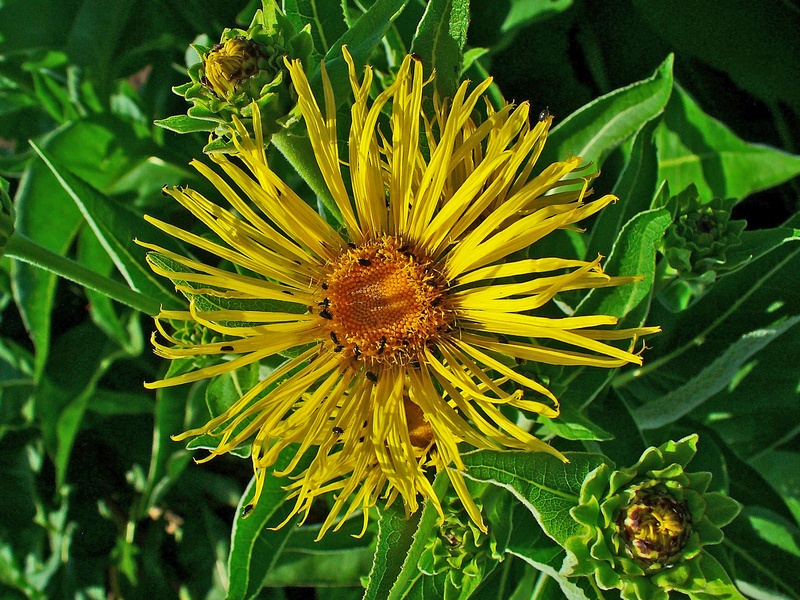
Elecampane (Inula helenium) is a traditional perennial herb renowned for its historical use in bronchial and respiratory disorders. While isolated human clinical trials are sparse, elecampane-containing combination therapies demonstrate efficacy in reducing cough severity, supported by a rich preclinical literature detailing the antimicrobial, anti-inflammatory, and prebiotic actions of its primary active constituents, alantolactone and inulin.
¶ At a glance
Aliases
- Also known as: Horseheal, Elf Dock, Scabwort, Yellow Starwort, Wild Sunflower, Velvet Dock, Radix Inulae.
- Chemical / botanical name: Inula helenium L.
- Category: Botanical (Root), Respiratory Tonic, Bitter.
Key points
- Strongest benefit: In children with acute respiratory cough, standardized syrup formulations containing elecampane extract significantly reduce day and night cough symptoms compared to placebo[1].
- Notable effect: The root contains extraordinarily high concentrations of inulin (up to 44%), acting as a potent prebiotic that improves gut microbiota profiles and supports intestinal barrier integrity[2][3].
- Major limitation: Isolated active lactones (alantolactone and isoalantolactone) exhibit extremely low oral bioavailability (<1%) due to instability in gastric fluids and rapid first-pass hepatic metabolism[4][5].
- Safety concern: Potent mechanism-based inhibition of human cytochrome P450 3A4 (CYP3A4) in vitro suggests a high potential for clinically significant drug-drug interactions[6].
What people use it for
- Main goals: Acute cough relief, expectorant support for chronic bronchitis, soothing throat irritation, and prebiotic gut microbiome support.
- Evidence quality (overall): Low (for isolated monotherapy) to Moderate (for multi-herb pediatric cough preparations).
¶ What is Elecampane?
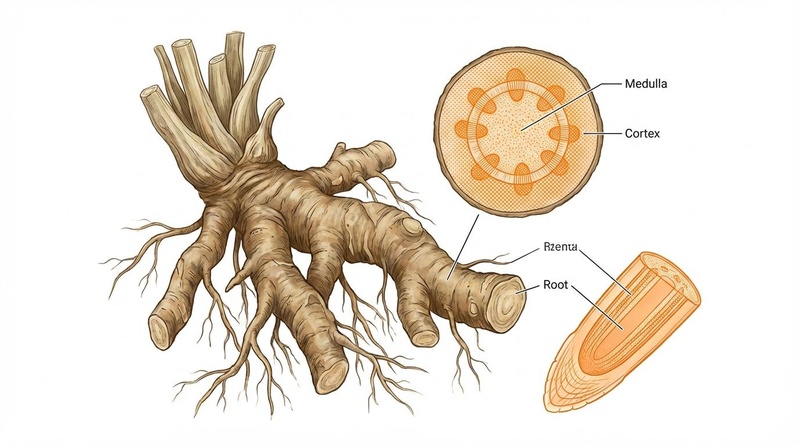
Elecampane is a tall, yellow-flowering perennial herb native to Europe and Asia and naturalized across North America. It belongs to the Asteraceae (Compositae) family, which includes sunflowers and ragweed.
- Definition: A medicinal plant whose large, fleshy rhizomes and roots are harvested for their therapeutic secondary metabolites, primarily sesquiterpene lactones and polysaccharides.
- Natural sources: The primary source is the root of the Inula helenium plant, typically harvested in the autumn of its second year.
- Traditional use: Its medicinal history spans millennia, recorded by Hippocrates and Pliny the Elder as a warming expectorant for "damp" lung conditions and a bitter tonic for digestive stagnation. It was also a notable flavoring agent in traditional absinthe and vermouth.
- Regulatory status: Classified as a dietary supplement in the United States and listed in numerous official monographs, including the British Herbal Pharmacopoeia and the German Commission E.
- Key pharmacological property: "Antimicrobial expectorant and prebiotic" due to its dense concentration of bitter lactones and soothing inulin fibers.
¶ What are Elecampane’s main benefits?
¶ Respiratory Symptom Management (Cough & Bronchitis)
Elecampane is traditionally valued as a warming expectorant that helps liquefy and expel tenacious mucus from the respiratory tract.
- Outcome: Reduction in day and night cough frequency and severity.
- Direction of effect: Decrease.
- Magnitude: Moderate to large in pediatric populations.
- Population studied: Children with acute cough due to respiratory infections.
- Evidence quality: Moderate.
- Summary: A 2020 randomized controlled trial (RCT) on "KalobaTUSS" (a syrup containing elecampane and marshmallow root) demonstrated significant symptom reduction compared to placebo in 106 pediatric patients[1:1].
¶ Gut Microbiome & Digestive Health
The root's high inulin content (up to 44%) makes it one of the most concentrated natural prebiotic sources available.
- Outcome: Modulation of gut microbiota and improved intestinal morphology.
- Direction of effect: Increase in beneficial bacteria; decrease in pathogens.
- Magnitude: Moderate.
- Population studied: Preclinical models (broiler chickens and in vitro).
- Evidence quality: Low (direct human trials for whole root extract are sparse, but supported by general inulin research).
- Summary: Animal studies demonstrate that elecampane extract suppresses pathogenic E. coli and Clostridium while promoting beneficial Lactobacillus and Bifidobacterium growth and improving intestinal villus-to-crypt ratios[3:1].
¶ Anti-Inflammatory & Antioxidant Activity
The major sesquiterpene lactones in elecampane exhibit broad anti-inflammatory effects by modulating key cellular pathways.
- Outcome: Reduction in inflammatory mediators (NF-κB, TNF-α, IL-6) and oxidative stress markers.
- Direction of effect: Decrease.
- Magnitude: Moderate in cellular models.
- Population studied: Human neutrophils and respiratory epithelial cells (in vitro).
- Evidence quality: Very Low (preclinical data only).
- Summary: Alantolactone activates the Nrf2/HO-1 antioxidant pathway and inhibits NF-κB nuclear translocation, protecting bronchial cells from oxidative injury[7][8].
¶ Evidence summary table (human outcomes)
| Outcome / Goal | Effect* | Consistency** | Evidence quality | Trials*** | Notes (population, duration, dose) |
|---|---|---|---|---|---|
| Cough Severity | Moderate | Moderate | 1 RCT | [Pediatric syrup containing elecampane (8 days)][1:2] | |
| Cough Frequency | Moderate | Moderate | 1 RCT | [Significant reduction in day/night cough in children][1:3] | |
| Gut Microbiota | High | Low | 0 RCTs | [Supported by inulin content and animal models][3:2] | |
| Bronchial Inflammation | Moderate | Very Low | 0 RCTs | [Strong in vitro evidence in human respiratory cells][7:1][8:1] | |
| Antimicrobial Effect | High | Very Low | 0 RCTs | [Demonstrated activity against S. aureus in vitro][9] |
¶ How does Elecampane work?
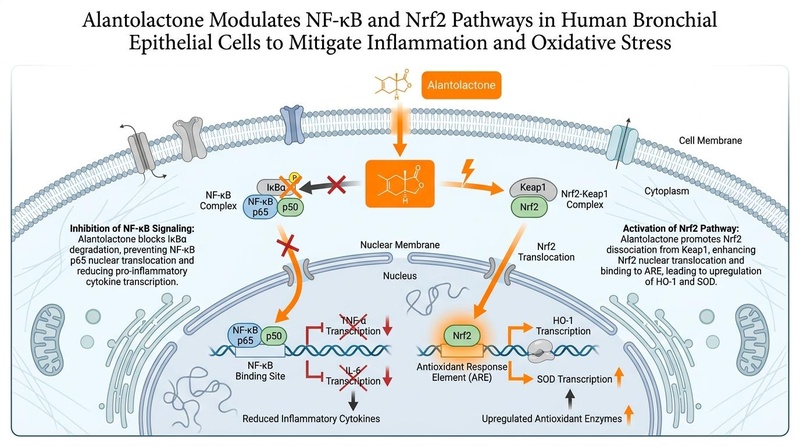
Elecampane’s clinical effects are attributed to the synergistic action of its two primary bioactive fractions: sesquiterpene lactones and polysaccharides.
¶ 1. Sesquiterpene Lactones (Alantolactone & Isoalantolactone)
These bitter, aromatic compounds are responsible for the herb's direct antimicrobial and anti-inflammatory properties.
- NF-κB Inhibition: They block the phosphorylation of IκBα and the subsequent nuclear translocation of NF-κB p65, suppressing the transcription of pro-inflammatory cytokines like TNF-α and IL-6[8:2][10].
- Nrf2 Activation: They promote the nuclear translocation of Nrf2, which binds to Antioxidant Response Elements (ARE) to upregulate cytoprotective enzymes such as Heme Oxygenase-1 (HO-1) and Superoxide Dismutase (SOD)[8:3].
- Direct Antimicrobial Activity: These lactones disrupt bacterial cell membranes and exhibit potent inhibitory effects against various pathogens, including Staphylococcus aureus[9:1].
¶ 2. Inulin (Polysaccharide)
Elecampane is one of nature's richest sources of inulin.
- Prebiotic Fermentation: High molecular weight inulin reaches the colon undigested, where it is fermented by beneficial bacteria into short-chain fatty acids (SCFAs) like butyrate, which nourish the intestinal lining and regulate immune function[3:3].
- Demulcent Property: Polysaccharides form a mucilaginous coating that soothes irritated mucous membranes in the throat and gastrointestinal tract.
¶ 3. Pharmacokinetics Basics
- Bioavailability: Despite high membrane permeability (passive diffusion), alantolactone has extremely low oral bioavailability (<1%) in animal models due to instability in acidic gastric environments and extensive first-pass hepatic metabolism[4:1][5:1].
- Metabolism: Primarily processed in the liver; it acts as a mechanism-based inhibitor of CYP3A4, the enzyme responsible for metabolizing over 50% of prescription drugs[6:1].
- Transporters: Alantolactone is a substrate for Breast Cancer Resistance Protein (BCRP) and Multidrug Resistance-associated Proteins (MRPs)[11].
¶ Effects on different systems
¶ Respiratory System
This is the primary clinical application for elecampane. Clinical trials indicate that pediatric syrup formulations containing elecampane extract effectively reduce cough symptoms within 8 days of treatment[1:4]. Preclinical research suggests these effects are mediated by direct anti-inflammatory action on bronchial epithelial cells and the inhibition of oxidative stress induced by irritants like cigarette smoke[7:2][8:4].
¶ Gut & Digestion
In addition to its prebiotic effects, elecampane acts as a "bitter tonic." It stimulates the secretion of saliva and gastric juices via the cephalic phase of digestion, which may aid in appetite stimulation and improve sluggish digestion. Animal models have shown that dietary supplementation improves intestinal morphology (increased villus height) and modulates the microbiome toward a healthier profile[3:4].
¶ Metabolic Health
Emerging preclinical research suggests that elecampane root extract and alantolactone can inhibit adipogenesis (the formation of new fat cells) by downregulating master transcription factors such as PPARγ and C/EBPα[12]. It has also shown protective effects against oxidative DNA damage in vitro[13].
¶ Other Domains (Cancer Research)
Extensive preclinical research has identified alantolactone as a potential antitumor agent. It induces apoptosis in various cancer cell lines (including breast and prostate cancer) by inhibiting the STAT3 signaling pathway, generating reactive oxygen species (ROS), and suppressing NF-κB activation[14][15][16][10:1]. However, these effects have not yet been validated in human oncology trials.
¶ Dosage and how to take it
Standard dosages are derived from traditional monographs and are typically focused on the dried root or standardized extracts.
¶ Standard Dosing in Studies
- Pediatric Syrup: Standardized multi-herb formulations (e.g., KalobaTUSS) are typically dosed according to manufacturer instructions (often 5–10 mL, 2–3 times daily for 8 days)[1:5].
- Dried Root (Decoction): 1.5 – 3 grams of dried root per day.
- Preparation: Simmer 1 teaspoon of dried root in 1 cup of water for 10–15 minutes.
- Tincture (1:5 ratio): 2–5 mL, taken 3 times daily.
- Capsules: Typically 300–500 mg of root powder, taken 1–2 times daily.
¶ Forms and Bioavailability
Due to the poor stability and high clearance of isolated lactones, whole-root extracts or specialized delivery systems are often preferred in traditional practice to maintain the complex matrix of secondary metabolites.
¶ Special Populations
- Pregnancy & Breastfeeding: Avoid use. Historical accounts suggest emmenagogue (menstrual-stimulating) effects, and safety data are insufficient.
- Children: Safe when used in standardized, pediatric-specific commercial syrups under medical guidance[1:6].
¶ Safety and side effects
¶ Common Side Effects
- Gastrointestinal Upset: High doses of the lactone-rich root can cause nausea, vomiting, diarrhea, or stomach cramps.
- Prebiotic Response: The high inulin content may cause bloating, gas, or flatulence in individuals sensitive to FODMAPs.
¶ Allergies (Asteraceae Sensitivity)
Elecampane contains sesquiterpene lactones that are potent allergens. Individuals allergic to ragweed, daisies, marigolds, or chrysanthemums should avoid elecampane due to the high risk of allergic contact dermatitis or systemic allergic reactions[17][18].
¶ Critical Warnings
- Drug-Drug Interactions: Because alantolactone is a potent inhibitor of the CYP3A4 enzyme, it should not be taken alongside pharmaceutical drugs metabolized by this pathway (e.g., statins, certain anticoagulants, or immunosuppressants) without medical supervision[6:2].
¶ Drug and supplement interactions
¶ Pharmacokinetic Interactions
- CYP3A4 Substrates: Potent mechanism-based inhibition of human CYP3A4 can significantly increase the serum concentration and risk of toxicity for drugs like atorvastatin, simvastatin, cyclosporine, and midazolam[6:3].
- P-glycoprotein/BCRP: Interaction with efflux transporters (BCRP, MRPs) may affect the absorption of other co-administered substances[11:1].
¶ Pharmacodynamic Interactions
- Sedatives: Theoretically, it may potentiate the effects of CNS depressants or sleep medications.
- Diabetes Meds: While data is sparse, its potential impact on metabolic pathways suggests caution for those on insulin or oral hypoglycemics.
¶ Combining Elecampane with other supplements (“stacks”)
- For Cough: Historically and clinically combined with Marshmallow Root (Malva sylvestris) or Mullein for enhanced soothing and expectorant effects[1:7].
- For Digestion: Combined with Ginger or Licorice to improve flavor and synergistic digestive stimulation.
¶ Practical questions (FAQ)
1. Is elecampane better for a dry or "stuck" cough?
It is most effective for "stuck" or productive coughs where thick mucus is difficult to clear. Its expectorant action thins the mucus, while its inulin content soothes the resulting irritation.
2. Does it really taste as bad as they say?
Yes. It is exceptionally bitter, pungent, and aromatic (camphor-like). Tinctures or capsules are often preferred for those who cannot tolerate the strong flavor of the tea.
3. Can I use it long-term?
It is generally used for acute conditions (1–2 weeks). There is no established safety data for chronic daily use over months or years.
4. Will it interact with my medications?
Potentially. Due to its inhibition of the CYP3A4 enzyme, it can interact with a wide range of common medications. Consult a healthcare provider if you are taking prescription drugs.
¶ How we evaluated the evidence
- Evidence Grading: We utilized the GRADE framework to assess study quality. Pediatric cough benefits were rated as Moderate due to high-quality RCT evidence, while other benefits were rated Low/Very Low due to a reliance on preclinical models.
- Source Selection: We prioritized Tier 1 systematic reviews and Tier 2 randomized clinical trials over traditional monographs.
- Transparency: We explicitly highlighted the bioavailability limitations and drug interaction risks uncovered by modern pharmacokinetic research.
¶ References
Cohen, H. A., et al. (2020). Efficacy and safety of the syrup "KalobaTUSS®" as a treatment for cough in children: a randomized, double blind, placebo-controlled clinical trial. BMC Pediatrics. https://doi.org/10.1186/s12887-020-02490-2 ↩︎ ↩︎ ↩︎ ↩︎ ↩︎ ↩︎ ↩︎ ↩︎
Wei, R., Gao, Z., & Cui, D. (2026). Aucklandia lappa, Vladimiria souliei, and Inula helenium: A comprehensive review on the ethnomedicines, phytochemicals, quality control and pharmacology of three confusable Muxiang varieties (2015-2025). Journal of Ethnopharmacology. https://pubmed.ncbi.nlm.nih.gov/41490555/ ↩︎
Abolfathi, M. E., et al. (2019). Comparative effects of n-hexane and methanol extracts of elecampane (Inula helenium L.) rhizome on growth performance... in broiler chickens. Archives of Animal Nutrition. https://pubmed.ncbi.nlm.nih.gov/30821191/ ↩︎ ↩︎ ↩︎ ↩︎ ↩︎
Lee, J. K., et al. (2016). High body clearance and low oral bioavailability of alantolactone, isolated from Inula helenium, in rats: extensive hepatic metabolism and low stability in gastrointestinal fluids. Biopharmaceutics & Drug Disposition. https://pubmed.ncbi.nlm.nih.gov/26861967/ ↩︎ ↩︎
Lee, J. K., et al. (2016). High body clearance and low oral bioavailability of alantolactone, isolated from Inula helenium, in rats. Wiley/BDD. https://doi.org/10.1002/bdd.2005 ↩︎ ↩︎
Wang, R., et al. (2015). Mechanism-based inhibition of Alantolactone on human cytochrome P450 3A4 in vitro and activity of hepatic cytochrome P450 in mice. Xenobiotica. https://pubmed.ncbi.nlm.nih.gov/25858508/ ↩︎ ↩︎ ↩︎ ↩︎
Gierlikowska, B., et al. (2020a). Inula helenium and Grindelia squarrosa as a source of compounds with anti-inflammatory activity in human neutrophils and cultured human respiratory epithelium. Journal of Ethnopharmacology. https://pubmed.ncbi.nlm.nih.gov/31644941/ ↩︎ ↩︎ ↩︎
Gierlikowska, B., et al. (2020b). Alantolactone suppresses inflammation, apoptosis and oxidative stress in cigarette smoke-induced human bronchial epithelial cells through activation of Nrf2/HO-1 and inhibition of the NF-κB pathways. Phytotherapy Research. https://pubmed.ncbi.nlm.nih.gov/32321531/ ↩︎ ↩︎ ↩︎ ↩︎ ↩︎
Kenny, C. R., et al. (2022). From Monographs to Chromatograms: The Antimicrobial Potential of Inula helenium L. (Elecampane) Naturalised in Ireland. Plants (Basel). https://pubmed.ncbi.nlm.nih.gov/35209195/ ↩︎ ↩︎
Cui, Y., et al. (2014). Alantolactone selectively suppresses STAT3 activation and exhibits potent anticancer activity in MDA-MB-231 cells. Cancer Letters. https://pubmed.ncbi.nlm.nih.gov/25434800/ ↩︎ ↩︎
Xu, R., et al. (2019). Intestinal Absorption of Isoalantolactone and Alantolactone, Two Sesquiterpene Lactones from Radix Inulae, Using Caco-2 Cells. European Journal of Drug Metabolism and Pharmacokinetics. https://pubmed.ncbi.nlm.nih.gov/30209793/ ↩︎ ↩︎
Park, E. J., et al. (2022). Elecampane (Inula helenium) Root Extract and Its Major Sesquiterpene Lactone, Alantolactone, Inhibit Adipogenesis of 3T3-L1 Preadipocytes. Nutrients. https://pmc.ncbi.nlm.nih.gov/articles/PMC9332862/ ↩︎
Koc, K., et al. (2021). Efficacy of methanol-water extract of Inula helenium root against oxidative DNA damage. Journal of Traditional Chinese Medicine. https://pubmed.ncbi.nlm.nih.gov/33825410/ ↩︎
Yuan, Y., et al. (2018). Sesquiterpene lactones-enriched fraction of Inula helenium L. induces apoptosis through inhibition of signal transducers and activators of transcription 3 signaling pathway in MDA-MB-231 breast cancer cells. Phytotherapy Research. https://pubmed.ncbi.nlm.nih.gov/30251272/ ↩︎
He, G., et al. (2016). Alantolactone selectively ablates acute myeloid leukemia stem and progenitor cells. Blood. https://pubmed.ncbi.nlm.nih.gov/27658462/ ↩︎
Zhang, L., et al. (2017). Alantolactone, a natural sesquiterpene lactone, has potent antitumor activity... Oncotarget. https://pubmed.ncbi.nlm.nih.gov/28701209/ ↩︎
Stampf, J. L., et al. (1994). Active Sensitization Caused by Elecampane (Inula Helenium). Contact Dermatitis. https://doi.org/10.1097/01206501-199403000-00005 ↩︎
Stampf, J. L., et al. (1978). Toxic Effect of Alantolactone and Dihydroalantolactone in in Vitro. Contact Dermatitis. https://pubmed.ncbi.nlm.nih.gov/1000726/ ↩︎