¶ 专注力与认知表现:循证指南
¶ 概述
认知表现——特别是保持专注、快速处理信息和执行复杂任务的能力——是决定职业成功和生活质量的主要因素。尽管市场上充斥着各种“大脑增强剂”,但真正的认知提升遵循一种层级结构:基础生活方式因素提供必要的神经生物学基础,而靶向物质和药理制剂则提供特定的、通常是急性的表现增益。
本指南综合了临床证据,提供了一份认知优化的路线图,从基本的生物学维护一直延伸到高级干预措施。
¶ 1. 生活方式干预:生物学基础
在考虑补充剂之前,必须先满足大脑的生理需求。睡眠、代谢燃料或神经营养信号的缺乏,会使下游的干预措施效果大打折扣。
¶ 睡眠:注意力的调节器
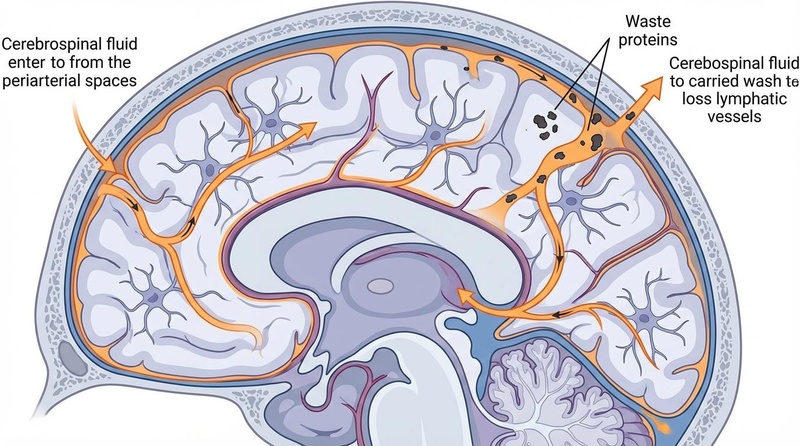
睡眠是神经毒素清除和突触稳态的关键时期,直接为大脑专注和处理信息的能力提供动力。高质量的睡眠能主动修复维持警觉性和稳定性所需的神经网络。
- 注意力稳定性 (Attentional Stability):睡眠能恢复大脑的时间整合能力,维持视觉处理的“刷新率”。休息充分的人可以快速处理连续的刺激(约200毫秒间隔),而睡眠压力会延长这种不应期(>600毫秒),导致大脑遗漏信息(即“注意瞬脱”,attentional blink)[1]。
- 资源分配 (Resource Allocation, P300):睡眠能优化 P300 事件相关电位,这是衡量大脑如何有效地将注意力分配给某项任务的神经生理学标志。高效的 P300 反应表明,大脑正在为手头的任务调用正确的神经元群体,而不会将资源“泄漏”给干扰项[2]。
- 精神运动速度 (Psychomotor Speed):充足的睡眠能保持信号在神经网络中传输的速度。这确保了主观的警觉感与客观的反应时间相匹配,防止出现疲劳状态下常见的脱节现象(即个体感觉“良好”但表现不佳)。
- 记忆编码 (Memory Encoding):睡眠对于获取新信息至关重要。荟萃分析表明,学习前充分休息的状态能放大编码能力(Hedges' g = 0.62),使其成为保留复杂新信息的主要工具[3]。
¶ 运动:BDNF 与突触可塑性
运动可以说是神经可塑性最有效的自然刺激因素,主要由脑源性神经营养因子(BDNF)介导。
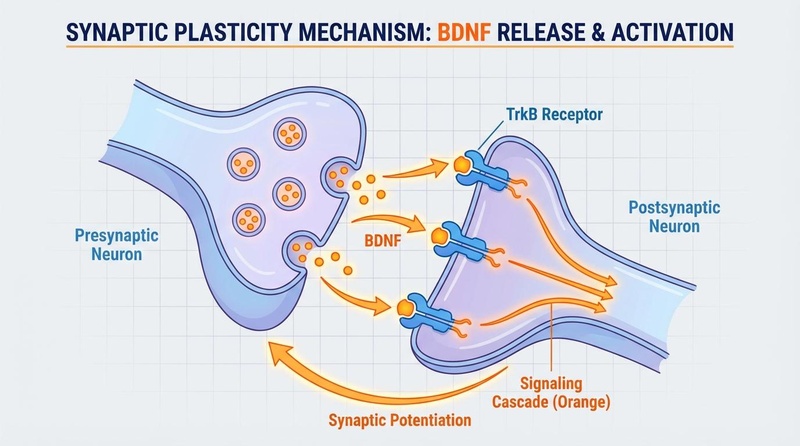
运动诱导 BDNF 的释放,从而加强突触连接并支持学习。
- BDNF 反应:单次高强度运动可适度增加 BDNF(Hedges' g = 0.46),在锻炼后立即为大脑的学习做好准备。规律训练会放大这种反应(Hedges' g = 0.59),使大脑对神经营养信号更加敏感,并促进长期的结构变化[4]。
- 认知抑制:高强度运动能改善“认知抑制”——即屏蔽无关刺激和抑制优势反应的能力(例如,忽略通知以保持专注)。这部分是由**乳酸穿梭(Lactate Shuttle)**介导的,在需求强烈时,肌肉产生的乳酸穿过血脑屏障为海马体功能提供能量[5][6]。
- 有氧与无氧的益处:不同的训练方式针对不同的大脑区域。
¶ 正念与大脑训练

有针对性的心理练习可以在结构上改变注意力网络,直接提高专注力和注意力持续时间。
- 正念冥想:这种练习加强了专注导向网络与默认模式网络(Default Mode Network,在走神时活跃)之间的“反相关性”。荟萃分析证实,正念干预在客观注意力表现上产生了可靠的改善(Hedges' g = 0.29),特别是在抑制和冲突监测方面[9][10]。
- 刻意练习:与被动重复不同,刻意练习涉及专注的、以目标为导向的努力,并伴有即时反馈。这种方法已被证明能诱导髓鞘可塑性,提高用于所练习技能的特定回路中神经信号传输的速度和效率。
- 大脑锻炼:虽然一般的“大脑游戏”通常无法将益处转移到现实世界的任务中,但训练特定的认知领域(如针对工作记忆的 n-back 任务)可以产生“近迁移(near transfer)”效应,提高依赖类似神经架构的任务表现。
¶ 营养:代谢调节
营养通过底物可用性和结构支持影响认知。
- 血糖调节:大脑对血糖波动高度敏感。在稳定的血糖水平下可以观察到最佳的认知表现,而与高血糖生成指数饮食相关的“骤升和骤降”不利于持续的注意力[11]。
- Omega-3 脂肪酸:DHA 和 EPA 是神经元细胞膜的结构成分。补充(每日剂量 >500mg)已被证明可使老年人的执行功能提高多达 26%,这与保持白质完整性相关[12][13]。
¶ 2. 基础支持:矿物质与激素优化
¶ 镁(甘氨酸镁与左旋苏糖酸镁)
镁是 300 多种酶促反应的辅助因子,其中包括对 NMDA 受体信号传导和突触可塑性至关重要的反应。
- 左旋苏糖酸镁(Magnesium L-Threonate):这种特定形式的独特之处在于它能有效穿过血脑屏障。动物研究表明,它可以增加突触密度并恢复衰老模型中的认知缺陷。
- 甘氨酸镁(Magnesium Glycinate):生物利用度高且对肠道温和,可用于一般性补充和睡眠支持,从而间接有益于认知。
¶ Pregnenolone
Pregnenolone 常被称为“祖母荷尔蒙”,是一种在脑部合成的关键神经类固醇。它能调节 NMDA 受体并支持髓鞘形成。作为所有其他类固醇激素(孕酮、DHEA、皮质醇)的前体,它是维持认知稳定性和抗压能力的基础物质。
¶ 3. 线粒体与代谢增强剂
大脑消耗了人体 20% 的能量。优化线粒体效率是维持持久脑力的关键策略。
¶ ALCAR (Acetyl-L-Carnitine) 与 ALA
ALCAR 是 L-肉碱的乙酰化形式,能够穿透血脑屏障。
- 机制:它将脂肪酸运送至线粒体以产生能量,并为乙酰胆碱 (Acetylcholine) 的合成提供乙酰基。
- 协同作用:通常与强效抗氧化剂 Alpha-Lipoic Acid (ALA) 搭配使用。研究表明,在老年动物模型中,这种组合在逆转线粒体衰退和改善记忆方面比单独使用任何一种化合物都更有效。临床荟萃分析支持 ALCAR 用于治疗轻度认知障碍[14]。
¶ NMNH、Ubiquinol 与 PQQ
该组合靶向线粒体电子传递链与生物发生。
- NMNH (Reduced Nicotinamide Mononucleotide):NAD+ 的强效前体,对细胞能量和 DNA 修复至关重要。它通常比 NMN 更稳定且更有效。
- 搭配建议:NAD+ 前体通常与 TMG (Trimethylglycine) 一起服用以支持甲基化,与 Quercetin 搭配(以抑制降解 NAD+ 的酶 CD38),以及与 Resveratrol 搭配(以激活 Sirtuins)。
- Ubiquinol:CoQ10 的活性抗氧化形式。它促进线粒体中的电子传递,对 ATP 的产生至关重要。
- PQQ (Pyrroloquinoline Quinone):一种氧化还原辅助因子,通过 PGC-1α 通路刺激线粒体生物发生 (mitochondrial biogenesis)(新线粒体的生长),从而补充 CoQ10 的能量增强效果。
¶ Urolithin A
Urolithin A 是一种后生元(postbiotic),能够激活线粒体自噬 (mitophagy),即清除受损线粒体的过程。通过回收老旧的线粒体,它能改善整体细胞的生物能量学以及肌肉/大脑的耐力。
¶ Hypoxen
Hypoxen 是一种合成的抗缺氧药物。它能提高低氧条件下组织呼吸的效率,并在代谢应激期间稳定线粒体功能,可能有助于在疲劳时保持耐力和头脑清晰。
¶ 4. 适应原与天然促智药
¶ 猴头菇
猴头菇 (Hericium erinaceus) 的独特之处在于它能够通过具有生物活性的猴头菇酮 (hericenones) 和猴头菇素 (erinacines) 刺激神经生长因子 (NGF) 的合成。临床试验表明,它能改善患有轻度认知障碍的老年人的认知功能,并减轻年轻人群的焦虑症状[15]。
¶ 红景天
红景天 是一种对抗疲劳的顶级适应原。它通过调节 HPA 轴和抑制单胺氧化酶 (MAO-A/B) 发挥作用。它对于缓解倦怠 (burnout) 以及在睡眠剥夺或高压状态下保持表现尤为有效[16]。
¶ 假马齿苋 (Bacopa Monnieri / Brahmi)
假马齿苋 (Brahmi) 在改善记忆力方面拥有强有力的证据。
- 处理速度:一项包含 9 项随机对照试验的荟萃分析发现,补充假马齿苋可显著缩短完成复杂认知任务(连线测试 B 部分)的时间约 18 毫秒[17]。
- 作用机制:假马齿苋皂苷 (Bacosides) 似乎能降低遗忘率,而不是提高初始学习的速度。这使其对语言学习和长期保留新词汇特别有用。通过减少新编码信息的衰退,它支持长期记忆的巩固。
¶ 喜来芝
喜来芝是一种富含富里酸(fulvic acid)和微量矿物质的生物质。它作为一种线粒体支持剂(促进 ATP 生成),可能抑制 tau 蛋白的聚集,而 tau 蛋白是阿尔茨海默病病理的一个标志物。
¶ 虾青素
一种能够穿透血脑屏障的强效类胡萝卜素抗氧化剂。虾青素能保护神经元细胞膜免受氧化应激和炎症的损伤,从而保护认知功能并减轻视觉疲劳。
¶ 5. 合成促智药:警觉性与信息处理
¶ 咖啡因 + L-茶氨酸
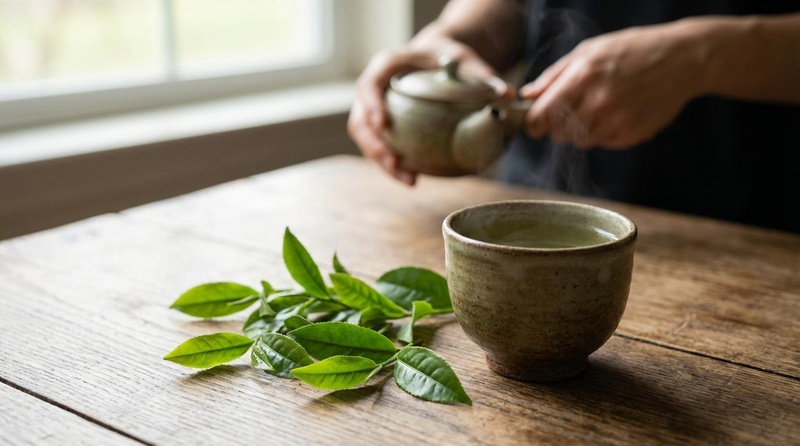
咖啡因与 L-茶氨酸的结合是提升生产力最常被复现且最有效的“组合(stacks)”之一,它利用了这两种安全化合物之间的协同作用。
- 咖啡因:作为腺苷受体拮抗剂( 和 )。通过阻断腺苷(腺苷的积累会发出疲劳信号),它能解除对多巴胺和去甲肾上腺素释放的抑制,从而促进清醒和警觉[18]。
- L-茶氨酸:一种能增加 α 脑波(8–14 Hz)的氨基酸,与“放松的警觉状态”有关。它能调节跨感觉选择性注意力,帮助过滤掉干扰[19]。
- 来源:虽然高品质的抹茶(绿茶粉)是 L-茶氨酸最强效的天然来源(通常 >20mg/g),但普通的绿茶和红茶含量较低。通常需要通过补充剂才能达到治疗剂量。
- 剂量:研究表明,特定的比例可能是最佳的;一项关键研究发现,97 毫克 L-茶氨酸与 40 毫克咖啡因结合可显著提高注意力切换任务的准确性[7:1]。
协同作用:结合使用时,L-茶氨酸能缓解咖啡因引起的神经紧张和血压飙升,同时保留其增强注意力的效果。与单独使用任何一种化合物相比,这种组合能更有效地降低容易分心的倾向[20]。
¶ Noopept
Noopept 是一种效力极强(剂量为 10-30 毫克)的肽衍生化合物。它能调节乙酰胆碱和 AMPA 受体,并增加 HIF-1(缺氧诱导因子)和 BDNF 的表达,有助于记忆巩固和神经保护[21]。
¶ 拉西坦类药物(Piracetam & Phenylpiracetam)
拉西坦类(Racetams)是一类调节神经传递的合成化合物。
- 吡拉西坦(Piracetam):作为该类药物的母体化合物,吡拉西坦作为 AMPA 谷氨酸受体的正向变构调节剂(PAM)发挥作用。它能增强神经元间的通讯,被广泛用于神经保护,尽管其对健康年轻人的急性作用通常很微弱。
- 苯吡拉西坦(Phenylpiracetam):作为吡拉西坦的苯基化类似物,该化合物的效力和亲脂性显著更高。与其母体化合物不同,苯吡拉西坦作为一种多巴胺转运蛋白(DAT)抑制剂,能增加大脑中的多巴胺水平。这赋予了它独特的精神兴奋特性,使其在压力下能有效增强动力、体力和注意力(最初是为宇航员对抗寒冷压力而开发的)[22]。
¶ 莫达非尼(Modafinil)
莫达非尼(Modafinil)是一种促觉醒剂(eugeroic),被广泛超适应症用于认知增强。在睡眠剥夺状态下,它在将警觉性和反应时间恢复至基线水平方面无与伦比,显著优于安慰剂[23]。
在休息良好的成年人中,它能改善复杂执行任务的表现,如空间规划(伦敦塔任务)和冲动控制(停止信号任务)。然而,在健康人群中的效应量(SMD = 0.12)小于睡眠剥夺人群,这表明它最好作为对抗疲劳的对策,而不是日常的增强剂[24][25]。综述强调,虽然它能改善与疲劳相关的缺陷,但它并不能替代睡眠[26][27]。
¶ 溴金刚烷(Bromantane)
溴金刚烷(Bromantane) 是一种独特的“行为保护剂(actoprotector)”,它能上调酪氨酸羟化酶(Tyrosine Hydroxylase),增加大脑*从头(de novo)*合成多巴胺的能力[28]。这为动力和体力工作能力提供了可持续的提升,而不会产生典型兴奋剂相关的耗竭感。
¶ 抗焦虑促智药(Anxiolytic Nootropics)
- 阿福巴唑(Afobazole):一种选择性抗焦虑药,可调节 sigma-1 受体和褪黑素受体。它能在不引起镇静或肌肉无力的情况下减少焦虑,并具有神经保护特性。
- 匹卡米隆(Picamilon):**烟酸(Niacin)**和 GABA 的合成复合物。烟酸部分使 GABA 能够穿过血脑屏障,在脑内水解发挥镇静作用,同时烟酸能改善脑血流。
¶ 新型与实验性化合物(Novel & Experimental Compounds)
- TAK-653:一种实验性的 AMPA 受体正向变构调节剂(PAM)。它在极少激动作用的情况下增强突触传递,提供潜在的认知益处,且兴奋性毒性风险低于早期的 AMPA 激肽(AMPAkines)[29]。
- ACD856:一种新型的 Trk 受体(神经营养因子受体)正向变构调节剂。它能增强 BDNF 和 NGF 的信号传导,旨在改善突触可塑性和记忆力。
¶ 6. 肽与生物调节剂
肽(Peptides)能够对神经营养和免疫通路进行靶向调节。
¶ Semax & Selank
- Semax:一种源自 ACTH 片段的合成肽。其主要作用包括改善选择性注意力、记忆巩固以及提供“头脑清醒”的刺激感。在机制上,它能迅速上调海马体中 BDNF 和 NGF 的表达。重要的是,Semax 不会耗竭儿茶酚胺;与迫使储存的多巴胺释放(导致“崩溃”)的安非他命不同,Semax 在调节系统的同时不会耗尽神经递质储备[30][31]。
- Selank:一种抗焦虑肽,可调节脑啡肽和多巴胺。它用于治疗广泛性焦虑并改善对压力的适应能力,常被称为“用于焦虑的 Semax”。
¶ Cerebrolysin & Cortexin
- Cerebrolysin:一种源自猪脑的肽混合物。它模拟神经营养因子(CNTF、GDNF、BDNF)的作用,在临床上用于中风恢复和 TBI(创伤性脑损伤)。它能促进神经发生和修复[32]。
- Cortexin:与 Cerebrolysin 类似,但具有不同的肽谱(源自牛/猪皮层)。它常用于认知障碍,并对 GABAergic 系统有更显著的作用。
¶ Thymalin & Epitalon
- Thymalin:一种源自胸腺的肽,可调节免疫系统。新兴研究表明,免疫健康(T-cell 功能)与认知表现(“神经免疫学”)之间存在密切联系。
- Epitalon:一种诱导端粒酶活性的合成四肽。虽然主要作为一种长寿干预手段,但它对松果体和昼夜节律(褪黑素分泌)的调节间接支持了认知维护和睡眠质量。
¶ 干预措施总结
¶ 分类方法
干预措施根据现有临床证据的质量和数量进行分类:
- 已验证:其疗效得到系统评价、荟萃分析或多项高质量人类随机对照试验 (RCTs) 的支持。作用机制已得到充分了解。
- 有前景:得到单一 RCT、强有力的动物/机制数据或较小规模人类研究的支持。证据表明有益,但需要更大规模的确证性试验。
- 实验性:主要得到临床前(动物/体外)数据的支持。人类安全性或疗效数据有限或处于初步阶段。
| 干预措施 | 机制 | 主要益处 | 证据状态 |
|---|---|---|---|
| 睡眠与运动 | 类淋巴系统清除,BDNF | 认知基础 | 🟢 已验证 |
| 猴头菇 (Lion's Mane) | NGF 合成 | 记忆力,神经健康 | 🟢 已验证 |
| 红景天 (Rhodiola Rosea) | MAO 抑制,HPA 轴 | 抗疲劳,倦怠恢复 | 🟢 已验证 |
| 假马齿苋 (Bacopa/Brahmi) | 突触修复 | 记忆保持,处理速度 | 🟢 已验证 |
| 咖啡因 + L-茶氨酸 | 腺苷拮抗 | 警觉性,放松专注 | 🟢 已验证 |
| ALCAR + ALA | 线粒体转运 | 能量,老年人认知 | 🟢 已验证 |
| 脑活素 (Cerebrolysin) | 神经营养因子 | 中风/TBI 恢复,神经保护 | 🟢 已验证 |
| Semax | BDNF/NGF 上调 | 急性专注,记忆巩固 | 🟡 有前景 |
| 溴金刚烷 (Bromantane) | 酪氨酸羟化酶上调 | 动力,体力 | 🟡 有前景 |
| Noopept | HIF-1,AMPA 调节 | 记忆力,神经保护 | 🟡 有前景 |
| 苯吡拉西坦 (Phenylpiracetam) | DAT 抑制 | 动力,高度专注 | 🟡 有前景 |
| TAK-653 | AMPA 增强 | 抑郁,突触可塑性 | 🔴 实验性 |
¶ 参考文献
Gallegos, C., et al. (2024). Total sleep deprivation effects on the attentional blink. Experimental Brain Research. Link ↩︎
Ren, Z., et al. (2025). The impact of sleep deprivation on cognitive function in healthy adults: insights from auditory P300 and reaction time analysis. Frontiers in Neuroscience. Link ↩︎
Chatburn, A., et al. (2014). Sleep deprivation and memory: Meta-analytic reviews of studies on sleep deprivation before and after learning. Psychological Bulletin. Link ↩︎
Szuhany, K. L., Bugatti, M., & Otto, M. W. (2015). A meta-analytic review of the effects of exercise on brain-derived neurotrophic factor. Journal of Psychiatric Research. Link ↩︎
Hsieh, S. S., et al. (2022). Effects of high-intensity interval training on blood lactate levels and cognition in healthy adults. Systematic Reviews. Link ↩︎
Jimenez-Maldonado, A., et al. (2022). Lactate consumption mediates repeated high-intensity interval exercise-enhanced executive function. Frontiers in Behavioral Neuroscience. Link ↩︎
Giesbrecht, T., et al. (2010). The combination of L-theanine and caffeine improves cognitive performance and increases subjective alertness. Nutritional Neuroscience. Link ↩︎ ↩︎
Hsieh, S. S., et al. (2023). High-intensity interval training, lactate, and cognition: A systematic review and meta-regression. Sports Medicine. Link ↩︎
Mrazek, A. J., et al. (2021). Attention and Default Mode Network Assessments of Meditation Experience during Active Cognition and Rest. Scientific Reports. Link ↩︎
Verhaeghen, P. (2021). Mindfulness as Attention Training: Meta-Analyses on the Links Between Attention Performance and Mindfulness Interventions. Mindfulness. Link ↩︎
Chaytor, N. S., et al. (2024). Glucose fluctuations impact cognitive function in people with Type 1 Diabetes. NPJ Digital Medicine. Link ↩︎
Witte, A. V., et al. (2014). Long-chain omega-3 fatty acids improve brain function and structure in older adults. Cerebral Cortex. Link ↩︎
Al-Ghazali, K., et al. (2024). The influence of n-3 polyunsaturated fatty acids on cognitive function in individuals without dementia: a systematic review and dose-response meta-analysis. Cureus. Link ↩︎
Montgomery, S. A., et al. (2003). Meta-analysis of double blind randomized controlled clinical trials of acetyl-L-carnitine versus placebo in the treatment of mild cognitive impairment and mild Alzheimer's disease. International Clinical Psychopharmacology. Link ↩︎
Mori, K., et al. (2009). Improving effects of the mushroom Yamabushitake (Hericium erinaceus) on mild cognitive impairment. Phytotherapy Research. Link ↩︎
Darbinyan, V., et al. (2000). Rhodiola rosea in stress induced fatigue. Phytomedicine. Link ↩︎
Kongkeaw, C., et al. (2014). Meta-analysis of randomized controlled trials on cognitive effects of Bacopa monnieri extract. Journal of Ethnopharmacology. Link ↩︎
Alexander, S. P. (2006). Flavonoids as antagonists at A1, A2A, A2B and A3 adenosine receptors. Phytotherapy Research. Link ↩︎
Gomez-Ramirez, M., et al. (2007). The deployment of intersensory selective attention: a high-density electrical mapping study of the effects of theanine. Clinical Neuropharmacology. Link ↩︎
Haskell, C. F., et al. (2008). The effects of L-theanine, caffeine and their combination on cognition and mood. Biological Psychology. Link ↩︎
Ostrovskaya, R. U., et al. (2008). Noopept stimulates the expression of NGF and BDNF in rat hippocampus. Bulletin of Experimental Biology and Medicine. Link ↩︎
Malykh, A. G., & Sadaie, M. R. (2010). Piracetam and piracetam-like drugs: from basic science to novel clinical applications to CNS disorders. Drugs. Link ↩︎
Killgore, W. D., et al. (2009). Effects of dextroamphetamine, caffeine and modafinil on psychomotor vigilance test performance after 44 h of continuous wakefulness. Sleep. Link ↩︎
Turner, D. C., et al. (2003). Cognitive enhancing effects of modafinil in healthy volunteers. Psychopharmacology. Link ↩︎
Roberts, C. A., et al. (2020). A series of meta-analyses of cognitive performance during acute administration of modafinil, methylphenidate and D-amphetamine. European Neuropsychopharmacology. Link ↩︎
Battleday, R. M., & Brem, A. K. (2015). Modafinil for cognitive neuroenhancement in healthy non-sleep-deprived subjects: A systematic review. European Neuropsychopharmacology. Link ↩︎
Wesensten, N. J. (2006). The effects of modafinil on cognitive performance in healthy, non-sleep-deprived humans. Current Pharmaceutical Design. Link ↩︎
Vakhitova, Y. V., et al. (2004). Molecular mechanism of the action of actoprotector bromantane: induction of tyrosine hydroxylase gene expression. Biochemistry (Moscow). Link ↩︎
Hara, H., et al. (2021). TAK-653, an AMPA receptor potentiator with minimal agonistic activity, produces an antidepressant-like effect with a favorable safety profile in rats. Pharmacology Biochemistry and Behavior. Link ↩︎
Dolotov, O. V., et al. (2006). Semax, an analog of ACTH(4-10) with cognitive effects, regulates BDNF and trkB expression in the rat hippocampus. Brain Research. Link ↩︎
Kaplan, M. A., et al. (2003). Neuropeptide regulation of the brain activity and behavior. Neuroscience and Behavioral Physiology. Link ↩︎
Poon, W. S., et al. (2020). Cerebrolysin after moderate to severe traumatic brain injury: prospective meta-analysis of the CAPTAIN trial series. Neurological Sciences. Link ↩︎