¶ 银杏叶 (EGb 761)
¶ 概览
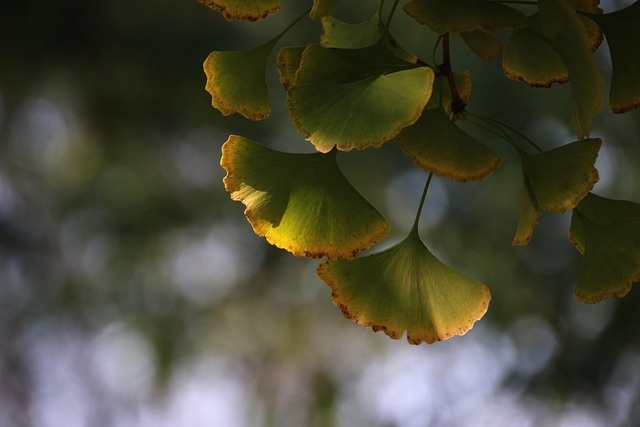
银杏叶(Ginkgo biloba)是全球研究最广泛的植物药之一,提取自古老的银杏树叶。虽然普通的银杏提取物在临床试验中表现出极不一致的结果,但本文专门关注被称为 EGb 761 的高度标准化专利提取物。这种特定的配方占据了绝大多数积极的临床数据,其经过精心设计,能够提供精确数量的生物活性化合物,同时主动去除天然植物毒素。
EGb 761 的主要活性成分是黄酮苷(flavone glycosides,强效抗氧化剂)和萜类内酯(terpene lactones,可改善血液流变学并稳定线粒体)。
它对我有帮助吗? 对于寻求“无限”认知提升的年轻健康人群来说,相关证据很薄弱。然而,对于患有轻度认知障碍、伴有行为症状的痴呆症或正从急性缺血性脑卒中恢复的老年人,EGb 761 展现出了具有统计学意义和临床意义的恢复性益处。它在某些精神疾病(如精神分裂症和广泛性焦虑症)中也显示出作为辅助治疗的潜力。
总结: 当经过适当的标准化(如 EGb 761)时,银杏叶是一种有效且非常安全的干预措施,可用于稳定认知能力下降、改善中风后恢复和增强微循环。然而,对于未受损的大脑来说,它并不是一种可靠的认知增强剂。
¶ 安全“红绿灯”
- 红灯(请勿服用): 请勿食用生银杏叶、未标准化的茶饮或廉价提取物,因为它们含有危险的高水平银杏酸(ginkgolic acids,已知的过敏原和潜在的细胞毒素)。有活动性出血或计划在 36 小时内进行大手术的个体应暂停补充。
- 黄灯(谨慎): 虽然严格的研究表明 EGb 761 本身不会增加出血风险,但传统上建议在将其与强效抗凝剂(如华法林)或抗血小板药物结合使用时要谨慎,尽管近期的数据对这一禁忌症提出了质疑。有癫痫病史的个体应谨慎使用。
- 绿灯(通常安全): 标准化提取物(特别是 EGb 761,银杏酸含量 <5 ppm)在健康和老年人群中以标准剂量使用时耐受性极好,其不良事件发生率在统计学上与安慰剂无异。
¶ 方案卡
- 剂量: 每天 120 毫克至 240 毫克。对于认知障碍、中风恢复和精神科辅助治疗,绝大多数证据支持 每天 240 毫克 作为最佳治疗剂量。较低剂量(120 毫克)在严谨的试验中往往无法与安慰剂产生显著差异。
- 配方: 专门寻找符合 EGb 761 规格的产品。这可以保证:
- 22.0–27.0% 银杏黄酮苷(Ginkgo Flavone Glycosides,包括槲皮素、山奈酚、异鼠李素)
- 5.4–6.6% 萜类内酯(Terpene Lactones,包括银杏内酯 A、B、C 和白果内酯)
- < 5 ppm 银杏酸(Ginkgolic Acids,关键的安全限制)
- 时间: 通常每天服用一次,或分成两次服用(例如,早晚各 120 毫克)。随餐服用可以减少罕见的轻度胃肠道不适。
- 周期: 无需循环。银杏叶需要长期、连续服用。临床试验中的疗效通常在连续使用 12 至 24 周后进行评估。
¶ “为什么”(益处)
¶ MCI 和痴呆症中的认知保护
EGb 761 最广泛验证的应用是治疗轻度神经认知障碍(轻度认知障碍或 MCI)和轻至中度痴呆症(包括阿尔茨海默病和血管性痴呆)。
与主要针对单一神经递质系统的药物乙酰胆碱酯酶抑制剂(acetylcholinesterase inhibitors)不同,EGb 761 提供了一种多靶点方法。一项涵盖 2,600 多名患者的具有里程碑意义的 2014 年荟萃分析表明,与安慰剂相比,每天 240 毫克的 EGb 761 可显著改善整体认知和日常生活活动 [1]。值得注意的是,该提取物对在认知能力下降的同时表现出神经精神症状(NPS,如激动、冷漠和焦虑)的患者特别有效 [1:1]。最近一项 2023 年的系统评价分析了 946 名 MCI 患者,发现在 9 项严格的试验中,有 8 项显示 EGb 761 显著优于安慰剂,特别是在改善记忆力、处理速度和执行功能方面 [2]。
¶ 急性缺血性卒中恢复
新兴的一级证据强烈支持在缺血性卒中(ischemic stroke)发生后立即使用 EGb 761。一项 2023 年的多中心随机对照试验涉及 201 名患者,比较了标准卒中后护理与标准护理加上每天 240 毫克 EGb 761(持续 24 周)的效果。与对照组相比,接受银杏提取物的患者在蒙特利尔认知评估(MoCA)得分上表现出显著更大的改善 [3]。其机制归因于缺血半暗带(核心卒中区域周围可挽救的组织)微血管灌注的改善,以及减轻继发性脑损伤的强大抗炎作用 [4]。
¶ 精神科辅助治疗:精神分裂症和焦虑症
除了神经病学之外,EGb 761 已被证明在氧化应激密切相关的精神科应用中具有价值。
- 精神分裂症(Schizophrenia): 一项包含 8 项随机对照试验的荟萃分析发现,将 EGb 761 添加到标准抗精神病药物方案中时,它可以显著改善总体症状和“阴性”症状(如冷漠和社交退缩)——这是一组众所周知难以用常规药物治疗的症状群 [5]。此外,其抗氧化特性为迟发性运动障碍(tardive dyskinesia,一种由长期使用抗精神病药物引起的运动障碍)提供了神经保护作用 [6]。
- 广泛性焦虑症(GAD): 在一项针对 107 名患有 GAD 或伴有焦虑情绪的适应障碍患者的双盲试验中,接受较高剂量 EGb 761(480 毫克/天)的患者在汉密尔顿焦虑量表(Hamilton Anxiety Rating Scale)上经历了 14.3 分的显著下降,几乎是安慰剂组下降幅度的两倍 [7]。
¶ 血管和视力益处
银杏的血液流变学(血流)特性使其成为外周和眼部疾病的关注焦点。
- 间歇性跛行(Intermittent Claudication): 对于以行走时疼痛为特征的外周动脉疾病(PAD),历史上的荟萃分析表明 EGb 761 可以适度增加无痛行走距离 [8]。然而,最近的综合评价表明这种效果微乎其微,积极锻炼仍然是黄金标准 [9]。它仍可用于无法耐受运动疗法的老年患者。
- 眼部缺血(青光眼和黄斑变性): 由于它能增加眼部血流速度,EGb 761 已被研究用于正常眼压性青光眼(NTG)和年龄相关性黄斑变性(AMD)。虽然一些小型试验表明它可以改善 NTG 的视野损伤 [10] 并降低 AMD 的氧化应激标志物 [11],但目前的系统评价得出结论,证据不足以推荐其作为主要的独立疗法 [12]。
¶ 现实检验 / 背景
- “永无止境”(Limitless)神话: 银杏被大肆宣传为供备考学生使用的记忆药丸。然而,在年轻健康的成年人中进行的严格试验通常未能显示出对记忆力或执行功能有任何有意义的增强作用。其机制是恢复性的(修复代谢缺陷和血流),而不是刺激性的。
- 标准化问题: 绝大多数积极的临床数据都专门依赖于 EGb 761 提取物。廉价的非标准化银杏产品通常含有微不足道的活性化合物,并且未能去除有毒杂质 [13]。你不能将 EGb 761 的益处外推到普通的“银杏叶粉”补充剂上。
为什么银杏酸很重要(毒性问题)
生银杏叶含有高浓度的*银杏酸*(ginkgolic acids)。这些是具有严重致敏性、细胞毒性和潜在致突变特性的烷基酚 [^14]。信誉良好的 EGb 761 制造商利用多步专利丙酮提取工艺洗去这些毒素,确保最终产品中的含量低于百万分之五(ppm)。相反,非标准化的商业产品和生叶茶被发现含有灾难性水平的银杏酸(高达 89,000 ppm)[^15]。当政府卫生机构报告啮齿动物模型中的“银杏毒性”或致癌性时,他们普遍测试的是含有大量这些有毒酸的粗制、非标准化提取物,而不是 EGb 761。¶ 作用机制
EGb 761 的疗效源于两大类植物化学物质之间复杂的协同作用,它们通过不同但互补的生物学途径发挥作用:
- 黄酮苷(Flavone Glycosides)(抗氧化屏障):
该部分主要由槲皮素(quercetin)、山奈酚(kaempferol)和异鼠李素(isorhamnetin)组成,可穿过血脑屏障充当强效的自由基清除剂。它们中和活性氧(ROS)和活性氮(RNS),阻止神经元膜中的脂质过氧化 [14]。至关重要的是,它们不仅作为直接的抗氧化剂;它们还触发内源性抗氧化酶的细胞上调,例如超氧化物歧化酶(SOD)[15]。 - 萜内酯(Terpene Lactones)(血液流变学与线粒体调节剂):
- 银杏内酯(Ginkgolides)(A、B、C): 银杏内酯 B(Ginkgolide B)是已知最强效的血小板活化因子(PAF)天然拮抗剂之一 [16]。通过阻断 PAF 受体,银杏内酯 B 抑制微血管血栓形成,显著降低血液粘度,并改善微循环,而不会显着改变全身凝血时间 [17]。
- 白果内酯(Bilobalide): 这种独特的化合物通过稳定线粒体功能提供深度的神经保护作用。它维持线粒体膜电位,在缺血应激期间保护呼吸链的复合物 I、IV 和 V,并防止导致神经元死亡的能量衰竭(ATP 耗竭)[18]。此外,白果内酯直接抑制细胞色素 c 的释放,从而防止由淀粉样蛋白-β 毒性诱导的 caspase-3 细胞凋亡(程序性细胞死亡)级联反应的激活 [19]。
¶ 证据总结表(人体结果)
| 结果 | 证据等级 | 方向 | 总结 | 引用 |
|---|---|---|---|---|
| 认知功能(痴呆/MCI) | 高 | 积极 | 强有力的荟萃分析表明,与安慰剂相比,EGb 761(240 毫克/天)显著改善了认知、日常功能和神经精神症状。 | [1:2], [2:1] |
| 缺血性中风恢复 | 中 | 积极 | 多中心随机对照试验(RCT)表明,中风后服用 240 毫克/天的 EGb 761 可显著改善认知恢复(MoCA 评分)。 | [3:1] |
| 精神分裂症(辅助) | 中 | 积极 | 系统评价显示,当与标准抗精神病药物一起使用时,总体症状和阴性症状有显著改善。 | [5:1] |
| 广泛性焦虑症 | 低 | 积极 | 来自一项大型、设计良好的 RCT 的证据表明,在 480 毫克和 240 毫克/天的剂量下,HAMA 焦虑评分显著降低。 | [7:1] |
| 间歇性跛行 | 中 | 混合 | 历史荟萃分析显示无痛步行距离有适度改善,但现代 Cochrane 评价发现,与运动相比,其临床效果微乎其微。 | [8:1], [9:1] |
| 正常眼压性青光眼 | 低 | 混合 | 小型试验显示通过增加眼部血流对视野有一定改善,但系统评价认为证据不足以作为标准推荐。 | [10:1], [12:1] |
| 耳鸣(原发性) | 低 | 中性 | 严格的系统评价表明,在治疗原发性耳鸣方面,任何有意义的临床益处的证据都很薄弱且不充分。 | [20] |
| 性功能障碍(SSRI 诱导) | 低 | 混合 | 较早的开放标签试验表明有益,但最近的系统评价发现,与安慰剂相比,证据不确定或薄弱。 | [21] |
¶ 综合安全性与毒理学
EGb 761 最引人注目的方面之一是其安全性,在大型试验中通常与安慰剂相当 [1:3]。然而,这种安全性完全取决于提取物的标准化。
- 出血风险: 因为银杏内酯 B 抑制血小板活化因子(PAF),银杏通常被认为会增加出血风险。然而,针对 EGb 761 的严格系统评价明确显示其对凝血参数(凝血酶原时间,aPTT)没有影响 [22]。在 2021 年一项关键的双盲 RCT 中,明确表明 EGb 761 不会增强华法林或阿司匹林的出血作用 [23]。尽管如此,保守的医疗实践通常仍要求在进行大手术前暂停服用该补充剂。
- CYP450 代谢(药物相互作用): 草药补充剂抑制或诱导细胞色素 P450 酶(从而改变药物的清除率)的潜力是一个主要问题。为了解决这个问题,研究人员使用 EGb 761 和五种主要途径的探针药物进行了一项决定性的体内“鸡尾酒相互作用”研究。结果证明,长期服用 EGb 761(240 毫克/天)对 CYP1A2、CYP2C9、CYP2C19、CYP2D6 或 CYP3A4 没有临床相关的抑制或诱导作用 [24]。因此,EGb 761 可以安全地与绝大多数药物共同给药。
- 癫痫发作阈值: 高剂量的生银杏种子或高度污染的叶提取物含有银杏毒素(ginkgotoxin,4'-O-甲基吡哆醇),这是一种抗维生素 B6 化合物,会降低癫痫发作阈值。标准化的 EGb 761 叶提取物几乎不含银杏毒素,但仍建议已知有癫痫病史的个体谨慎使用。
¶ 对比
- 人参(Panax Ginseng): 经常在商业“健脑混合物”中与银杏搭配使用。虽然银杏主要作用于血液流变学、微循环和氧化应激,但人参作为一种全身性适应原,通过调节 HPA 轴来减少身心疲劳。
- 长春西汀(Vinpocetine): 另一种用于增加脑血流量的化合物。长春西汀具有更快速、更强烈的局部血管舒张作用,但银杏(Ginkgo biloba,EGb 761)拥有更庞大、更严格的一级临床证据体系,支持其在维持认知方面的长期安全性和有效性。
¶ 参考文献
Gauthier, S., & Schlaefke, S. (2014). Efficacy and tolerability of Ginkgo biloba extract EGb 761® in dementia: a systematic review and meta-analysis of randomized placebo-controlled trials. Clinical Interventions in Aging, 9, 2065–2077. https://www.dovepress.com/efficacy-and-tolerability-of-ginkgo-biloba-extract-egb-761reg-in-demen-peer-reviewed-fulltext-article-CIA ↩︎ ↩︎ ↩︎ ↩︎
Hort, J., Duning, T., & Hoerr, R. (2023). Ginkgo biloba extract EGb 761 in the treatment of patients with mild neurocognitive impairment: A systematic review. Neuropsychiatric Disease and Treatment, 19, 647-660. https://pmc.ncbi.nlm.nih.gov/articles/PMC10041984/ ↩︎ ↩︎
Cui, M., et al. (2023). Ginkgo biloba extract EGb 761® improves cognition and overall condition after ischemic stroke: Results from a pilot randomized trial. Frontiers in Pharmacology, 14, 1147860. https://www.frontiersin.org/journals/pharmacology/articles/10.3389/fphar.2023.1147860/full ↩︎ ↩︎
Natural Health Research Institute. (2023). Gingko Biloba Extract EGb 761 Improves Cognitive Assessment Scores Relating to Delayed Recall and Language in Post-Stroke Patients. http://naturalhealthresearch.org/gingko-biloba-extract-egb-761-improves-cognitive-assessment-scores-relating-to-delayed-recall-and-language-in-post-stroke-patients/ ↩︎
Chen, X., et al. (2015). Efficacy and safety of extract of Ginkgo biloba as an adjunct therapy in chronic schizophrenia: A systematic review. Psychiatry Research, 228(1), 121-127. https://pubmed.ncbi.nlm.nih.gov/25980333/ ↩︎ ↩︎
Zhang, W. F., et al. (2011). Review and meta-analysis of usage of Ginkgo as an adjunct therapy in chronic schizophrenia. Schizophrenia Research, 131(1-3), 263-264. https://www.researchgate.net/publication/26832685_Review_and_meta-analysis_of_usage_of_Ginkgo_as_an_adjunct_therapy_in_chronic_schizophrenia ↩︎
Woelk, H., et al. (2007). Ginkgo biloba special extract EGb 761 in generalized anxiety disorder and adjustment disorder with anxious mood: a randomized, double-blind, placebo-controlled trial. Journal of Psychiatric Research, 41(6), 472-480. https://www.ovid.com/journals/ejsh/fulltext/01253107-200801000-00023~ginkgo-biloba-special-extract-egb-761-in-generalized-anxiety ↩︎ ↩︎
Pittler, M. H., & Ernst, E. (2000). Ginkgo biloba extract for the treatment of intermittent claudication: a meta-analysis of randomized trials. The American Journal of Medicine, 108(4), 276-281. https://www.semanticscholar.org/paper/Demonstration-of-the-efficacy-of-ginkgo-biloba-EGb-Peters-Kieser/c14db7c276b942abd65a112affea4a65450f9ff1 ↩︎ ↩︎
Nicolaï, S. P., et al. (2009). Ginkgo Biloba for Intermittent Claudication. Cochrane Database of Systematic Reviews. https://www.herbalgram.org/resources/herbclip/issues/2011/bin_428/041152-428/ ↩︎ ↩︎
Quaranta, L., et al. (2003). Effect of Ginkgo biloba extract on preexisting visual field damage in normal tension glaucoma. Ophthalmology, 110(2), 359-362. https://www.herbalgram.org/resources/herbclip/issues/2003/bin_244/review43693/ ↩︎ ↩︎
Martinez-Sánchez, L., et al. (2023). Ginkgo Biloba Extract 761 Reduces the Risk of Progression of Age-Related Macular Degeneration. Ciencia y Tecnología para la Salud Visual y Ocular. https://saludvisual.lasalle.edu.co/article/download/1413/1383/1303 ↩︎
Asia Pacific Journal of Ophthalmology. (2020). Ginkgo Biloba Extract in Ophthalmic and Systemic Disease. https://pmc.ncbi.nlm.nih.gov/articles/PMC11828365/ ↩︎ ↩︎
Kulić, Ž., et al. (2022). Quality of Ginkgo biloba products: A survey of products available in Europe and on the internet. Frontiers in Pharmacology, 13, 9593214. https://pmc.ncbi.nlm.nih.gov/articles/PMC9593214/ ↩︎
Müller, W. E., et al. (2017). The mitochondrial cascade hypothesis of dementia and the corresponding potential of the Ginkgo biloba extract EGb 761. The World Journal of Biological Psychiatry, 18(3), 162-171. https://www.tandfonline.com/doi/full/10.1080/15622975.2017.1308552 ↩︎
Singh, S. K., et al. (2015). Neuroprotective and Antioxidant Effect of Ginkgo biloba Extract Against AD and Other Neurological Disorders. Frontiers in Pharmacology, 6, 206. https://www.frontiersin.org/journals/pharmacology/articles/10.3389/fphar.2015.00206/full ↩︎
Synapse. (2024). What is the mechanism of EGb 761. https://synapse.patsnap.com/article/what-is-the-mechanism-of-egb-761 ↩︎
DeFeudis, F. V., & Drieu, K. (2000). Ginkgo biloba extract (EGb 761) and CNS functions: basic studies and clinical applications. Current Drug Targets, 1(1), 25-58. https://pubmed.ncbi.nlm.nih.gov/10481350/ ↩︎
Frontiers. (2025). Ginkgo biloba Extract EGb 761: Composition and Efficacy. https://www.frontiersin.org/journals/pharmacology/articles/10.3389/fphar.2025.1673248/full ↩︎
Shi, C., et al. (2010). Ginkgo biloba Extract in Alzheimer's Disease: From Action Mechanisms to Medical Practice. International Journal of Molecular Sciences, 11(1), 107-123. https://www.mdpi.com/1422-0067/11/1/107 ↩︎
Sereda, M., Xia, J., Scutt, P., Hilton, M. P., El Refaie, A., & Hoare, D. J. (2022). Ginkgo biloba for tinnitus. The Cochrane Database of Systematic Reviews, 11(11), CD013514. https://pubmed.ncbi.nlm.nih.gov/36383762/ ↩︎
Akbari, F., Rezaei, M., & Khatony, A. (2021). A systematic review of clinical trials on Ginkgo (Ginkgo biloba) effectiveness on sexual function and its safety. Avicenna Journal of Phytomedicine, 11(4), 324-331. https://www.ncbi.nlm.nih.gov/pmc/articles/PMC8264219/ ↩︎
Kellermann, A. J., & Kloft, C. (2011). Is there a risk of bleeding associated with standardized Ginkgo biloba extract therapy? A systematic review and meta-analysis. Pharmacotherapy, 31(5), 490-502. https://www.researchgate.net/publication/51648000_Is_There_a_Risk_of_Bleeding_Associated_with_Standardized_Ginkgo_biloba_Extract_Therapy_A_Systematic_Review_and_Meta-analysis ↩︎
Kloft, C., & Hoerr, R. (2021). EGb 761® Does Not Affect Blood Coagulation and Bleeding Time in Patients with Probable Alzheimer’s Dementia—Secondary Analysis of a Randomized, Double-Blind Placebo-Controlled Trial. Healthcare, 9(12), 1678. https://www.mdpi.com/2227-9032/9/12/1678 ↩︎
Zadoyan, G., et al. (2012). Effect of Ginkgo biloba special extract EGb 761® on human cytochrome P450 activity: a cocktail interaction study in healthy volunteers. European Journal of Clinical Pharmacology, 68(5), 553-560. https://pmc.ncbi.nlm.nih.gov/articles/PMC3332346/ ↩︎