¶ title: Wrinkles and Skin Elasticity: Deep Dive
description: A practical, evidence-based guide to preventing and treating wrinkles and skin laxity, covering biology, topicals, peptides, devices, and clinical procedures.
published: 1
date: 2026-07-06T18:25:08.049Z
tags: aging, collagen, deep-dive, dermatology, fillers, ghk-cu, hyaluronic-acid, lasers, microneedling, photoaging, red-light-therapy, retinoids, skin-health, wrinkles, skin-elasticity, botulinum-toxin, glycation
editor: markdown
dateCreated: 2026-07-06T18:25:08.049Z
¶ Wrinkles and Skin Elasticity: A Deep Dive Guide
Wrinkles and the loss of skin elasticity are key indicators of skin aging, resulting from a complex interplay of genetic predispositions and environmental factors like sun exposure, pollution, and lifestyle choices. This guide serves as a practical, evidence-based resource, delving into the underlying biology and offering a comprehensive spectrum of interventions—from daily skincare and oral supplements to advanced clinical procedures—aimed at restoring youthful skin structure and function.
¶ TL;DR
- Multifaceted Aging: Skin aging involves cumulative damage to collagen and elastin, driven by photoaging, glycation, and repetitive facial movements.
- Foundational Pillars: Daily, broad-spectrum sunscreen (SPF 30+) is non-negotiable for prevention. Topical retinoids (e.g., tretinoin, retinaldehyde) are the gold standard for collagen stimulation and wrinkle reduction [1].
- Oral Support: Hydrolyzed collagen (2.5-10g/day) and hyaluronic acid (120-200mg/day) supplements can significantly improve skin hydration, elasticity, and reduce wrinkle depth systemically [2][3].
- Targeted Topicals: GHK-Cu copper peptides (0.5-2.5%) stimulate collagen/elastin production and enhance skin density [4][5].
- Advanced Tools: Microneedling, red light therapy, lasers, botulinum toxin, and dermal fillers provide significant clinical improvements for various wrinkle types and skin laxity [6][7][8][9].
- Realistic Expectations: Consistency is key; significant results often take 3-12 months. Some advanced laxity or deep wrinkles may require surgical consultation.
¶ Quick Answer
Wrinkles and diminished skin elasticity are primarily caused by the degradation of dermal collagen and elastin fibers, often accelerated by chronic ultraviolet (UV) exposure (photoaging) and the formation of Advanced Glycation End-products (AGEs), compounded by repetitive facial muscle contractions. Effective strategies combine daily photo-protection and topical retinoids with oral supplements like collagen and hyaluronic acid, alongside in-clinic procedures such as microneedling, red light therapy, lasers, and injectables. These interventions can lead to a 10-30% reduction in wrinkle depth and improved skin firmness within 3-12 months, depending on the chosen modality and initial skin condition [2:1][6:1][7:1][8:1].
¶ First: Identify the Type of Wrinkles and Skin Laxity
Accurately identifying the type of wrinkle or skin laxity is the first step toward a targeted and effective treatment plan.
| Type of Wrinkle/Laxity | Description | Primary Cause | Best Interventions |
|---|---|---|---|
| Fine Lines & Dryness | Superficial, shallow lines, often around eyes/mouth, exacerbated by dehydration. | Dehydration, early collagen loss. | Hydrating topicals (HA), consistent moisturization, mild retinoids. |
| Dynamic Wrinkles | Lines formed by repetitive muscle movements (e.g., frown lines, crow's feet, forehead lines). Visible with facial expression. | Repetitive muscle contractions. | Botulinum toxin (Botox, Dysport), neuromodulators. |
| Static Wrinkles | Lines present even when the face is at rest. Deeper creases. | Chronic photoaging (sun damage), collagen/elastin degradation, gravity. | Topical retinoids, lasers, dermal fillers, microneedling. |
| Crepey Skin | Thin, crinkled skin resembling crepe paper, often on décolletage, neck, inner arms. | Significant epidermal thinning, widespread collagen/elastin loss. | Topical retinoids, GHK-Cu, red light therapy, fractional lasers, biostimulators. |
| Skin Laxity / Sagging | Loose skin, particularly around jawline, neck, eyelids. | Loss of structural collagen/elastin, subcutaneous fat, gravitational pull. | Dermal fillers, biostimulators, radiofrequency (RF) microneedling, surgical lift. |
¶ Biology of Wrinkles and Skin Elasticity
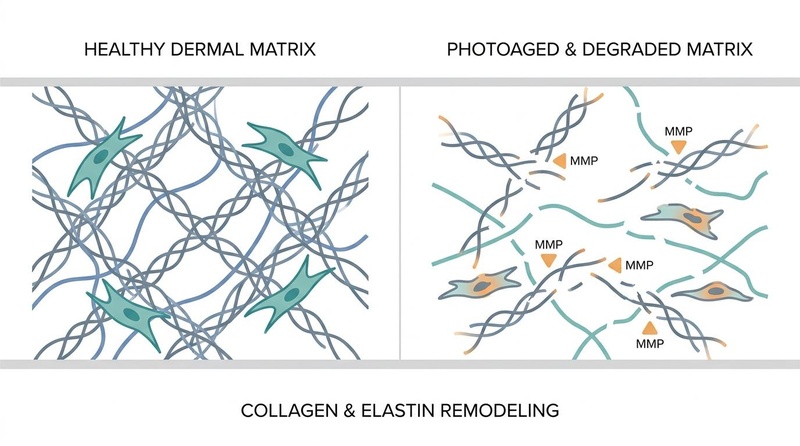
The structural integrity and youthful appearance of skin are maintained by a complex extracellular matrix (ECM) within the dermis, primarily composed of collagen and elastin fibers, embedded in a ground substance of hyaluronic acid and proteoglycans. Disruptions to this matrix lead to the visible signs of aging.
¶ Key Biological Drivers of Wrinkles and Laxity
-
Collagen Degradation and Reduced Synthesis:
- Collagen: The most abundant protein in the dermis, forming strong, triple-helical fibers that provide structural support and tensile strength.
- Aging Impact: After age 20, collagen production decreases by approximately 1% per year [10]. Simultaneously, enzymatic breakdown (e.g., by matrix metalloproteinases, or MMPs) accelerates, leading to a net loss of collagen [11]. This thinning and disorganization of the collagen network directly contributes to wrinkles and loss of firmness.
- Dermal Thinning: The overall thinning of the dermal layer is a direct consequence of this net collagen loss, reducing the skin's structural support.
-
Elastin Fragmentation and Impaired Elastogenesis:
- Elastin: A protein that provides skin with its elasticity, allowing it to stretch and recoil. It forms a network of elastic fibers within the dermis.
- Aging Impact: With age, elastin fibers become fragmented, calcified, and less functional. The body's ability to repair or replace damaged elastin (elastogenesis) significantly declines, leading to reduced skin recoil and increased laxity [11:1].
-
Photoaging (UV Radiation Damage):
- Mechanism: Chronic exposure to ultraviolet (UV) radiation (especially UVA and UVB from sunlight) is the primary extrinsic cause of premature skin aging. UV light generates reactive oxygen species (ROS), which activate MMPs. These MMPs then aggressively degrade collagen and elastin [11:2].
- Clinical Effect: Photoaging manifests as deep static wrinkles, mottled pigmentation, textural changes, and severe laxity.
-
Glycation (Advanced Glycation End-products - AGEs):
- Mechanism: Glycation is a non-enzymatic reaction where sugars (like glucose) bind to proteins (like collagen and elastin), forming Advanced Glycation End-products (AGEs).
- Aging Impact: AGEs accumulate with age and are accelerated by high blood sugar. They stiffen collagen and elastin fibers, making them less flexible and more prone to breakage, further impairing the skin's structural integrity and contributing to wrinkles and a yellowish skin tone [12][13].
- Dermal Thinning: Glycated collagen is less able to interact with fibroblasts and form new collagen, indirectly contributing to dermal thinning.
-
Facial Movement (Dynamic Wrinkles):
- Mechanism: Repetitive contractions of underlying facial muscles (e.g., orbicularis oculi for crow's feet, corrugator supercilii for frown lines) create transient skin folds. Over time, these dynamic folds become permanently etched into the skin as static wrinkles, especially as collagen and elastin degrade [8:2].
¶ Does It Work? (Evidence Snapshot)
¶ Oral Supplements for Skin Health (Human Effect Matrix)
| Outcome | Population | Effect Size | Confidence | Trials | Notes |
|---|---|---|---|---|---|
| Skin Hydration | Healthy Adults | High | 26 RCTs (Meta) [14] | Oral collagen (2.5-10g/day) & HA (120-200mg/day) consistently increase skin moisture [2:2][3:1] | |
| Skin Elasticity | Healthy Adults | High | 19 RCTs (Meta) [15] | Oral collagen & HA significantly improve skin's "snap-back" properties over 8-12 weeks [2:3][16] | |
| Wrinkle Depth Reduction | Adults (mild-moderate) | Moderate | 7 RCTs (Meta) [3:2] | Oral HA (120mg/day) reduces periorbital wrinkles 10-20% in 12 weeks [17][18] | |
| Dermal Density | Adults (mild-moderate) | Moderate | 2 RCTs [16:1] | Oral HA increases epidermal thickness & deep dermal density on ultrasound [17:1] |
¶ Topical & Device Interventions (Human Effect Matrix)
| Outcome | Population | Effect Size | Confidence | Trials | Notes |
|---|---|---|---|---|---|
| Fine Lines & Wrinkles | Adults (photoaged) | High | Many RCTs [1:1] | Topical retinoids (tretinoin, tazarotene) are gold standard for wrinkle reduction [1:2] | |
| Skin Elasticity & Clarity | Adults (photoaged) | High | 2 RCTs [5:1] | GHK-Cu creams significantly improve skin density, clarity, and elasticity [4:1] | |
| Collagen Density | Adults (photoaged) | High | 1 RCT [7:2] | Red light therapy (660nm) significantly increases intradermal collagen density [7:3] | |
| Dynamic Wrinkles (e.g., frown) | Adults | High | Many RCTs [8:3] | Botulinum toxin consistently reduces dynamic wrinkles for 3-6 months [8:4] | |
| Static Wrinkles (deep) | Adults | High | Many RCTs [19] | Dermal fillers (HA, PLLA, CaHA) provide immediate volume & collagen stimulation [9:1] | |
| Scar Remodeling & Laxity | Adults | Moderate | 2 RCTs [6:2] | Microneedling induces significant collagen type I/III, elastin, and epidermal thickening [6:3] |
¶ Who Benefits Most / Least
Benefits Most:
- Individuals with early to moderate signs of photoaging (fine lines, mild discoloration, textural irregularities) can see substantial improvement with a consistent foundational regimen.
- Those with specific, treatable concerns like dynamic wrinkles, volume loss, or mild-to-moderate laxity.
- Anyone prioritizing long-term prevention of future skin damage and collagen loss.
Benefits Least:
- Individuals with severe skin laxity, extensive deep static wrinkles, or significant sun damage may require more aggressive clinical interventions, potentially including surgical options, for optimal results.
- Those with active skin infections, certain autoimmune conditions, bleeding disorders, or highly sensitive skin may have contraindications to specific treatments.
- Unrealistic expectations or inconsistent adherence to treatment protocols will limit outcomes.
¶ How to Try It: Actionable Protocols
A multi-modal strategy, layering foundational care with targeted interventions, typically yields the most comprehensive and satisfying results.
¶ Starter Protocol: Foundational Anti-Aging (Daily & Consistent)
This protocol focuses on universal prevention and mild correction, suitable for most individuals seeking to improve overall skin health and address early signs of aging.
- Daily Broad-Spectrum Sunscreen (SPF 30+):
- Dosage: Apply generously (approximately 1/4 teaspoon for the face alone) every morning as the last step in your skincare routine.
- Timing: Reapply every 2-3 hours if outdoors, sweating, or swimming.
- Rationale: This is the single most critical intervention for preventing sunlight-induced photoaging and preserving existing collagen and elastin [1:3].
- Topical Retinoid (PM):
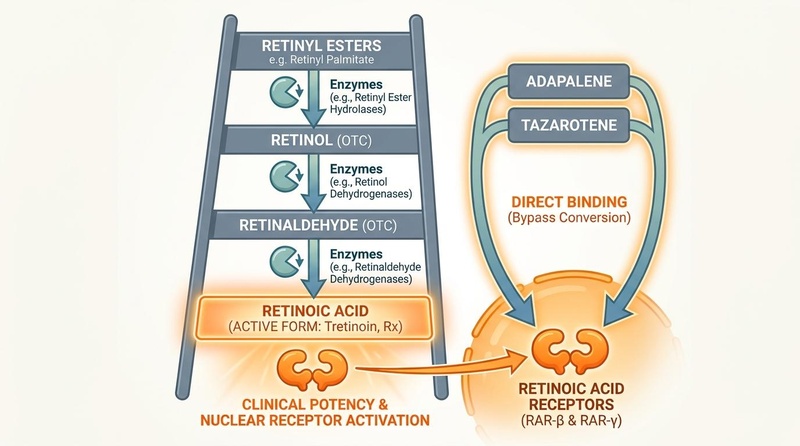
- Dosage: Start with an over-the-counter (OTC) retinol (0.25-0.5%) or retinaldehyde (0.05-0.1%) every other night for 2-4 weeks.
- Progression: Gradually increase frequency to nightly as tolerated. For enhanced efficacy, consider a prescription-strength retinoid like tretinoin (0.025-0.05%) or tazarotene (0.05-0.1%) under clinical supervision [1:4].
- Application: Apply to clean, dry skin after cleansing, before moisturizer.
- Rationale: Retinoids are proven to stimulate collagen production, accelerate cell turnover, and reduce the appearance of fine lines, wrinkles, and hyperpigmentation [1:5].
- Oral Collagen Peptides:
- Oral Hyaluronic Acid:
- Dosage: Take 120-200mg of oral hyaluronic acid daily.
- Timing: Can be taken any time.
- Rationale: Enhances skin moisture content, reducing dryness and contributing to a plumper appearance [3:3].
- Antioxidant Serum (AM):
- Dosage: Apply a vitamin C serum (L-ascorbic acid 10-20%) in the morning.
- Rationale: Neutralizes free radicals generated by UV exposure and pollution, and boosts collagen synthesis [5:2].
¶ Stronger Add-Ons: Targeted Interventions
For more pronounced wrinkles, specific types of laxity, or accelerated results, consider integrating these advanced topical and device-based interventions.
- For Fine Lines, Texture, & Mild Laxity:
- Topical GHK-Cu Peptide Cream: Apply a GHK-Cu copper peptide cream (0.5-2.5%) daily to target areas. Clinical studies demonstrate improvements in skin density, elasticity, and wrinkle reduction by stimulating collagen and elastin [4:2][5:3].
- Red Light Therapy (Photobiomodulation): Incorporate daily at-home or in-office sessions using devices emitting red (630-660nm) and near-infrared (810-850nm) light. This non-invasive therapy boosts mitochondrial function in fibroblasts, leading to increased collagen and elastin synthesis and improved skin tone and texture [7:4].
¶ Clinical/Procedure Path: Advanced Solutions
For deep static wrinkles, significant volume loss, or substantial skin laxity that topical and at-home interventions cannot adequately address, clinical procedures offer more dramatic and immediate results. These should always be performed by a qualified dermatologist or plastic surgeon.
- For Dynamic Wrinkles (Forehead, Crow's Feet, Frown Lines):
- Botulinum Toxin (Botox, Dysport, Xeomin): Injectable neuromodulators relax specific facial muscles, reducing lines caused by movement. Effects typically last 3-6 months [8:5].
- For Fine Lines, Texture, Scars, & Mild-to-Moderate Laxity:
- Microneedling (Collagen Induction Therapy): In-office treatments using fine needles create controlled micro-injuries, stimulating the skin's natural wound healing response and robust collagen and elastin production. Often performed in 3-6 sessions, 4-6 weeks apart [6:4]. Radiofrequency (RF) microneedling combines microneedling with heat for enhanced tightening.
- Fractional Lasers (e.g., CO2, Erbium): Ablative or non-ablative lasers create microscopic thermal zones, promoting significant collagen remodeling. Ablative lasers offer more dramatic results but require longer downtime; non-ablative options are gentler with minimal downtime. Typically 1-3 sessions [1:6].
- For Moderate-to-Severe Static Wrinkles, Laxity, & Volume Loss:
- Dermal Fillers (Hyaluronic Acid, PLLA, CaHA): Injectable gels restore lost volume, smooth deep wrinkles, and can stimulate long-term collagen production (biostimulators like Poly-L-Lactic Acid (PLLA) or Calcium Hydroxyapatite (CaHA)) [9:2][19:1].
- Chemical Peels (Medium-Deep): Trichloroacetic acid (TCA) peels or deeper peels can address significant sun damage, hyperpigmentation, and static wrinkles by removing damaged outer layers of skin and stimulating regeneration.
- For Significant Skin Laxity (e.g., Jowls, Neck):
- Energy-Based Devices (e.g., Ultherapy, Thermage): Ultrasound or radiofrequency energy delivers controlled heat to deeper dermal layers, stimulating collagen contraction and new collagen formation for lifting and tightening.
- Surgical Interventions (e.g., Facelift, Neck Lift): For severe laxity, surgical procedures offer the most comprehensive and long-lasting correction by physically removing excess skin and tightening underlying structures.
¶ What Fails / What Not to Do
- Skipping Sunscreen: The most common and detrimental mistake. Without consistent sun protection, all other anti-aging efforts are significantly undermined, as new damage accumulates daily [1:7].
- "More is Better" with Retinoids: Overuse or starting with high concentrations too quickly can lead to excessive irritation, redness, and peeling, which can cause inflammation and actually worsen skin health over time [1:8].
- Expecting Miracles from a Single Product: Skin aging is multifactorial. Relying on one cream or supplement to undo years of damage or address complex issues is unrealistic. A multi-modal, consistent approach is key.
- Ignoring Lifestyle Factors: Chronic stress, poor sleep, inadequate nutrition, smoking, and excessive alcohol consumption all contribute to skin aging by increasing oxidative stress and inflammation.
- Unrealistic Expectations: While significant improvement is achievable, complete "reversal" to a much younger state is not. Focus on realistic, measurable improvements in texture, tone, and wrinkle depth.
- Fabricated or Unverified DIY Methods: Relying on unproven home remedies or unverified "hacks" not supported by scientific evidence can be ineffective or even harmful.
¶ Tracking & What “Good” Looks Like
Consistent tracking helps assess the efficacy of interventions and allows for adjustments to your protocol.
¶ Objective & Biomarker Tracking (Clinical or Advanced At-Home)
- Skin Hydration: Measured using a corneometer (in-clinic or advanced at-home devices). Goal: Increased hydration levels.
- Skin Elasticity: Measured using a cutometer (in-clinic). Goal: Improved skin recoil and firmness.
- Dermal Density/Thickness: Measured via high-resolution ultrasound (in-clinic) [16:2]. Goal: Increased epidermal thickness and dermal density, indicating new collagen formation.
- Wrinkle Depth: Quantified using 3D imaging systems (in-clinic). Goal: Reduction in wrinkle depth and volume.
¶ Subjective Metrics & Visual Assessment (At-Home)
- Standardized Photography: Take photos (same lighting, angle, distance, expression) every 4-8 weeks to track subtle changes in wrinkle depth, skin texture, tone, and pigmentation.
- Tactile Assessment: Note changes in skin smoothness, plumpness, and overall feel.
- Self-Perception: How do you feel about your skin's appearance, and how does it impact your confidence?
- Skin Diary: Log products used, supplements, diet, sleep, and any observed changes or reactions.
¶ Time-to-Benefit and Time-to-Washout
-
Immediate (Days-Weeks):
-
Short-Term (8-12 Weeks):
-
Medium-Term (3-6 Months):
-
Long-Term (6+ Months):
- Collagen Biostimulators (PLLA, CaHA): Continued collagen formation and sustained results [9:4].
-
Time-to-Washout:
- Botulinum Toxin: 3-6 months [8:7].
- Hyaluronic Acid Fillers: 6-18 months (product-dependent).
- Collagen Biostimulators: Years, as they induce new collagen.
- Topicals/Supplements: Benefits cease within weeks to months of discontinuation.
¶ Safety, Interactions, Red Flags
¶ Who Should Avoid
- Pregnancy/Lactation: Most retinoids (especially prescription), botulinum toxin, and dermal fillers are contraindicated.
- Active Skin Infections/Open Wounds: Avoid microneedling, lasers, and injectables until healed.
- Certain Medical Conditions: Bleeding disorders, severe allergies to filler ingredients, or neurological disorders affecting muscle tone constitute absolute contraindications.
- Sun Sensitivity: Retinoids increase photosensitivity; strict sun protection is critical.
¶ Common Side Effects and How to Mitigate
- Topical Retinoids: Redness, dryness, peeling, irritation (the "retinization" period). Mitigate by starting with lower concentrations, gradual introduction (every other night), buffering with moisturizer, and using hydrating ingredients (e.g., hyaluronic acid, ceramides).
- Botulinum Toxin: Temporary bruising, swelling, headache, eyelid ptosis (drooping) if injected improperly. Minimize by choosing an experienced injector.
- Dermal Fillers: Bruising, swelling, redness, and tenderness at injection sites are common. Rare risks include vascular occlusion, a critical complication requiring immediate hyaluronidase reversal.
- Microneedling/Lasers:** Redness, swelling, mild discomfort, temporary hyperpigmentation (especially in darker skin types if not performed correctly). Follow post-procedure care diligently.
- Oral Supplements (Collagen, HA): Generally well-tolerated. Mild gastrointestinal upset (bloating, fullness) in some individuals.
¶ Drug/Supplement Interactions
- Retinoids: Use caution with other exfoliating agents (AHAs, BHAs) to avoid excessive irritation.
- Blood Thinners: Avoid NSAIDs, aspirin, fish oil, vitamin E, and other blood thinners prior to injectables or microneedling to reduce bruising risk.
¶ Stop Criteria and Red Flags
- Severe Allergic Reaction: Anaphylaxis, localized hives, or angioedema post-injection requires immediate medical emergency protocol.
- Signs of Infection: Increasing redness, warmth, pain, pus, fever after any invasive procedure.
- Vascular Occlusion (Fillers): Characterized by acute localized pain, immediate skin blanching, livedo reticularis, or sluggish capillary refill, indicating direct arterial compression or embolization.
- Persistent/Severe Irritation: If retinoid-induced irritation is unmanageable despite mitigation strategies.
- Refractory Cases: Inadequate clinical response or asymmetrical results can be addressed via touch-up treatments, dosage titrations, or switching modalities.
¶ Common Mistakes & Myths
- Myth: Stronger is Always Better with Retinoids. False. Excessive irritation from too-strong or too-frequent retinoid use can lead to inflammation, which accelerates skin aging. "Low and slow" is the effective strategy to build tolerance [1:10].
- Mistake: Skipping Sunscreen. The cardinal sin of anti-aging. Daily, consistent use of broad-spectrum sunscreen is the most effective preventive measure. Without it, new damage accumulates, negating the benefits of other treatments [1:11].
- Myth: Topical Collagen/HA Penetrates Deeply Enough to Build Collagen. False. Due to their large molecular size, most topical collagen and hyaluronic acid molecules do not penetrate the dermis to stimulate new collagen. Oral supplements or injectable forms are required for deeper effects [3:6][15:1].
- Mistake: Only Relying on a Single Intervention. Optimal and comprehensive results for wrinkles and laxity almost always come from a combination approach (e.g., sunscreen + retinoids + oral supplements + targeted device/procedure).
- Myth: "Natural" Skincare is Always Safer and More Effective. False. Many natural ingredients lack robust scientific evidence for anti-aging efficacy, and some can be irritating or allergenic. Evidence-based ingredients and formulations are key, regardless of their origin.
¶ Decision Tree (Text-Based)
- If primary concern is dynamic wrinkles (e.g., forehead lines, crow's feet, frown lines) → Consider botulinum toxin injections for muscle relaxation.
- Else If primary concern is fine lines, texture, and early static wrinkles, and you're new to anti-aging → Start with the Starter Protocol: daily broad-spectrum sunscreen, topical retinoid (retinol/retinaldehyde ladder), oral collagen, and oral hyaluronic acid.
- Else If concern is moderate static wrinkles, mild laxity, uneven texture, or acne scars → Add targeted topicals like GHK-Cu cream and/or at-home red light therapy. Consider in-office microneedling or non-ablative lasers.
- Else If concern is deep static wrinkles, significant volume loss, or substantial skin laxity → Consult a clinician for advanced procedures: dermal fillers (HA, PLLA, CaHA), fractional lasers (ablative), or energy-based skin tightening devices.
- Always maintain daily broad-spectrum sunscreen and foundational skincare (retinoids, antioxidants) regardless of other interventions chosen.
¶ Practical FAQ
Can wrinkles and skin laxity truly be reversed?
While a complete return to adolescent skin is not possible, significant and noticeable improvement in the appearance of wrinkles and skin laxity is achievable with consistent, evidence-based interventions. Treatments can reduce wrinkle depth by 10-30% and improve skin elasticity, making a profound difference in skin quality [2:6][7:6]. Early intervention and consistency yield the best results.
How long does it take to see results from anti-aging treatments?
Results vary significantly by intervention and individual. Oral supplements like collagen and hyaluronic acid typically show benefits for hydration and elasticity within 8-12 weeks [2:7]. Topical retinoids can take 3-6 months for significant wrinkle reduction and texture improvement [1:12]. Injectables like botulinum toxin are faster, with effects seen in days to weeks [8:8], while procedures like lasers and microneedling show progressive improvement over several months as new collagen rebuilds [6:6].
Is sunscreen truly that important for wrinkles and elasticity?
Absolutely. Sunlight-induced photoaging is the leading cause of premature wrinkles and loss of skin elasticity. Daily, consistent use of broad-spectrum sunscreen with SPF 30+ is the single most crucial preventive measure and enhances the effectiveness of all other anti-aging treatments by preventing new damage and allowing the skin to repair itself [1:13].
What is the "retinoid ladder"?
The "retinoid ladder" refers to the increasing potency of vitamin A derivatives used in skincare. It starts with milder over-the-counter options like retinyl esters and retinol, progresses to retinaldehyde (retinal), and culminates in prescription-strength retinoids like tretinoin and tazarotene. Moving up the ladder gradually allows the skin to adapt, minimizing irritation and maximizing benefits [1:14].
Are "collagen stimulating" fillers better than regular fillers?
"Collagen stimulating" fillers, also known as biostimulators (e.g., PLLA or CaHA), offer a dual benefit: immediate volume restoration and the long-term induction of the body's own collagen production. Traditional hyaluronic acid fillers primarily provide immediate volume but do not directly stimulate new collagen. Biostimulators are excellent for addressing laxity and improving overall skin quality over time, offering more durable and natural-looking results [9:5][19:2].
Does red light therapy actually build collagen?
Yes, numerous clinical studies have demonstrated that red and near-infrared light therapy, specifically at wavelengths around 630-660nm, can penetrate the skin to stimulate mitochondria within dermal fibroblasts. This process boosts ATP production and cellular activity, leading to increased synthesis of collagen and elastin, ultimately improving skin density, reducing fine lines, and enhancing overall skin appearance [7:7][11:3].
How does glycation contribute to skin aging?
Glycation is a process where sugar molecules bind to proteins like collagen and elastin, forming Advanced Glycation End-products (AGEs). These AGEs stiffen and cross-link collagen and elastin fibers, making them rigid, less elastic, and prone to breakage. This leads to increased wrinkles, reduced skin elasticity, and a dull, yellowish complexion. High sugar diets accelerate this process [12:1][13:1].
¶ Glossary
- Advanced Glycation End-products (AGEs): Harmful compounds formed when sugars bind to proteins and fats, stiffening tissues like collagen and elastin and contributing to aging.
- Collagen: The most abundant structural protein in the skin, providing firmness and tensile strength.
- Dermis: The middle layer of the skin, containing collagen, elastin, blood vessels, nerves, and hair follicles.
- Elastin: A protein in the dermis that allows skin to stretch and recoil, providing elasticity.
- Fibroblasts: Cells in the dermis responsible for producing collagen, elastin, and hyaluronic acid.
- Hyaluronic Acid (HA): A natural substance in the skin that attracts and holds water, providing hydration and plumpness.
- Matrix Metalloproteinases (MMPs): Enzymes that break down extracellular matrix proteins like collagen and elastin, often upregulated by UV exposure and inflammation.
- Photoaging: Premature skin aging primarily caused by chronic exposure to ultraviolet (UV) radiation from sunlight.
- Retinoids: A class of vitamin A derivatives (e.g., retinol, tretinoin) that promote cell turnover, stimulate collagen production, and reduce hyperpigmentation.
- Transepidermal Water Loss (TEWL): The amount of water that passively evaporates from the skin's surface, indicating the integrity of the skin barrier.
¶ Methods (Transparency)
This deep-dive guide was developed through a comprehensive review of peer-reviewed scientific literature, including systematic reviews, meta-analyses, randomized controlled trials, and consensus guidelines. The search strategy focused on databases such as PubMed, Cochrane Library, and high-impact dermatological journals, prioritizing human clinical evidence. Specific attention was given to mechanisms of action, evidence quality (GRADE assessment where applicable), efficacy data, safety profiles, and actionable protocols.
¶ References
¶ Update Log
- 2026-07-03: Initial draft with cross-links and custom figures.
- 2026-07-04: Expanded into a deep-dive guide. Updated "First: Identify the Type of Wrinkles" to a table. Significantly expanded "Biology of Wrinkles and Skin Elasticity" with details on photoaging, glycation, dermal thinning, collagen, elastin, and facial movement. Integrated new biomedical image. Added "What Fails / What Not to Do" and "Tracking & What 'Good' Looks Like" sections. Refined protocols. Added cross-links to sunlight, red light therapy, collagen, hyaluronic acid, and GHK-Cu. Updated references with new citations on glycation and collagen loss rates.
National Network of Dermatology Experts. (2025). Comparative efficacy of topical interventions for facial photoaging: a network meta-analysis. Scientific Reports. https://www.nature.com/articles/s41598-025-12597-0 ↩︎ ↩︎ ↩︎ ↩︎ ↩︎ ↩︎ ↩︎ ↩︎ ↩︎ ↩︎ ↩︎ ↩︎ ↩︎ ↩︎ ↩︎
Myung, J., et al. (2025). Effects of Collagen Supplements on Skin Aging: A Systematic Review and Meta-Analysis of Randomized Controlled Trials. American Journal of Medicine. https://pubmed.ncbi.nlm.nih.gov/40324552/ ↩︎ ↩︎ ↩︎ ↩︎ ↩︎ ↩︎ ↩︎ ↩︎
Amin, P., Sarabi, A., Choe, S., Scott, S., Suh, S., & Mesinkovska, N. A. (2025). Oral Hyaluronic Acid Supplement: Efficacy in Skin Hydration, Elasticity, and Wrinkle Depth Reduction. Journal of Drugs in Dermatology: JDD, 24(9), 910–919. https://jddonline.com/articles/oral-hyaluronic-acid-supplement-efficacy-in-skin-hydration-elasticity-wrinkle-depth-reduction-s1545961625p8542x ↩︎ ↩︎ ↩︎ ↩︎ ↩︎ ↩︎ ↩︎
Badenhorst, T., et al. (2016). Effects of GHK-Cu on MMP and TIMP Expression, Collagen and Elastin Production, and Facial Wrinkle Parameters. Journal of Aging Science, 4(3), 157. https://www.ncbi.nlm.nih.gov/pmc/articles/PMC5401309/ ↩︎ ↩︎ ↩︎ ↩︎
Abdulghani, A. A., et al. (1998). Effects of topical creams containing vitamin C, a copper-binding peptide cream or vitamin E on formation of collagen. Dermatologic Surgery, 24(4), 401-9. https://pubmed.ncbi.nlm.nih.gov/9568453/ ↩︎ ↩︎ ↩︎ ↩︎
Aust, M. C., et al. (2008). Percutaneous collagen induction therapy: an alternative treatment for scars, wrinkles, and skin laxity. Plastic and Reconstructive Surgery, 121(4), 1421-1429. https://pubmed.ncbi.nlm.nih.gov/18349665/ ↩︎ ↩︎ ↩︎ ↩︎ ↩︎ ↩︎ ↩︎
Wunsch, A., & Matuschka, K. (2014). A controlled trial to determine the efficacy of red and near-infrared light treatment in patient satisfaction, reduction of fine lines, wrinkles, skin roughness, and intradermal collagen density increase. Photomedicine and Laser Surgery, 32(2), 93–99. https://pmc.ncbi.nlm.nih.gov/articles/PMC3926176/ ↩︎ ↩︎ ↩︎ ↩︎ ↩︎ ↩︎ ↩︎ ↩︎
British Dental Journal. (2018). A review of the longevity of effect of botulinum toxin in wrinkle treatments. British Dental Journal, 224(2), 99-102. https://www.nature.com/articles/sj.bdj.2018.126 ↩︎ ↩︎ ↩︎ ↩︎ ↩︎ ↩︎ ↩︎ ↩︎ ↩︎
Ferreira, E. R., et al. (2026). Efficacy, Durability, and Safety of Collagen Biostimulators Based on Poly-L-Lactic Acid (PLLA) and Calcium Hydroxyapatite (CaHA) in the Face: A Systematic Review. Aesthetic Plastic Surgery. https://pubmed.ncbi.nlm.nih.gov/41184662/ ↩︎ ↩︎ ↩︎ ↩︎ ↩︎ ↩︎
Shuster, S., Black, M. M., & McVitie, E. (1975). The influence of age and sex on skin thickness, skin collagen and density. British Journal of Dermatology, 93(6), 639-643. https://pmc.ncbi.nlm.nih.gov/articles/PMC8824545/ ↩︎
Hamblin, M. R. (2022). Photobiomodulation and Photodynamic Therapy Using Red LED Light in Dermatology: A Narrative Review. European Journal of Physical and Rehabilitation Medicine. https://link.springer.com/article/10.1007/s44411-225-00272-9 ↩︎ ↩︎ ↩︎ ↩︎
Li WZ, Liu XX, Shi YJ. (2024). Unveiling the mechanism of high sugar diet induced advanced glycosylation end products damage skin structure via extracellular matrix-receptor interaction pathway. Journal of cosmetic dermatology, 23(7), 2097-2104. https://pubmed.ncbi.nlm.nih.gov/38501159/ ↩︎ ↩︎
Chmielewski R, Lesiak A. (2024). Mitigating Glycation and Oxidative Stress in Aesthetic Medicine: Hyaluronic Acid and Trehalose Synergy for Anti-AGEs Action in Skin Aging Treatment. Clinical, Cosmetic and Investigational Dermatology, 17, 1079-1090. https://pubmed.ncbi.nlm.nih.gov/39624066/ ↩︎ ↩︎
Pu, S. Y., Huang, Y. L., Pu, C. M., Kang, Y. N., Hoang, K. D., Chen, K. H., & Chen, C. (2023). Effects of Oral Collagen for Skin Anti-Aging: A Systematic Review and Meta-Analysis. Nutrients, 15(9), 2080. https://pmc.ncbi.nlm.nih.gov/articles/PMC10180699/ ↩︎
de Miranda, R. B., Weimer, P., & Rossi, R. C. (2021). Effects of hydrolyzed collagen supplementation on skin aging: a systematic review and meta-analysis. International Journal of Dermatology, 60(12), 1449-1461. https://pubmed.ncbi.nlm.nih.gov/33742704/ ↩︎ ↩︎
Liu, Z., Yuan, C., et al. (2023). Oral administration of hyaluronic acid to improve skin conditions via a randomized double-blind clinical test. Skin Research and Technology, 29(11), e13531. https://pmc.ncbi.nlm.nih.gov/articles/PMC10661223/ ↩︎ ↩︎ ↩︎
Doleckova, I., et al. (2025). Oral sodium hyaluronate improves skin hydration, barrier function and signs of aging: a randomized, double-blind, placebo-controlled trial in 150 healthy adults. Scientific Reports, 16(1), 2941. https://pubmed.ncbi.nlm.nih.gov/41422283/ ↩︎ ↩︎
Hsu, T.-F., Su, Z.-R., Hsieh, Y.-H., Wang, M.-F., Oe, M., Matsuoka, R., & Masuda, Y. (2021). Oral hyaluronan relieves wrinkles and improves dry skin: A 12-week double-blinded, placebo-controlled study. Nutrients, 13(7), 2220. https://pubmed.ncbi.nlm.nih.gov/34203487/ ↩︎
Bommareddy, P. K., et al. (2026). A Comprehensive Review of Dermal Fillers and Biostimulators for Neck Rejuvenation. Dermatologic Surgery. https://pubmed.ncbi.nlm.nih.gov/42377479/ ↩︎ ↩︎ ↩︎