¶ N-Acetylcysteine
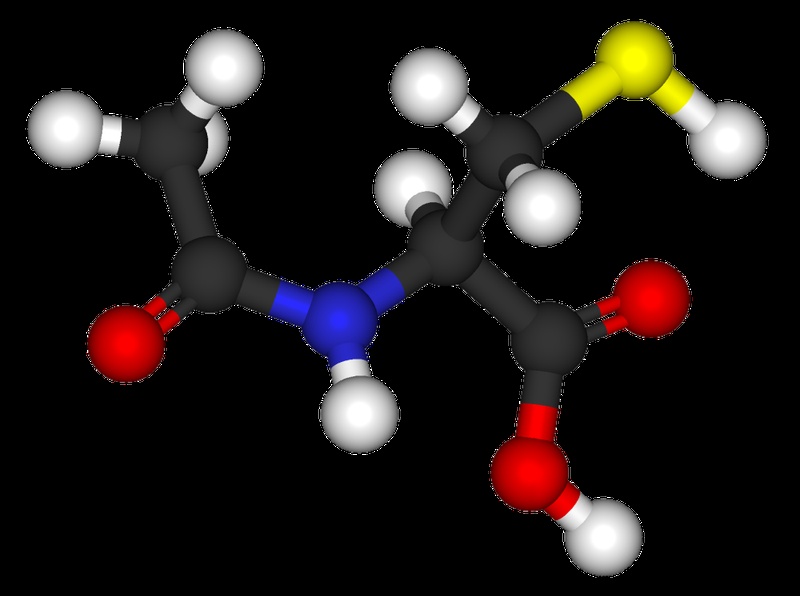
| Type | Amino acid derivative |
| Active Cmpd | N-Acetyl-L-cysteine |
| Source | Synthetic derivative of L-cysteine |
| Dose Range | 600–1,800 mg/day (oral) |
| Half-life | ~5.6 hours (adults) |
| Main Benefit | Glutathione synthesis & mucolysis |
| Absorption | Low (4–10% oral bioavailability) |
N-Acetylcysteine (NAC) is a thiol-containing derivative of the amino acid L-cysteine that serves as a critical precursor for the synthesis of glutathione (GSH), the body's primary endogenous antioxidant. It is widely utilized in clinical medicine as a mucolytic agent for respiratory conditions and as the gold-standard antidote for acetaminophen-induced hepatotoxicity, with emerging evidence supporting its use in psychiatric, metabolic, and renal health.
¶ At a glance
Aliases
- Also known as: NAC, N-acetyl-L-cysteine, Acetylcysteine
- Chemical / botanical name: (2R)-2-acetamido-3-sulfanylpropanoic acid
- Category: Amino acid derivative, Antioxidant, Mucolytic
Key points (high-level summary)
- In adults with respiratory conditions like COPD, oral NAC modestly reduces the frequency of exacerbations and improves mucus clearance when used long-term.[1]
- NAC is the essential, high-certainty antidote for preventing liver failure and death following acetaminophen (paracetamol) overdose.[2][3]
- Adjunctive therapy with NAC shows modest efficacy in reducing symptoms of bipolar depression, OCD, and substance use cravings (nicotine, cannabis, cocaine).[4][5][6]
- NAC exhibits low oral bioavailability (4-10%) due to extensive first-pass hepatic metabolism into L-cysteine.[7]
- While generally safe, intravenous administration can cause anaphylactoid reactions (10-15%), and oral doses may cause gastrointestinal discomfort or a characteristic sulfurous odor.[8][9]
What people use it for
- Main goals: Glutathione replenishment, respiratory support, liver detoxification, psychiatric symptom management, and PCOS-related metabolic health.
- Evidence quality (overall): High (for toxicology and respiratory), Moderate (for psychiatry and PCOS).
¶ What is N-Acetylcysteine?
N-Acetylcysteine (NAC) is a synthetic acetylated form of the semi-essential sulfur-containing amino acid L-cysteine.
- Definition: NAC is a pharmacological agent and dietary supplement that acts primarily as a precursor to glutathione (GSH). By providing the rate-limiting substrate (cysteine), NAC enables the replenishment of intracellular GSH stores during periods of high oxidative stress.
- Natural sources: NAC itself does not occur naturally in foods; it is a synthetic derivative. However, its metabolite, L-cysteine, is naturally found in high-protein foods such as poultry, eggs, garlic, onions, and legumes.
- Traditional / historical use: NAC was first patented in 1960 and approved for clinical use as a mucolytic agent (Mucomyst) in 1963. Its role as an antidote for paracetamol poisoning was established in the 1970s.
- Current regulatory status: NAC is on the WHO Model List of Essential Medicines. It is an FDA-approved prescription drug for acetaminophen overdose and as a mucolytic; it is also widely available as a dietary supplement, despite historical regulatory challenges in the United States regarding its drug vs. supplement classification.
- Key pharmacological property: Thiol-donating glutathione precursor and direct free-radical scavenger.
¶ What are N-Acetylcysteine’s main benefits?
N-Acetylcysteine exhibits diverse therapeutic effects ranging from acute detoxification to chronic healthspan support.
¶ Toxicology and Hepatoprotection
The most robustly supported clinical application of NAC is the treatment of acetaminophen (paracetamol) toxicity. It prevents hepatic necrosis by replenishing glutathione, which neutralizes the toxic metabolite N-acetyl-p-benzoquinone imine (NAPQI).[2:1] It also shows survival benefits as an adjuvant in other severe toxicities, such as aluminum phosphide poisoning, where it helps mitigate cardiogenic shock and severe metabolic acidosis.[10][11]
¶ Respiratory Health
In chronic respiratory diseases like COPD and chronic bronchitis, NAC reduces the viscosity of bronchial secretions and decreases the frequency and severity of exacerbations, particularly at higher doses (1,200 mg/day or more).[1:1][12] It is also studied as an adjunctive treatment for pediatric pneumonia and acute lung injury.[13][14]
¶ Psychiatry and Neurological Health
NAC modulates glutamatergic signaling and oxidative stress in the brain. Meta-analyses support its use as an adjunctive treatment for bipolar depression and obsessive-compulsive disorder (OCD).[4:1][5:1] Additionally, NAC has shown promise in reducing cravings associated with substance use disorders, including nicotine, cannabis, and cocaine addictions.[6:1]
¶ Metabolic and Women’s Health
In women with Polycystic Ovary Syndrome (PCOS), NAC supplementation may improve insulin sensitivity, lower testosterone levels, and increase ovulation and pregnancy rates, showing comparable efficacy to metformin in some outcomes.[15][16]
¶ Cardiovascular and Renal Protection
NAC may reduce the risk of postoperative atrial fibrillation (POAF) following cardiac surgery.[17]. Its role in preventing contrast-induced acute kidney injury (CI-AKI) remains controversial; while some meta-analyses suggest a protective effect, large-scale clinical trials have shown inconsistent results, often finding that standard hydration is equally effective.[18][19]
¶ Evidence summary table (human outcomes)
| Outcome / Goal | Effect* | Consistency** | Evidence quality | Trials*** | Notes (population, duration, dose) |
|---|---|---|---|---|---|
| Acetaminophen Hepatoprotection | High | High | Meta-analyses | Standard weight-based IV/oral protocols; prevents liver necrosis if given within 8-24h[2:2][20] | |
| COPD Exacerbation Reduction | High | Moderate | >20 RCTs | 600–1200 mg/day orally for 6–12 months; reduces exacerbation frequency[1:2] | |
| Chronic Bronchitis Mucolysis | High | Moderate | Meta-analyses | 600 mg/day orally; reduces cough severity and sputum thickness[12:1] | |
| Non-Acetaminophen Acute Liver Failure | Moderate | Moderate | >5 RCTs | IV infusion; improves transplant-free survival in early-stage non-paracetamol ALF[21][22] | |
| Bipolar Depressive Symptoms | Moderate | Low | Meta-analyses | 1,000–2,000 mg/day orally as adjunctive therapy; modest symptom reduction[4:2][23] | |
| OCD Symptom Severity | Moderate | Low | Meta-analyses | 2,000–3,000 mg/day adjunctive; modest reductions in Y-BOCS scores[5:2] | |
| Substance Use Craving Reduction | Moderate | Low | Meta-analyses | 1,200–2,400 mg/day; modest reductions in cravings for tobacco, cannabis, and cocaine[6:2] | |
| Polycystic Ovary Syndrome (PCOS) | Moderate | Moderate | Meta-analyses | 1,200–1,800 mg/day; improves ovulation rates and metabolic profiles[15:1][16:1] | |
| Postoperative Atrial Fibrillation (POAF) | Moderate | Moderate | Meta-analyses | IV perioperative administration; modest reduction in incidence post-cardiac surgery[17:1][24] | |
| Contrast-Induced Nephropathy Prevention | Low | Moderate | Meta-analyses | 600–1200 mg orally twice daily; highly debated with mixed clinical benefit vs hydration[18:1][25] | |
| Aluminum Phosphide Toxicity Survival | Moderate | Low | Meta-analyses | Nasogastric or IV adjuvant therapy; improves survival in severe acute toxic shock[10:1][11:1] |
- *Effect: Number of arrows (1-3) indicates magnitude. Direction: ↑ (increase), ↓ (decrease), = (no effect), ? (unclear). Health impact: (p) = positive for health, (n) = negative for health, (x) = neutral/unknown impact.
- **Consistency: Low (results conflict), Moderate (mixed but leaning one way), High (most trials agree)
- ***Trials: Number of RCTs or total trials informing this outcome.
¶ LongeviData outcomes widget
¶ How does N-Acetylcysteine work?
The pharmacology of NAC is primarily centered on its role in sulfur-containing amino acid metabolism and redox homeostasis.
¶ Glutathione (GSH) Resynthesis
NAC acts as a prodrug for L-cysteine, which is the rate-limiting substrate for the biosynthesis of glutathione. The synthesis of GSH occurs in two ATP-dependent enzymatic steps:
- GCL (Glutamate-Cysteine Ligase): The rate-limiting enzyme that catalyzes the formation of gamma-glutamylcysteine from L-glutamate and L-cysteine.
- GSH Synthetase: The final enzyme that adds glycine to gamma-glutamylcysteine to form GSH.
By bypassing the feedback inhibition of cysteine synthesis, NAC ensures a constant supply of substrate to GCL, particularly when GSH levels are depleted by toxins or oxidative stress.[7:1]
¶ Direct Antioxidant and Mucolytic Effects
- Direct Radical Scavenging: The free sulfhydryl (-SH) group of NAC can directly neutralize reactive oxygen species (ROS) such as hydroxyl radicals, hydrogen peroxide, and hypochlorous acid.
- Mucolysis: The thiol group of NAC breaks the disulfide bonds in mucus glycoproteins (mucins), thereby reducing the viscosity and elasticity of bronchial secretions and facilitating expectoration.[12:2]
¶ Cellular Redox and Immune Modulation
NAC modulates the activity of several redox-sensitive transcription factors:
- NF-κB Inhibition: By reducing intracellular oxidative stress, NAC inhibits the activation of NF-κB, thereby decreasing the expression of pro-inflammatory cytokines (e.g., TNF-α, IL-6).
- Nrf2 Activation: NAC can support the activation of the Nrf2 pathway, which regulates the expression of numerous phase II detoxification and antioxidant enzymes.
- T-cell Modulation: Studies indicate that NAC can abrogate the suppression of T-cell responses mediated by oxidative stress, helping to regulate T-cell hyperactivation in conditions like Graft-versus-Host Disease (GvHD).[26]
¶ Glutamatergic Regulation
In the central nervous system, NAC increases the availability of extracellular glutamate by stimulating the cystine-glutamate antiporter (system xC-) on glial cells. This activates presynaptic metabotropic glutamate receptors (mGluR2/3), which reduces the excessive release of synaptic glutamate—a mechanism thought to underlie its efficacy in OCD and addiction.[5:3][6:3]
¶ Pharmacokinetics
- Absorption: Following oral administration, NAC is rapidly absorbed but undergoes extensive first-pass hepatic metabolism. Oral bioavailability of the parent NAC molecule is estimated at only 4–10%.
- Distribution & Metabolism: NAC is deacetylated in the liver to form L-cysteine, which is then used for GSH synthesis or enters the general amino acid pool. Peak plasma concentrations (Cmax) of total cysteine are reached in approximately 1–2 hours.
- Elimination: The terminal half-life of free NAC is approximately 5.6 hours in adults.[7:2]
¶ Effects on different systems
Metabolic health (glucose, insulin, lipids)
- NAC improves insulin sensitivity and glycemic control, particularly in women with PCOS.[15:2]
- Preliminary evidence suggests benefits in Non-Alcoholic Fatty Liver Disease (NAFLD) by reducing hepatic oxidative stress and fat accumulation.[27]
Cardiovascular health (blood pressure, vascular markers)
- NAC may prevent postoperative atrial fibrillation and help mitigate myocardial injury during reperfusion following a heart attack (STEMI).[17:2][28]
Respiratory health
- Extensive clinical evidence supports NAC as a mucolytic and anti-inflammatory agent that reduces the risk of COPD exacerbations and improves lung function markers.[1:3][12:3]
Brain & mental health (cognition, mood, sleep)
- NAC acts as an adjunctive treatment for major depressive episodes, bipolar disorder, and obsessive-compulsive symptoms.[4:3][5:4][29]
- It reduces cravings and withdrawal symptoms in various substance use disorders by stabilizing glutamatergic signaling.[6:4]
Renal and Detoxification
- Essential for preventing hepatotoxicity in acetaminophen overdose.[2:3]
- Modest renoprotective effects against contrast-induced nephropathy and antimicrobial-induced (e.g., cisplatin, vancomycin) nephrotoxicity.[25:1][30]
Acute Toxicity & Emergencies
- Plays a key therapeutic role in severe acute chemical and agricultural poisoning crises. In cases of severe aluminum phosphide ingestion (which is highly lethal due to phosphine-induced metabolic and cardiotoxicity), oral or nasogastric NAC acts as a crucial antioxidant adjuvant that supports cardiovascular function and assists in the resolution of metabolic acidosis.[10:2][11:2]
¶ Dosage and how to take it
Standard dosing in studies
- General Health / Antioxidant support: 600 mg once or twice daily.
- Respiratory (COPD/Bronchitis): 600 mg twice daily (1,200 mg total) is often required for significant reduction in exacerbations.
- Psychiatric conditions: Higher doses of 1,200–1,500 mg twice daily (2,400–3,000 mg/day) are typically used in clinical trials for OCD and depression.
- Acetaminophen Overdose: Requires specific, weight-based protocols administered intravenously or orally under medical supervision.[2:4][8:1]
Forms and bioavailability
- Oral: Available as capsules, tablets, and effervescent tablets. Effervescent forms may have slightly better absorption. Bioavailability is generally very low.
- Inhaled: Used for acute respiratory mucolysis in hospital settings.
- Intravenous (IV): Reserved for emergency toxicology and specific surgical settings.
- GlyNAC: The combination of NAC with glycine is being studied for its synergistic ability to replenish glutathione in aging populations (typically 1:1 ratio).
Special populations
- Renal/Liver impairment: No specific dose adjustments are usually required for oral supplements, but IV administration requires careful monitoring.
- Asthma: Inhaled NAC should be used with extreme caution due to the risk of bronchospasm.
- Pregnancy/Breastfeeding: Generally considered safe and often used to treat acetaminophen toxicity in pregnancy, but consult a professional for supplemental use.
¶ Safety and side effects
Common side effects
- Gastrointestinal: Nausea, vomiting, diarrhea, and abdominal pain are common with oral doses, particularly at higher amounts.
- Sensory: The characteristic sulfurous ("rotten egg") smell and taste can be unpleasant.
Less common / serious concerns
- Anaphylactoid Reactions: Occur in 10-15% of patients receiving IV NAC, characterized by flushing, pruritus, rash, angioedema, and rarely, hypotension or bronchospasm. These are usually managed by slowing the infusion rate or using antihistamines.[8:2]
- Coagulation Interference: NAC may interfere with certain coagulation assays (e.g., slightly increasing PT/INR), though this usually doesn't correlate with clinical bleeding risk in otherwise healthy individuals.[9:1]
Who should be especially cautious or avoid it
- Patients with Asthma: Risk of bronchospasm (primarily with inhaled or IV forms).
- Individuals with Histamine Intolerance: Some evidence suggests NAC may inhibit DAO (Diamine Oxidase) activity.
- People on Blood Thinners: Due to potential interference with coagulation markers.
¶ LongeviData safety widget
¶ Drug and supplement interactions
Pharmacokinetic interactions (how drugs are processed)
- Nitroglycerin: NAC can significantly potentiate the vasodilatory effects of nitroglycerin, leading to severe headaches and potentially dangerous hypotension.
- Coagulation Assays: May cause false elevations in Prothrombin Time (PT) and International Normalized Ratio (INR) readings.[9:2]
Pharmacodynamic interactions (additive / opposing effects)
- Antidiabetic Drugs: NAC may have additive blood-glucose-lowering effects with metformin or insulin.[15:3]
- Chemotherapy: NAC may protect against the toxicities of certain chemotherapy drugs (e.g., cisplatin-induced hearing loss/nephrotoxicity), but there is theoretical concern that its antioxidant action could reduce the efficacy of ROS-generating chemotherapies.[31][32]
- Glycine: Synergistic effect in glutathione synthesis (GlyNAC stack).
¶ Combining N-Acetylcysteine with other supplements (“stacks”)
- GlyNAC Stack: NAC (600–1,200 mg) + Glycine (600–1,200 mg). This combination addresses the two most common limiting factors for glutathione synthesis and has shown benefits for mitochondrial dysfunction and muscle strength in elderly populations.
- Antioxidant Support: Combined with Selenium (a cofactor for glutathione peroxidase) and Vitamin C to support the recycling and function of the glutathione system.
- Liver Support Stack: Combined with Milk Thistle (Silymarin) or Alpha-Lipoic Acid (ALA) for synergistic hepatoprotective effects.
¶ Practical FAQ
How long does it take for N-Acetylcysteine to work?
For acute detoxification (acetaminophen), it works within hours. For respiratory mucolysis, effects on mucus viscosity are often felt within 2–3 days. For psychiatric or metabolic benefits, consistent supplementation for 8–12 weeks is typically required to see clinical changes.
Does NAC always smell like rotten eggs?
Yes, because it is a sulfur-containing compound. The odor is normal and does not indicate that the product is rancid or expired. Effervescent tablets or flavored capsules may help mask the smell.
Can I take NAC long-term?
Studies in COPD have used NAC daily for up to one year with a good safety profile. However, some researchers suggest that very high-dose long-term antioxidant supplementation could theoretically interfere with the body's natural hormetic response to exercise or stress.
Is NAC useful for longevity?
NAC is primarily considered a healthspan intervention. By maintaining glutathione levels, it protects against "inflammaging" and oxidative damage. The GlyNAC combination is specifically being researched for its potential anti-aging effects on mitochondria and metabolic health.
Can I take NAC with my morning coffee?
There is no known major interaction between NAC and caffeine. However, since NAC can cause GI upset in some people, taking it with food rather than on an empty stomach with coffee is often recommended.
¶ How we evaluated the evidence
Evidence was evaluated by prioritizing large-scale randomized controlled trials (RCTs) and systematic reviews/meta-analyses published in high-impact medical journals (PubMed, Cochrane).
- High Quality: Established clinical guidelines and multiple large meta-analyses (e.g., Acetaminophen antidote, COPD).
- Moderate Quality: Consistent results from several RCTs and meta-analyses with minor limitations in study size or heterogeneity (e.g., PCOS, POAF).
- Low Quality: Emerging evidence from pilot trials or case reports with mixed results (e.g., psychiatric augmentation, aluminum phosphide poisoning).
¶ References
Huang J, et al. (2023). Efficacy and safety of N-acetylcysteine in patients with chronic obstructive pulmonary disease: A systematic review and meta-analysis. Therapeutic Advances in Respiratory Disease. https://pubmed.ncbi.nlm.nih.gov/36927162/ ↩︎ ↩︎ ↩︎ ↩︎
Nakatsu T, et al. (2025). Comparison of two-bag and three-bag regimens of N-acetylcysteine for paracetamol poisoning: a systematic review and meta-analysis. Clinical Toxicology. https://pubmed.ncbi.nlm.nih.gov/40013897/ ↩︎ ↩︎ ↩︎ ↩︎ ↩︎
Mehrpour O, et al. (2025). Contemporary intravenous N-acetylcysteine regimens for paracetamol poisoning. Expert Opinion on Pharmacotherapy. https://pubmed.ncbi.nlm.nih.gov/41445121/ ↩︎
Pittas C, et al. (2021). N-acetylcysteine in the treatment of bipolar depression: a systematic review and meta-analysis. Psychopharmacology. https://pubmed.ncbi.nlm.nih.gov/33641060/ ↩︎ ↩︎ ↩︎ ↩︎
Eghdami A, et al. (2024). Safety and efficacy of N-acetylcysteine augmentation in adult obsessive-compulsive disorder: A systematic review and meta-analysis. Frontiers in Psychiatry. https://pubmed.ncbi.nlm.nih.gov/39376972/ ↩︎ ↩︎ ↩︎ ↩︎ ↩︎
Winterlind E, et al. (2024). N-acetylcysteine for the treatment of substance use disorder: A systematic review and meta-analysis of its effects on cravings and substance use. Addiction Biology. https://pubmed.ncbi.nlm.nih.gov/39556483/ ↩︎ ↩︎ ↩︎ ↩︎ ↩︎
Mindreanu I, et al. (2026). Evidence for the Use of N-Acetylcysteine in Neurological Disorders: A Systematic Review. International Journal of Molecular Sciences. https://pubmed.ncbi.nlm.nih.gov/41977262/ ↩︎ ↩︎ ↩︎
Cole JB, et al. (2023). Two-bag intravenous N-acetylcysteine for acetaminophen toxicity. Western Journal of Emergency Medicine. https://pubmed.ncbi.nlm.nih.gov/38165196/ ↩︎ ↩︎ ↩︎
Nazar C, et al. (2025). The effect of N-acetylcysteine on prothrombin time and international normalized ratio. Clinical Toxicology. https://pubmed.ncbi.nlm.nih.gov/39878294/ ↩︎ ↩︎ ↩︎
Shaker V, et al. (2023). Intravenous N-acetylcysteine as an adjuvant therapy in aluminum phosphide poisoning: a systematic review and meta-analysis. BMC Pharmacology and Toxicology. https://pubmed.ncbi.nlm.nih.gov/37924139/ ↩︎ ↩︎ ↩︎
Eva AA, et al. (2026). Successful survival after severe aluminum phosphide poisoning complicated by cardiogenic shock, atrial fibrillation and severe metabolic acidosis: a case report. Journal of Medical Case Reports. https://pubmed.ncbi.nlm.nih.gov/42387583/ ↩︎ ↩︎ ↩︎
Wei J, et al. (2019). The Effect of N-Acetylcysteine on Exacerbations of Chronic Bronchitis and Chronic Obstructive Pulmonary Disease: A Meta-Analysis. Advances in Therapy. https://pubmed.ncbi.nlm.nih.gov/31598901/ ↩︎ ↩︎ ↩︎ ↩︎
Wei L, et al. (2026). Efficacy and safety of acetylcysteine combined with budesonide in the treatment of pneumonia in children: a systematic review and meta-analysis. European Journal of Clinical Pharmacology. https://pubmed.ncbi.nlm.nih.gov/41546714/ ↩︎
Mokra D, et al. (2025). N-Acetylcysteine in Acute Lung Injury: Perspectives and Limitations. International Journal of Molecular Sciences. https://pubmed.ncbi.nlm.nih.gov/40141299/ ↩︎
Liu J, et al. (2023). Effect of N-acetylcysteine on metabolic and hormonal parameters in women with polycystic ovary syndrome: a systematic review and meta-analysis. Frontiers in Nutrition. https://pubmed.ncbi.nlm.nih.gov/37841396/ ↩︎ ↩︎ ↩︎ ↩︎
Shahveghar-Asl Z, et al. (2023). The effects of N-acetylcysteine on sex hormones and ovulation in women with polycystic ovary syndrome: a systematic review and meta-analysis. British Journal of Nutrition. https://pubmed.ncbi.nlm.nih.gov/36597797/ ↩︎ ↩︎
Hassan M, et al. (2025). N-acetylcysteine for the prevention of postoperative atrial fibrillation following cardiothoracic surgery: a systematic review and meta-analysis of randomized controlled trials. Minerva Cardiology and Angiology. https://pubmed.ncbi.nlm.nih.gov/38842239/ ↩︎ ↩︎ ↩︎
Zhu Y, et al. (2023). Prevention of contrast-induced nephropathy: an umbrella review of meta-analyses of randomized controlled trials. Frontiers in Medicine. https://pubmed.ncbi.nlm.nih.gov/37790125/ ↩︎ ↩︎
Lin Y, et al. (2025). Comparative effectiveness of different prevention strategies for contrast-associated acute kidney injury: a systematic review and network meta-analysis. Frontiers in Medicine. https://pubmed.ncbi.nlm.nih.gov/41312470/ ↩︎
Alrashed A, et al. (2024). Comparison of two-bag versus three-bag regimens of intravenous N-acetylcysteine for acetaminophen toxicity: a systematic review and meta-analysis. Diseases. https://pubmed.ncbi.nlm.nih.gov/39727662/ ↩︎
Hu J, et al. (2015). N-acetylcysteine for non-acetaminophen-induced acute liver failure: a systematic review and meta-analysis of prospective trials. Clinical Research in Hepatology and Gastroenterology. https://pubmed.ncbi.nlm.nih.gov/25732608/ ↩︎
Amjad W, et al. (2022). N-acetylcysteine in non-acetaminophen induced acute liver failure: a systematic review. Przeglad Gastroenterologiczny. https://pubmed.ncbi.nlm.nih.gov/35371352/ ↩︎
Nery FG, et al. (2021). N-acetylcysteine as an adjunctive treatment for bipolar depression: a systematic review and meta-analysis of randomized controlled trials. Bipolar Disorders. https://pubmed.ncbi.nlm.nih.gov/33354859/ ↩︎
Hanafy AM, et al. (2024). N-acetylcysteine for the prevention of postoperative atrial fibrillation following coronary artery bypass graft surgery: a meta-analysis of randomized controlled trials. Reviews in Cardiovascular Medicine. https://pubmed.ncbi.nlm.nih.gov/39139444/ ↩︎
Rafique A, et al. (2026). Prophylaxis of Contrast-Induced Nephropathy: A Systematic Review and Meta-Analysis. Journal of the College of Physicians and Surgeons Pakistan. https://pubmed.ncbi.nlm.nih.gov/42015439/ ↩︎ ↩︎
Maikho T, et al. (2026). Cold Atmospheric Plasma as an Immunomodulator: Suppression of T-cell Hyperactivation and Graft-versus-Host Disease via Redox Regulation. Journal of Leukocyte Biology. https://pubmed.ncbi.nlm.nih.gov/42394517/ ↩︎
Yang Y, et al. (2023). Therapeutic effects of N-acetylcysteine in non-alcoholic fatty liver disease: evidence from transcriptomics and meta-analysis. Frontiers in Pharmacology. https://pubmed.ncbi.nlm.nih.gov/37256235/ ↩︎
Jiang L, et al. (2021). Clinical Efficacy and Safety of N-Acetylcysteine in Patients with ST-Segment Elevation Myocardial Infarction: A Meta-Analysis. International Heart Journal. https://pubmed.ncbi.nlm.nih.gov/33390565/ ↩︎
Zheng W, et al. (2018). N-acetylcysteine for major mental disorders: a systematic review and meta-analysis of randomized controlled trials. Acta Psychiatrica Scandinavica. https://pubmed.ncbi.nlm.nih.gov/29457216/ ↩︎
Qiu Y, et al. (2025). Effect of N-acetylcysteine on antimicrobial induced nephrotoxicity: a systematic review and meta-analysis of randomized controlled trials. BMC Nephrology. https://pubmed.ncbi.nlm.nih.gov/40057704/ ↩︎
Tawalbeh M, et al. (2025). Intratympanic N-acetylcysteine for prevention of cisplatin-induced ototoxicity: a systematic review of randomized controlled trials. BMC Pharmacology and Toxicology. https://pubmed.ncbi.nlm.nih.gov/39905500/ ↩︎
Plane S, et al. (2025). Prevention of Cisplatin-Induced Hearing Loss in Adults: A Systematic Review and Meta-Analysis. Otolaryngology--Head and Neck Surgery. https://pubmed.ncbi.nlm.nih.gov/40323204/ ↩︎