¶ Exercise
Exercise is far more than just "being healthy"; it is a complex physiological intervention that stimulates profound adaptations, influencing everything from cellular metabolism to cognitive function. Understanding its multifaceted mechanisms allows for targeted protocols to optimize healthspan and longevity.
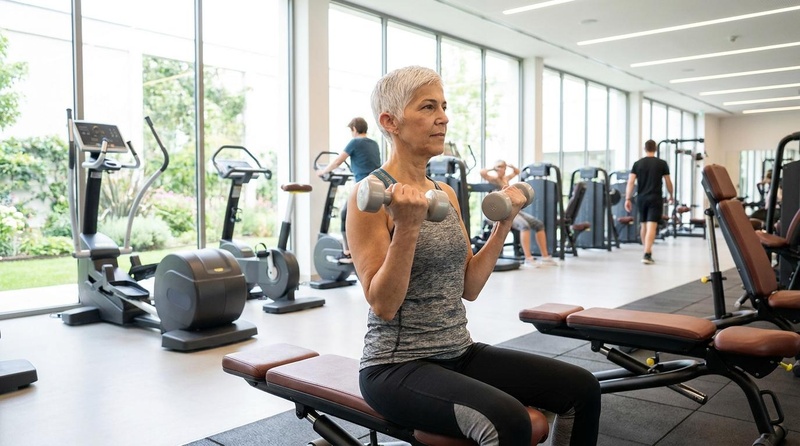
| Indication | Healthspan & Longevity |
| Access | Behavioral Intervention |
| Dosing Sched | Daily/Weekly (Varied) |
| Safety Profile | Low (if prescribed appropriately) |
| Key Marker | VO2 Max, Strength, Lean Mass |
| Est. Cost | $0 - $XXX/mo |
The scientific evidence overwhelmingly supports exercise as a cornerstone of longevity, primarily by preserving muscle mass, enhancing metabolic regulation through myokines, and maintaining robust cardiovascular and neurological function.
¶ At a glance
Exercise, encompassing both resistance and aerobic training, is a potent health intervention. It directly combats age-related decline, improves systemic physiology, and enhances quality of life. The benefits are dose-dependent, with even moderate activity yielding significant health gains.
Key points:
- Comprehensive Benefits: Exercise impacts nearly every physiological system, from cardiovascular health to cognitive function and metabolic regulation [1][2][3].
- Combats Aging: It is a primary strategy to mitigate sarcopenia (muscle loss), preserve neuromuscular function, and reduce all-cause mortality [4][5][6].
- Endocrine Organ: Skeletal muscle acts as an endocrine organ, secreting myokines that mediate systemic health benefits [3:1][7].
- Safety: Generally safe, but requires appropriate progression and consideration of individual health status and contraindications [8].
What people use it for:
- Main goals: Longevity, Metabolic Health, Cardiovascular Health, Muscle Preservation, Cognitive Enhancement, Mood Regulation.
- Evidence quality: High (for general health and mortality reduction).
¶ Evidence summary table (human outcomes)
| Outcome / Goal | Effect* | Consistency** | Evidence quality | Trials*** | Notes (population, duration, dose) |
|---|---|---|---|---|---|
| All-cause mortality | High | High | Meta-analyses of cohorts | Resistance training: 15-21% lower risk [4:1][5:1]; Aerobic: 13% reduction per 1-MET increase [1:1] | |
| Cardiovascular mortality | High | High | Meta-analyses of cohorts | Resistance training: 19% lower risk [5:2] | |
| Cancer mortality | Moderate | High | Meta-analyses of cohorts | Resistance training: 14% lower risk [5:3] | |
| Sarcopenia (muscle loss) | High | High | RCTs, longitudinal studies | Resistance training significantly increases muscle mass and strength in older adults [9][10]; progressive resistance remains the gold standard [11] | |
| Cardiorespiratory fitness (VO2 max) | High | High | Longitudinal studies | Directly correlates with longevity; improvements reduce mortality [2:1][12] | |
| Insulin sensitivity | High | High | RCTs, mechanistic studies | Improved via myokines (e.g., IL-6, FGF21) and direct muscle effects [3:2][13] | |
| Adipose tissue browning | Moderate | Moderate | Mechanistic, human observational | Induced by myokines like irisin and BAIBA [14][15] | |
| Cognitive function | Moderate | Moderate | Mechanistic, observational, some RCTs | Mediated by BDNF and other neurotrophic factors [16]; pre-sleep nutrition has minimal next-day effect [17] | |
| Older Cohorts with HIV | High | High | 1 RCT (HEALTH Trial) | Supervised exercise promotes substantial transitions from frail/pre-frail states to non-frail phenotypes [18] | |
| Fibromyalgia Symptoms | High | High | 1 pilot RCT | Combines hypnotic-cognitive therapy (HYP-CT) with exercise to improve quality of life and physical function [19] | |
| Fall Prevention Synergy | High | High | Umbrella review | Progressive resistance and balance training paired with protein/vitamin D nutrition dramatically cuts fall rates [20] |
*Effect: Number of arrows (1-3) indicates magnitude. Direction: ↑ (increase), ↓ (decrease), = (no effect), ? (unclear). Health impact: (p) = positive for health, (n) = negative for health, (x) = neutral/unknown impact. Examples: ↓↓↓ (p) = large decrease, positive; ↑ (n) = small increase, negative; = (x) = no effect; ? = unclear.
*Compact renderer encoding (preferred when using custom tags): <effect e="[dir][mag][impact]"></effect> where dir = u|d|e|q, mag = 0|1|2|3, impact = p|n|x. Examples: ↓↓ (p) -> <effect e="d2p"></effect>, = (x) -> <effect e="e0x"></effect>, ? -> <effect e="q0x"></effect>
**Consistency: Low (results conflict), Moderate (mixed but leaning one way), High (most trials agree)
***Trials: Number of RCTs or total trials informing this outcome (shows evidence depth at a glance)
REQUIRED: You MUST include a citation key (e.g. [^1]) in the "Notes" column for every single row. If you claim a result, you must link the specific Meta-Analysis or Key RCT that proves it.
¶ Mechanisms of Action
Exercise elicits its wide-ranging benefits through several interconnected physiological mechanisms:
| Mechanism | Primary effect | Key outcomes | Evidence |
|---|---|---|---|
| Preserve muscle mass and strength | Slows sarcopenia (age‑related muscle loss) | Maintains mobility, lowers disability and mortality risk | Observational cohorts; RCTs with hypertrophy/strength gains [6:1][9:1][10:1] |
| Endocrine signaling (myokines) | IL‑6, irisin, myostatin, IL‑15, BDNF, FGF21, BAIBA, METRNL, myonectin, SPARC, decorin, apelin | Improves insulin sensitivity, lipid oxidation, adipose browning, inflammation resolution, tissue repair | Mechanistic, human acute exercise, RCT/controlled studies [3:3][7:1][14:1][16:1] |
| Fiber‑type and neuromuscular preservation | Counteracts preferential atrophy/denervation of type II fibers | Maintains power, reduces falls risk, supports functional independence | Histology, longitudinal physiology, intervention trials [6:2][9:2][10:2] |
| Cardiorespiratory adaptations | Enhances cardiac output, vascular function, mitochondrial density | Improves VO2 max, reduces cardiovascular disease risk | Meta-analyses, physiological studies [1:2][2:2] |
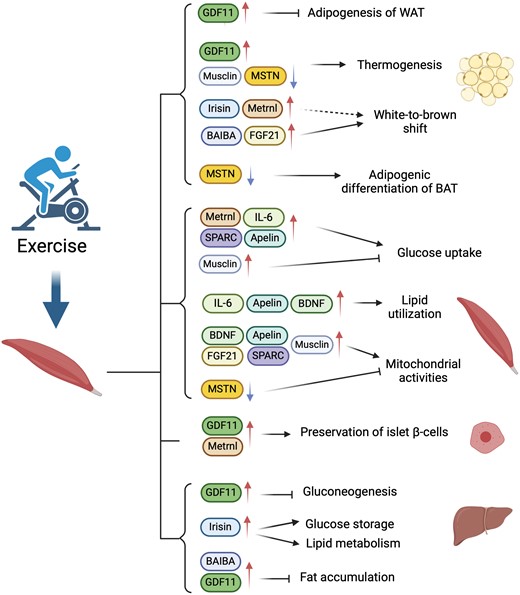
A scientific illustration demonstrating how exercise triggers the release of myokines from skeletal muscle, illustrating the body's complex metabolic response to physical activity.
¶ 1) Muscle Mass and Autonomy: Combating Sarcopenia
Sarcopenia, the progressive loss of skeletal muscle mass, strength, and function with aging, is a major predictor of disability, falls, and mortality [3:4][6:3]. Quantitative analyses show that strength declines faster than muscle mass, indicating changes in muscle quality [21].
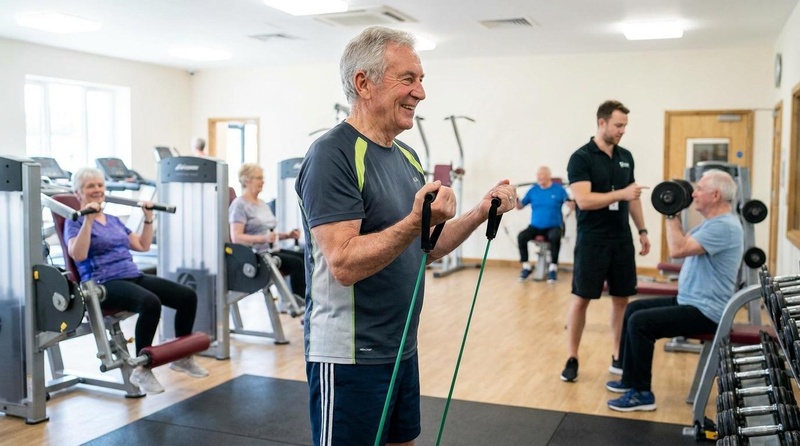
Figure 1: Musculoskeletal adaptation and resistance training. Targeted load helps slow sarcopenia and preserve neuromuscular motor units, maintaining strength and physical autonomy in older cohorts.
Resistance training is highly effective in counteracting sarcopenia:
- Reversibility: Studies in older and very old adults (mean age ~87 years) demonstrate that high-intensity resistance training can produce clinically meaningful gains in strength and fiber cross-sectional area (CSA), even in frail individuals [9:3][10:3].
- Functional Gains: These strength gains translate to improved mobility and reduced risk of falls, crucial for maintaining autonomy and quality of life in advanced age [10:4], particularly when combined with targeted nutritional interventions like protein and vitamin D supplementation [20:1][11:1].
- Molecular and Proteostatic Regulation: Muscle aging is characterized by a nearly 50% reduction in ring finger protein 10 (RNF10), an E3 ubiquitin ligase. Enhancing RNF10 expression represents a promising therapeutic target for sarcopenia. Mechanistically, RNF10 directly interacts with p53 to promote its ubiquitin-dependent degradation, which upregulates TIGAR, alleviates mitochondrial oxidative stress, and restores proteostasis to counteract muscle atrophy [22].
To learn how to address these shifts across your lifespan, read the dedicated guide on Age-Specific Exercise Programming.
¶ 2) Muscles as Endocrine Organs: The Role of Myokines
Skeletal muscle actively secretes various cytokines and peptides, collectively known as myokines, into circulation during and after contraction [3:5][7:2]. These myokines act in autocrine, paracrine, and endocrine fashions to regulate whole-body metabolism, inflammation, tissue repair, and brain function.
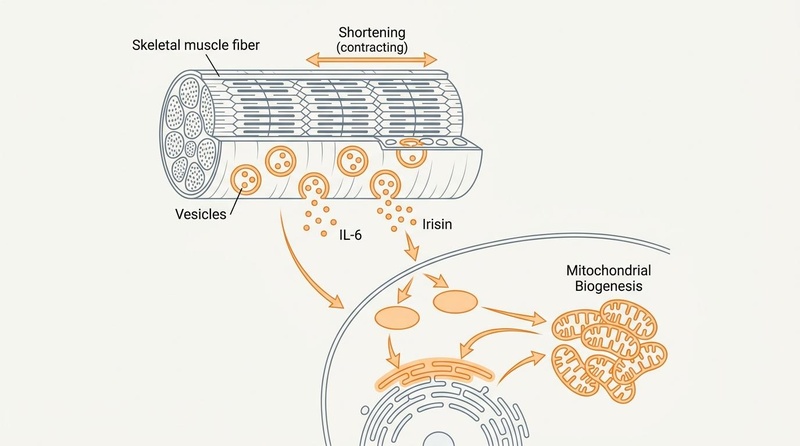
Figure 2: Exocytosis and signaling pathways of exercise-induced myokines. As skeletal muscle fibers shorten and contract, vesicles release Interleukin-6 (IL-6) and Irisin into systemic circulation, binding to target receptors and triggering intracellular signaling cascades that drive mitochondrial biogenesis and tissue remodeling.
¶ Major Myokines (Selected) and Their Principal Actions
| Myokine (acronym expanded once) | Principal actions | Typical context | Evidence |
|---|---|---|---|
| Interleukin‑6 (IL‑6) | Increases glucose uptake and fatty‑acid oxidation in muscle; lipolysis; acute anti‑inflammatory signaling during exercise | Acute exercise → transient rise | Mechanistic and human exercise studies [3:6][23] |
| Irisin (cleaved from FNDC5) | Induces browning of white adipose tissue; increases thermogenesis and energy expenditure | Endurance/resistance exercise | Nature discovery; human observational/intervention data [14:2][24] |
| Myostatin (GDF‑8) | Negative regulator of muscle growth; inhibition → hypertrophy | Basal regulation; reduced with training | Genetic/mechanistic; translational relevance [25] |
| Interleukin‑15 (IL‑15) | Supports muscle anabolism; associated with lower adiposity | Exercise‑responsive | Human/biological studies [26] |
| Brain‑derived neurotrophic factor (BDNF) | Increases fat oxidation via AMPK; muscle–brain axis (neurotrophic, cognitive benefits) | Muscle contraction; endurance exercise | Mechanistic and human cell work [16:2][26:1] |
| Fibroblast growth factor‑21 (FGF21) | Improves insulin sensitivity; regulates glucose/lipid metabolism | Acute and chronic exercise; metabolic stress | Human/mouse exercise/physiology [13:1][27] |
| β‑Aminoisobutyric acid (BAIBA) | Promotes hepatic β‑oxidation; induces browning of white fat | Exercise‑induced metabolite | Human associations; mechanistic data [15:1] |
| Meteorin‑like (METRNL) | Enhances beige fat thermogenesis; immune–adipose interactions | Cold/exercise | Cell and animal work with translational relevance [28] |
| Myonectin (CTRP15) | Increases fatty‑acid uptake; activates mTOR; suppresses hepatic autophagy | Exercise/muscle contraction | Mechanistic and in vivo studies [29][30] |
| Secreted protein acidic and rich in cysteine (SPARC) | Metabolic effects; exercise‑linked antitumorigenic signaling in colon | Regular exercise | Human tissue and animal mechanistic data [31] |
| Decorin | Binds/inhibits myostatin; contributes to hypertrophy | Resistance exercise | Human/animal mechanistic studies [32] |
| Apelin | Improves muscle function/regeneration; favorable metabolic effects | Aerobic training; aging muscle | Human cohort/intervention data [31:1] |
Notes: Acute IL‑6 elevations during exercise differ from chronic low‑grade inflammation; context (timing/tissue) determines net effect [3:7][23:1]. Evidence spans mechanistic, human acute exercise, and controlled training studies; not all myokines have definitive clinical outcome trials yet [7:3][26:2].
¶ 3) The Loss of Type II (Fast-Twitch) Fibers with Aging
Human skeletal muscle comprises two primary fiber types: Type I (slow-twitch), which are fatigue-resistant and used for endurance, and Type II (fast-twitch), which generate high force and power but fatigue quickly. Aging does not affect these fibers equally.
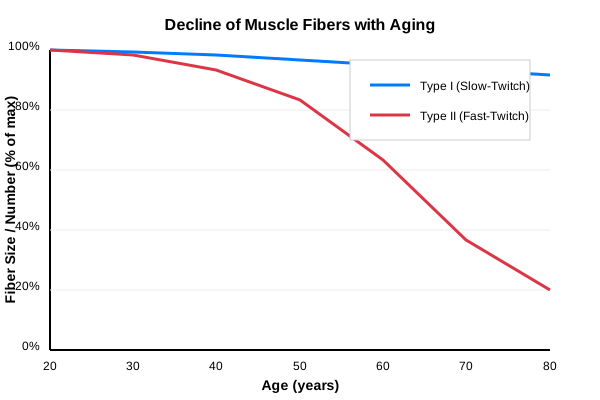
Schematic illustrating the preferential loss of Type II (fast-twitch) muscle fibers compared to Type I (slow-twitch) fibers over the human lifespan. While Type I fibers remain relatively stable, Type II fibers undergo significant atrophy and loss starting in mid-life. Modeled after data from Lexell et al. [6:4]
¶ Preferential Atrophy and Loss
The age-related loss of muscle is predominantly a loss of Type II fibers:
- Selective Atrophy: Type II fibers shrink significantly in size (cross-sectional area), reducing by 25–40% or more between age 20 and 80 [6:5][33]. Type I fibers, in contrast, generally maintain their size.
- Motor Unit Loss: The alpha motor neurons that innervate Type II fibers are prone to apoptosis (cell death). As these neurons die, the associated muscle fibers lose their connection to the nervous system [6:6].
¶ The Mechanism of "Grouping"
When a Type II fiber becomes denervated, it signals for help. Often, a nearby Type I motor neuron will sprout a collateral nerve to re-innervate the "orphaned" fiber. This saves the fiber from dying, but it comes at a cost: the fiber is converted from Type II to Type I [9:4][33:1].
- Result: The muscle becomes slower and less powerful.
- Clumped Architecture: Instead of the healthy "checkerboard" pattern of mixed fiber types seen in youth, older muscle shows "grouping" of fiber types, indicating this history of denervation and reinnervation [6:7].
¶ Clinical Consequences: Power vs. Strength
Because Type II fibers drive high-velocity movement, muscle power (the ability to exert force quickly) declines much faster than pure strength [33:2]. This has critical implications for independence:
- Fall Risk: Recovering from a trip requires a split-second explosive step (Type II activity).
- Mobility: Rising from a chair or climbing stairs requires power.
- Solution: Resistance training, particularly with an intent to move the weight quickly (power training), can hypertrophy remaining Type II fibers and improve the firing rates of motor units, partially reversing this decline [9:5][10:5]. This process is illustrated at the neural level in Age-Specific Exercise Programming's neuromuscular reinnervation guide.
¶ 4) Cardiorespiratory Adaptations
Regular aerobic exercise significantly enhances cardiorespiratory fitness, measured by VO2 max. Higher cardiorespiratory fitness is strongly and inversely associated with all-cause mortality, cardiovascular events, and other major non-communicable diseases [1:3][2:3].
- Cardiac Efficiency: Exercise training leads to increased stroke volume, reduced resting heart rate, and improved myocardial contractility, enhancing the heart's pumping efficiency.
- Vascular Health: It promotes endothelial function, improves arterial elasticity, and reduces systemic vascular resistance, thereby lowering blood pressure and reducing the risk of atherosclerosis.
- Mitochondrial Biogenesis: Both aerobic and resistance training stimulate the growth of new mitochondria within muscle cells, improving energy production and metabolic flexibility [3:8].
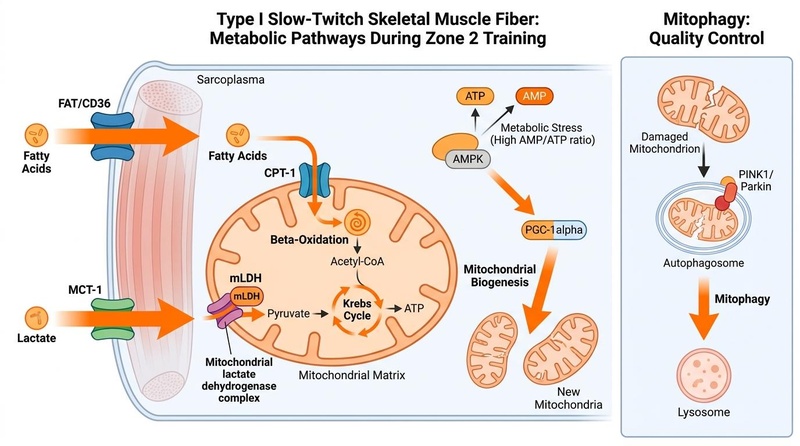
Figure 3: Metabolic pathways within slow-twitch skeletal muscle fibers during Zone 2 aerobic training. Low-to-moderate intensity exercise drives fatty acid and lactate clearance via FAT/CD36 and MCT-1 transporters, fueling mitochondrial beta-oxidation and the Krebs cycle. Chronic metabolic stress (elevated AMP/ATP ratio) activates the AMPK/PGC-1alpha pathway, promoting mitochondrial biogenesis and quality control via PINK1/Parkin-mediated mitophagy.
¶ Practical Protocols & Integration
A comprehensive exercise regimen should include a mix of resistance, aerobic, flexibility, and balance training, structured within an organized plan. To build a program that matches your background, lifestyle, or physiological age, consult the following dedicated Longevipedia exercise guides:
¶ Specialized Longevipedia Exercise Guides
- Foundations & Lifestyle splits:
- Physical Health Portal: High-level system overview integrating cardiorespiratory, musculoskeletal, and metabolic wellbeing.
- Daily Movement & NEAT: Incorporating physical activity, ergonomics, and postural variety into daily life.
- Beginner Exercise Guide: A safe, step-by-step 12-week progression protocol for those transitioning from a sedentary lifestyle.
- Busy Professional Training: High-efficiency protocols (single-set resistance training and "exercise snacks") designed to fit into packed schedules.
- Age-Specific Exercise Programming: Longevity-oriented adjustments across the lifespan, from young adults to geriatric populations.
- Cardiovascular Excellence:
- Zone 2 Cardiovascular Training: Building the mitochondrial and aerobic foundation.
- High-Intensity Interval Training (HIIT): Elevating cardiac output and VO2 max.
- VO2 Max Training: Targeted protocols to improve the strongest predictor of all-cause mortality.
- Musculoskeletal Preservation & Safety:
- Strength Training for Longevity: Deep dive into hypertrophy, fiber-type preservation, and heavy loading.
- Sarcopenia & Frailty Prevention: Clinical guidelines to diagnose, prevent, and reverse muscle wasting.
- Balance Training: Preventing fall-related injuries in advanced age.
- Mobility & Joint Health: Preserving active range of motion and joint durability.
- Injury Prevention: Identifying structural strains and safety thresholds.
- Exercise Recovery: Maximizing systemic remodeling and tissue repair between sessions.
- Periodization & Structuring:
- Training Blocks & Periodization: How to sequence macrocycles, mesocycles, and microcycles effectively for long-term healthspan.
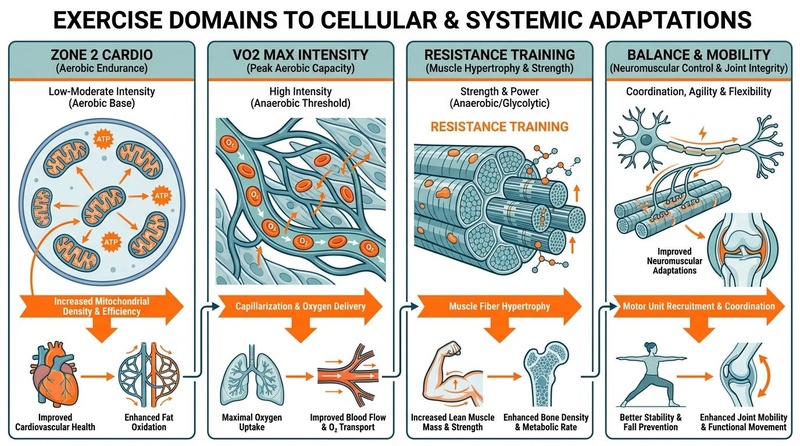
Figure 4: The four key exercise domains (Zone 2 Cardio, VO2 Max, Resistance Training, and Balance & Mobility) and their corresponding molecular, cellular, and neuromuscular adaptations.
¶ Resistance Training
- Frequency: 2-3 times per week on non-consecutive days.
- Intensity: 70-85% of one-repetition maximum (1-RM) for 8-12 repetitions per set, or RPE (Rate of Perceived Exertion) 7-9.
- Volume: 2-4 sets per major muscle group.
- Type: Incorporate compound movements (squats, deadlifts, presses, rows) targeting multiple muscle groups.
- Progression: Gradually increase weight, repetitions, or sets over time to ensure progressive overload.
- Power Focus: Periodically integrate movements with intent to move quickly to target Type II fibers.
- Velocity-Based Prescriptions: For precise intensity targeting, clinicians utilize load-velocity profiles. By mapping exercise-specific concentric velocity zones across common lifts (e.g., squat, press), training loads can be customized precisely to target specific neuromuscular adaptation zones [34].
- Genetic Clearance Variation: Genetic polymorphisms, such as the monocarboxylate transporter 1 (MCT1) A1470T mutation, alter post-exercise blood lactate and potassium clearance kinetics following caffeine ingestion during acute resistance exercise, which can guide personalized recovery and dosing intervals [35].
¶ Aerobic Training
- Frequency: 3-5 times per week.
- Intensity: Zone 2 cardiovascular endurance (low-to-moderate, where a person can speak in full sentences but not sing) for 150-300 minutes per week, or vigorous VO2 max intervals (such as 4x4 intervals) for 75-150 minutes per week.
- Type: Walking, jogging, cycling, swimming, dancing, or other activities that elevate heart rate.
- HIIT: High-intensity interval training can be incorporated 1-2 times per week for improved cardiorespiratory fitness and metabolic adaptations.
¶ Flexibility and Balance
- Frequency: Daily or 2-3 times per week.
- Type: Stretching, yoga, tai chi, or specific balance exercises (e.g., balance pad training).
- Benefits: Improves range of motion, reduces injury risk, and maintains mobility.
¶ Tracking Metrics
- Strength: Periodically test 1-RM or maximum repetitions for key lifts.
- Cardiorespiratory Fitness: Estimate or directly measure VO2 max (e.g., using fitness trackers or lab tests).
- Lean Muscle Mass: Monitor changes using DEXA scans, bioelectrical impedance analysis (BIA), or regular circumference measurements.
- Functional Outcomes: Track improvements in activities of daily living, gait speed, and balance tests.
¶ Sex and Age Differences in Exercise Physiology
Exercise prescriptions must be tailored to address the distinct physiological profiles across the lifespan and between biological sexes:
¶ Age-Specific Adaptations and Needs
- Young Adults (Ages 18–34): Focus should be on building a robust physiological reserve. High-intensity training (HIIT, heavy resistance overload) is optimal for maximizing peak bone mineral density, neuromuscular coordination, and VO2 max, which acts as a powerful cardiorespiratory anchor for later decades [1:4][2:4].
- Middle-Aged Adults (Ages 35–64): This is the critical maintenance and mitigation window. Muscle mass naturally begins to decline by 1% per year (sarcopenia onset), and mitochondrial efficiency decreases. Protocols must shift from pure performance to preserving Type II muscle fibers and structural joint integrity [6:8][3:9]. High-intensity aerobic intervals (1-2 times weekly) are critical to maintain the VO2 max baseline, while structured Zone 2 training ensures metabolic flexibility and lipid clearance [7:4].
- Older Adults (Ages 65+): Prioritize injury prevention, postural stability, and fall mitigation. Sarcopenia and motor unit grouping accelerate in this decade [6:9][9:6]. Dosing must focus on high-power movements (explosive resistance training at lower loads) to specifically target dying Type II motor neurons, alongside proprioceptive balance exercises (e.g., standing on foam pads) to maintain vestibular-spinal reflexes [10:6][33:3]. Combined behavioral exercise and specific nutritional support (protein/amino acid metabokines exceeding the basic 0.8 g/kg RDA) deliver the highest clinical outcomes for fall prevention and sarcopenia management in older adults [20:2][11:2][36].
¶ Biological Sex Differences
- Women: Premenopausal females exhibit superior lipid oxidation and fatigue resistance during prolonged aerobic exercise compared to matched men, primarily driven by estrogen's protective effects on mitochondrial membrane permeability and skeletal muscle glucose uptake. Post-menopause, the rapid loss of estradiol accelerates bone mineral density decline (osteopenia) and muscle wasting. Resistance training must utilize high-load progressive resistance (80%+ 1-RM) to stimulate osteoblast activity and mechanical load transduction, offsetting estrogenic loss.
- Men: Males generally possess a higher baseline absolute muscle mass and VO2 max, but exhibit a faster age-related decline in cardiovascular efficiency and a higher incidence of early-onset coronary artery disease. Aerobic prescriptions should heavily emphasize Zone 2 cardiovascular training to maintain vascular elasticity and low resting sympathetic tone, reducing endothelial stress [1:5][8:1].
¶ Safety and Contraindications
While exercise is generally safe and highly beneficial, certain conditions warrant caution or medical clearance [8:2]:
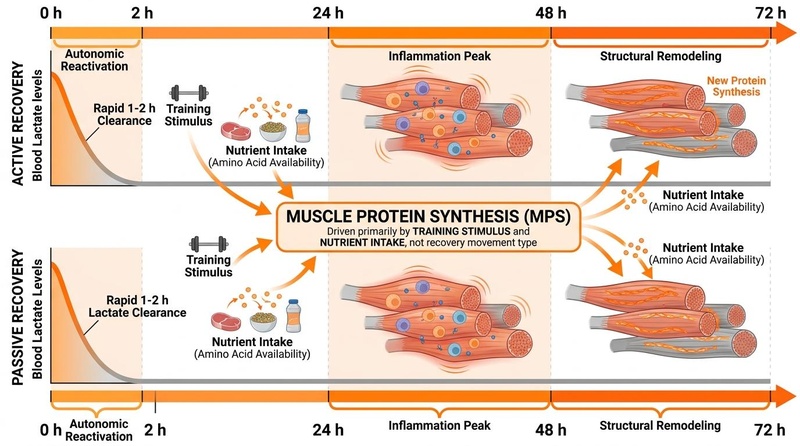
Figure 5: Physiological recovery and structural remodeling timeline following exercise. This maps key biological phases over 72 hours, demonstrating that Muscle Protein Synthesis (MPS) is driven primarily by training stimulus and amino acid availability, rather than recovery movement type (active vs. passive).
¶ General Precautions
- Gradual Progression: Start with low intensity and volume, especially for sedentary individuals, and gradually increase over weeks/months.
- Listen to Your Body: Pain is a signal to stop or modify the exercise. Differentiate between muscle soreness and joint/ligament pain.
- Hydration and Nutrition: Ensure adequate fluid intake and appropriate macronutrient timing to support performance and recovery.
¶ Absolute Cardiovascular Red Flags (Stop Immediately & Seek Evaluation)
- Anginal Symptoms: Sustained pressure, tightness, or squeezing pain in the chest, radiating to the left shoulder, jaw, or neck during exertion.
- Dyspnea Out of Proportion: Unexplained, sudden shortness of breath at workloads that previously elicited minimal ventilatory distress.
- Neurological Impairment: Transient dizziness, ataxia (uncoordinated movement), syncope, or visual disturbances (loss of physical vision, flashing lights), indicating cerebral hypoperfusion.
- Sudden Arrhythmias: Subjective sensation of fluttering, racing, or irregular heartbeats accompanied by sudden hemodynamic instability.
¶ Overtraining and Recovery Red Flags (Modify Load)
- Sustained Resting Heart Rate Elevation: A persistent increase of >5–10 bpm in morning resting heart rate over 3–5 consecutive days, indicating chronic sympathetic dominance and inadequate systemic recovery.
- HRV Suppression: A prolonged downward trend in waking heart rate variability (HRV) metrics (e.g., rMSSD), signaling autonomic exhaustion and impaired neuro-endocrine remodeling [7:5].
- Persistent Joint or Ligament Pain: Deep, localized pain that does not resolve within 48–72 hours of active rest, indicating microstructural tissue failure rather than typical delayed-onset muscle soreness (DOMS).
¶ Absolute Contraindications (Avoid exercise until cleared by a physician)
- Unstable angina
- Recent myocardial infarction (within 2 days)
- Uncontrolled cardiac arrhythmia causing symptoms or hemodynamic compromise
- Acute endocarditis, myocarditis, or pericarditis
- Symptomatic severe aortic stenosis
- Decompensated heart failure
- Acute pulmonary embolism or pulmonary infarction
- Acute thrombophlebitis
- Dissecting aneurysm
- Acute systemic infection with fever, body aches, or swollen lymph glands
¶ Relative Contraindications (Exercise may be performed with caution or under supervision)
- Known obstructive left main coronary artery stenosis
- Moderate to severe aortic stenosis with uncertain symptom status
- Tachyarrhythmias with uncontrolled ventricular rates
- Acquired advanced or complete heart block
- Recent stroke or transient ischemic attack
- Mental impairment with limited cooperation
- Resting hypertension (systolic >200 mmHg or diastolic >110 mmHg)
- Uncorrected medical conditions, such as significant anemia, electrolyte imbalance, hyperthyroidism
¶ The Longevity Exercise Decision Path
To translate these principles into clinical practice, use this structured clinical decision path to select and prioritize exercise modalities based on baseline functional assessments:
                  [Patient Longevity Assessment]
                                |
               +----------------+----------------+
               |                                 |
     [Is VO2 Max < 30th Pctl?]        [Is Lean Mass/Strength < 30th Pctl?]
               |                                 |
        +------+------+                   +------+------+
        |             |                   |             |
     [YES]           [NO]              [YES]           [NO]
        |             |                   |             |
[Prioritize Zone 2  [Maintain Zone 2; [Prioritize heavy [Maintain current
 & HIIT Protocols]   Progress to HIIT] resistance & power resistance training;
                                       hypertrophy work] add balance/mobility]
¶ Frequently Asked Questions
How much exercise do I need to see benefits for longevity?
For general health and longevity, major health organizations recommend at least 150 minutes of moderate-intensity aerobic activity or 75 minutes of vigorous-intensity aerobic activity per week, combined with muscle-strengthening activities 2 or more days a week. However, evidence suggests a dose-response relationship, with additional benefits seen at higher volumes, particularly for cardiorespiratory fitness [5:4][1:6].
Can I get too much exercise?
While the benefits of exercise are substantial, excessive training without adequate recovery can lead to overtraining syndrome, increased injury risk, hormonal imbalances, and impaired immune function. Individual tolerance varies, but balancing training stress with recovery is crucial [7:6].
Is resistance training or aerobic exercise better for longevity?
Both are critical. Resistance training is essential for preserving muscle mass and strength, combating sarcopenia, and improving metabolic health [9:7]. Aerobic exercise enhances cardiorespiratory fitness, endothelial function, and mitochondrial health [1:7]. Combining both types of exercise provides superior all-cause mortality reduction compared to either alone [37].
How can I make exercise a consistent habit?
Start small and build gradually. Find activities you enjoy, set realistic goals, and integrate exercise into your daily routine. Accountability partners, tracking progress, and varying your workouts can also help maintain consistency [8:3].
¶ References
Kodama S, Saito K, Tanaka S, et al. Cardiorespiratory fitness as a quantitative predictor of all-cause mortality and cardiovascular events in healthy men and women: a meta-analysis. JAMA. 2009;301(19):2024-2035. https://pubmed.ncbi.nlm.nih.gov/19454641/ ↩︎ ↩︎ ↩︎ ↩︎ ↩︎ ↩︎ ↩︎ ↩︎
Mandsager K, et al. Association of Cardiorespiratory Fitness With Long-term Mortality Among Adults Undergoing Exercise Treadmill Testing. JAMA Network Open. 2018;1(6):e183605. https://jamanetwork.com/journals/jamanetworkopen/fullarticle/2707428 ↩︎ ↩︎ ↩︎ ↩︎ ↩︎
Pedersen BK, Febbraio MA. Muscle as an endocrine organ: focus on muscle‑derived interleukin‑6. Physiol Rev. 2008;88(4):1379‑1406. https://journals.physiology.org/doi/full/10.1152/physrev.90100.2007 ↩︎ ↩︎ ↩︎ ↩︎ ↩︎ ↩︎ ↩︎ ↩︎ ↩︎ ↩︎
Saeidifard F, Medina-Inojosa JR, Welton M, et al. The association of resistance training with mortality: A systematic review and meta-analysis. Eur J Prev Cardiol. 2019;26(15):1647-1662. https://pubmed.ncbi.nlm.nih.gov/31104484/ ↩︎ ↩︎
Shailendra P, et al. Resistance Training and Mortality Risk: A Systematic Review and Meta-Analysis. Am J Prev Med. 2022;63(4):603-611. https://pubmed.ncbi.nlm.nih.gov/35599175/ ↩︎ ↩︎ ↩︎ ↩︎ ↩︎
Lexell J, Taylor CC, Sjöström M. Ageing atrophy: number/size/proportion of fiber types in vastus lateralis (15–83 y). J Neurol Sci. 1988;84:275‑294. https://www.sciencedirect.com/science/article/abs/pii/0022510X88901245 ↩︎ ↩︎ ↩︎ ↩︎ ↩︎ ↩︎ ↩︎ ↩︎ ↩︎ ↩︎
Severinsen MCK, Pedersen BK. Muscle–organ crosstalk: the emerging roles of myokines. Endocr Rev. 2020;41(4):594‑609. https://pubmed.ncbi.nlm.nih.gov/32374815/ ↩︎ ↩︎ ↩︎ ↩︎ ↩︎ ↩︎ ↩︎
Riebe D, et al. Resistance Exercise Training in Individuals With and Without Cardiovascular Disease: 2023 Update. Circulation. 2023;147(14):1128-1151. https://www.ahajournals.org/doi/10.1161/CIR.0000000000001189 ↩︎ ↩︎ ↩︎ ↩︎
Frontera WR, Meredith CN, O’Reilly KP, Knuttgen HG, Evans WJ. Strength conditioning in older men: hypertrophy and function. J Appl Physiol. 1988;64(3):1038‑1044. https://journals.physiology.org/doi/abs/10.1152/jappl.1988.64.3.1038 ↩︎ ↩︎ ↩︎ ↩︎ ↩︎ ↩︎ ↩︎ ↩︎
Fiatarone MA, O’Neill EF, Ryan ND, et al. Exercise training in very elderly people (RCT). N Engl J Med. 1994;330(25):1769‑1775. https://www.nejm.org/doi/full/10.1056/NEJM199406233302501 ↩︎ ↩︎ ↩︎ ↩︎ ↩︎ ↩︎ ↩︎
Xue F, Xu H, Yao X. Advances in Clinical Management Strategies for Sarcopenia: From Exercise and Nutrition to Pharmacotherapy and Comprehensive Interventions. Mol Neurobiol. 2026;63(6). https://pubmed.ncbi.nlm.nih.gov/42348067/ ↩︎ ↩︎ ↩︎
Laukkanen JA, et al. Long-term Change in Cardiorespiratory Fitness and All-Cause Mortality: A Population-Based Follow-up Study. Mayo Clin Proc. 2016;91(8):1021-1028. https://pubmed.ncbi.nlm.nih.gov/27444976/ ↩︎
Izumiya Y, et al. FGF21 is an Akt‑regulated myokine. FEBS Lett. 2008;582(27):3805‑3810. https://febs.onlinelibrary.wiley.com/doi/full/10.1016/j.febslet.2008.10.021 ↩︎ ↩︎
Boström P, et al. A PGC1‑α‑dependent myokine (irisin) that drives browning of white fat. Nature. 2012;481:463‑468. https://www.nature.com/articles/nature10777 ↩︎ ↩︎ ↩︎
Roberts LD, et al. β‑Aminoisobutyric acid induces browning of white fat and hepatic β‑oxidation. Cell Metab. 2014;19(1):96‑108. https://www.cell.com/cell-metabolism/fulltext/S1550-4131(13)00478-0 ↩︎ ↩︎
Wrann CD, et al. Exercise induces hippocampal BDNF via a PGC‑1α/FNDC5 pathway. Cell Metab. 2013;18(5):649‑659. https://www.cell.com/cell-metabolism/fulltext/S1550-4131(13)00372-3 ↩︎ ↩︎ ↩︎
Morrison M, Weakley J, Roach GD. Minimal Influence of Formulated Nutritional Interventions on Sleep and Next-Morning Physical Performance, Cognitive Function, and Postural Sway in Adult Males: A Randomized, Placebo-Controlled, Crossover Study. Int J Sport Nutr Exerc Metab. 2025;35(3). https://pubmed.ncbi.nlm.nih.gov/39983739/ ↩︎
Oliveira VHF, Dos Santos AP, Kulik GL, et al. Frailty phenotype transitions and functional improvements during a supervised exercise trial in older people with HIV: results from the HEALTH Trial. Age Ageing. 2026;55(7). https://pubmed.ncbi.nlm.nih.gov/42407092/ ↩︎
Behera D, Jensen MP, Gopalakrishna DB, et al. Combined Effects of Hypnotic-Cognitive Therapy with Therapeutic Exercise on Quality of Life in Individuals with Fibromyalgia: A Pilot Feasibility Randomized Controlled Trial. Int J Clin Exp Hypn. 2026;74(3):269-281. https://pubmed.ncbi.nlm.nih.gov/42406982/ ↩︎
Dharmansyah D, Rahayuwati L, Pramukti I. Exercise and nutritional interventions for sarcopenia-related fall prevention in older adults: An umbrella review. J Nutr Health Aging. 2026;30(6). https://pubmed.ncbi.nlm.nih.gov/42208412/ ↩︎ ↩︎ ↩︎
Goodpaster BH, et al. Loss of strength, mass, and quality in older adults (Health ABC). J Gerontol A. 2006;61(10):1059‑1064. https://academic.oup.com/biomedgerontology/article/61/10/1059/545851 ↩︎
Yang H, Zhang Y, Zhang L, et al. RNF10 attenuates age-related muscle atrophy by promoting p53 degradation and alleviating oxidative stress. Free Radic Biol Med. 2026;254:168-180. https://pubmed.ncbi.nlm.nih.gov/42309359/ ↩︎
Akerström T, et al. Exercise induces IL‑6 release from human skeletal muscle; role in lipid metabolism. Am J Physiol Endocrinol Metab. 2005;288:E733‑E740. https://journals.physiology.org/doi/full/10.1152/ajpendo.00340.2004 ↩︎ ↩︎
Huh JY, et al. Irisin stimulates muscle growth‑related genes and regulates adipocyte metabolism in humans. Int J Obes (Lond). 2014;38:1538‑1544. https://www.nature.com/articles/ijo201442 ↩︎
McPherron AC, Lawler AM, Lee SJ. Regulation of skeletal muscle mass by a new TGF‑β family member (myostatin). Nature. 1997;387:83‑90. https://www.nature.com/articles/387083a0 ↩︎
Green DJ, et al. The Potential Role of Contraction‑Induced Myokines in Metabolic Regulation. Front Endocrinol (Lausanne). 2017;8:97. https://www.frontiersin.org/articles/10.3389/fendo.2017.00097/full ↩︎ ↩︎ ↩︎
Kim KH, Lee MS, et al. Acute exercise induces FGF21 in mice and humans. PLoS One. 2013;8(5):e63517. https://journals.plos.org/plosone/article?id=10.1371/journal.pone.0063517 ↩︎
Rao RR, et al. Meteorin‑like regulates beige fat thermogenesis. Cell. 2014;157(6):1279‑1291. https://www.cell.com/fulltext/S0092-8674(14)00578-3 ↩︎
Seldin MM, et al. Myonectin (CTRP15), a novel myokine that links skeletal muscle to systemic lipid homeostasis. J Biol Chem. 2012;287(15):11968‑11980. https://www.jbc.org/article/S0021-9258(20)50094-2/fulltext ↩︎
Seldin MM, et al. Skeletal muscle‑derived myonectin activates mTOR to suppress hepatic autophagy. J Biol Chem. 2013;288(50):36073‑36082. https://www.jbc.org/article/S0021-9258(20)50092-3/fulltext ↩︎
Aoi W, Naito Y, Yoshikawa T. SPARC and exercise‑linked suppression of colon tumorigenesis. Gut. 2013;62(6):882‑889. https://gut.bmj.com/content/62/6/882.long ↩︎ ↩︎
Kanzleiter T, Rath M, Görgens SW, et al. The myokine decorin is regulated by contraction and involved in hypertrophy. Biochem Biophys Res Commun. 2014;450(2):1089‑1094. https://www.sciencedirect.com/science/article/pii/S0006291X14011089 ↩︎
Verdijk LB, et al. Skeletal muscle hypertrophy following resistance training is accompanied by a fiber type-specific increase in satellite cell content in elderly men. J Gerontol A Biol Sci Med Sci. 2009;64(3):332-339. https://academic.oup.com/biomedgerontology/article/64A/3/332/625396 ↩︎ ↩︎ ↩︎ ↩︎
Weakley J, Wood T, García-Ramos A. The load-velocity profiles and exercise-specific velocity zones for seven commonly used weightlifting exercises. PLoS One. 2026;21(4). https://pubmed.ncbi.nlm.nih.gov/42406853/ ↩︎
Rahimi MR, Faraji H, Hajipoor SR. Effect of MCT1 A1470T Polymorphism on Lactate and Potassium Concentrations After Caffeine Ingestion During Acute Resistance Exercise. Nutrients. 2024;16(24). https://pubmed.ncbi.nlm.nih.gov/39771017/ ↩︎
Corsetti G, Pasini E. Amino Acids as Metabokines in Hypercatabolic States: Rethinking Nutritional Protein-Based Strategies Beyond Caloric Support. Nutrients. 2026;18(11). https://pubmed.ncbi.nlm.nih.gov/42280346/ ↩︎
Momma H, Kawakami R, Honda T, et al. Muscle-strengthening activities are associated with lower risk and mortality in major non-communicable diseases: a systematic review and meta-analysis of cohort studies. Br J Sports Med. 2022;56(13):755-763. https://bjsm.bmj.com/content/56/13/755 ↩︎